
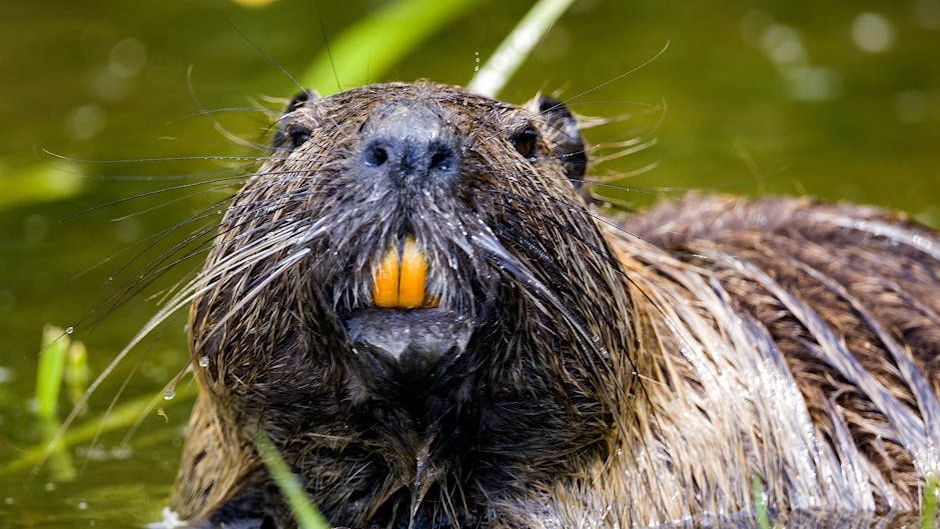
Worried about unexpected vet bills?
Pet insurance can cover thousands in unexpected vet costs. Get a free quote from Lemonade in under 2 minutes.
Get My Free Quote →Sponsored · Opens Lemonade.com
There is something quietly remarkable about the fact that one of the most effective wetland restoration tools in the country weighs around 50 pounds and chews through wood for a living. Beavers were once so abundant across North America that early European explorers described rivers practically teeming with their dams. Then came the fur trade, and centuries of near-systematic removal that left entire watersheds degraded, disconnected, and dry.
Beaver populations in North America have fallen from an estimated 60 to 400 million before European colonization to roughly 10 to 15 million today, because of extensive hunting, habitat degradation, and trapping. The loss wasn’t just a wildlife story. It was a water story, a soil story, and increasingly, a climate story. What’s unfolding now, as scientists and land managers work to bring beavers back, is one of the more hopeful chapters in American conservation.
They Rebuild Wetland Hydrology From the Ground Up
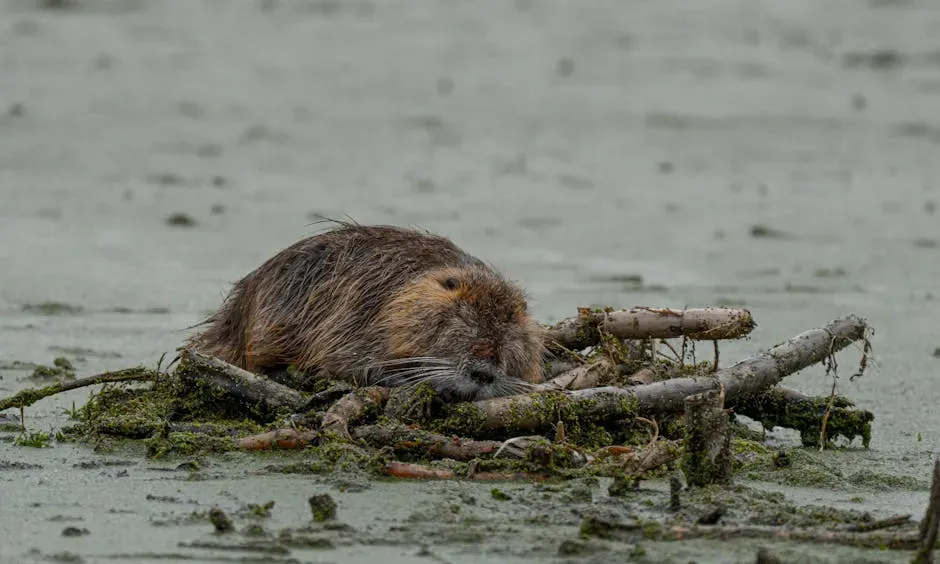
By constructing dams that impound water and retain sediment, beavers substantially alter the physical, chemical, and biological characteristics of the surrounding river ecosystem, providing benefits to plants, fish, and wildlife. This isn’t a subtle process. A single beaver family can transform a degraded stream channel into a functioning wetland complex within a matter of seasons.
The possible results are wide-ranging, including higher water tables, reconnected and expanded floodplains, higher summer base flows, expanded wetlands, improved water quality, greater habitat complexity, and more diversity in the populations of plants, birds, fish, amphibians, reptiles, and mammals.
Without maintenance from nature’s ecosystem engineers, many of the nation’s once multi-threaded streams became single-channeled and incised, disconnected from their floodplains. When this happens, water tables sink, water temperature increases, and plants die. Beavers essentially reverse that entire sequence.
Their Dams Create Natural Water Storage That Outlasts Drought
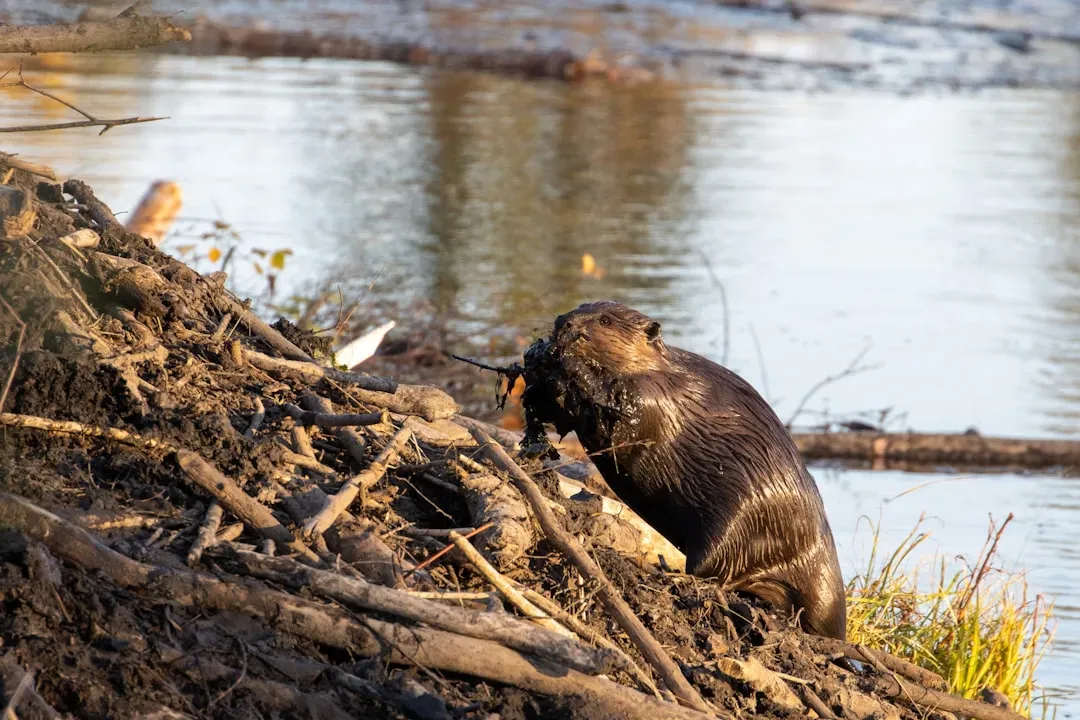
The amount of water stored above and below ground by the average beaver pond in just one year could supply a person with water for over two centuries. This natural water storage system slowly releases cold, clean water downstream throughout hot summers, while other streams without beavers often go dry. That kind of storage capacity is hard to replicate with concrete and steel.
Beaver wetland complexes provide long-term freshwater storage and recharge groundwater, a crucial benefit especially in the American West, where dwindling surface water supplies are the result of years of sustained climate change-driven drought and over-allocation of surface water supplies, as seen in the Upper Colorado River Basin.
Beavers play a crucial role in drought resilience. The structures they build slow stream flow and create pools, allowing water to permeate the soil and replenish underground water levels. This process provides vital moisture for vegetation and wildlife during dry periods. In the arid West, that difference between a wet meadow and a cracked streambed can mean everything.
Beaver Wetland Complexes Act as Natural Firebreaks
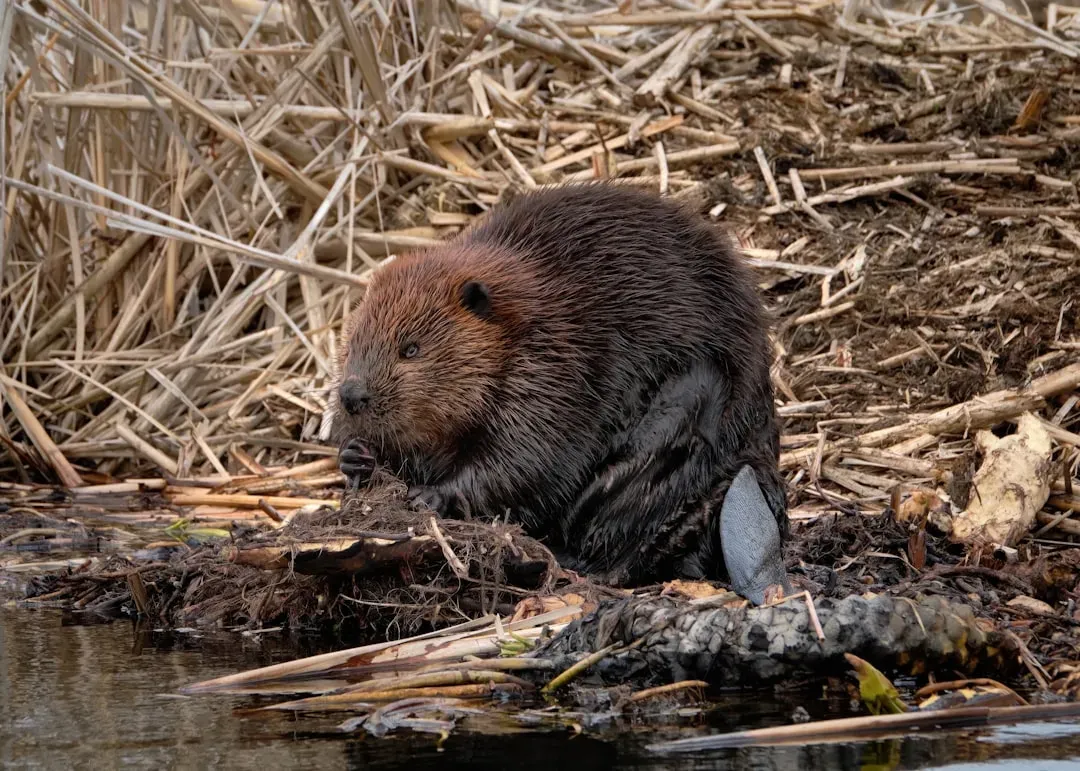
Research shows that beaver-modified landscapes suffer only about one-third of the fire damage compared to similar regions without beavers. During the devastating Dixie and Sugar fires in California, a beaver-engineered complex stayed green and healthy even as the surrounding landscape burned. These areas remain resilient because the soil stays moist and the vegetation remains lush, even in high-heat conditions.
A study concluded that, by building dams, forming ponds, and digging canals, beavers irrigate vast stream corridors and create fireproof refuges in which plants and animals can shelter. In some cases, the rodents’ engineering can even stop fire in its tracks.
Conservative estimates suggest that beaver dams have the potential to store enormous volumes of surface water and create substantial areas of fire resilience in high-risk areas. Streams where beavers have the potential to create the greatest water and fire benefits are frequently found within watersheds that are at high risk for both drought and fire. The alignment is not coincidental. It’s the kind of solution that the landscape, in a sense, already knows it needs.
They Dramatically Boost Biodiversity Across the Food Web
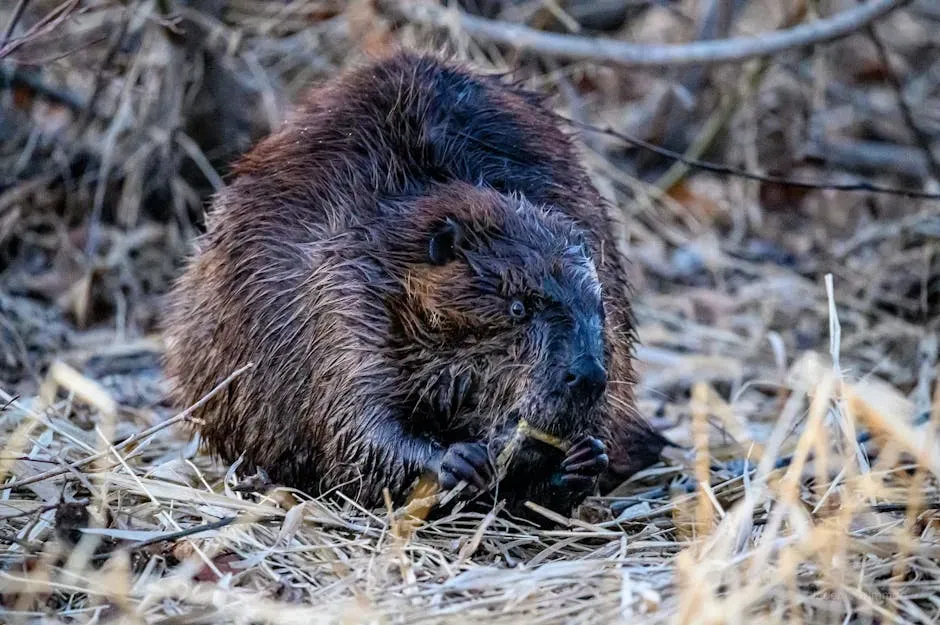
Beaver-created wetlands provide vital freshwater habitats for diverse species, including fish, amphibians, greater sage grouse in the western United States, and trout. The ripple effects move well beyond the water’s edge. Once a beaver pond is established, it becomes a hub for life at nearly every trophic level.
Longer dams were correlated with larger ponds, which in turn could increase ecosystem benefits like cooler local air temperatures and more fish habitat. Cooler, slower water is exactly what many cold-water fish species need to survive warming summers.
Beaver-managed floodplains are biodiversity hotspots because beaver ponds and wetlands serve as sinks for carbon, processing centers for nitrogen and phosphorus, reservoirs for the storage and cooling of water, and mitigation sites for both drought and flooding. The sheer breadth of that ecological role is what makes beavers so difficult to replace with any single engineered solution.
Translocation Programs Are Putting Beavers Back Where They Belong
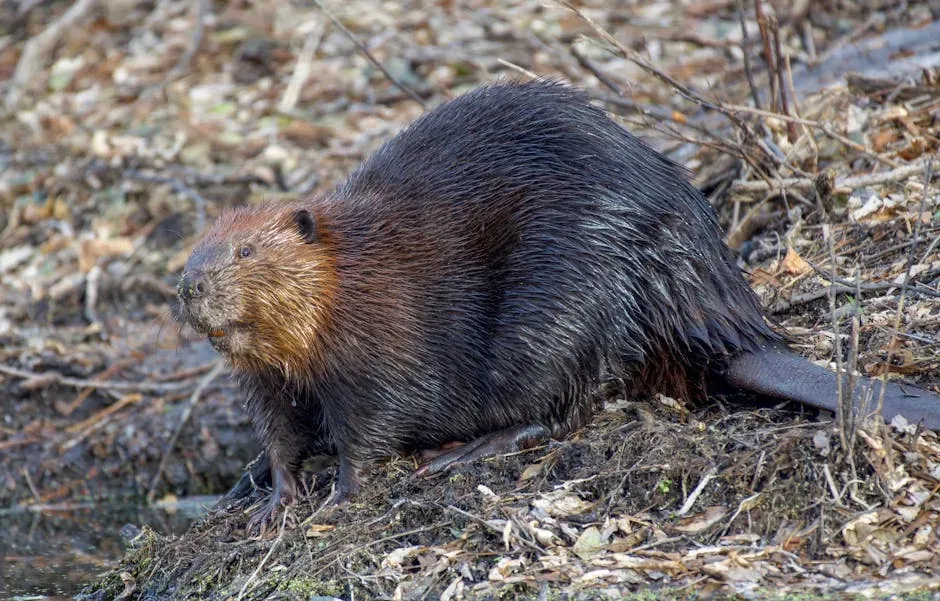
Beaver translocation programs are already underway in Idaho and Wyoming, where relocated beavers are successfully rebuilding stream systems and improving water storage and quality. These programs represent a shift from viewing beavers as a nuisance to treating them as a restoration asset worth investing in.
The Wenatchee Beaver Project has successfully relocated 42 beavers to public land along the upper Wenatchee River. Through this project, Trout Unlimited strives to enhance cold-water fish habitat, and by using beavers as “restoration contractors,” that goal can be achieved in unique ways.
After the Las Conchas Fire removed vegetation and created water-repelling soils that caused destructive flash floods, beaver dams helped fundamentally change how water moved through the canyon. Instead of rapid runoff and channel entrenchment, the beaver dams slowed water flow and allowed groundwater to saturate the surrounding soils. As a result, the ecosystem became better at retaining water both during flash floods and drought periods. That result, at Bandelier National Monument in New Mexico, came after traditional restoration methods had fallen short.
Beaver Dam Analogs Extend the Reach of Restoration
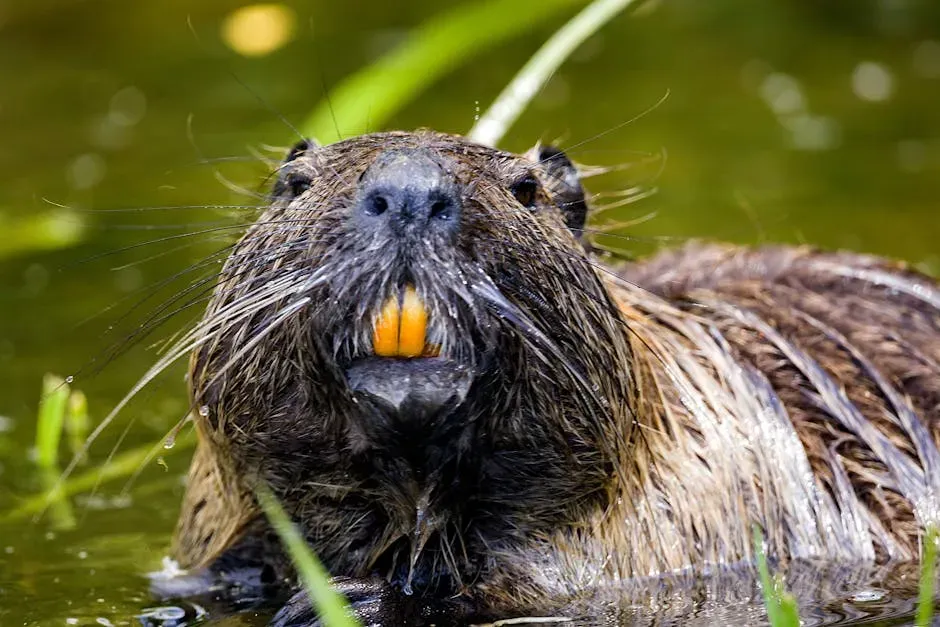
Beaver activity is so effective at restoring degraded waterways that building imitation beaver dams has become a successful conservation tool. When landscapes are too depleted to immediately support a living beaver population, these human-built structures can start the recovery process while conditions improve.
Much like real beaver dams, the analogs obstruct water and disperse the flow across a wider area. Water pools above and below the dams, and upstream surface height increases. Sediment accumulates behind the obstructions, sometimes transforming an upstream pool into a wetland and eventually a meadow.
By mimicking beaver activity, beaver dam analogs help streams return to their historical flow patterns. They also have the added benefit of inspiring more beavers to inhabit the area by improving the habitat. In other words, they’re not a replacement for beavers. They’re an invitation for them to return.
Their Work Captures Carbon and Supports Climate Goals
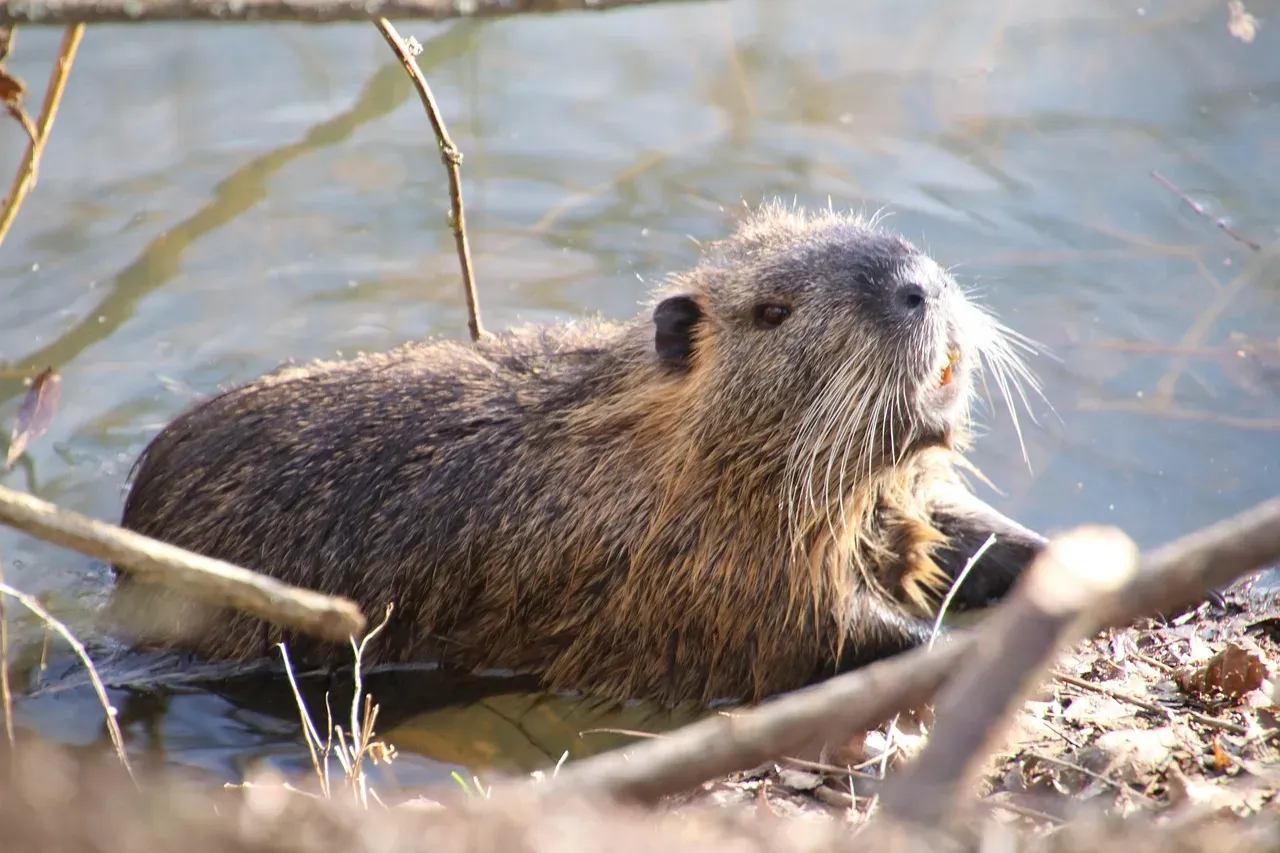
The sediments in beaver ponds and the vegetation in beaver meadows both help pull and store carbon from the atmosphere. Some research suggests that beaver-induced peat formation also helps with sequestration by keeping the carbon absorbed by these plants within peat soils as they decay.
Some research suggests that beaver landscapes may sequester up to 470,000 tons of carbon annually, and it has been estimated that the ecosystem services beavers provide in the US are worth hundreds of millions of dollars. One study estimates that beavers save the US around $133 million in habitat and biodiversity protection and approximately $75 million in greenhouse gas sequestration. Those aren’t small numbers for an animal that works for free.
New research shows that beaver ecosystems can sequester significantly more carbon than similar waterways without beaver activity. As land managers increasingly look for nature-based solutions to climate challenges, the economic and ecological case for beaver restoration continues to grow more compelling with each passing study.
Conclusion
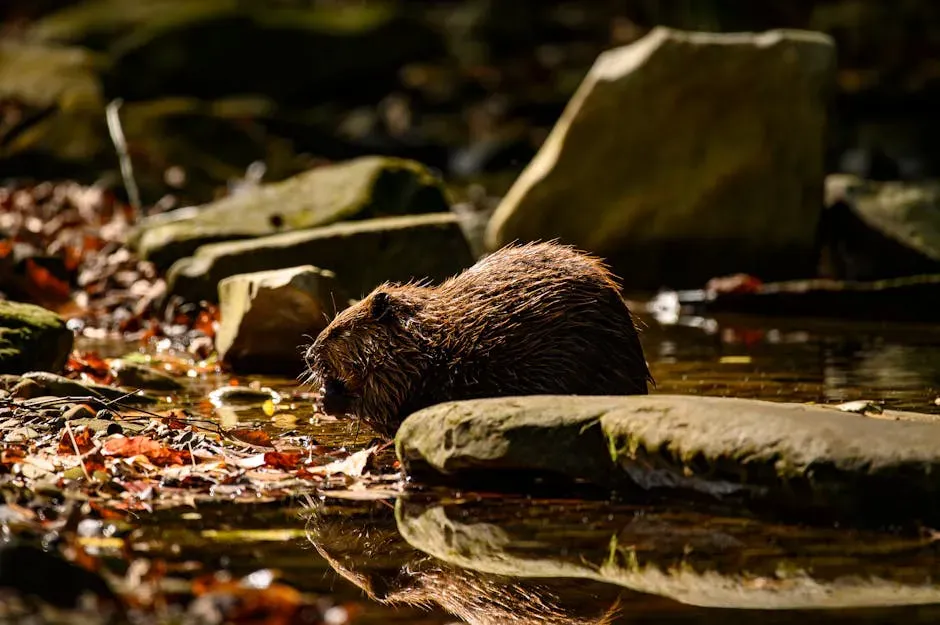
What makes the beaver story so striking is how much was lost before anyone fully understood what they were losing. Centuries of grazing, vegetation removal, and beaver trapping contributed to erosion and the loss of wetlands that once held moisture on the landscape. Reversing that takes time, coordination, and a willingness to let nature lead.
Low-tech process-based restoration strategies have been surging in popularity among the river restoration and beaver restoration communities. From Washington state to New Mexico, from Wisconsin wetlands to the Sierra Nevada, the momentum is real and measurable. Beaver reintroduction projects, translocation programs, and dam analog installations are collectively rewriting what degraded watersheds can become.
There’s a practical wisdom in letting an animal that spent millions of years shaping North American waterways do what it does best. Not every stretch of land is the right fit, and careful planning matters. Still, few restoration tools offer the combination of scale, self-maintenance, and ecological depth that a thriving beaver colony brings. The land remembers what it looked like with them. Given the chance, it gets back there on its own.
Worried about unexpected vet bills?
Pet insurance can cover thousands in unexpected vet costs. Get a free quote from Lemonade in under 2 minutes.
Get My Free Quote →Sponsored · Opens Lemonade.com

- How Muskrat Behavior Can Indicate Climate Change in The Carolinas - June 6, 2026
- What Ancient Animal Symbolizes Prosperity for Your Zodiac Sign? - June 6, 2026
- The US States With the Most Elk - June 6, 2026