
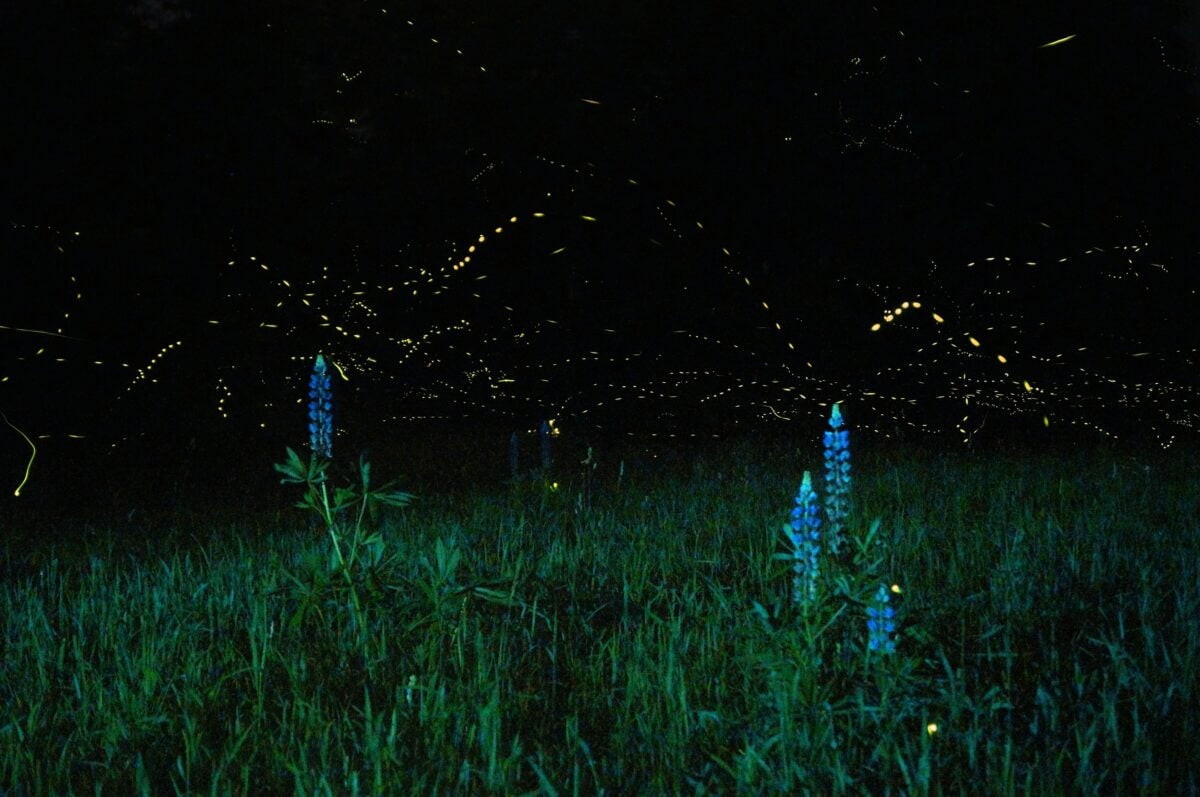
On warm summer nights, that slow, magical blinking of lightning bugs can feel like nature’s own fairy lights. So when the show suddenly stops, it’s a little unsettling. You step outside, listen to the same crickets, feel the same humidity, but the tiny floating sparks are gone.
If you’ve walked into your yard at dusk and thought, “Where did all the fireflies go?”, you’re not imagining it. In many places, their numbers really are dropping. Scientists are still piecing together the full story, but several big culprits keep showing up again and again. Let’s walk through them, one by one, and see what might be happening right outside your door.
#1 Your Yard Is Too Perfectly Manicured
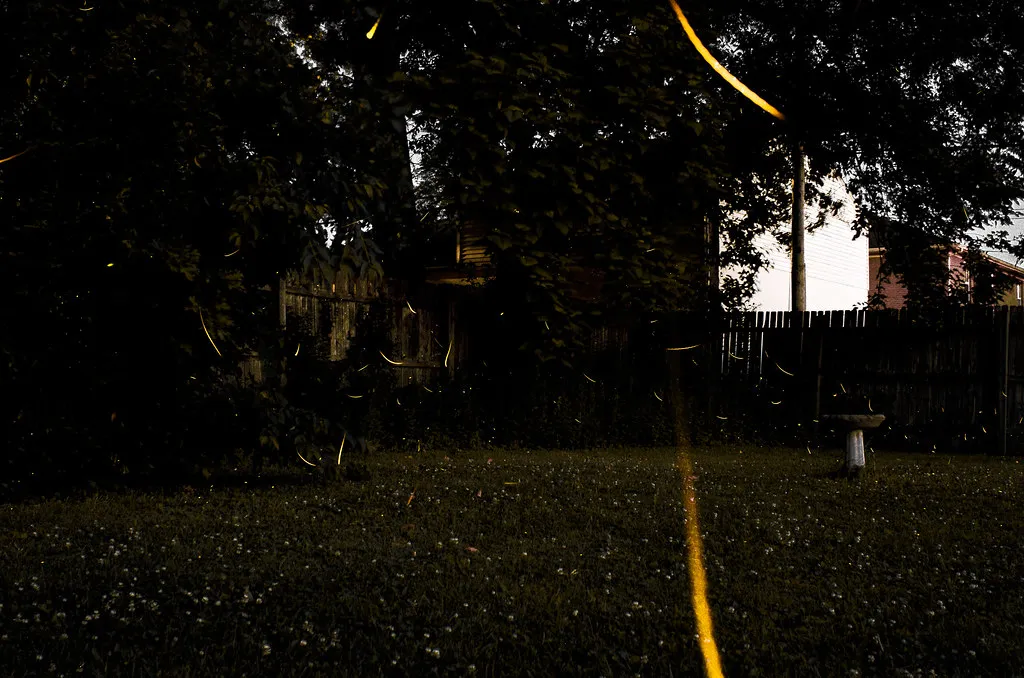
This may sting a little: that perfectly trimmed, golf-course-style lawn is basically a desert for lightning bugs. Firefly larvae spend months hidden in the soil and leaf litter, hunting soft-bodied prey like snails and worms. When every leaf is bagged up and every corner is mowed short, you strip away the damp, messy places their young need to survive.
Think of it this way: a kid who loves hide-and-seek will never choose a house with only bare walls and bright lights. Fireflies are the same. They thrive in slightly wild spaces with tall grasses, shrubs, and piles of leaves or wood. If your yard went from shaggy to show-home, you may have unintentionally evicted the whole firefly neighborhood along with the weeds.
#2 Nighttime Lights Are Overpowering Their Glow
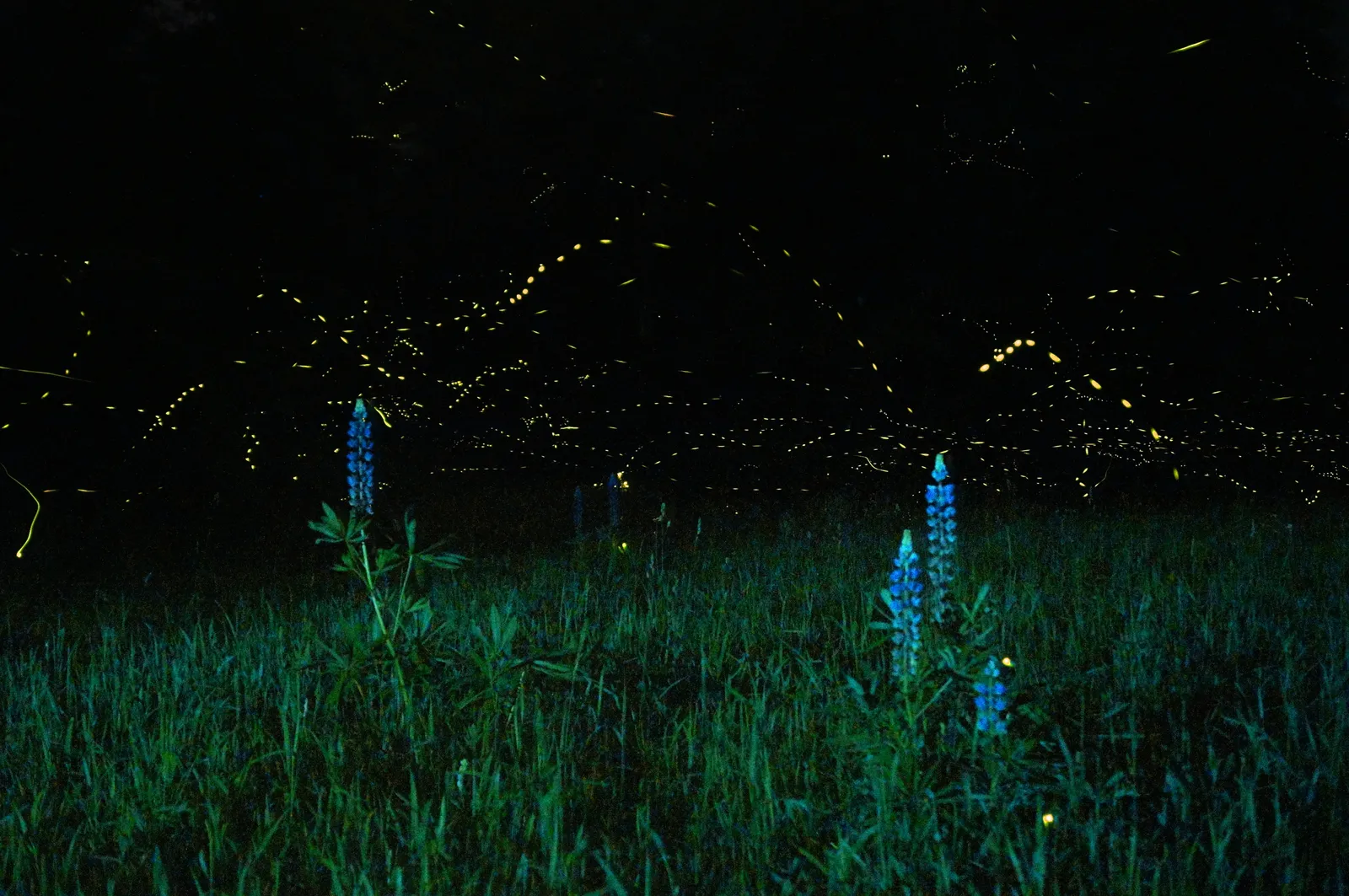
Fireflies are not just glowing for fun; they are literally using their light to flirt. Their blinking patterns are a kind of coded love letter, with each species having its own timing and style. When outdoor lights, floodlights, porch lamps, and yard string lights blaze all night, those subtle signals get drowned out, making it harder for males and females to find each other.
Imagine trying to have a quiet conversation in the middle of a dance club where the strobe lights never stop. Even if the fireflies are still around, they may be flashing in vain, outcompeted by the bright, constant glow of human lighting. Over time, fewer successful pairings can mean fewer eggs, fewer larvae, and, eventually, fewer sparkles in your backyard.
#3 Pesticides And Lawn Chemicals Are Hitting Them Hard
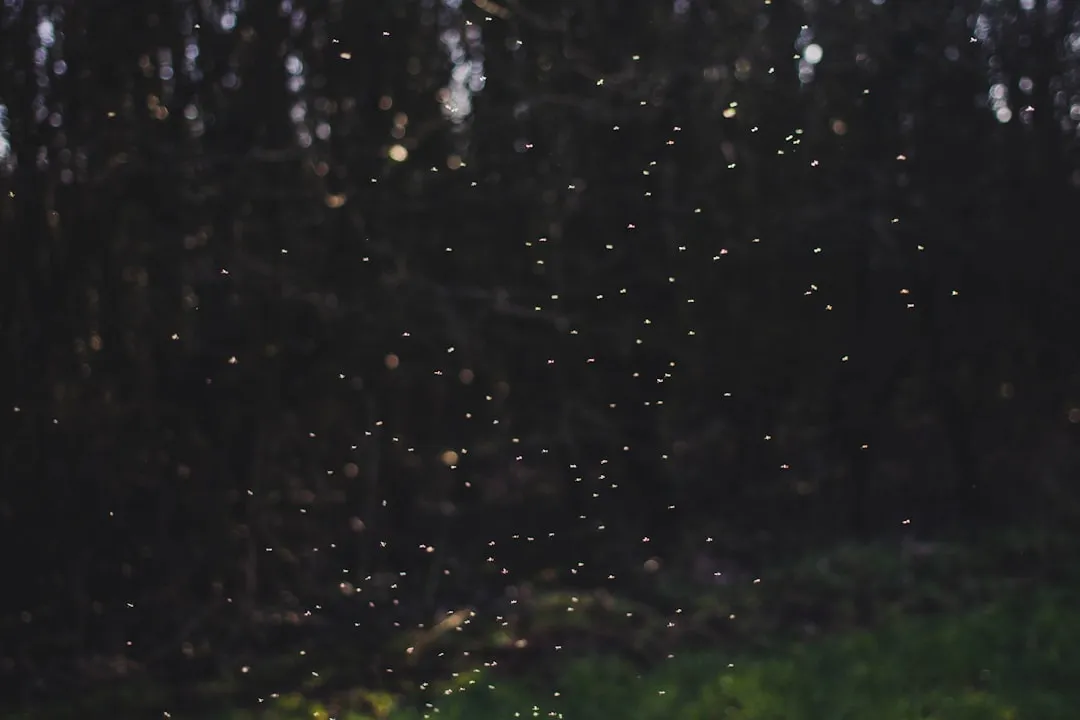
Many of the products marketed to keep lawns “healthy” and bug-free don’t distinguish between a mosquito you hate and a firefly larva quietly doing its thing underground. Broad-spectrum insecticides can kill a wide range of insects, including the beneficial and harmless ones. Even some weed-and-feed treatments and grub killers can indirectly wipe out the prey that firefly larvae depend on.
Because fireflies spend so much of their life cycle in or on the soil, they’re especially exposed to anything you put on your lawn. It’s like pouring chemicals into a nursery and hoping only the problem kids feel it. If your neighborhood recently embraced aggressive lawn treatments, that invisible wave of toxins may be one of the main reasons your backyard light show fizzled out.
#4 Their Habitat Has Quietly Disappeared
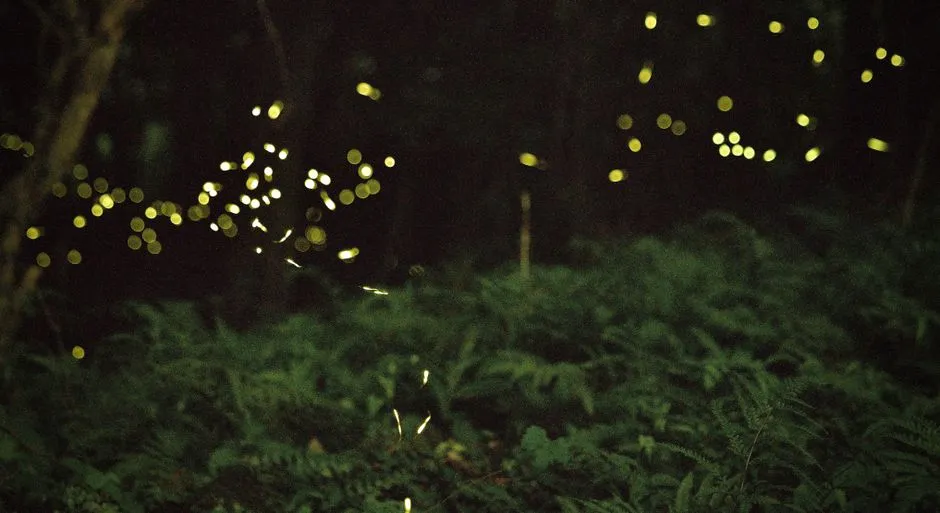
Fireflies are picky about where they live. They tend to like moist, undisturbed areas: the edges of forests, meadows, wetlands, and places with tall grasses and rich organic matter. When those spots get turned into parking lots, new housing developments, or stripped-down lawns, fireflies lose the sheltered, humid refuges that support all stages of their life.
This loss doesn’t have to be dramatic to matter. A small wooded lot behind your house being cleared, a drainage ditch being “cleaned up,” or a nearby field being mowed more frequently can all chip away at the connected habitat they rely on. From your patio, your yard might look the same, but to a firefly, the wider neighborhood has become a fragmented maze with far fewer safe places to live and breed.
#5 Changing Weather And Climate Stress Their Life Cycle
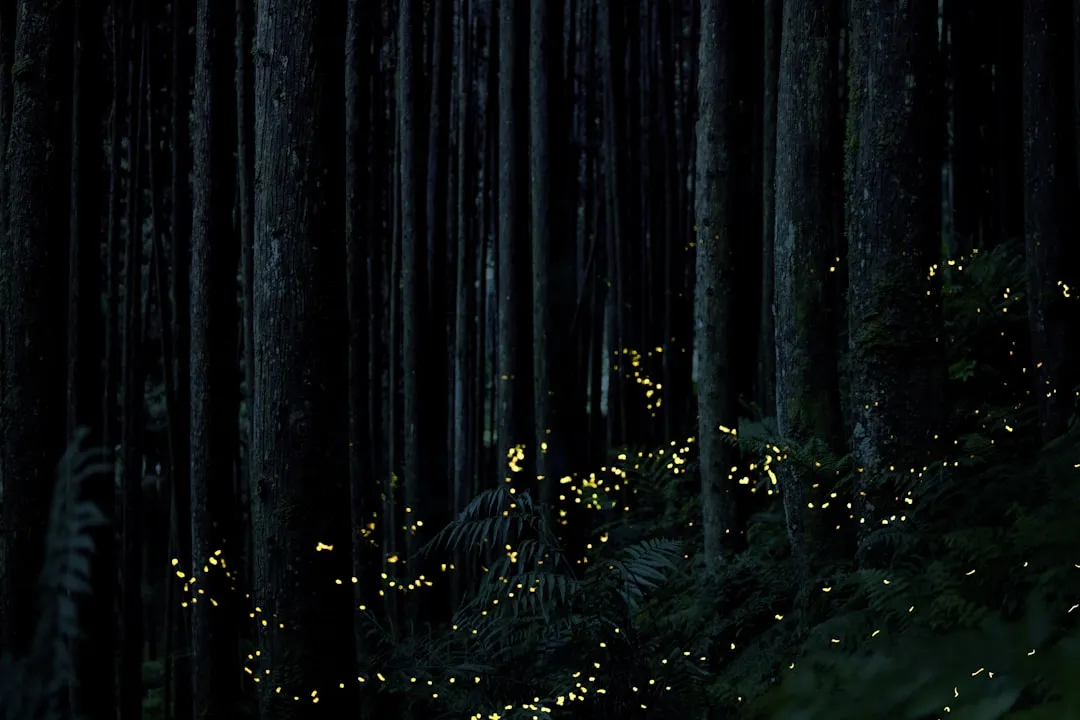
Fireflies are closely tied to seasonal rhythms: soil moisture, temperature, and the timing of rain all matter to their survival. Warmer winters, sudden cold snaps, heavy downpours, and extended droughts can all throw a wrench into their life cycle. Larvae may dry out in parched soil, be flooded out by intense storms, or emerge at times that no longer match their favorite prey or optimal mating conditions.
You might notice this as firefly season becoming shorter, starting at odd times, or varying wildly from year to year. It’s like trying to run a play when the lights keep flickering on and off at random. While some years may still bring a good show, the overall pattern of climate stress can gradually push populations down, especially when combined with other pressures like habitat loss and chemicals.
#6 Standing Water Is Gone – Or Now Full Of Pollutants
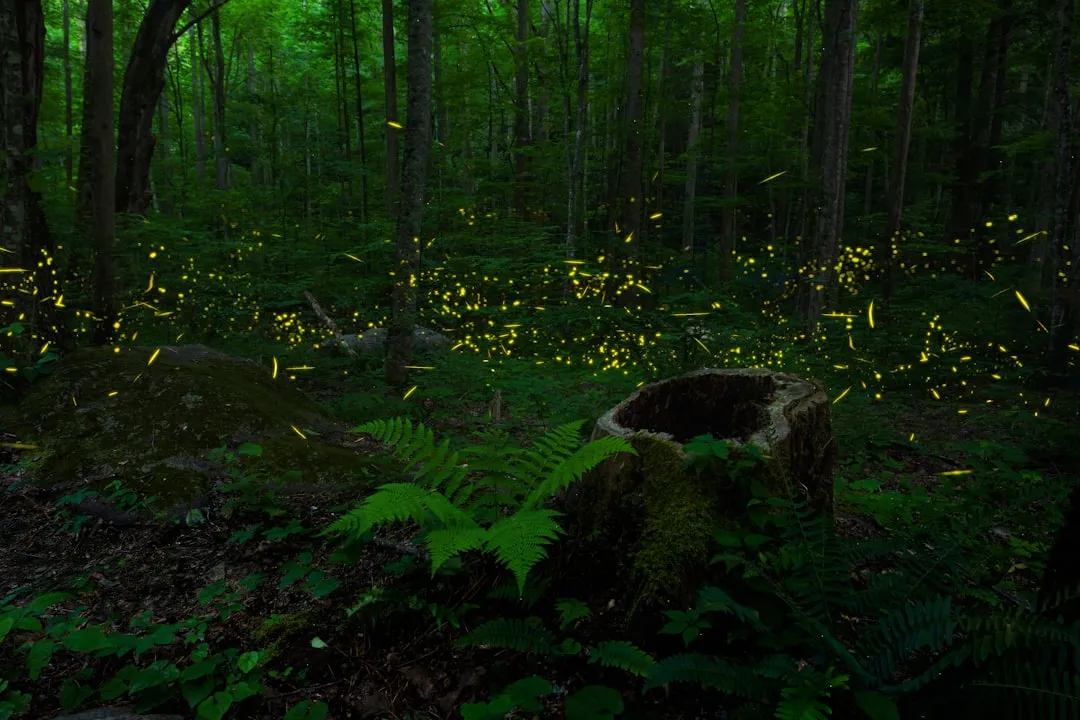
Many people associate fireflies with dry fields, but a lot of species are closely linked to damp ground, marshy edges, or shallow standing water. That soggy corner of the yard, the old ditch that stayed wet after rain, or the nearby pond may have been quietly propping up your local firefly population for years. When we drain, pave, or pipe away that water, we erase another piece of their support system.
On the flip side, if the remaining water sources are now polluted with runoff from roads, fertilizers, or other chemicals, they can become toxic for the small creatures firefly larvae feed on. Losing clean, damp microhabitats is like removing the pantry and the refrigerator from their home at the same time. The adults may still wander over your yard to flash, but there’s nowhere safe nearby for their offspring to thrive.
#7 They May Not Be Gone – Just Shifted Away From Your Yard
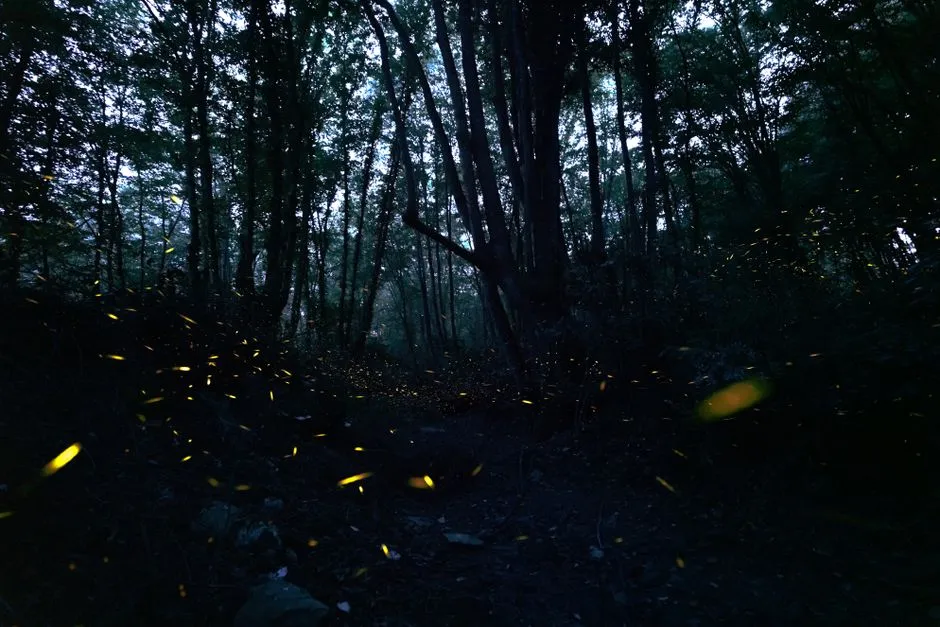
Here’s a twist: sometimes it’s not that lightning bugs have vanished from your region, but that they’ve simply moved to the last remaining spots that still suit them. A few houses down the street, where the yard is darker, wilder, and less treated, might now be their primary hangout. To you, the difference may look subtle, but for them, it can mean the line between survival and failure.
I’ve seen this myself walking a dog through a modern subdivision: one block with bright lights and perfect lawns has almost no fireflies, then suddenly a single, older lot with big trees, patchy grass, and fewer lights is glowing like a living Christmas tree. That contrast is a quiet verdict on how our choices shape who gets to share our nights. If your yard has edged toward the “clean and bright” side, the fireflies may have cast their vote with their wings.
Conclusion: Your Backyard Choices Matter More Than You Think
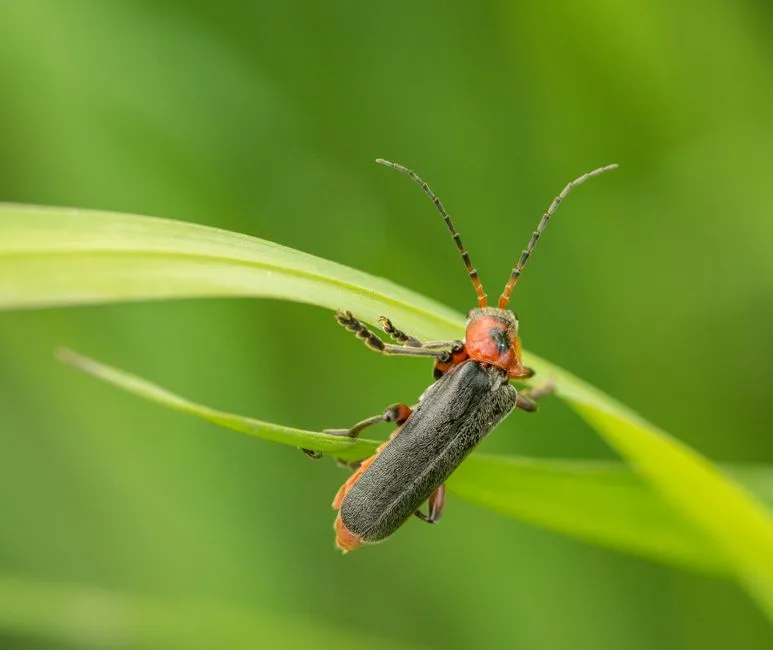
It’s tempting to shrug and assume lightning bugs are just another victim of some vague global problem far beyond your control. But when you zoom in, the story is much more personal. The way we light, mow, spray, and tidy our own little patches of earth can either invite fireflies back or gently push them out. In my opinion, we’ve underestimated how powerful those small, everyday choices really are.
The hopeful part is that this means you can do something, starting tonight: dim or shield outdoor lights, let a corner of the yard grow a bit wild, skip the broad pesticides, keep some leaf litter, protect damp spots. You might not see an instant explosion of tiny lanterns, but you’ll be nudging your backyard back toward what they need. And when that first lonely blink appears again in the dark, will you see it as just a bug, or as a quiet sign that your little piece of the world is healing?

- 7 Reasons Lightning Bugs May Have Disappeared From Your Backyard - August 23, 2026
- 10 Plants That Can Make a Small Urban Yard Feel Surprisingly Wild - August 23, 2026
- 8 Ways to Keep Deer Out of Your Garden Without Turning It Into a Fortress - August 23, 2026