
Worried about unexpected vet bills?
Pet insurance can cover thousands in unexpected vet costs. Get a free quote from Lemonade in under 2 minutes.
Get My Free Quote →Sponsored · Opens Lemonade.com
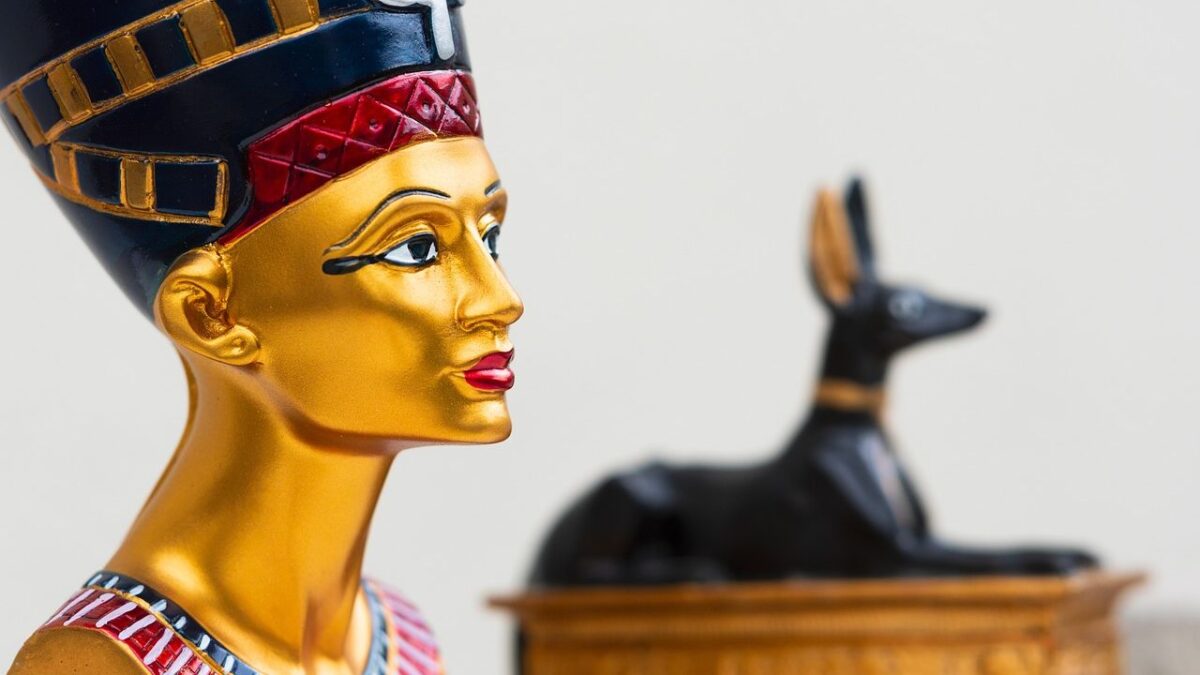
She’s one of the most beautiful and powerful women from the ancient world, her face immortalized in a painted limestone bust that has captivated millions. Yet for all we know about Queen Nefertiti’s life and influence, her final resting place remains one of archaeology’s greatest unsolved mysteries. The search for her tomb has consumed decades of research, sparked fierce debates among scholars, and led to some stunning technological discoveries that could change everything we thought we knew about Egypt’s 18th dynasty.
What makes this quest so fascinating isn’t just the promise of finding a royal burial, though that alone would be extraordinary. It’s the possibility that we’ve been walking past her tomb for nearly a century without realizing it. Let’s dive into the remarkable facts that make one of the most compelling archaeological puzzles of our time.
Hidden Chambers May Exist Behind King Tut’s Tomb Walls
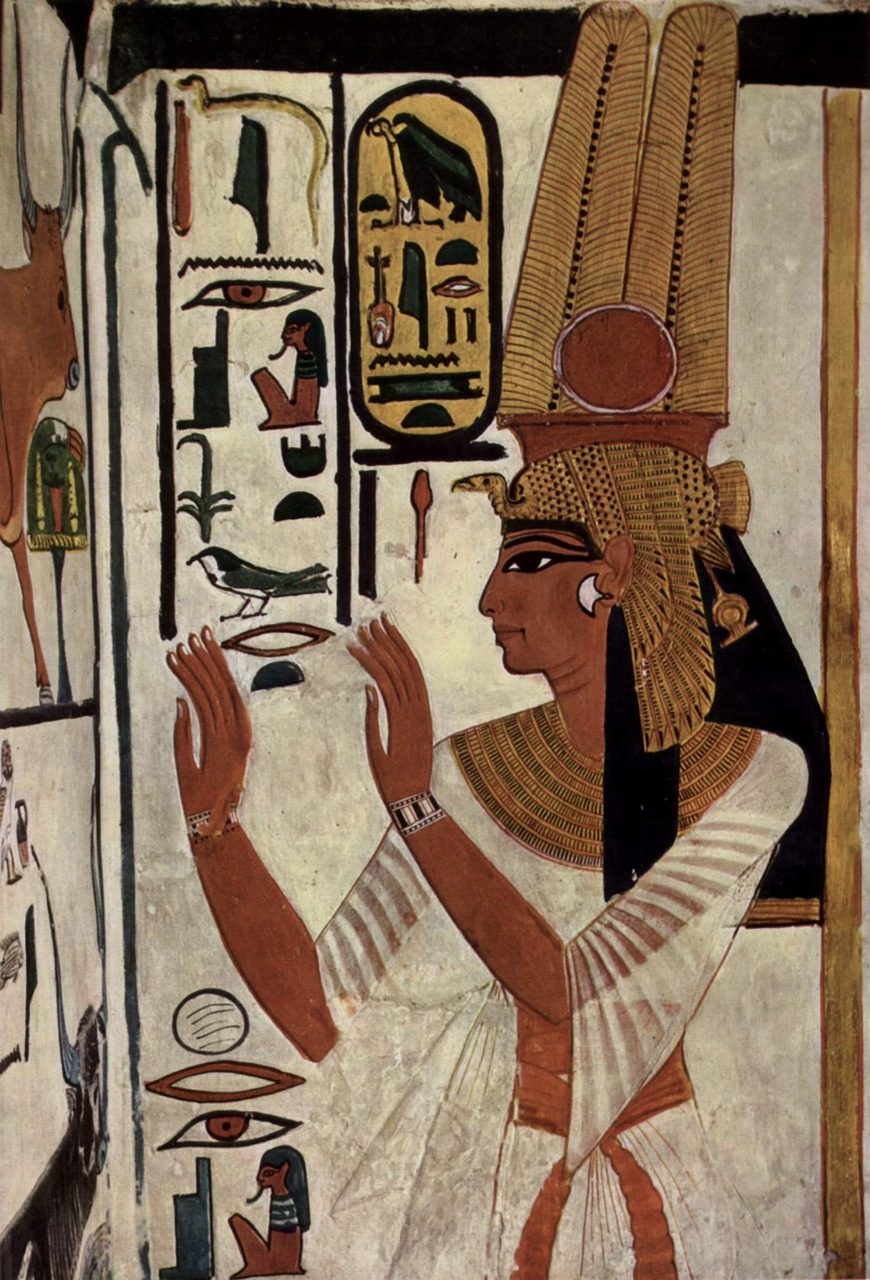
In 2015, archaeologist Nicholas Reeves published a theory based on high-resolution scans, claiming there were two rooms hidden behind the northern and western walls inside the burial vault of Tutankhamun. Think about that for a moment. Howard Carter’s discovery of King Tut’s tomb in 1922 was called the find of the century, yet we might have only seen the entrance hall of something far more significant.
When Reeves examined high-resolution images closely, he detected straight lines beneath the plaster and paint on the west and north walls that indicated hidden doorways and a hidden blocking wall. The tomb was smaller than that of other Egyptian pharaohs and oriented to the right of the entrance, a layout typical of Egyptian queens, not kings. This architectural oddity has puzzled experts for decades.
Ground-Penetrating Radar Detected a Mysterious Space
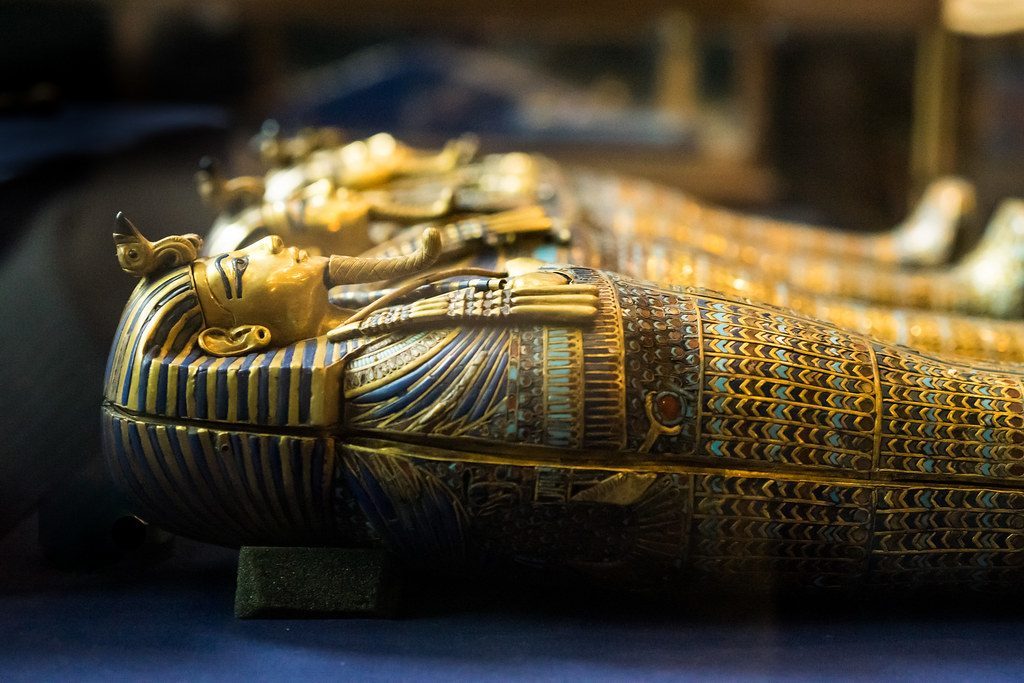
British archaeologist Nicholas Reeves announced in 2015 that high-resolution surface scans had found hidden doors in King Tut’s tomb, potentially leading to Nefertiti, and archaeologists under former Egyptian minister of antiquities 2020 ground-penetrating radar scans suggested a possible hidden space. The technological evidence kept mounting, despite skepticism from some quarters.
According to the team, these scans revealed the presence of a previously unidentified space close to the burial chamber, measuring around 7 feet high and 33 feet long. That’s not a small storage closet. That’s a chamber large enough to hold a royal burial with all its treasures and ritual objects, exactly the kind of space you’d expect for someone of Nefertiti’s stature.
Evidence Suggests Tutankhamun’s Tomb Was Originally Built for Someone Else
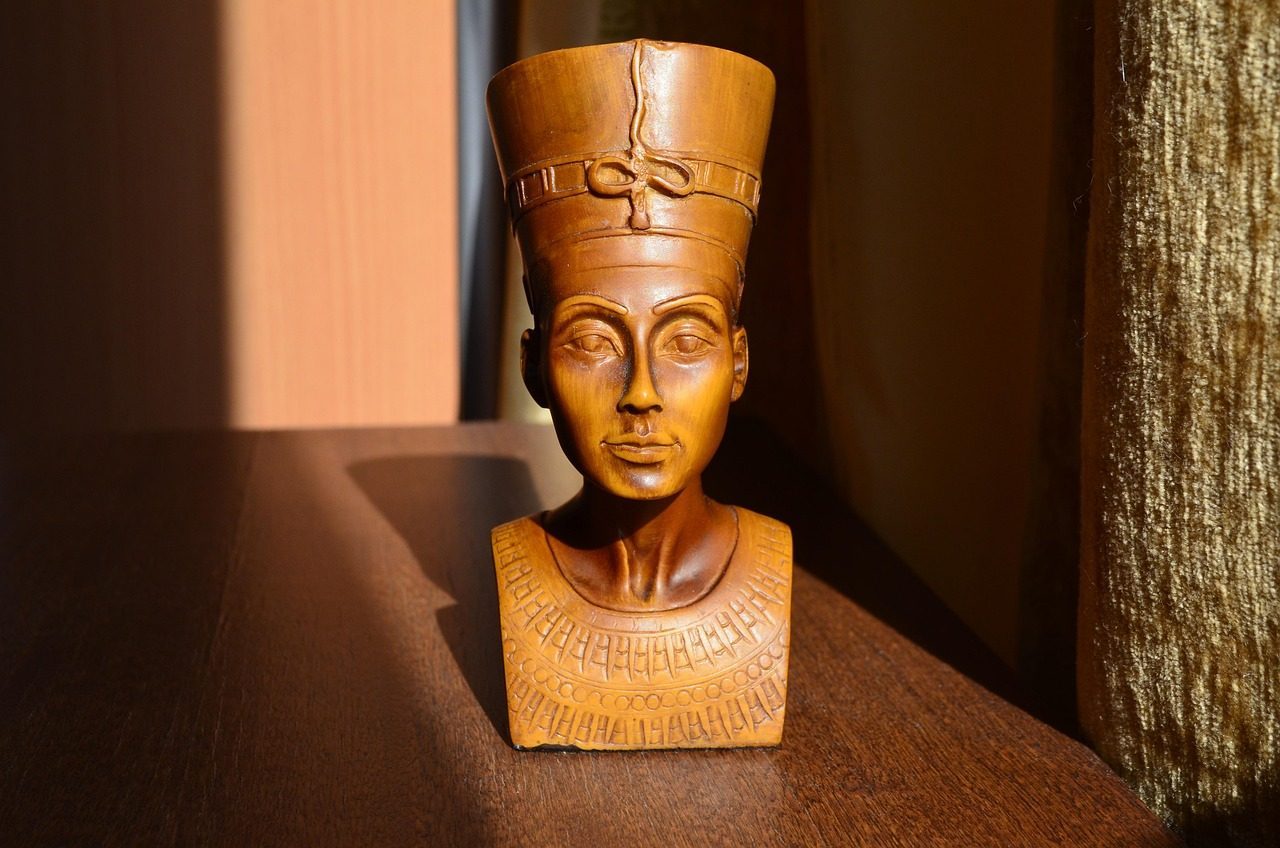
Here’s where things get really interesting. The evidence revolves around signs that Tutankhamun’s tomb is actually a re-used tomb, altered to fit Tutankhamun from what was first intended for his queen stepmother, Nefertiti. The burial chamber appeared to have been built and decorated in stages, and most of the more than 5,000 artifacts found inside seemed to have been hastily placed and intended for earlier royals.
The nested shrines reveal a suppressed feminine glyph modified to a male grammatical form on the cartouches. Ancient Egyptians weren’t careless with their hieroglyphics, especially when it came to royal burials. These alterations suggest a rushed job, perhaps because the young king died unexpectedly and they needed a tomb quickly. The most convenient solution? Repurpose an existing one.
Multiple Mummies Have Been Proposed as Nefertiti
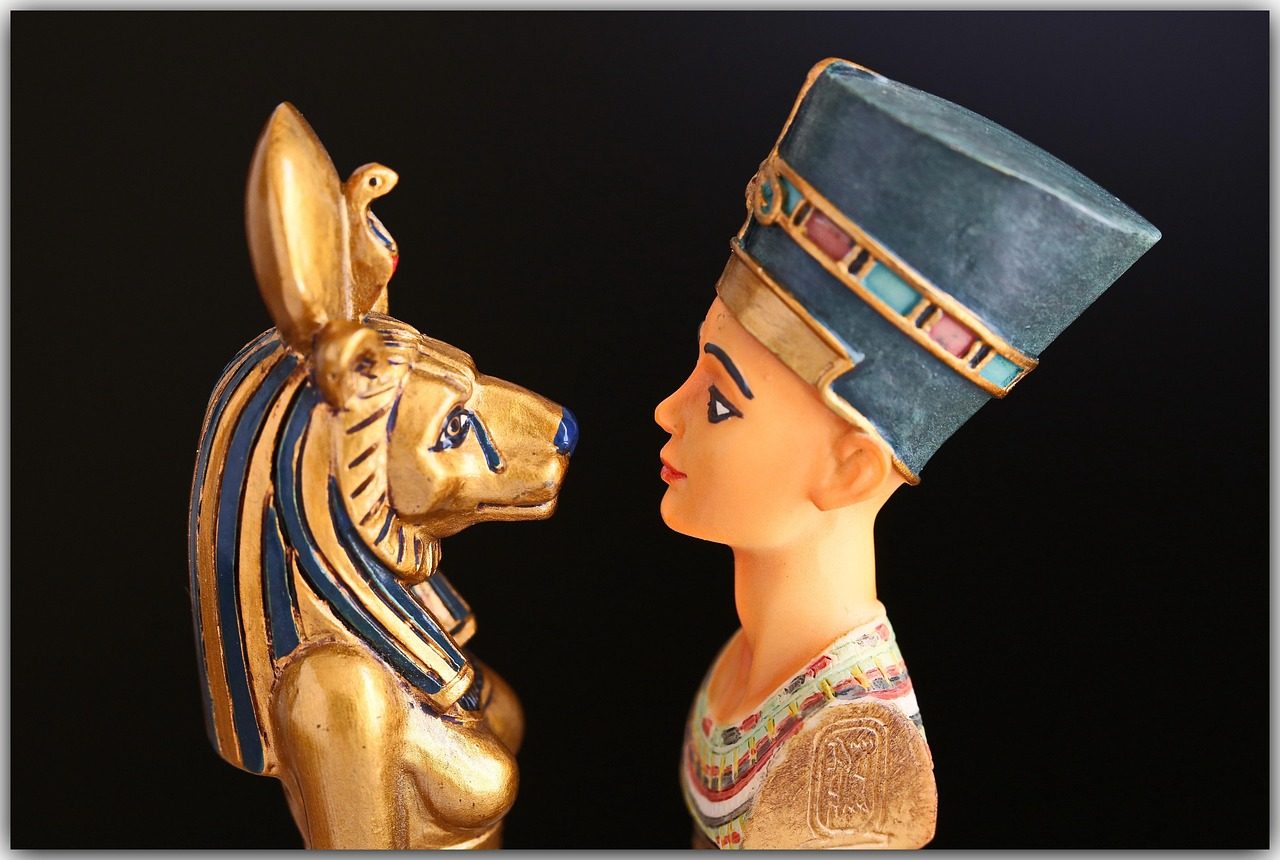
Hawass currently leads excavations in the Valley of the Kings in Luxor, which contains two mummies designated KV21A and KV21B, in one tomb at the eastern end of the valley. Egyptian archaeologist Zahi Hawass continues to lead searches for undiscovered royal tombs. The anticipation continues to build among researchers and the public alike.
In 2003, British Egyptologist Joann Fletcher announced that the mummy nicknamed the Younger Lady (KV35), was the mummy of Queen Nefertiti, based in part on a wig found near the mummy and the discovery that one ear was double-pierced, a rare practice also attributed to Nefertiti. However, many Egyptologists found this evidence unconvincing, and the debate rages on about whether Nefertiti has already been discovered or still lies hidden.
The Discovery Could Be the Biggest Archaeological Find Ever
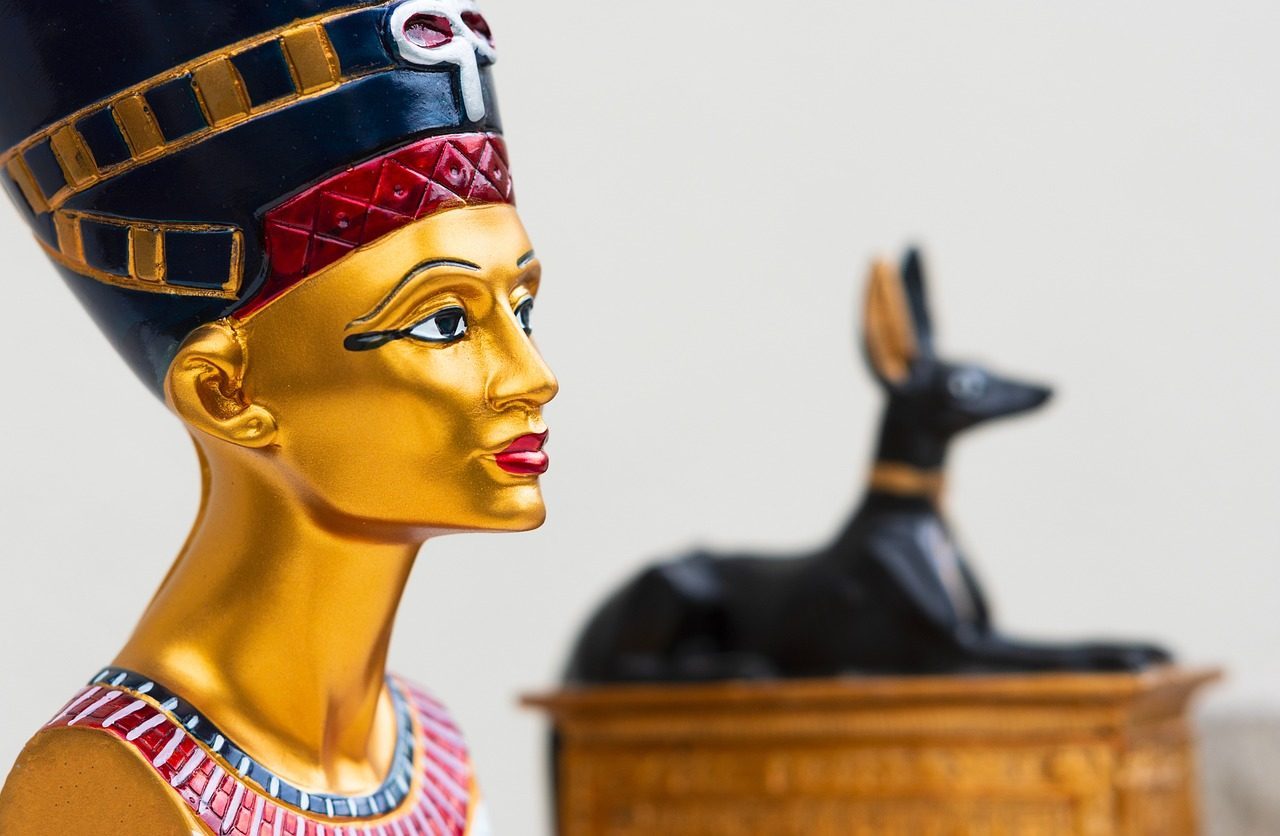
Let’s be real, that’s quite a statement considering everything we’ve already unearthed from ancient Egypt. Yet some Egyptologists argue that if Nefertiti was buried as a pharaoh, it could be the biggest archaeological discovery ever. Why such grandiose claims? Because Nefertiti wasn’t just any queen.
Many scholars believe Nefertiti wasn’t a queen but a co-regent, and carvings portray her smiting Egypt’s enemies. Some believe Nefertiti ruled Egypt for three years after Akhenaten’s death under the name of Smenkhkare. If her tomb is found intact, it would not only rival King Tut’s treasures but potentially rewrite our understanding of Egyptian royal succession and female power in the ancient world.
Technology Has Both Confirmed and Contradicted the Theory
This is where the frustration sets in for researchers and enthusiasts alike. Multiple scanning technologies were employed, with some finding no voids while extensive high-tech surveys led by different teams reached conflicting conclusions. Science should give us clear answers, right? Well, when you’re scanning through layers of ancient rock and plaster, it’s not always that straightforward.
Data collected in Tut’s tomb is consistent with Reeves’ theories, and a survey of the ancient building found evidence indicating the existence of two previously undiscovered rooms. Yet National Geographic team’s radar scans found no hidden chambers in Tutankhamun’s tomb, with sources confirming the scans did not find evidence for a hidden chamber or any sign of Queen Nefertiti’s tomb. Different technologies, different teams, different results. The mystery deepens rather than resolves.
Political and Practical Obstacles Block Further Investigation
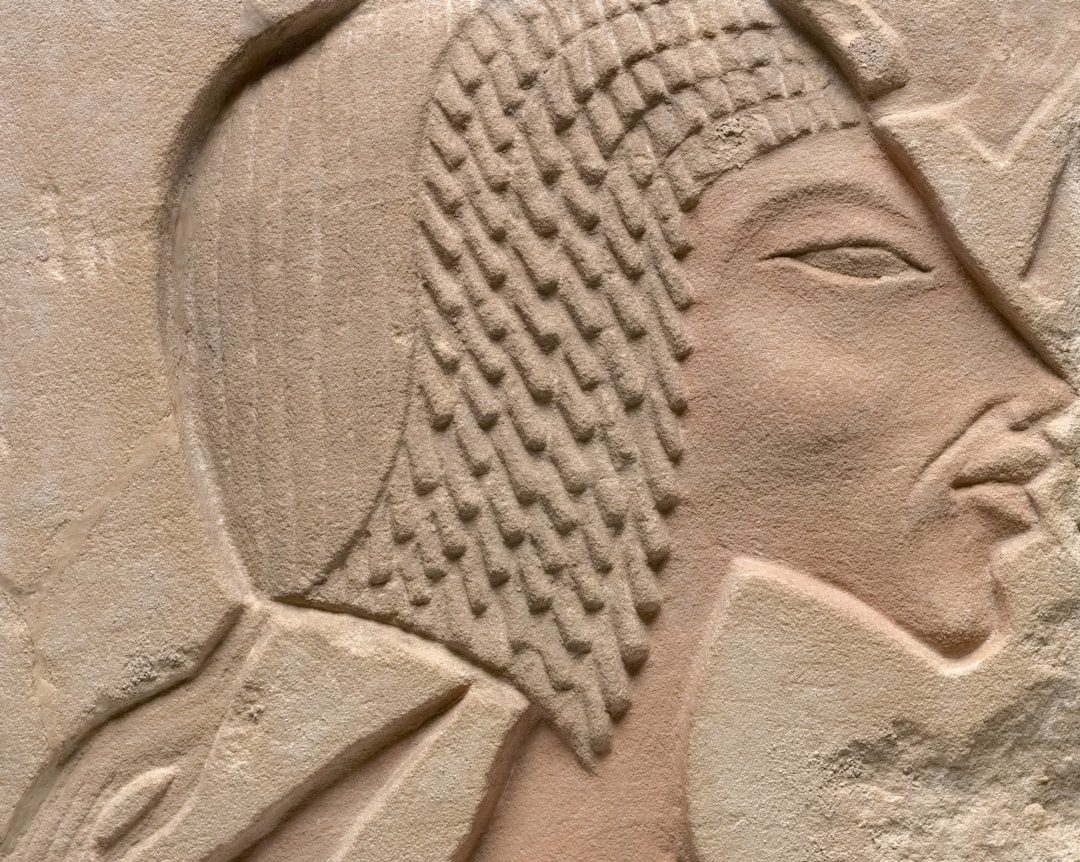
When asked if there were plans to do more scans or drill a small exploratory hole in the wall where the doorway should be, Nicholas Reeves humbly replied he’s just a desktop guy presenting evidence, and it’s up to the Egyptian Ministry to decide if they’d like to explore further. There’s the rub. This isn’t just about science anymore.
Drilling a hole to see what is behind, however small, may cause a crack in the wall and cause severe damage over time, so it’s best to wait and see if scanning technology improves and we can have more proof. Archaeologists and Egyptian authorities face the difficult question of how to gain access without damaging one of the most famous tombs of the ancient world. It’s a legitimate concern, preserving these treasures for future generations while satisfying our burning curiosity today.
Conclusion
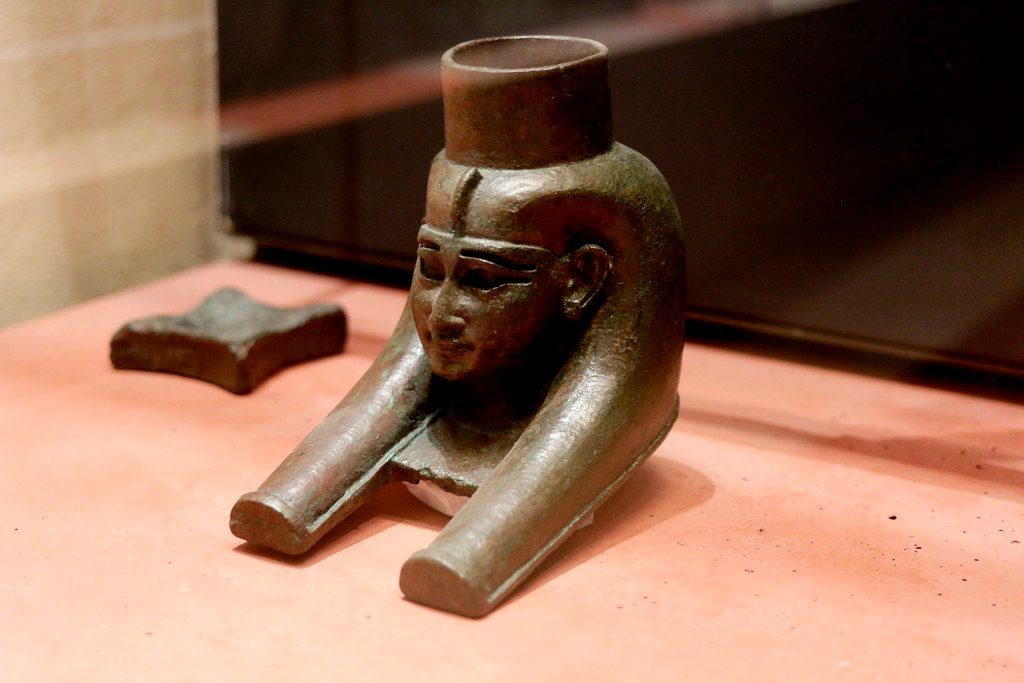
The site of Nefertiti’s tomb is one of the longest-running archaeological mysteries that has left experts puzzled for decades. What makes this search so captivating is how it combines cutting-edge technology with ancient mysteries, political considerations with scientific curiosity, and the possibility that one of history’s most powerful women might be resting just behind a wall we’ve photographed millions of times.
Whether Nefertiti lies hidden in a secret chamber behind Tutankhamun’s tomb, rests among unnamed mummies already discovered, or awaits discovery in some entirely different location remains unknown. Perhaps that’s what keeps us coming back to this story, the tantalizing possibility that the next scan, the next excavation, or the next technological breakthrough will finally reveal where the beautiful woman who came ultimately went. What do you think, should they drill that exploratory hole or wait for better technology?
Worried about unexpected vet bills?
Pet insurance can cover thousands in unexpected vet costs. Get a free quote from Lemonade in under 2 minutes.
Get My Free Quote →Sponsored · Opens Lemonade.com

- How Muskrat Behavior Can Indicate Climate Change in The Carolinas - June 6, 2026
- What Ancient Animal Symbolizes Prosperity for Your Zodiac Sign? - June 6, 2026
- The US States With the Most Elk - June 6, 2026