
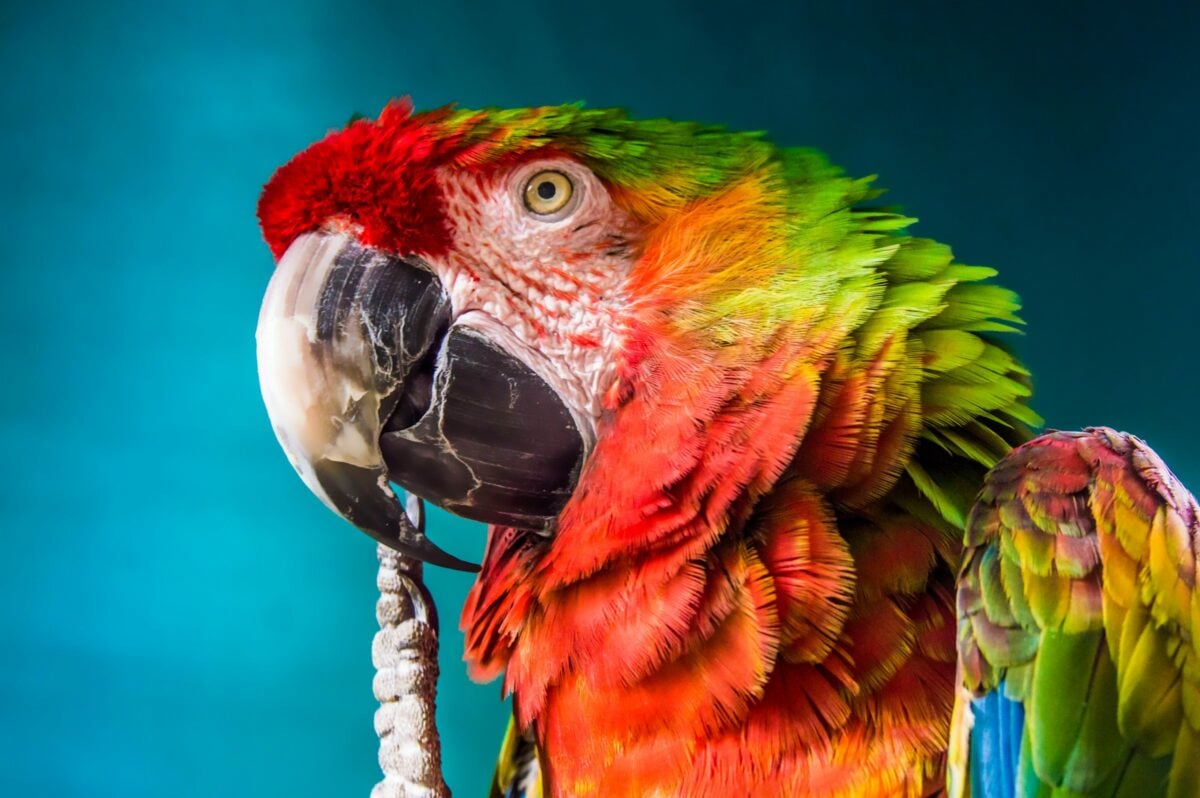
Most people think of parrots as feathered recording devices: bright colors, funny voices, lots of noise, not much going on upstairs. But the more scientists look, the more that stereotype falls apart. When parrots start getting math questions right that they have never simply memorized, you have to ask: are they just repeating sounds, or actually thinking?
Animal cognition research over the last few decades has revealed something quietly astonishing: some parrots do not just parrot numbers, they appear to grasp what those numbers mean. They can compare quantities, choose “more” or “fewer,” and even flex that understanding across different kinds of objects. That is a very different story from a bird simply copying a word it heard a thousand times.
Why “Just Mimicry” No Longer Fits What Parrots Can Do
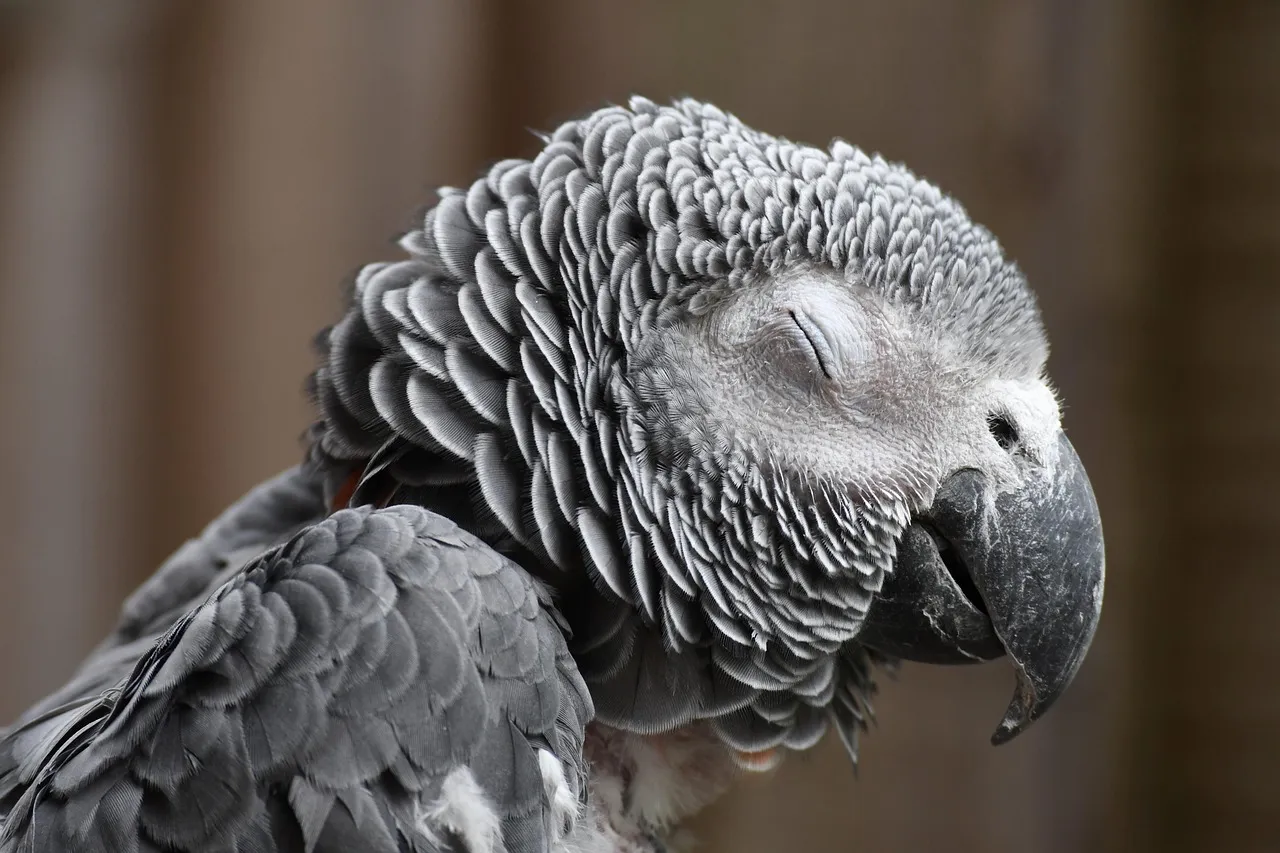
It is tempting to explain every talking parrot as pure imitation: the bird hears a sound, gets a treat for copying it, and that is where the story ends. That explanation works for a lot of simple tricks, like saying a catchphrase at a certain time of day or repeating a swear word a visitor laughs at. But when you dive into experiments where the correct word changes based on the situation, the “just mimicry” story starts to wobble.
Researchers have given parrots tasks where the bird has to choose the right label for a quantity that varies from trial to trial. The human experimenter does not say the answer; in fact, sometimes the person does not even know the correct answer yet. Still, well-trained parrots can pick out which set has more items, which has fewer, or how many items are present, across new combinations they have never seen before. That is not parroting back a script; that looks a lot like understanding.
Quantity, Not Just Words: What Experiments Actually Show
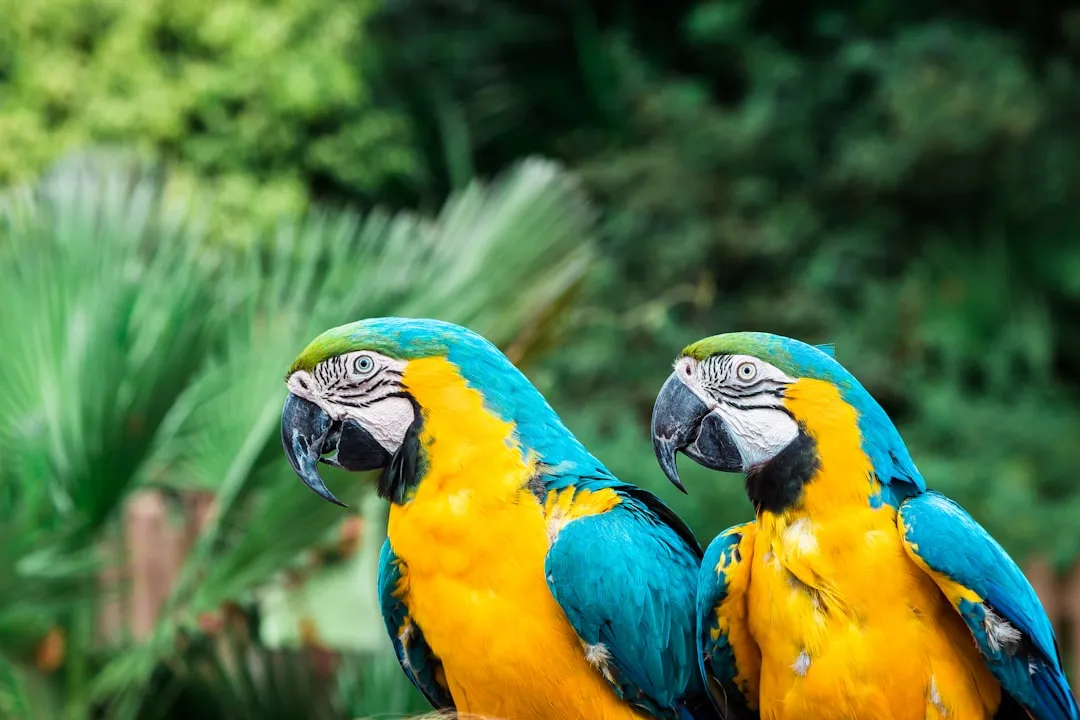
In controlled studies, parrots have been taught number labels like “two” or “four,” then tested on new sets of objects. The shape, color, and arrangement of the items are switched up precisely to rule out simple pattern matching. When a bird can still match “four” to four items of a kind it has not seen in that combination, it suggests it is tracking the count itself, not memorizing a picture. Think of it like someone understanding the idea of “four” whether you show them four apples, four cups, or four buttons.
Some parrots have also been tested on relative quantity, answering questions such as which group is “bigger” or has “more” when the options are subtle, like five versus six items. When the bird gets these right at a rate far above chance, and across many different trials, it starts to look like a real mental sense of “more than” and “less than.” You do not have to call that human-style mathematics, but it is hard to deny it is something beyond mere echoing.
From Tokens to Treats: How Parrots Use Numbers in Flexible Ways
One of the most telling signs of understanding is flexibility: using the same concept in different settings. Parrots have been trained to associate plastic tokens with rewards, then asked to choose between different numbers of tokens. When they consistently go for the option that yields the bigger payoff, even when the physical appearance of the tokens changes, they are treating number as a kind of currency. That is a striking leap from the simple “say this word, get a nut” loop.
In some setups, parrots have even had to respond to questions about how many items are not present or which of two arrays has the smaller number. That flips the usual reward pattern on its head, so mere repetition would lead to failure. Their success suggests they are not just memorizing “big pile equals this sound” but holding a sense of quantity in mind and adjusting their answer to the rules of the task. That kind of mental flexibility is what you expect from a thinking mind, not a talking toy.
How Parrot Brains Make Room for Numerical Thinking
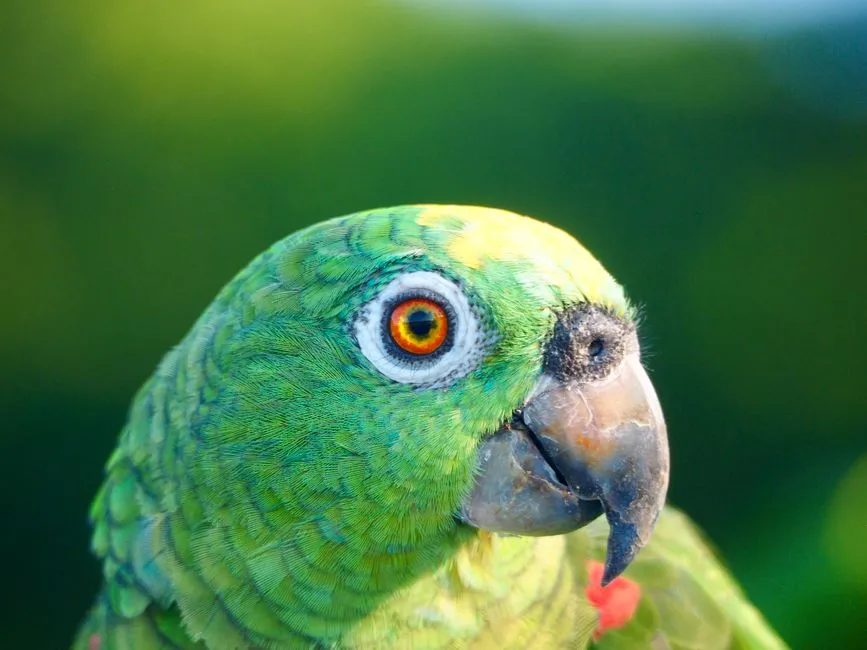
It can feel almost unfair: parrots have brains the size of a walnut, yet they can sometimes outperform small children on specific quantity tasks. The secret is not that parrots have miniature human brains, but that evolution has built them a different kind of circuitry that still supports complex cognition. Certain regions in bird brains act as hubs for integrating sensory information, controlling actions, and likely handling the kind of symbolic processing numbers require.
What makes it even more fascinating is that bird brains evolved these capacities independently of mammals. That means numerical understanding seems to emerge whenever a brain faces similar pressures: navigating complex environments, remembering where food is, maintaining social relationships. If a parrot can track how many seeds are left or how many flock mates are nearby, it is not a stretch that the same machinery can be trained to map onto human number words. The hardware was already there; we just gave it new software.
Comparing Parrots to Children: Where Do They Line Up?
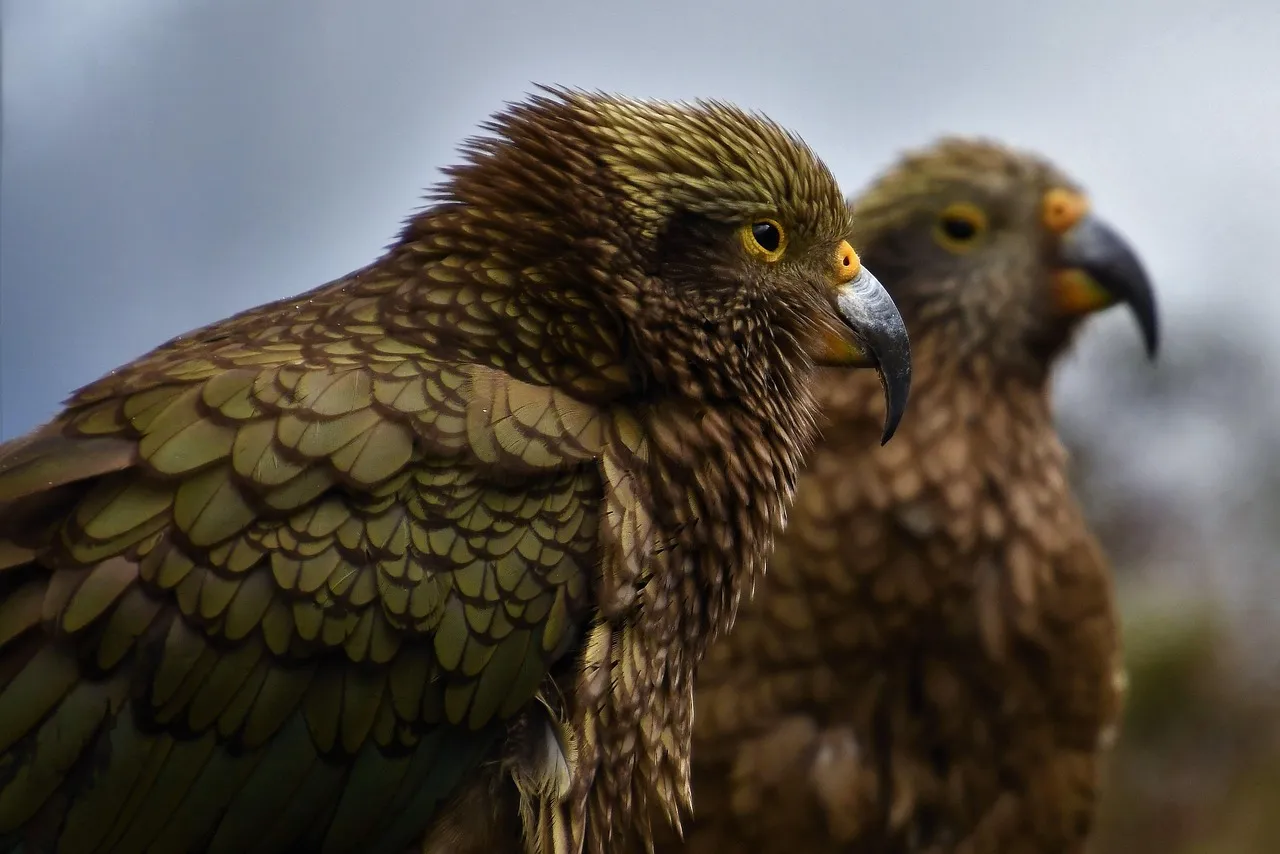
Developmental psychologists have spent years measuring how young children understand quantity, so it is natural to ask how parrots compare. In many lab tasks, parrots perform at a level similar to a human toddler who is just starting to grasp counting and number words. They can subitize small numbers – instantly recognize “two” or “three” without counting – and they can often compare which pile has more in relatively simple setups.
But parrots also hit limits that mirror early childhood stages. Larger numbers, complex calculations, or abstract arithmetic remain out of reach based on current evidence. That does not diminish their abilities; if anything, it highlights that we are seeing a genuine, graded cognitive capacity rather than a party trick. Just as a three-year-old can tell you that five cookies are better than two without doing formal math, a parrot can seem to share a similarly intuitive sense of “more is better.”
What Quantity Understanding Tells Us About Animal Minds

If a bird can understand quantity in a basic but real way, it forces us to rethink a long-standing mental hierarchy. For a long time, humans sat alone at the top with “real” concepts, while animals were assumed to be driven purely by instinct and learned associations. Studies on parrots and quantity do not say birds are secret mathematicians, but they sharply weaken the idea that only humans can grasp abstract properties detached from specific objects.
Quantity is a gateway concept: once you admit that nonhuman animals can form something like a mental number line, you open the door to recognizing that they may also entertain other abstract notions, like category, same versus different, or perhaps even simple relational reasoning. That does not mean their experience is just like ours, but it does mean there is a continuum of minds rather than a solid wall dividing “us” from “them.” Personally, I think that is both humbling and exciting; it turns the world into a community of many kinds of thinkers, not just one.
Why This Matters for Ethics, Enrichment, and Everyday Life
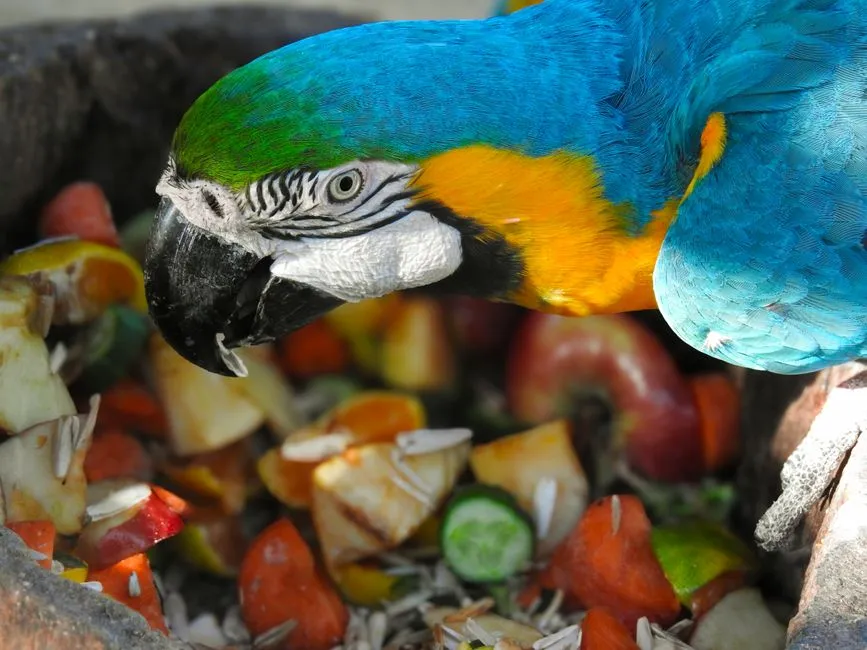
Realizing that parrots can understand quantity makes it impossible to see them as mere decorative pets. A mind that can juggle number words, compare sets, and adjust its answers to new rules is a mind that can get bored, frustrated, and mentally underfed. That has real consequences for how we design their environments, both in captivity and in the wild spaces we still share with them.
On a practical level, this research argues for richer enrichment, more problem-solving tasks, and deeper respect for parrots’ decision-making abilities. It also raises uncomfortable questions about practices like keeping highly intelligent birds isolated, clipping their wings, or treating them as status symbols. When you look at a parrot and see not just a mimic but a creature that can think about “more” and “less,” it is harder to justify treating it as a talking ornament.
Conclusion: We Have Been Underestimating Parrots, and That Is On Us
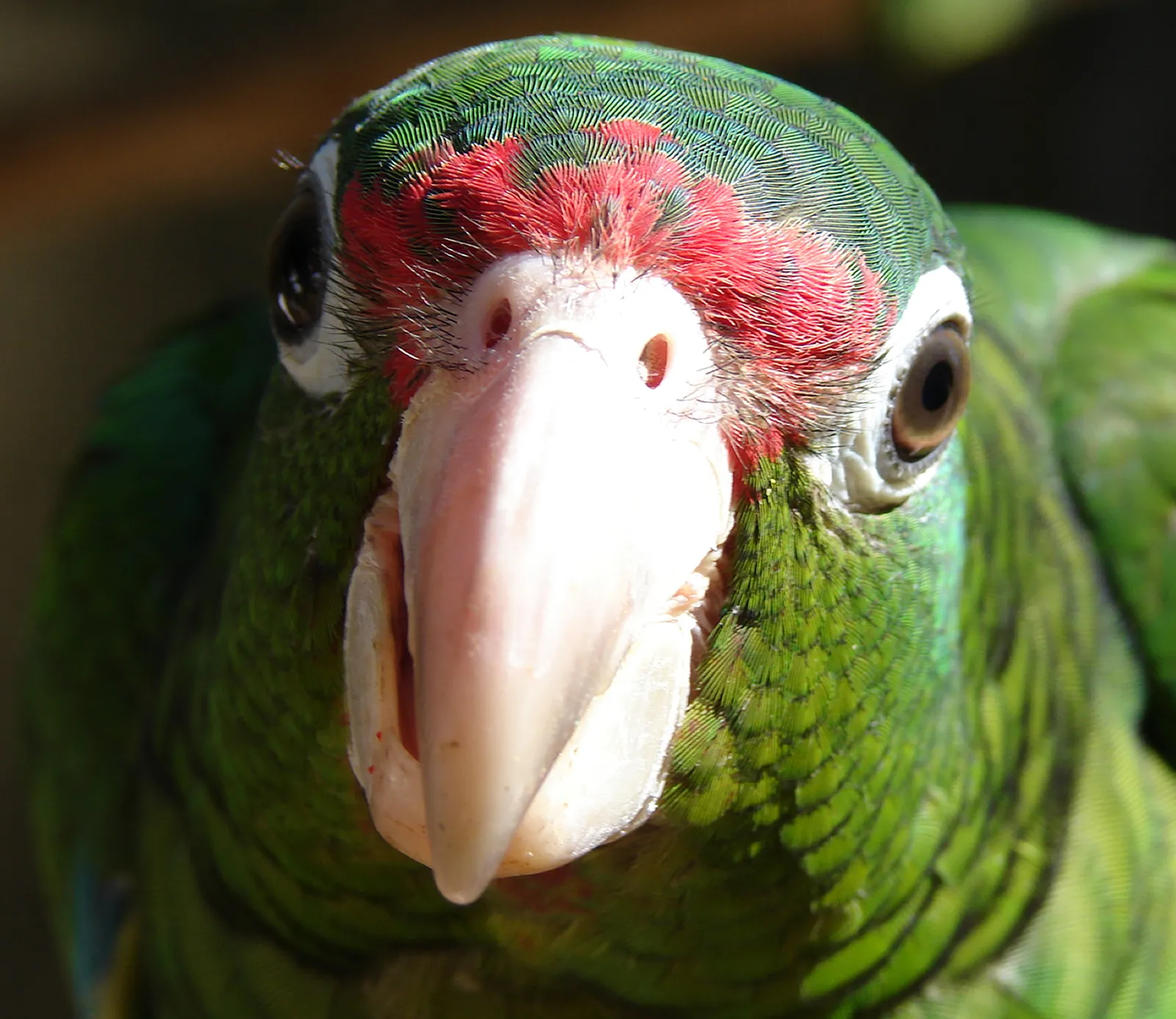
My own view is blunt: the evidence that parrots understand at least some aspects of quantity is strong enough that “just mimicry” has become a lazy explanation. It is comforting to believe that animals who live in cages or on our shoulders are simple, because then we do not have to wrestle with the responsibilities that come with intelligence. But when a bird can flexibly use number words, compare changing quantities, and apply those concepts across different contexts, we are looking at genuine cognition, not clever sound playback.
We should be honest about the limits: parrots are not tiny professors doing algebra in their heads, and researchers are careful not to overclaim. Yet the core message is hard to escape: animal minds, especially those of parrots, are richer, subtler, and closer to ours than we were taught. The real question is not whether parrots can understand more about quantity than simple mimicry explains – they clearly can – but whether we are ready to update our own thinking in response. When you hear a parrot “count,” will you still assume it is just noise, or will you wonder what is really going on behind those bright, curious eyes?
