


Rattlesnakes, often feared and misunderstood, play vital roles in their ecosystems while harboring fascinating adaptations and behaviors that few people take the time to appreciate. These iconic serpents of North American deserts, grasslands, and forests have evolved remarkable survival strategies, including their namesake warning system that announces their presence to potential threats. Despite their fearsome reputation, rattlesnakes typically avoid human contact and only strike when they feel threatened. This comprehensive exploration delves into the complex lives of rattlesnakes, challenging common misconceptions and highlighting the importance of these remarkable reptiles in maintaining ecological balance.
The Evolution and Diversity of Rattlesnakes

Rattlesnakes belong to the genus Crotalus and Sistrurus within the pit viper family (Viperidae). They evolved in the Americas approximately 12-14 million years ago, with their iconic rattle developing as a specialized adaptation. Today, there are about 36 recognized species of rattlesnakes, with numerous subspecies displaying remarkable diversity. The largest species, the Eastern diamondback (Crotalus adamanteus), can reach lengths of up to 8 feet, while the smallest, the pygmy rattlesnake (Sistrurus miliarius), may grow to just 20 inches. These snakes inhabit diverse environments across North, Central, and South America, from desert landscapes and grasslands to forests and rocky hillsides. Each species has adapted to its specific environmental conditions, resulting in variations in size, coloration, venom composition, and behavior that allow them to thrive in their particular ecological niches.
The Fascinating Mechanics of the Rattle

The rattlesnake’s most distinctive feature—its rattle—represents an ingenious evolutionary adaptation. Contrary to popular belief, the rattle is not filled with loose material like pebbles or seeds. Instead, it consists of interlocking segments of keratin, the same protein found in human fingernails and hair. Each time a rattlesnake sheds its skin (typically 1-4 times annually), a new segment is added to the rattle. The segments fit loosely together, and when the snake vibrates its tail muscles—which it can do up to 50 times per second—these segments click against each other, producing the characteristic buzzing sound.
This warning system evolved primarily as a defense mechanism to deter potential predators rather than to threaten humans. The effectiveness of this adaptation lies in its ability to warn larger animals without revealing the snake’s exact location, allowing the rattlesnake to remain hidden while avoiding unnecessary confrontation. Interestingly, rattles can break off over time, so the number of segments doesn’t reliably indicate a snake’s age.
Sophisticated Sensory Systems

Rattlesnakes possess extraordinary sensory capabilities that make them remarkably efficient hunters and survivors. Their most distinctive sensory adaptation is the heat-sensing pit organs located between each eye and nostril, which can detect temperature differences as small as 0.003°C. These specialized organs allow rattlesnakes to create a thermal image of their surroundings, enabling them to locate warm-blooded prey even in complete darkness. Unlike humans who perceive the world primarily through vision, rattlesnakes experience their environment through this “sixth sense” of infrared detection.
They also possess a highly developed vomeronasal (Jacobson’s) organ in the roof of their mouth that analyzes chemical particles collected by their flickering tongue, providing detailed information about nearby animals and potential mates. While their eyesight is adequate, particularly for detecting movement, and they can hear low-frequency sounds through vibrations detected by their jawbones, it’s this combination of thermal sensing and chemical analysis that truly defines the rattlesnake’s perception of the world.
Venom Complexity and Medical Significance

Rattlesnake venom represents one of nature’s most complex biochemical cocktails, containing dozens of different enzymes, proteins, and toxins that vary significantly between species and even regional populations. This venom serves dual purposes: immobilizing prey and beginning the digestive process before consumption. The venom’s composition typically includes hemotoxins that damage tissue and affect blood clotting, neurotoxins that disrupt nerve function, and myotoxins that break down muscle tissue. While undeniably dangerous to humans, rattlesnake venom has proven invaluable to medical science.
Compounds derived from rattlesnake venom have led to the development of medications for treating hypertension, heart attacks, and blood clots. The blood pressure medication captopril, for instance, was developed based on compounds found in the venom of the Brazilian pit viper, a close relative of rattlesnakes. Additionally, ongoing research explores potential applications in pain management and cancer treatment. Importantly, modern antivenom treatments have dramatically reduced fatalities from rattlesnake bites, with fewer than 5 deaths annually in the United States despite approximately 7,000-8,000 venomous snakebites each year.
Hunting Strategies and Dietary Habits

Rattlesnakes employ sophisticated hunting strategies that combine patience, precision, and their remarkable sensory capabilities. As ambush predators, they typically coil in concealed locations and wait for prey to approach, sometimes remaining motionless for days. When a potential meal comes within striking distance, the rattlesnake launches forward with explosive speed, capable of covering half its body length in less than a second. Their hinged fangs, which fold against the roof of the mouth when not in use, rotate downward during a strike to inject venom through hollow channels.
After delivering a venomous bite, the snake typically releases its prey and tracks it using its keen sense of smell until the venom takes effect. The rattlesnake’s diet varies by species and habitat but generally consists of small mammals such as mice, rats, ground squirrels, and rabbits. Some species also consume birds, lizards, frogs, and even other snakes. This dietary preference for rodents makes rattlesnakes valuable for controlling pest populations that can damage crops and spread disease, providing an important ecological service despite their fearsome reputation.
Reproductive Biology and Parental Care

Unlike many reptiles, rattlesnakes exhibit a fascinating reproductive strategy known as ovoviviparity—female snakes retain fertilized eggs within their bodies, and the young develop inside these eggs until they’re ready to be born. This approach provides protection for the developing embryos and allows females to regulate their temperature through behavior, optimizing conditions for their offspring’s development. The gestation period typically ranges from three to five months, with litter sizes varying from 4 to 25 young depending on the species and the mother’s size and health.
Remarkably, some species of rattlesnakes display rudimentary parental care, with females remaining with their newborn young for up to two weeks after birth. During this period, the mother provides protection and may guide her offspring to shelter, contradicting the common perception that reptiles lack parental instincts. Young rattlesnakes are born fully equipped with functional fangs and venom, albeit in smaller amounts than adults, allowing them to hunt and defend themselves immediately. They receive no further parental assistance after this initial period, making their first year particularly challenging with mortality rates often exceeding 50%.
Social Behavior and Communication

Despite their reputation as solitary creatures, rattlesnakes exhibit more complex social behaviors than previously recognized. Recent research has revealed that many rattlesnake species maintain social bonds and engage in various forms of communication. During winter months in colder regions, rattlesnakes gather in communal dens called hibernacula, sometimes containing hundreds of individuals from multiple species. These gatherings serve not only for thermal regulation but also facilitate social interactions and mating opportunities when they emerge in spring.
Males engage in ritualized combat during breeding season, intertwining their bodies and attempting to pin each other’s heads to the ground without using their fangs or venom. These contests determine mating privileges and rarely result in serious injury. Beyond their famous rattling, these snakes communicate through body posturing, tongue-flicking patterns, and the release of pheromones. Some studies suggest that rattlesnakes can recognize relatives and may show preferences for associating with familiar individuals, indicating a level of social complexity that challenges our traditional understanding of reptile behavior.
Defense Mechanisms Beyond the Rattle
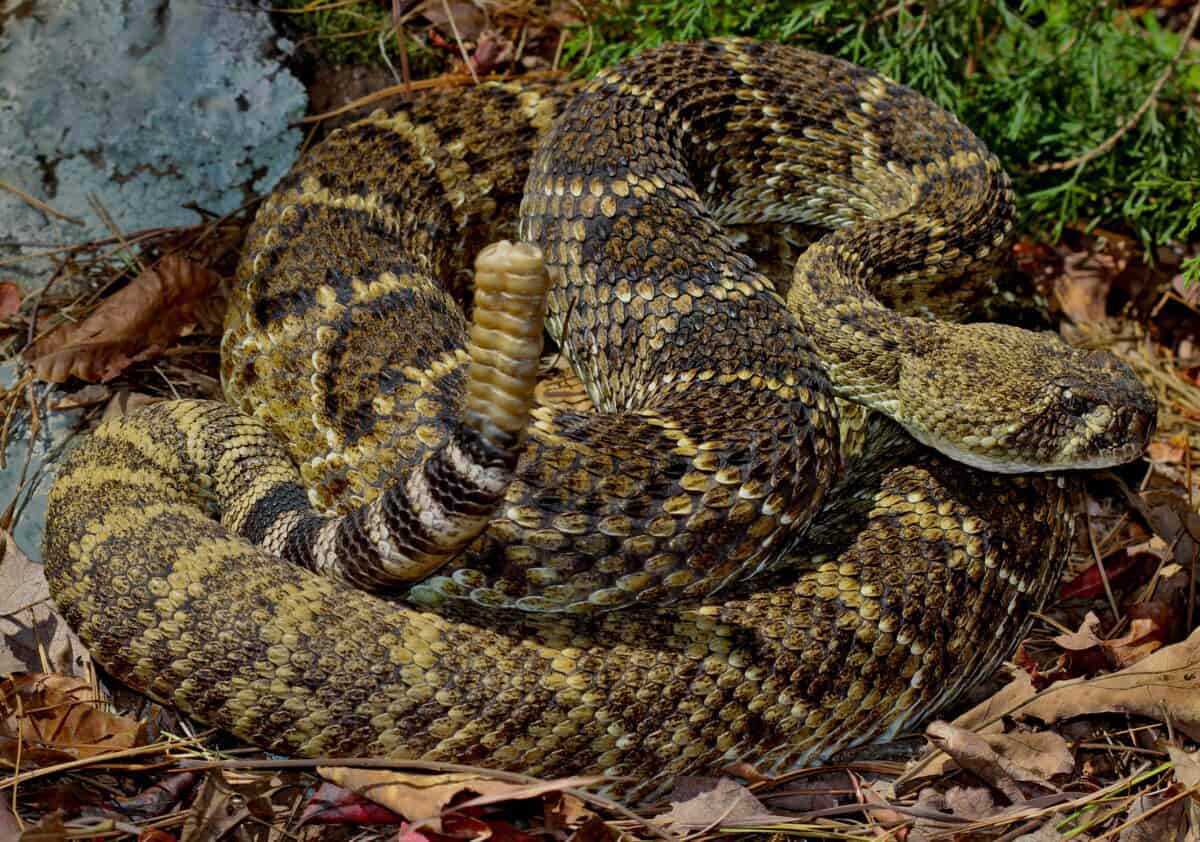
While the rattle serves as rattlesnakes’ most recognizable defense mechanism, these reptiles employ numerous other strategies to avoid confrontation and protect themselves. Their primary defense is cryptic coloration—patterns and colors that blend remarkably well with their natural surroundings, allowing them to remain virtually invisible to both predators and prey.
When threatened, a rattlesnake’s first response is typically to remain motionless, relying on this camouflage. If detected, most species will attempt to retreat quietly rather than confront a potential threat. Only when cornered or surprised will a rattlesnake assume its defensive S-shaped posture, rattle vigorously, and prepare to strike if necessary.
Even then, many defensive strikes are “dry bites” delivered without venom injection, functioning as warnings rather than serious attacks. Some rattlesnake species can also flatten their bodies to appear larger or expel air forcefully to create a hissing sound that complements their rattling. These multi-layered defense strategies underscore the rattlesnake’s preference for avoiding conflict rather than seeking it—a characteristic often overlooked in popular portrayals.
Ecological Importance and Predator-Prey Relationships

Rattlesnakes function as both predators and prey within their ecosystems, playing crucial roles in maintaining ecological balance. As mid-level predators, they help control populations of small mammals that might otherwise experience unchecked growth, potentially leading to resource depletion and disease spread.
A single rattlesnake can consume dozens of rodents annually, making it a natural alternative to rodenticides that can harm non-target wildlife. Simultaneously, rattlesnakes serve as prey for various animals including hawks, eagles, coyotes, king snakes, and roadrunners, transferring energy up the food chain. Their eggs and young are particularly vulnerable to predation, serving as an important food source for many species. Beyond these direct relationships, rattlesnakes influence ecosystem dynamics in subtle ways.
Their presence can affect the behavior of prey species, altering foraging patterns and habitat use in what ecologists call a “landscape of fear.” This cascade of effects demonstrates how removing rattlesnakes from an ecosystem—whether through habitat destruction or deliberate killing—can disrupt complex ecological relationships that have evolved over millions of years, potentially leading to imbalances that affect numerous other species.
Conservation Challenges and Population Threats
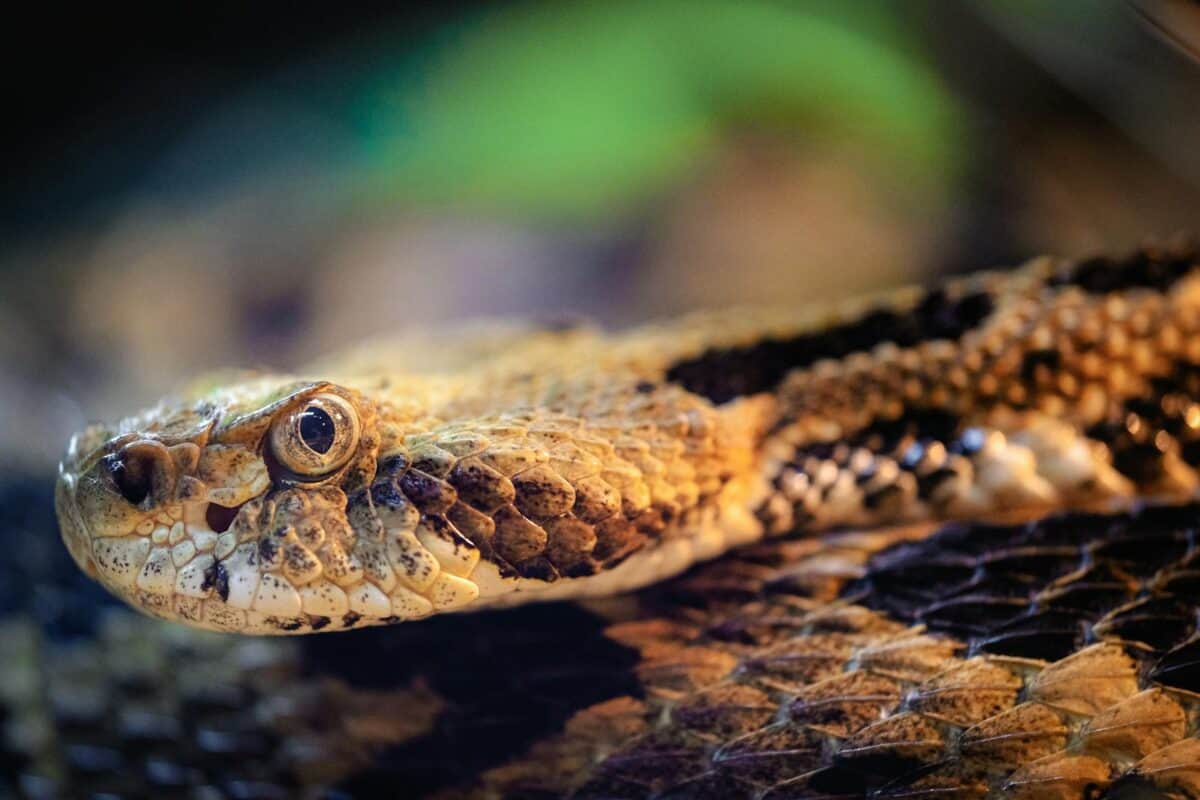
Many rattlesnake species face significant conservation challenges, with several now listed as threatened or endangered. Habitat destruction represents the most pervasive threat, as urban development, agricultural expansion, and resource extraction fragment or eliminate the varied landscapes rattlesnakes require.
Road mortality also takes a substantial toll, with thousands killed annually while crossing highways that intersect their habitat or during seasonal migrations. Deliberate persecution remains another significant factor, as organized “rattlesnake roundups” continue in some regions, removing hundreds or thousands of snakes from local ecosystems for entertainment and profit. Climate change poses an emerging threat, potentially altering the timing of hibernation, affecting prey availability, and shifting the geographic range suitable for different rattlesnake species. Additionally, diseases such as snake fungal disease have emerged as concerns for some populations.
Conservation efforts include habitat protection initiatives, the creation of wildlife crossings to reduce road mortality, educational programs to improve public attitudes, and in some areas, the transformation of traditional roundups into wildlife appreciation events that celebrate rattlesnakes without harming them. Successful conservation requires addressing both the direct threats to rattlesnake populations and the misconceptions that often limit public support for protecting these ecologically important reptiles.
Coexisting with Rattlesnakes: Safety and Awareness

Coexisting safely with rattlesnakes requires understanding their behavior and taking sensible precautions rather than responding with fear. In rattlesnake country, simple measures significantly reduce encounter risks: staying on established trails while hiking, wearing closed-toe shoes and long pants, using a walking stick to probe areas ahead, and remaining vigilant, especially around rock outcroppings, logs, and dense vegetation where snakes might rest. If encountering a rattlesnake, the appropriate response is to remain calm, give the animal space (at least 5 feet), and either wait for it to move away or slowly back away without making sudden movements.
Most bites occur when people attempt to handle, kill, or get too close to rattlesnakes. For homeowners in rattlesnake habitat, preventative measures include removing attractants like woodpiles near houses, sealing potential entry points into structures, keeping grass short around dwellings, and installing snake-proof fencing where appropriate. If a bite occurs, modern medical advice emphasizes keeping the victim calm, removing constrictive items like jewelry, positioning the affected area below heart level, and seeking immediate medical attention without delay for folk remedies like “sucking out the venom” or applying tourniquets, which can cause more harm than good.
Cultural Significance and Changing Perceptions

Rattlesnakes have figured prominently in North American cultural narratives for centuries, appearing in indigenous mythologies, pioneer tales, and modern media with meanings that reflect evolving human relationships with these animals. For many Native American tribes, rattlesnakes represented powerful spiritual beings associated with rain, fertility, and healing.
The Hopi Snake Dance, for instance, incorporates live rattlesnakes in a ceremony seeking rain for crops. Early European settlers and American frontiersmen, however, often viewed rattlesnakes as symbols of danger in the wilderness, contributing to their persisting negative image. This perspective is reflected in the Gadsden flag’s “Don’t Tread On Me” rattlesnake, which appropriated the snake’s warning display as a symbol of American defiance. In contemporary media, rattlesnakes frequently appear as villains or threats, reinforcing misconceptions about their aggressive nature.
Nevertheless, perspectives are gradually shifting as ecological awareness grows. Wildlife documentaries, conservation education, and social media have helped highlight rattlesnakes’ ecological roles and remarkable adaptations, fostering greater appreciation. Some communities have transformed traditional rattlesnake roundups into wildlife festivals that celebrate rattlesnakes without harming them, signaling an important shift toward coexistence rather than conflict with these misunderstood reptiles.
Conclusion: Appreciating Nature’s Perfect Predator

Rattlesnakes represent nature’s elegant solution to the challenges of survival in diverse and often harsh environments, evolving sophisticated adaptations that deserve respect rather than fear. From their precision-engineered venom delivery systems to their remarkable sensory capabilities, these reptiles exemplify evolutionary refinement honed over millions of years. Their ecological contributions as both predator and prey highlight the interconnectedness of natural systems and the potential consequences of their decline.
As we develop a more nuanced understanding of rattlesnakes based on scientific knowledge rather than folklore, we create opportunities for coexistence that benefit both human and serpent populations. Ultimately, the rattlesnake’s story reminds us that fear often stems from misunderstanding, and that even creatures we instinctively avoid have fascinating lives, important ecological roles, and an inherent right to exist in the landscapes they help maintain.

From exploring the marine wonders in the Azores and witnessing the vast savannas of Kenya, to delving deep into the rich biodiversity of South Africa and traversing iconic landscapes in Australia and the US like Yellowstone, Chris's experiences are vast.
With a penchant for diving alongside sharks, the ocean holds a special place in his heart.
Through his academic insights, he champions wildlife conservation, striving with 'Animals Around The Globe' to cultivate a profound connection between humans and animals, enhancing our mutual appreciation.
Connect with him at Feedback@animalsaroundtheglobe.com.
- Why Spiders Don’t Get Stuck in Their Own Webs - July 20, 2026
- What Scientists Found in a 10,000-Year-Old Beehive - July 20, 2026
- This Spider Builds Fake Decoys of Itself - July 20, 2026