

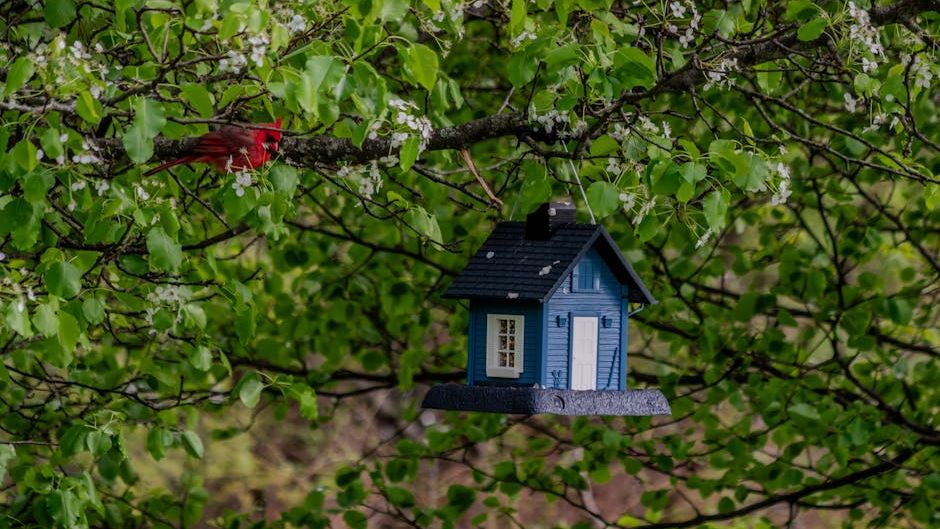
Spring is basically nature’s reset button. Birds start singing at ridiculous hours, bees wake up hungry, and suddenly the quiet patch of grass behind your house can become a tiny, buzzing ecosystem. The wild thing is, even the smallest yard or balcony can make a real difference for local wildlife, especially as natural habitats keep shrinking and breaking up around towns and cities.
You don’t need to turn your place into a jungle or become a full-time gardener to help. A few smart, simple choices can turn your space into a safe stopover, a feeding station, or even a nursery for native species. Let’s walk through eight practical ways to help wildlife not just survive, but actually thrive in your backyard this spring.
1. Swap Perfect Lawns for Wild Corners
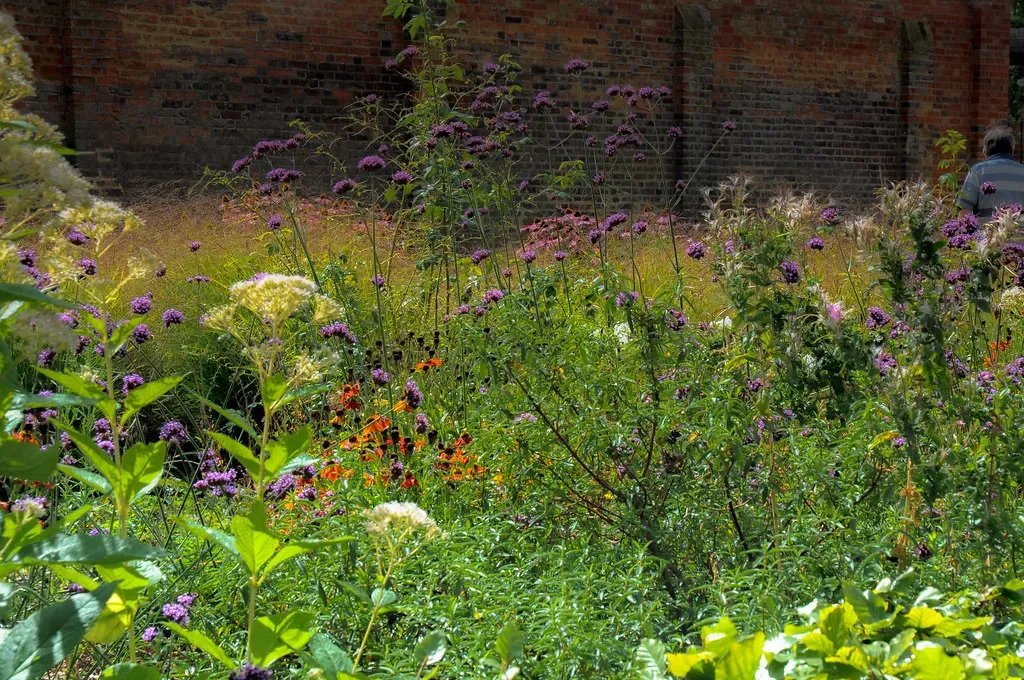
Imagine how boring a city would be if every building looked exactly the same and every street was perfectly straight. That’s kind of what a typical manicured lawn looks like to wildlife: green, flat, and mostly useless. Short, uniform grass with no flowers or structure offers very little food or shelter for insects, birds, or small mammals.
By letting even one corner of your yard grow a bit wilder, you suddenly create hiding spots and food sources that simply didn’t exist. You can start small by mowing less often, leaving patches of clover, violets, or dandelions, or allowing one strip along a fence to grow taller. Over time, that “messy” corner becomes a mini refuge for pollinators, frogs, beetles, and all the creatures that quietly keep your local ecosystem running.
2. Plant Native Flowers, Shrubs, and Trees
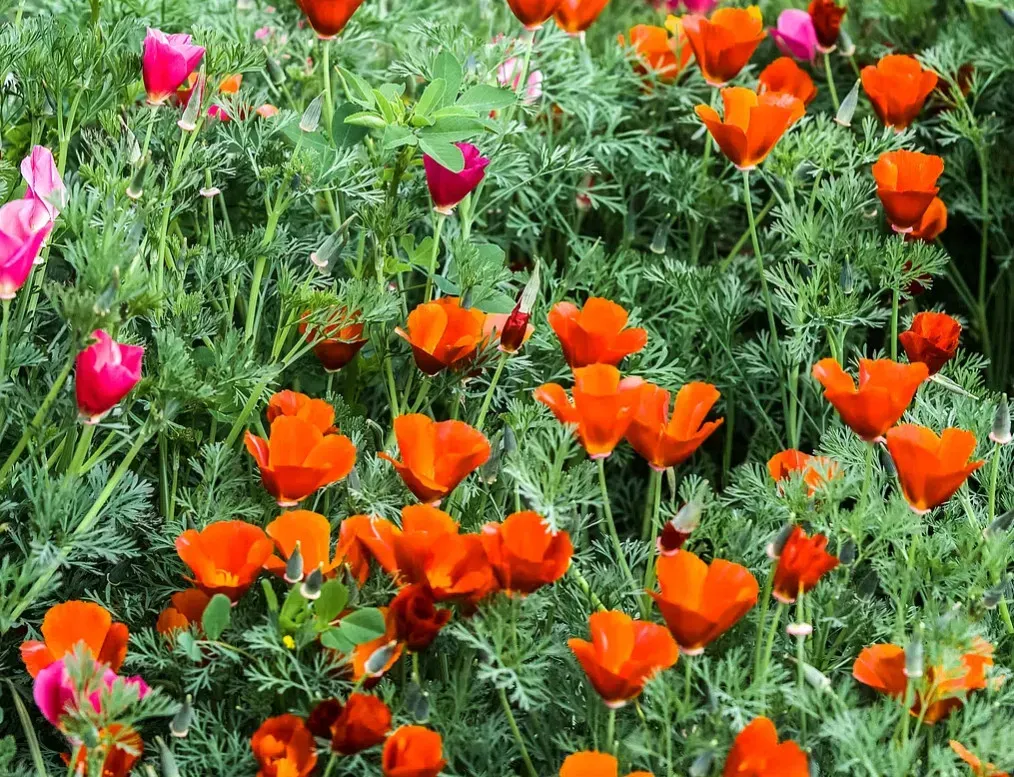
If you only make one big change this spring, let it be this one: plant more native species. Local wildlife evolved alongside local plants, which means native flowers and shrubs tend to provide the right kind of nectar, seeds, and shelter at the right time of year. Many ornamental exotics look beautiful to us but are basically empty plates for birds and insects.
A good rule of thumb is to aim for a mix of native plants that bloom from early spring through late fall, so there’s always something on the menu. Even a small bed of native wildflowers, a berry-producing shrub, or a single native tree can support far more life than a row of imported, heavily bred ornamentals. I remember planting just one native serviceberry shrub at my place and being genuinely shocked at how many different birds suddenly started showing up for the fruit.
3. Create Safe Water Spots for Thirsty Visitors
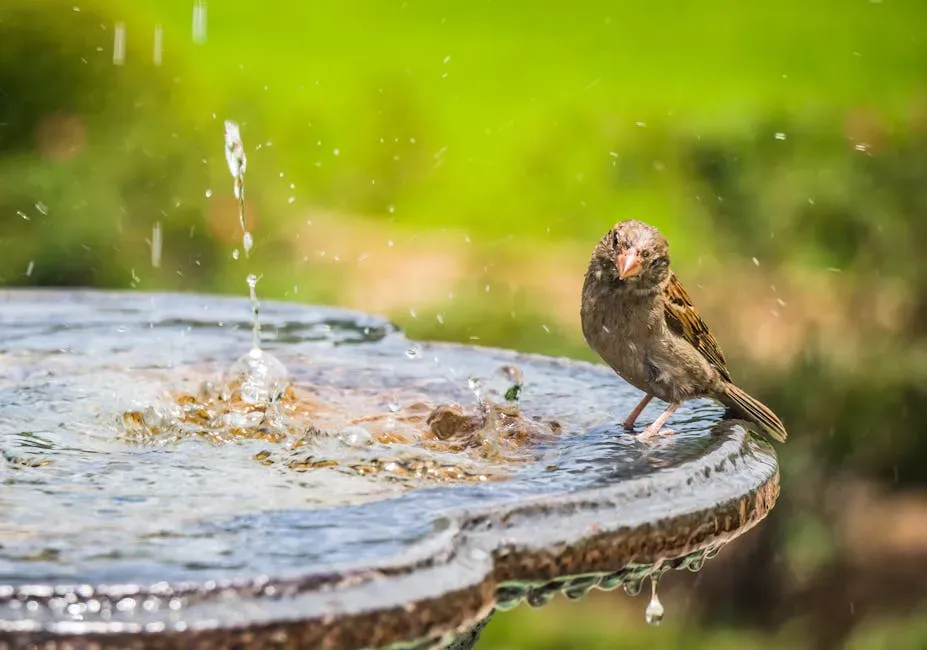
<pClean, shallow water is one of the simplest and most powerful things you can offer wildlife, especially in spring when many animals are migrating, nesting, or waking from winter dormancy. Birds need water not just to drink but also to bathe, which helps them keep their feathers in good condition for flying and staying warm. Small mammals and insects benefit, too, even if you never actually see them using it.
You don’t need a fancy pond or an expensive birdbath. A shallow dish or plant saucer with a few stones in it for perches can work surprisingly well. Just make sure you change the water regularly to keep it clean and reduce mosquito problems, and place it where cats and other predators are less likely to ambush visiting animals. Over time, that little pool can turn into one of the busiest spots in your yard.
4. Offer Food in Ways That Actually Help
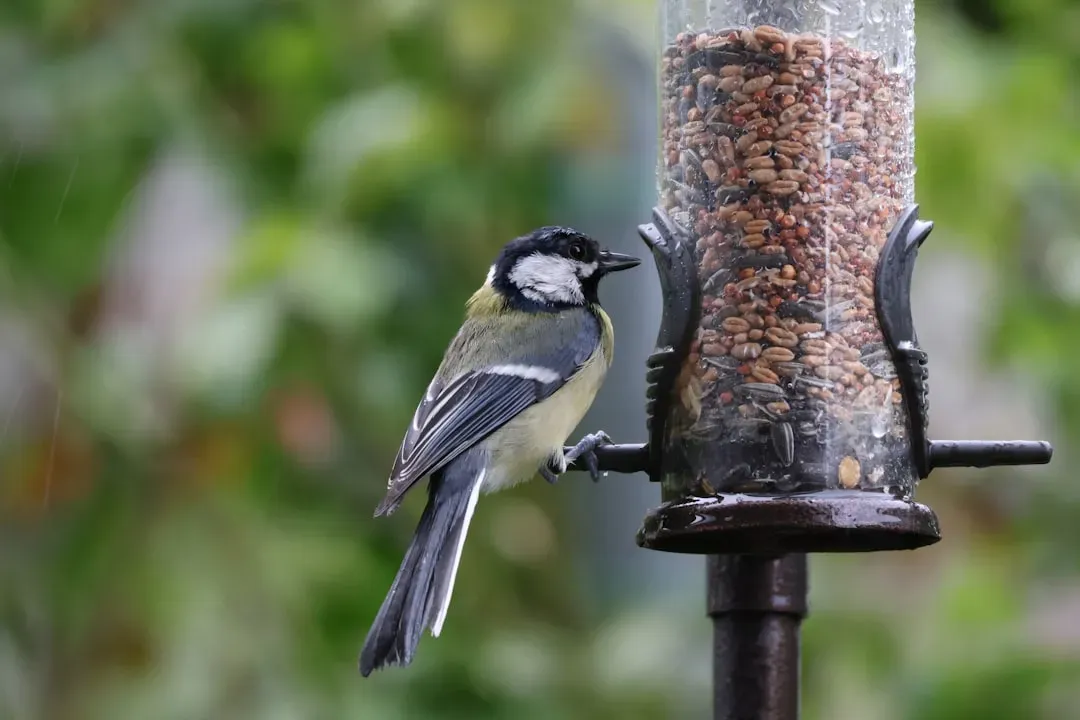
Feeding wildlife feels good, but it’s easy to do it in ways that cause more harm than help. Bread for ducks, for example, fills them up with junk rather than real nutrition, and putting out piles of processed human food can attract rats or spread disease. For backyard wildlife, it’s usually best to think of any feeding you do as a supplement to natural food sources, not a replacement.
If you have the time and budget, bird feeders with high-quality seed mixes, suet in colder spells, and nectar for hummingbirds can all be useful, especially in early spring before many plants are fully blooming. Just be sure to clean feeders regularly and place them where birds are less likely to slam into nearby windows. Long term, planting more fruiting and seeding native plants is often a better investment than relying solely on packaged food.
5. Build Small Shelters and Nesting Spaces
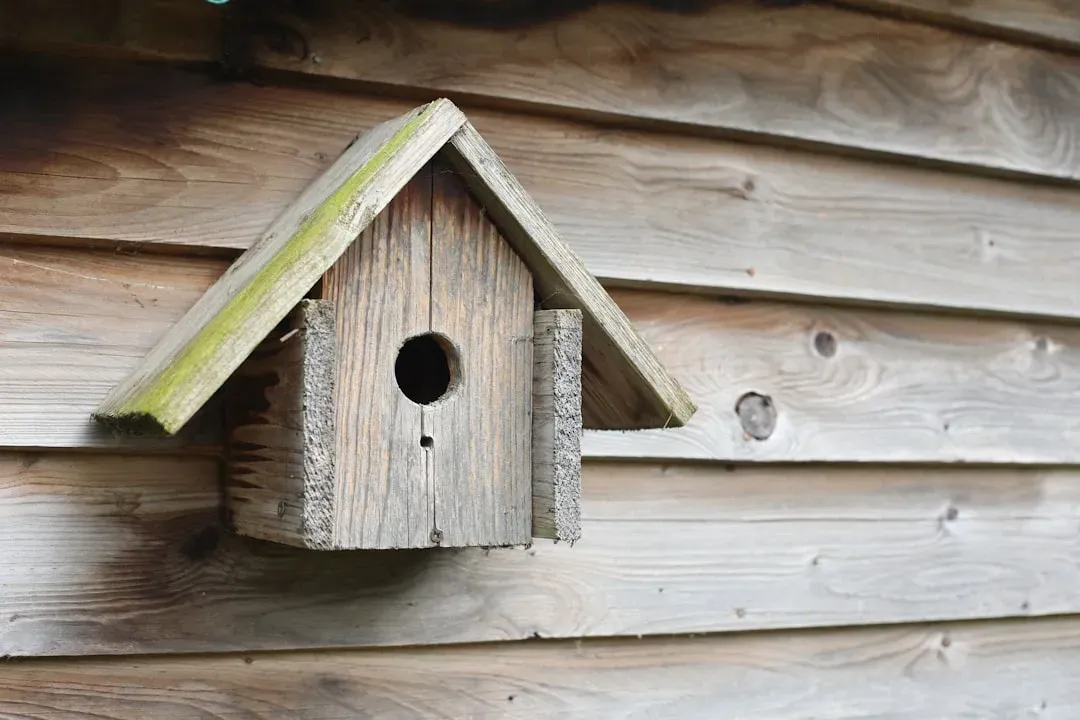
Shelter is just as important as food and water, especially during spring storms and nesting season. Many animals struggle to find safe spots to rest, nest, or hide from predators in heavily managed neighborhoods. You can help by thinking in layers: ground cover, low shrubs, taller bushes, and trees all create different kinds of hiding places.
Simple, low-effort things like leaving a brush pile in a quiet corner, stacking a few logs, or keeping some leaf litter under shrubs can make a big difference. If you like DIY projects, you can add bird boxes sized for local species, or insect hotels designed with natural materials like hollow stems and drilled wood. Just be careful to clean out nest boxes as recommended for your region and species, and avoid placing them where they’ll overheat in direct harsh sun.
6. Rethink Chemicals: Go Gentle or Go Without
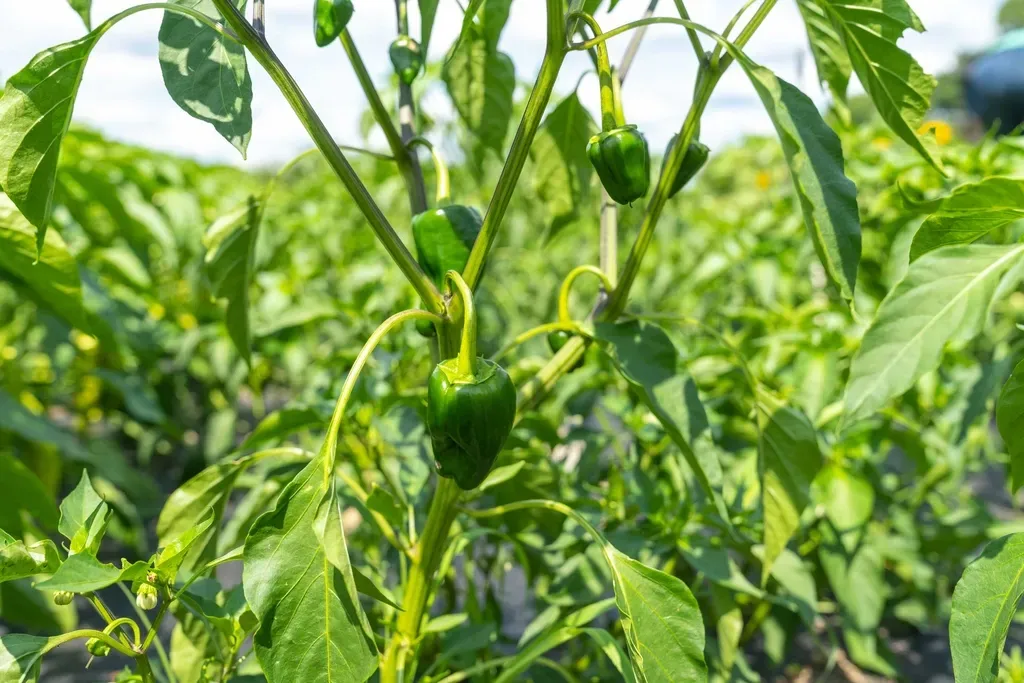
Pesticides, herbicides, and synthetic fertilizers don’t just disappear once you spray or spread them; they move into soil, water, and the bodies of insects and other animals. When you wipe out the so-called “bad” bugs, you can also be removing the food that birds, bats, and beneficial insects rely on. Some chemicals also directly harm pollinators like bees and butterflies, which are already under pressure from habitat loss and disease.
This spring, try scaling back and see what happens before reaching for a bottle or sprayer. Hand-pull weeds in smaller areas, tolerate some nibbled leaves, or choose organic and targeted methods only when a problem is truly serious. Often, once you give nature some breathing room, predatory insects, birds, and frogs step in and keep things roughly balanced. Your yard may not look like a glossy magazine photo, but it’ll be a lot more alive.
7. Make Your Yard Safer from Hidden Dangers
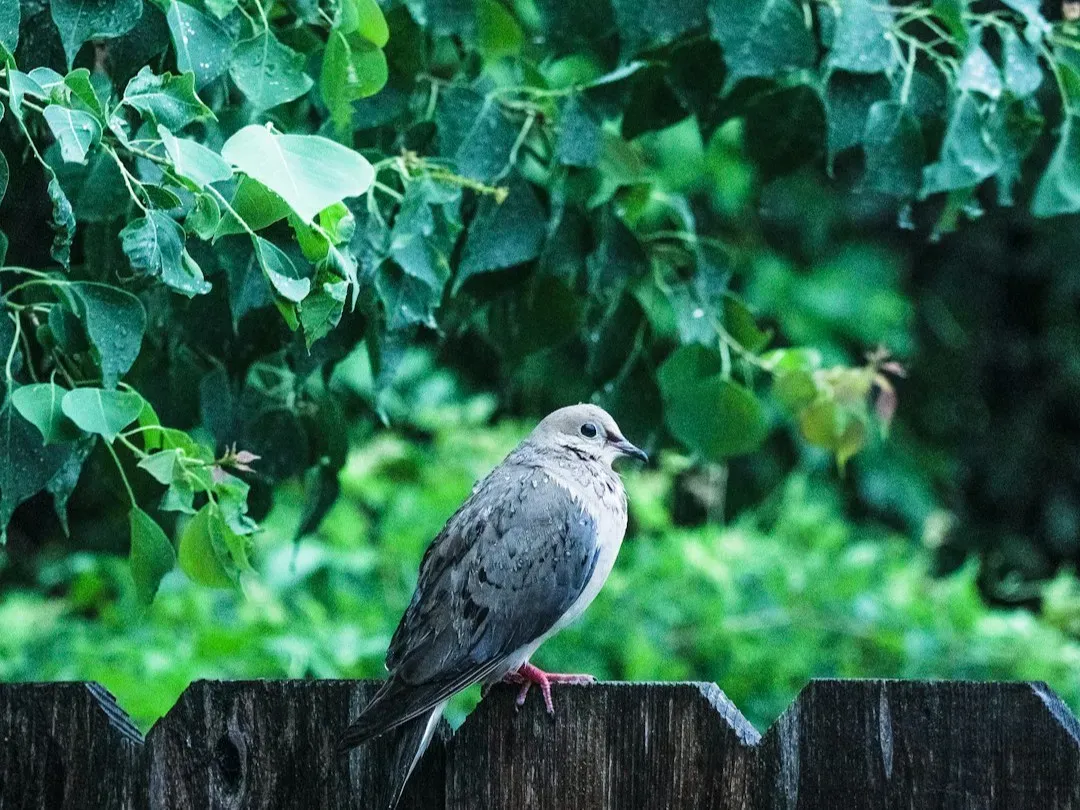
Many of the biggest threats to wildlife in residential areas are things people barely notice anymore. Outdoor cats, for instance, are beloved pets but are also highly effective hunters, and they can seriously cut down local bird and small mammal populations. Large, clear windows near feeders or busy bird routes can cause deadly collisions, simply because birds don’t see glass the way we do.
You can reduce harm in small but real ways. Keep cats indoors or supervised where possible, add simple window decals or screens near bird-heavy areas, and cover or safely cap open pipes or deep containers where small animals might get trapped. Even being a bit more careful with garden netting and string, which can entangle birds and hedgehogs, helps more than most people realize. Think of it as baby-proofing your yard, but for wild neighbors.
8. Leave a Few Things “Messy” on Purpose

Modern gardening advice often pushes us toward tidiness: raked lawns, trimmed edges, no dead plants or leaves in sight. But a lot of wildlife depends on exactly those “messy” elements to make it through the colder seasons and into spring. Old stems can hide overwintering insects, fallen leaves shelter beetles and amphibians, and last year’s seedheads still feed birds when other food is scarce.
Instead of cleaning everything up at once, try leaving some dead stems standing until late spring, and let a layer of leaves remain under trees and shrubs. Resist the urge to cut back every plant the moment it looks brown or scruffy. That slightly unkempt look can signal to wildlife that your yard is a safe, resource-rich place to be. Over time, you might even start to see that “mess” as a sign of life rather than neglect.
Conclusion: Turning Your Backyard into a Small Act of Hope
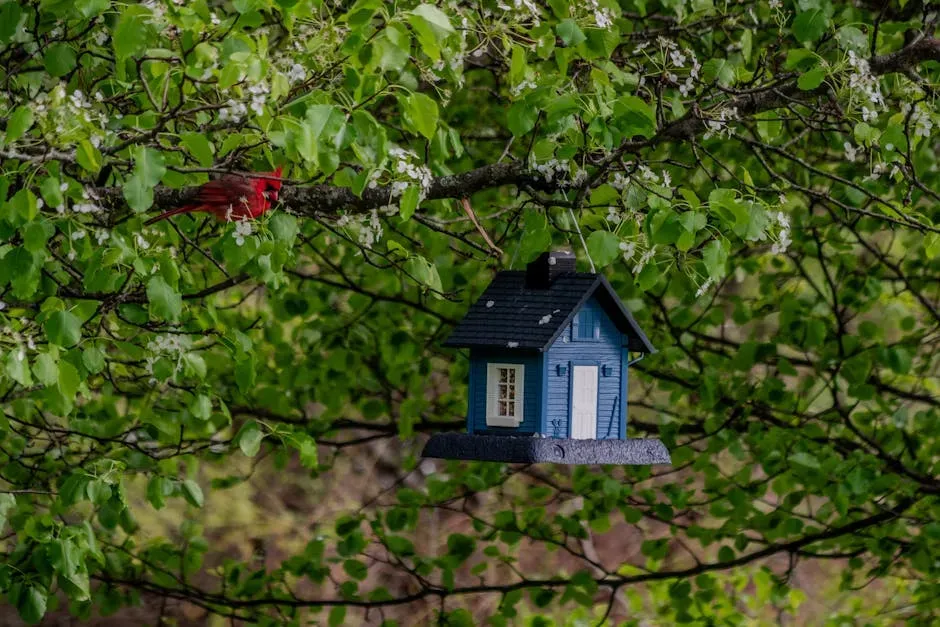
Helping local wildlife this spring doesn’t have to mean grand, expensive projects or a complete lifestyle overhaul. It’s about shifting your mindset from designing a yard just for human eyes to creating a shared space where birds, insects, and small animals also have a shot at a good life. A few choices – more native plants, less chemicals, a dish of water, a corner left wild – add up quietly over time.
What surprised me when I started doing these things myself was how quickly the yard felt different: more movement, more birdsong, more small, unscripted moments of wonder. In a world where so much feels out of our control, turning a backyard into a tiny sanctuary is a concrete, hopeful act. Next time you step outside this spring, what small change could you make so the wild things around you don’t just pass through, but actually thrive?

- South Texas Eyes U.S. Record for Hottest Winter Temperature With 106°F Inferno in February - May 9, 2026
- Bats Play a Crucial Role in Controlling Insect Populations Across the United States - April 30, 2026
- The Recovery of the California Condor Offers Hope for Other Critically Endangered Birds - April 30, 2026