

Most dog owners think they know their pup pretty well. You know when they want a walk, when they’re hungry, when they’re in full zoomies mode. But here’s the thing – dogs are quietly sending distress signals every single day, and most of us completely miss them. We see a yawn and think “cute and sleepy.” We see our dog licking their lips and figure they spotted something tasty. We chalk up the pacing to restlessness.
The truth? Your dog might be screaming for help in a language you haven’t quite learned yet. The signs of anxiety in dogs are often subtle and can easily be misinterpreted unless the full context is understood. So before you assume that shaking, hiding, or unusual barking is “just their personality,” read on. What you discover might genuinely surprise you.
1. Excessive Yawning When Nothing Is Tired
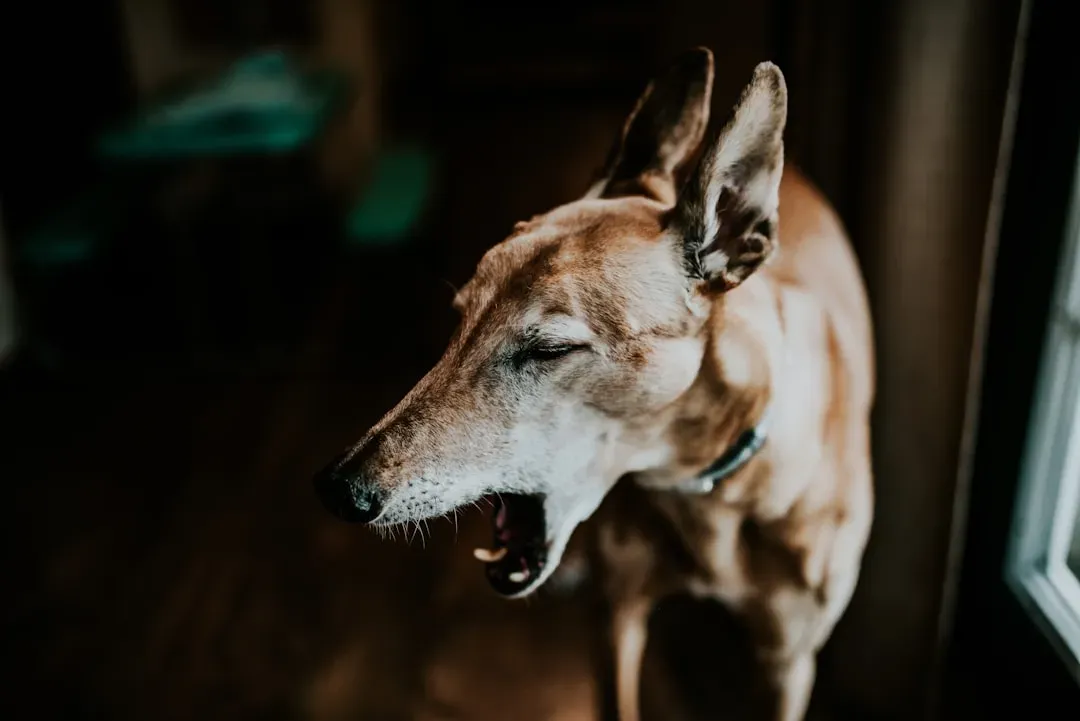
Here’s a classic case of mistaken identity. You see your dog yawn, and your brain automatically labels it as “sleepy dog being adorable.” But context matters enormously here.
Dogs yawn when they are tired or bored, but they also yawn when stressed. A stressful yawn is more prolonged and intense than a sleepy yawn. Think about it like a pressure valve releasing steam.
According to canine behavior experts, dogs use yawning to calm themselves in tense situations and to calm others, including their owners. So that big, dramatic yawn at the vet’s office? It’s not boredom. It’s your dog trying to self-soothe in real time.
Watch for yawns that happen out of context, like when your dog is meeting a new person or sitting in a noisy room. If the yawning is paired with lip licking or a tense body posture, your dog is almost certainly stressed. Pay attention to the full picture, not just the yawn alone.
2. Lip Licking and Tongue Flicking

You just finished dinner and your dog licks their lips. Totally normal. They see a squirrel and flick their tongue. Wait, that’s different. Lip licking is another bit of dog body language that people often misinterpret. Just like people, dogs will lick their lips after a delicious meal, but they’ll also do it when they feel anxious. Sometimes the tongue flick is so quick it’s tricky to notice.
When a dog is anxious, she will often quickly stick out her tongue and lick her lips. It’s usually just a fast, little flick. This is one of the most common signals – and it’s often mistaken for contentment.
Honestly, once you know what to look for, you’ll start seeing this one constantly. It’s one of those behaviors that hides in plain sight. Think of it like a nervous human repeatedly clearing their throat. The motion is small, but the message is big.
3. Sudden Shedding Out of Nowhere

If you’ve ever noticed your dog leaving a trail of fur at the vet’s office or during a car ride, you’re witnessing a fascinating stress response that most people never connect to anxiety.
Show dogs that become nervous in the show ring often “blow their coat.” Dogs also shed a lot when in the veterinary clinic. It sounds almost absurd until you realize that stress hormones can trigger a physical release in the body, and shedding is one of them.
It works something like how humans might break out in a cold sweat during a nerve-wracking moment. The body reacts without asking permission. If your dog is shedding heavily in a specific situation but not at home, that situation is likely stressing them out more than you realized.
4. Whale Eye and Dilated Pupils
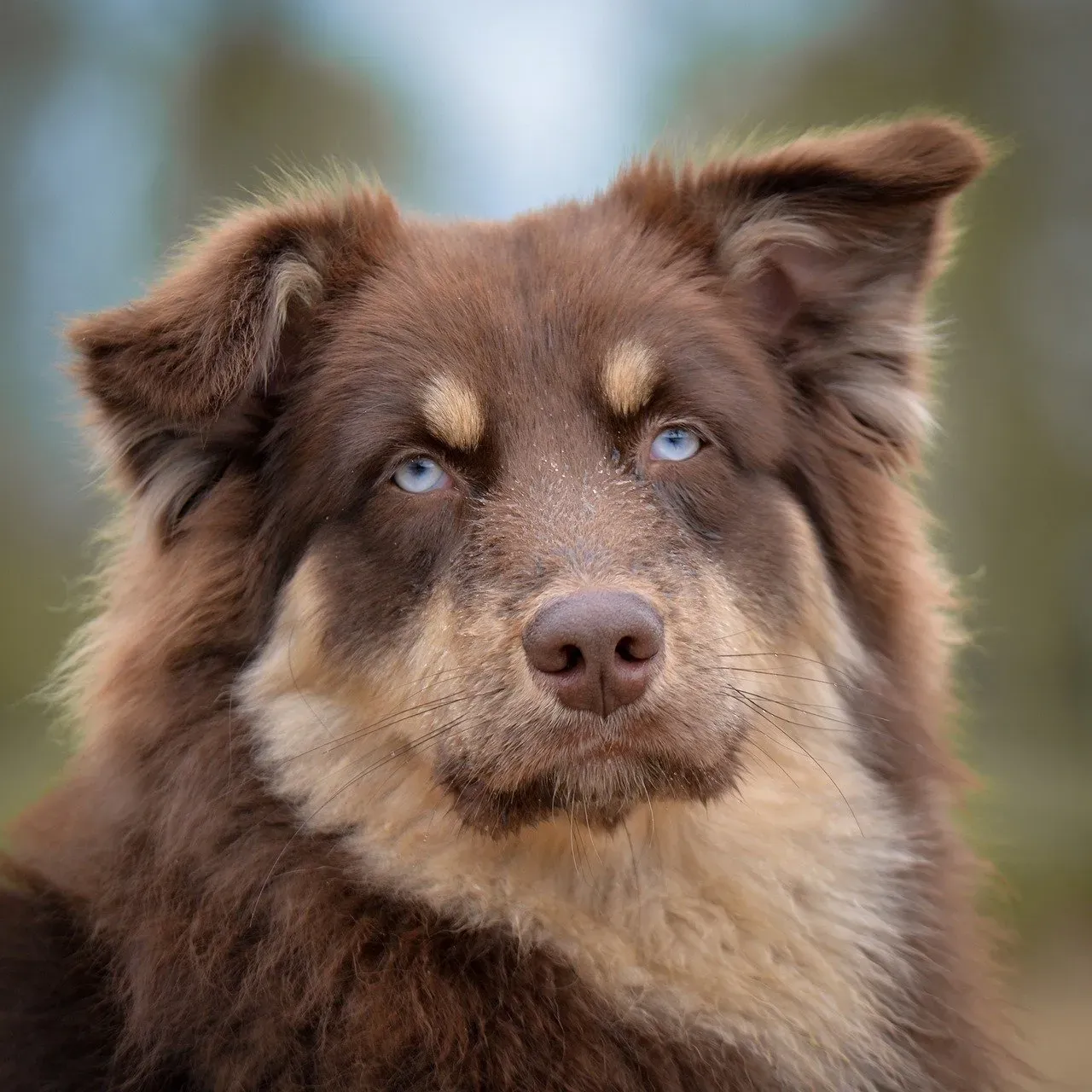
This one is genuinely unsettling once you know what it means. Known as “whale eye,” when a dog shows the whites of the eyes, it’s a signal that they’re feeling anxious or stressed. You might see it when you make your dog uncomfortable, like when you pat your dog on the head, or when they’re afraid someone will steal a bone or toy.
Stressed dogs, like stressed people, may have dilated pupils and blink rapidly. They may open their eyes wide and show more sclera, or white, than usual, giving them a startled appearance. Their ears may be pinned back against their head.
When we ignore these early warnings, dogs may feel compelled to escalate to more obvious signals like growling or snapping. So whale eye is not just a quirky look – it’s an early warning system. Take it seriously. A dog showing whale eye is a dog asking for space.
5. Pacing and Inability to Settle
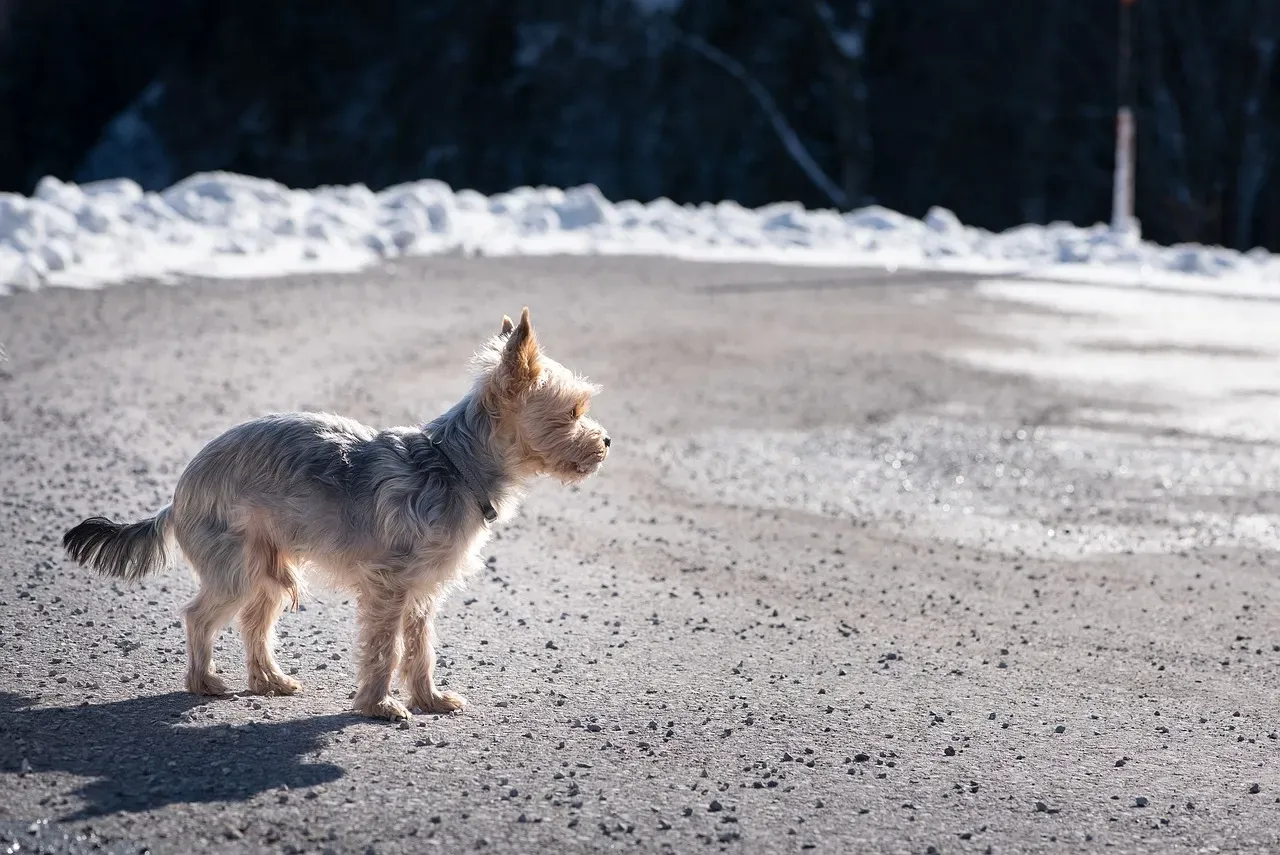
We’ve all seen it. Your dog just walks back and forth, back and forth, and you can’t figure out why. You’ve walked them. Fed them. There’s nothing obviously wrong. Let’s be real – this one is easy to dismiss as restlessness or boredom. But pacing is one of the clearest behavioral signs of stress there is.
When dogs are pacing back and forth, it’s a sign they can’t settle down because something is stressing them. If this happens during mealtimes or for short periods, it might not be a big deal. Noticing when your dog engages in this behavior can give you clues as to what’s triggering their anxiety.
Anxious dogs are worried that something bad is about to happen, so they rarely let their guard down. Some dogs suffer from generalized anxiety and feel like they need to be vigilant almost all the time. Pacing is basically your dog burning off nervous energy because they don’t know what else to do with it. Think of it like a human who keeps checking their phone when they’re worried about something.
6. Destructive Chewing and Escape Attempts
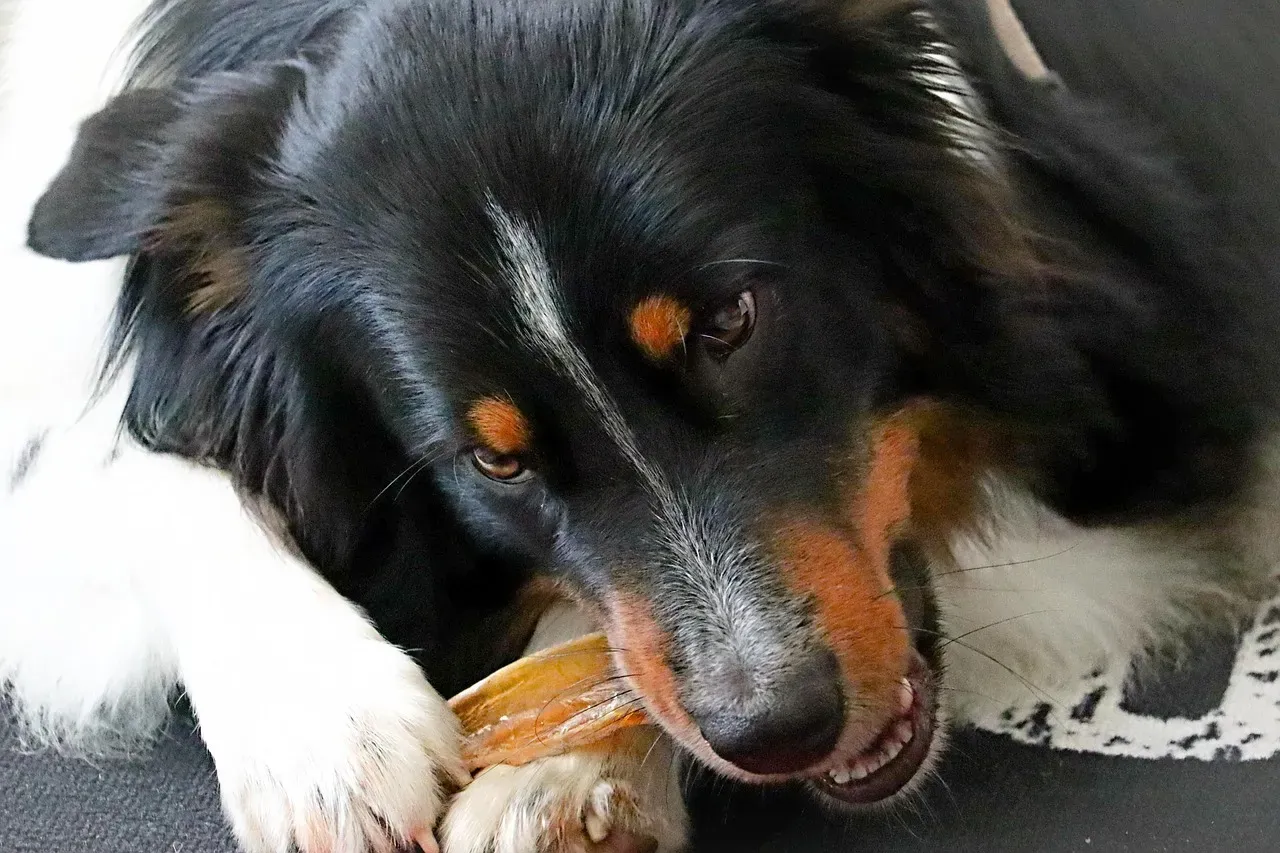
Most people see chewed-up furniture or a destroyed pillow and their first instinct is frustration. “Bad dog!” But pause for a second and consider what’s actually happening beneath the surface.
Destructive behavior is not normal for most dogs. When it does occur, it’s often a way of relieving excess energy, anxiety, and stress. It’s less about disobedience and far more about a dog desperately trying to cope with overwhelming feelings.
Separation anxiety in dogs manifests as destruction, excessive barking, and escape attempts that begin within minutes of the owner leaving. These behaviors reflect genuine panic rather than spite or boredom.
Imagine being trapped in a room with the windows sealed and feeling like you can’t breathe. That’s the emotional state some dogs are operating in. The chewing isn’t mischief. It’s a cry for help dressed up as a mess on your couch.
7. Hiding, Cowering, and Sudden Withdrawal
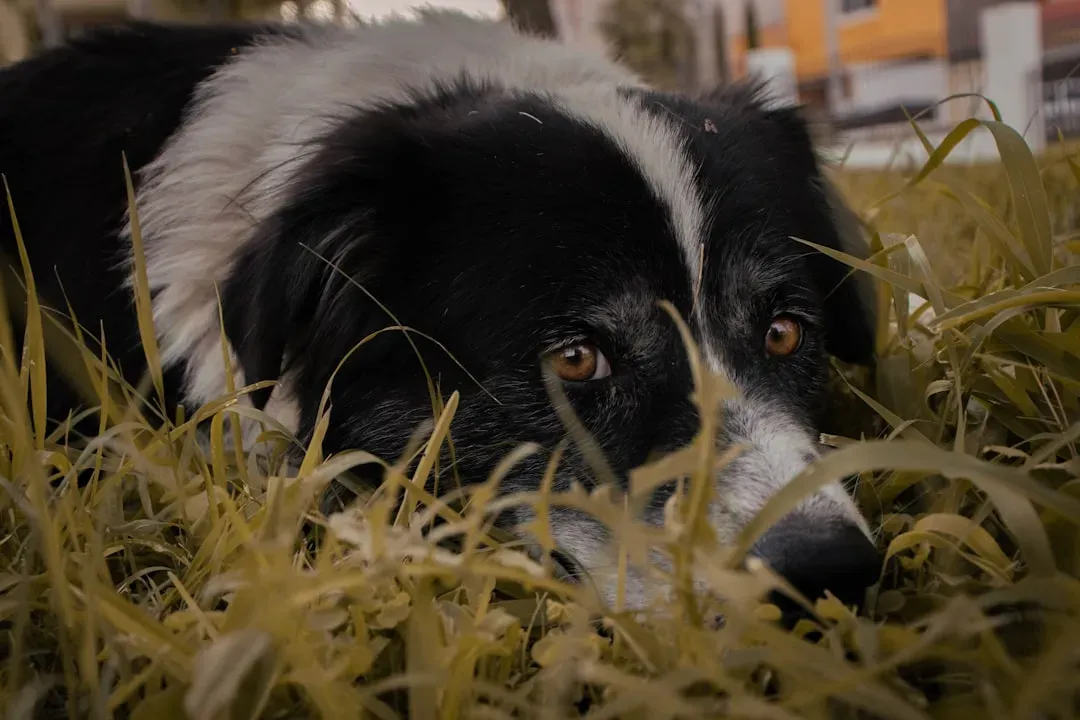
A dog that hides under the bed or retreats to a corner isn’t simply playing shy. Your dog might move away or actively try to avoid whatever is worrying them. In some situations, it might be you they are worried about, or someone you are with, such as a veterinary surgeon. Some dogs will try to hide or withdraw from a situation.
Consider a cowering dog hunched low to the ground – that’s a sign of fear or stress. The dog may be trying to get away from something, and the posture makes the dog appear smaller. It’s the canine equivalent of wanting to disappear into the wallpaper.
If your normally active and happy dog starts to isolate and show lethargy or a decreased appetite, this is a sign that something has changed with their overall health, and seeking the care of a veterinarian is a suggested course. Withdrawal is always worth taking seriously. Don’t just give them space and move on. Look for the reason.
8. Excessive Barking, Whining, or Vocalization
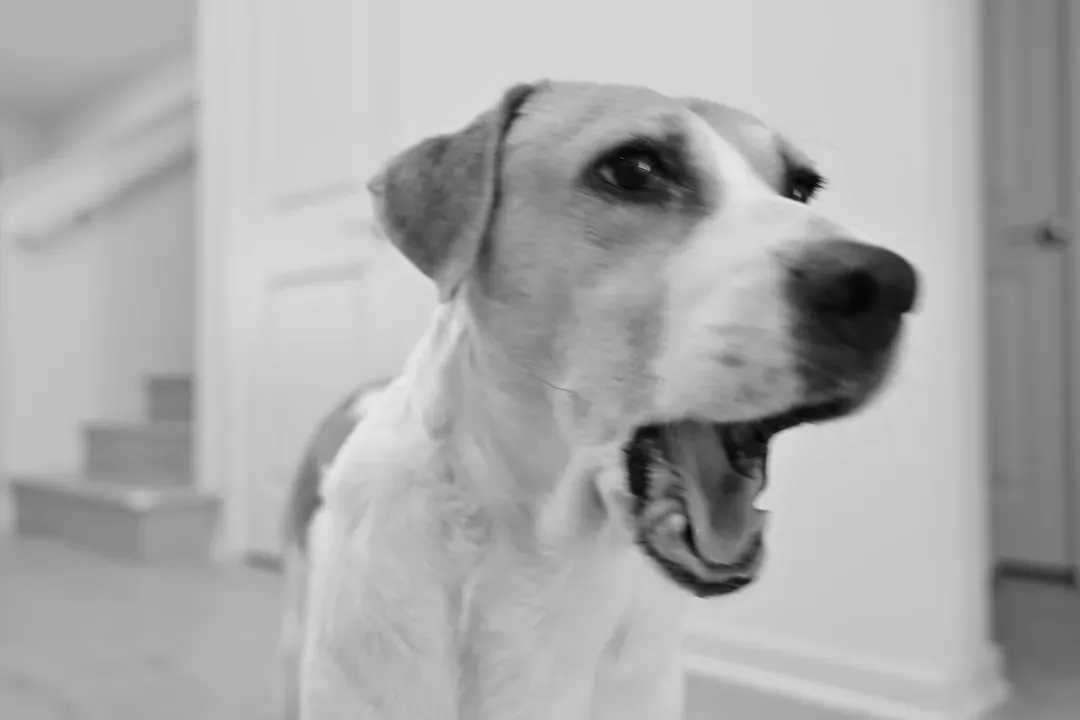
Here’s a behavior that tends to drive owners up the wall, yet it’s one of the most direct ways a stressed dog communicates. Vocalization is normal self-expression in dogs but may be intensified when they are under stress.
Barking is a natural way for dogs to communicate. A dog who barks nonstop may be trying to tell you they’re stressed out. Anxiety-related barking typically occurs along with other behaviors, such as pacing. The two together are a pretty reliable indicator that something is genuinely off.
Whining is another normal way for dogs to communicate. They may whine to tell you something hurts or to greet you when you get home. Whining can also mean your pup is feeling anxious, especially if they’re pacing or trembling at the same time. If your dog seems to be narrating their distress, they probably are. Listen up.
9. Whole-Body Shaking When Not Cold or Wet

You know that big, dramatic full-body shake your dog does after a bath? Turns out, dogs use a version of that shake for something entirely different when they’re stressed, and it’s one of the most commonly misread signals of all.
You have seen your dog shake after a bath or a roll in the grass. That whole-body shake can be amusing and is quite normal – unless it occurs as the result of a stressful situation. The “shake off” that dogs often do after they descend from the veterinarian’s exam table is likely triggered by stress.
Similar to shaking off water from the pool, dogs also give a shake to reduce tension or stress from their bodies. It’s a kind of reset mechanism. Think of it like a human rolling their shoulders and taking a deep breath after a stressful meeting. The body is literally trying to discharge the tension.
Chronic stress puts your dog’s nervous system in constant fight or flight, changing their behavior and ability to cope. If the shaking is happening regularly and not just after baths or play, it’s time to look deeper.
What to Do When You Spot the Signs

Recognizing the signals is only half the job. Knowing how to respond is just as important. If you notice signs that your dog is stressed, first remove them from the stressor. Find a quiet place to regroup. Resist the urge to overly comfort them. That last part surprises a lot of people, but smothering a stressed dog with attention can actually amplify their anxiety.
Low or neutral tones and slow speech can reassure nervous dogs. Your energy matters more than you think. Many dogs are very sensitive to their owner’s emotions. If your dog is stressed, keep calm and try not to panic or raise your voice, as this might add to your pet’s stress levels.
If your dog becomes stressed often or in response to many triggers, see your veterinarian. After ensuring that your dog’s behavior does not have a physical basis, your veterinarian may refer you to a trainer or veterinary behaviorist for further assessment. A treatment plan may include behavior modification, a change in the daily routine, and medications to relieve both physical discomfort and the emotional response to triggers.
Dogs can’t send a text or leave a voicemail when they’re struggling. They rely entirely on the language of their bodies to reach out to us. The more fluent you become in reading that language, the stronger your bond grows, and the better life becomes for your dog. Honestly, it’s one of the most rewarding things a dog owner can learn. So next time your dog yawns at the vet or tucks their tail when visitors arrive, ask yourself: is this stress talking? Chances are, it just might be. What behavior surprised you the most? Share your thoughts in the comments.

- 8 Reasons Cedar Waxwings Pass Berries From Beak to Beak - July 26, 2026
- 8 Backyard Trees That Owls Prefer After Sunset - July 26, 2026
- 9 Things Chickadees Remember About Reliable Backyard Feeders - July 26, 2026