
Worried about unexpected vet bills?
Pet insurance can cover thousands in unexpected vet costs. Get a free quote from Lemonade in under 2 minutes.
Get My Free Quote →Sponsored · Opens Lemonade.com
Picture a mother elephant gently caressing her dying calf with her trunk, or a rat refusing chocolate chips to free a trapped companion. These aren’t just heartwarming stories from nature documentaries. They represent profound evidence that the emotional world of animals is far richer and more complex than we’ve ever imagined.
For decades, scientists avoided studying animal emotions, fearing accusations of anthropomorphism. Yet today’s research reveals something remarkable: empathy isn’t uniquely human. From the tiniest rodents to the largest whales, creatures across the animal kingdom display genuine concern for the suffering of others. These discoveries force us to reconsider everything we thought we knew about wildlife consciousness and emotional intelligence.
Elephants Display Funeral Rituals More Complex Than Many Human Cultures
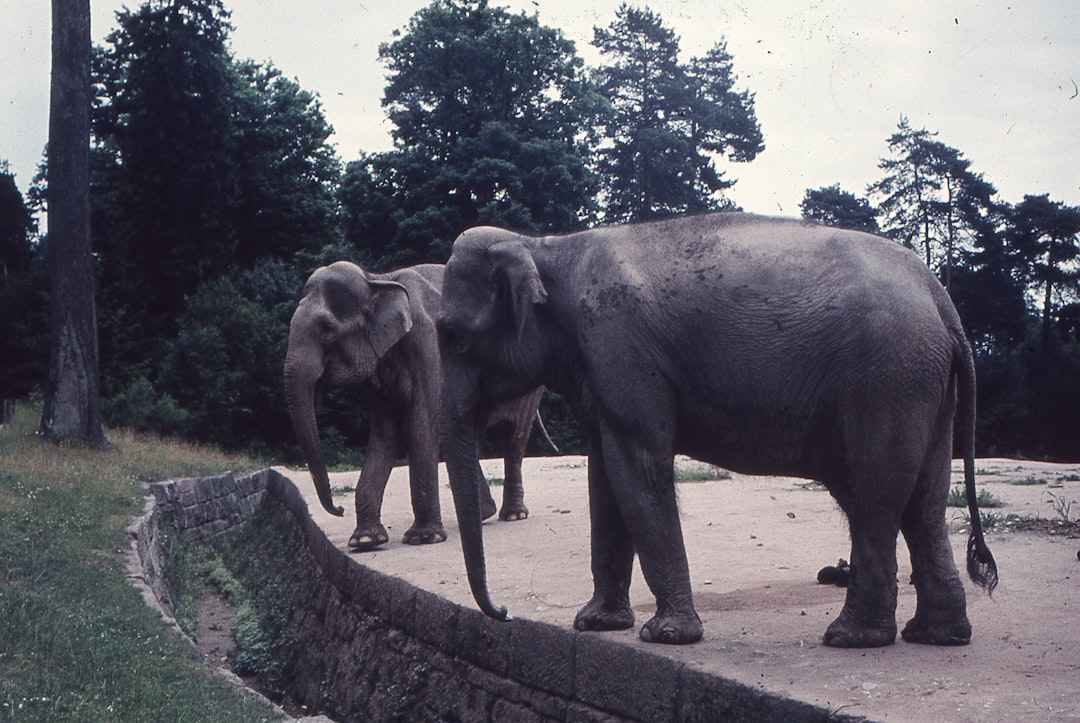
An elephant’s ability to feel deep empathy is hugely evident in how they grieve and mourn their dead. Elephants often make repeated visits to carcasses, spend varying amounts of time with the bodies, and exhibit behaviours beyond curiosity, such as standing with inactive trunks.
Asian elephants, in particular, are among the few non-human species believed to express some form of grief following the death of a family member. Their mourning behaviors include touching the deceased with their trunks, covering bodies with vegetation, and returning to gravesites years later. Some researchers have documented elephants carrying the bones of deceased family members, suggesting a deep emotional attachment that transcends death.
Rats Choose Compassion Over Chocolate
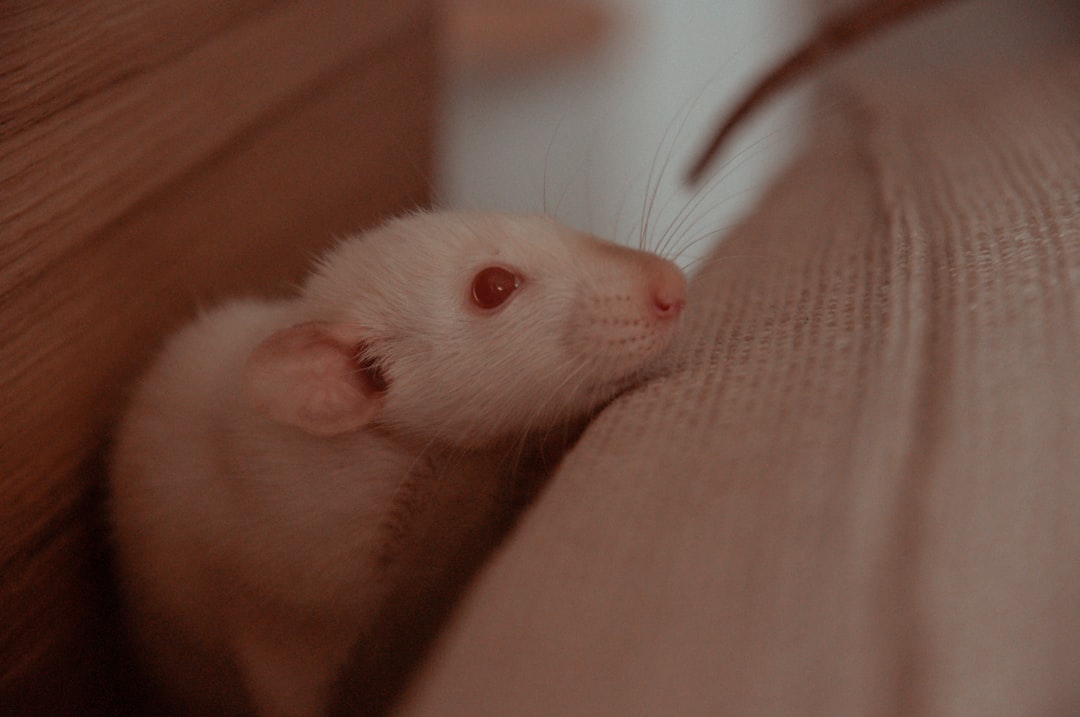
Rats preferring to free trapped companions than to eat chocolate chips represents one of the most striking examples of animal empathy discovered in laboratory settings. In controlled experiments, rats consistently chose to release distressed companions from restraining devices, even when presented with their favorite treats as an alternative reward.
In an experiment, rats were allowed to free a trapped companion. Many of them chose to release the other rat, even without any reward for doing so. This suggests that rats are capable of empathy, as they act to relieve the suffering of others. This selfless behavior challenges our assumptions about supposedly “lower” animals and suggests empathy evolved much earlier than previously thought.
Whales Show Cross-Species Compassion

Whales, particularly orcas, show remarkable empathy within their pods and toward other species. Orcas demonstrate remarkable social bonds and have been observed displaying protective behaviors within their pods.
They’ve found that many types of whales have specialized “spindle cells” – cells important in processing emotion and developing intelligent behavior – in brain regions linked to social organization, empathy, intuition about the feelings of others, and rapid gut reactions. These same brain structures were previously thought to exist only in humans and great apes, suggesting whales possess sophisticated emotional processing capabilities similar to our own.
Dogs Can Sense Human Emotions With Scientific Precision

Dogs are known for their strong bond with humans, often displaying empathy when their owners are upset or in pain. They can sense changes in human emotions and frequently respond by staying close, licking, or nuzzling.
Their empathetic abilities extend beyond humans to other species. Dogs also comfort other animals, demonstrating concern for creatures outside their species. Research shows dogs can distinguish between genuine distress and fake emotional displays, responding appropriately to real suffering while ignoring theatrical performances. This suggests their empathy involves genuine emotional understanding rather than simple conditioning.
Chimpanzees Console Victims Like Trauma Counselors
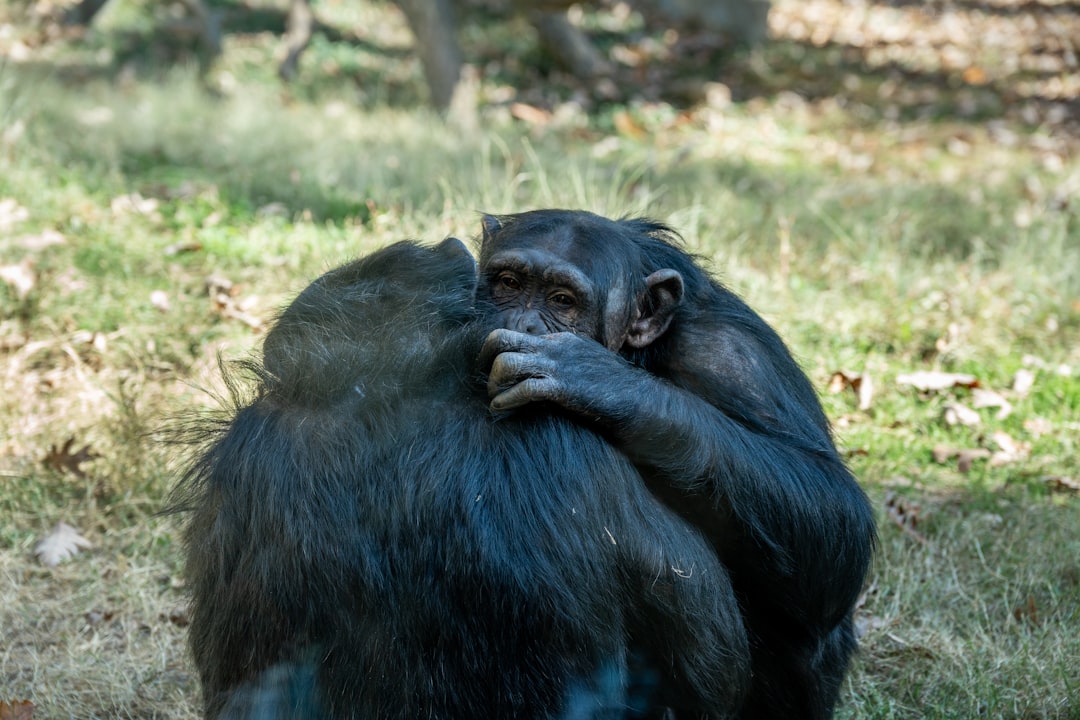
After one chimpanzee has attacked another, for example, a bystander will go over to gently embrace the victim until he or she stops yelping. This consolation behavior appears spontaneously and serves no apparent benefit to the comforting chimpanzee.
They are able to comfort others because of their better capacity to tamp down their own emotions. Emotional control is also a major factor in human empathy. Young bonobos who excel at managing their own distress are the first to provide comfort to others, suggesting empathy requires sophisticated emotional regulation skills that parallel human development.
Dolphins Rescue Humans and Help Injured Pod Members Breathe
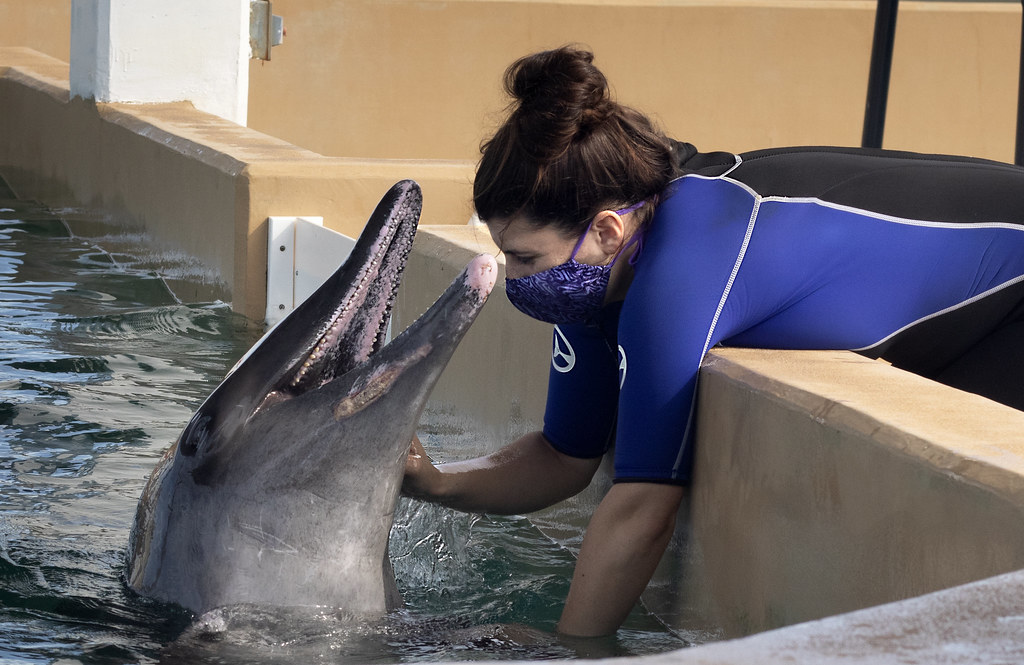
These marine mammals have been observed helping injured or sick companions by pushing them to the surface for air. Dolphins also assist humans, sometimes offering rescue in dangerous situations, like when a swimmer is in distress.
Historical accounts dating back to ancient Greece describe dolphins saving drowning sailors, but modern research has documented specific instances of dolphins protecting humans from shark attacks and guiding lost swimmers to shore. Their ability to recognize distress across species boundaries demonstrates remarkable empathetic intelligence.
Mice Feel Pain When Their Companions Suffer
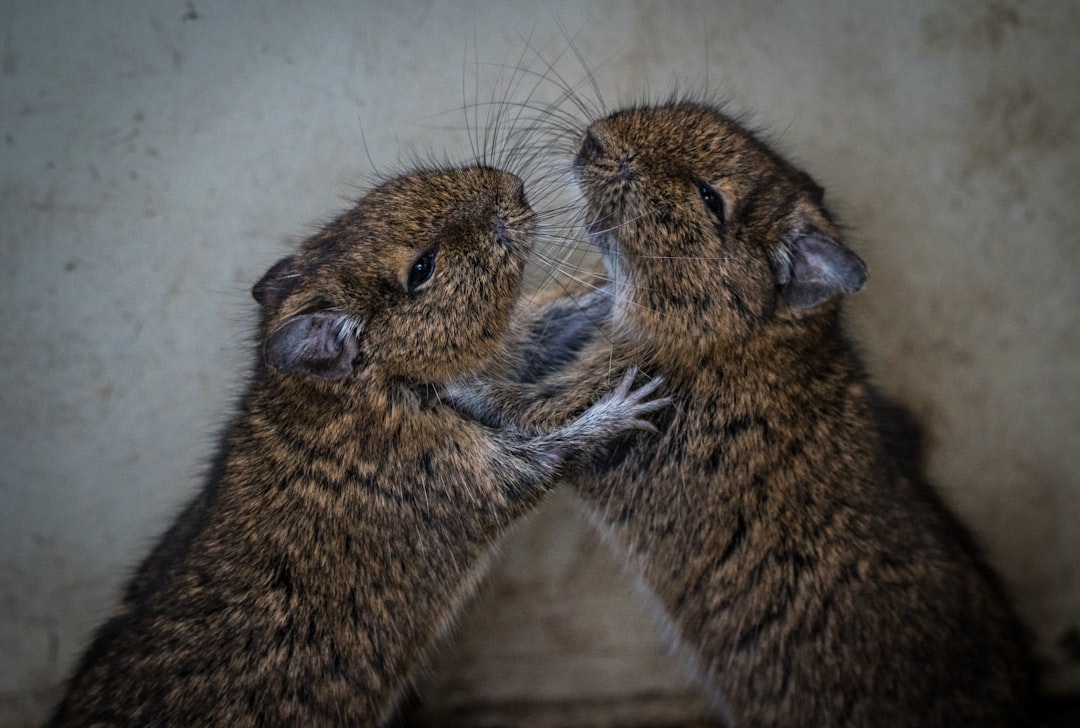
One of the most rigorous and particularly revealing studies of animal empathy came in 2006 from Dale J. Langford, then a psychology graduate student at McGill University, and her colleagues in a paper entitled “Social Modulation of Pain as Evidence for Empathy in Mice,” published June 30, 2006, in Science.
The groundbreaking study revealed that mice experience heightened pain sensitivity when witnessing cage mates in distress. Observations of these rodents and many other animals clearly show that they experience empathy and other feelings. This phenomenon, called emotional contagion, represents the most basic form of empathy and appears widespread across mammalian species.
Octopuses Share Food Despite Being Solitary Creatures
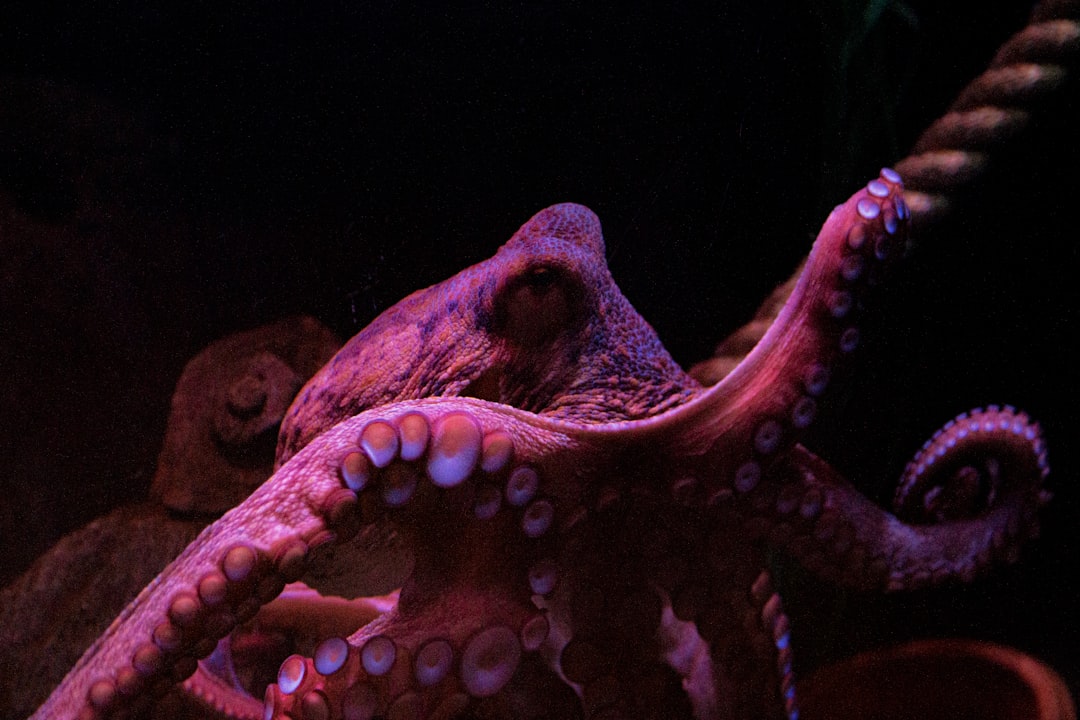
Although octopuses are solitary creatures, they have shown empathy in laboratory settings. In one experiment, octopuses were seen sharing food with others, even though it was not required.
This behavior is particularly remarkable because octopuses typically avoid contact with their own kind except during mating. Their capacity for empathy is not as widely recognized as in mammals, but these instances suggest that octopuses may form emotional connections with other creatures. This surprising display of kindness demonstrates that empathy can be found in the most unexpected places. Their willingness to share resources challenges assumptions about invertebrate emotional capacity.
Cows Form Deep Friendships and Protective Alliances
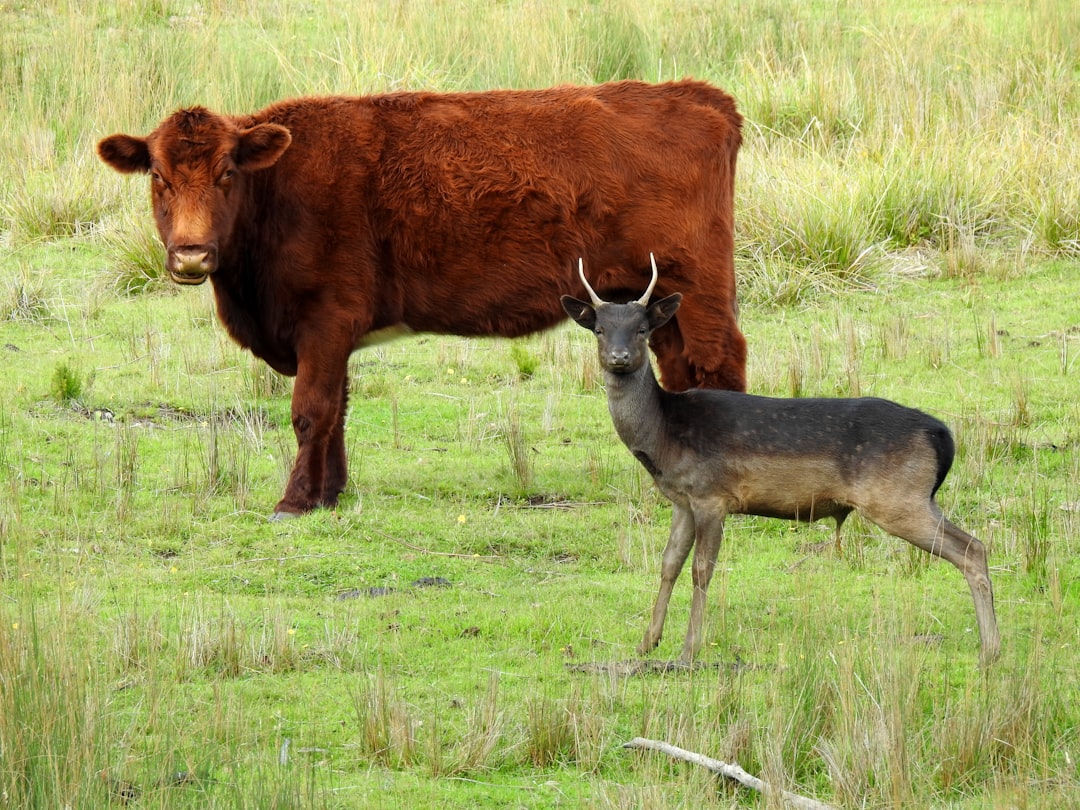
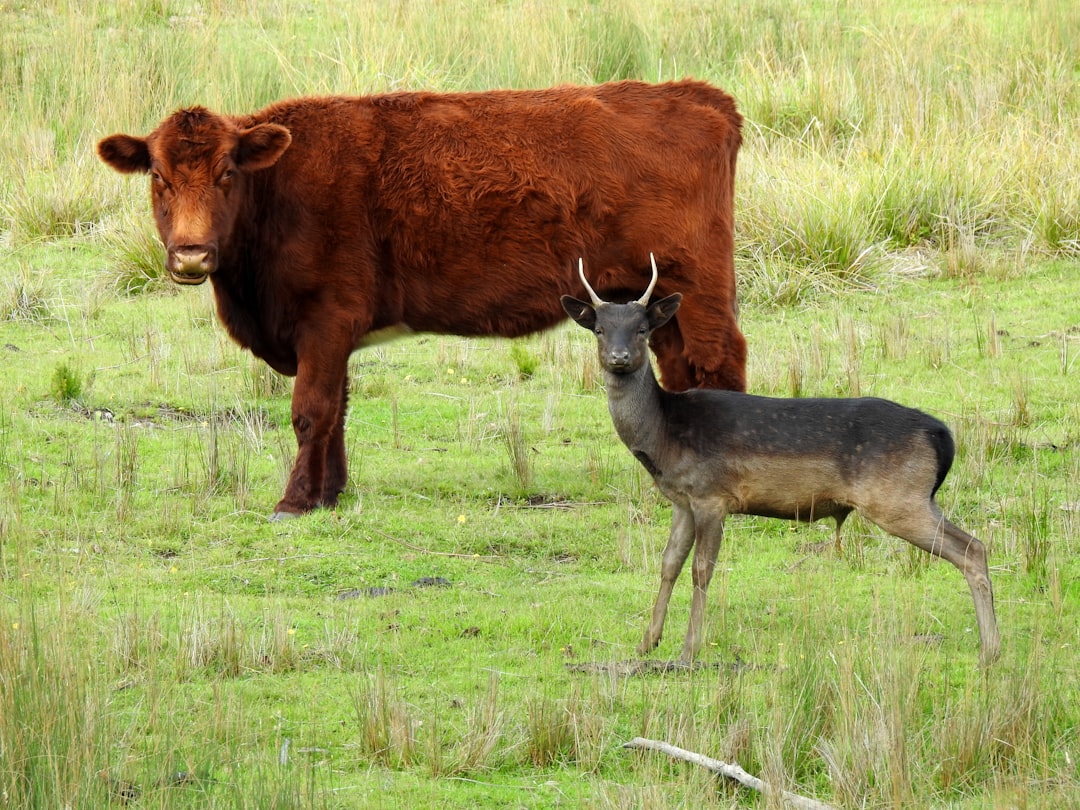
Cows are often misunderstood as being simple creatures, but they display profound empathy within their herds. These animals form strong emotional bonds and respond to the distress of their companions by vocalizing and trying to reunite with them.
Cows have also been observed to exhibit protective behaviors, especially toward calves or injured herd members. Research has documented cows becoming visibly distressed when separated from preferred companions, and some individuals form lifelong friendships that persist across pasture changes and different seasons. Their social complexity rivals that of primates in many respects.
Conclusion
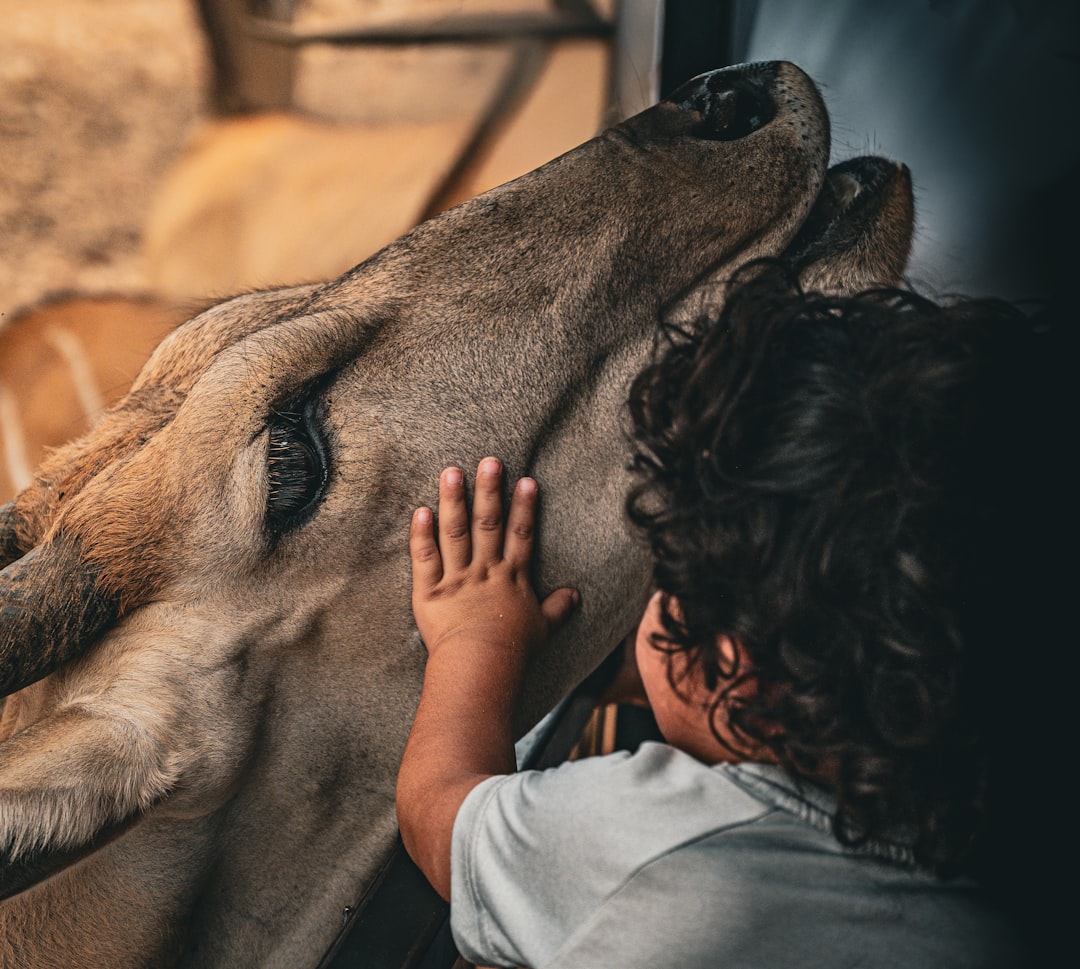
These remarkable discoveries about animal empathy fundamentally challenge our understanding of consciousness, emotion, and intelligence in the natural world. From rats sacrificing treats to help companions to elephants conducting elaborate funeral ceremonies, the evidence reveals that empathy spans far beyond the human experience.
More evidence exists than ever in history that our non-human friends are experiencing feelings much like we do. This growing body of research doesn’t just satisfy scientific curiosity. It demands we reconsider our ethical responsibilities toward wildlife and recognize that we share this planet with beings whose emotional lives may be as rich and complex as our own.
What does this mean for how you’ll view that squirrel in your backyard or the cows in nearby pastures? Share your thoughts with us in the comments.
Worried about unexpected vet bills?
Pet insurance can cover thousands in unexpected vet costs. Get a free quote from Lemonade in under 2 minutes.
Get My Free Quote →Sponsored · Opens Lemonade.com

- How Muskrat Behavior Can Indicate Climate Change in The Carolinas - June 6, 2026
- What Ancient Animal Symbolizes Prosperity for Your Zodiac Sign? - June 6, 2026
- The US States With the Most Elk - June 6, 2026