
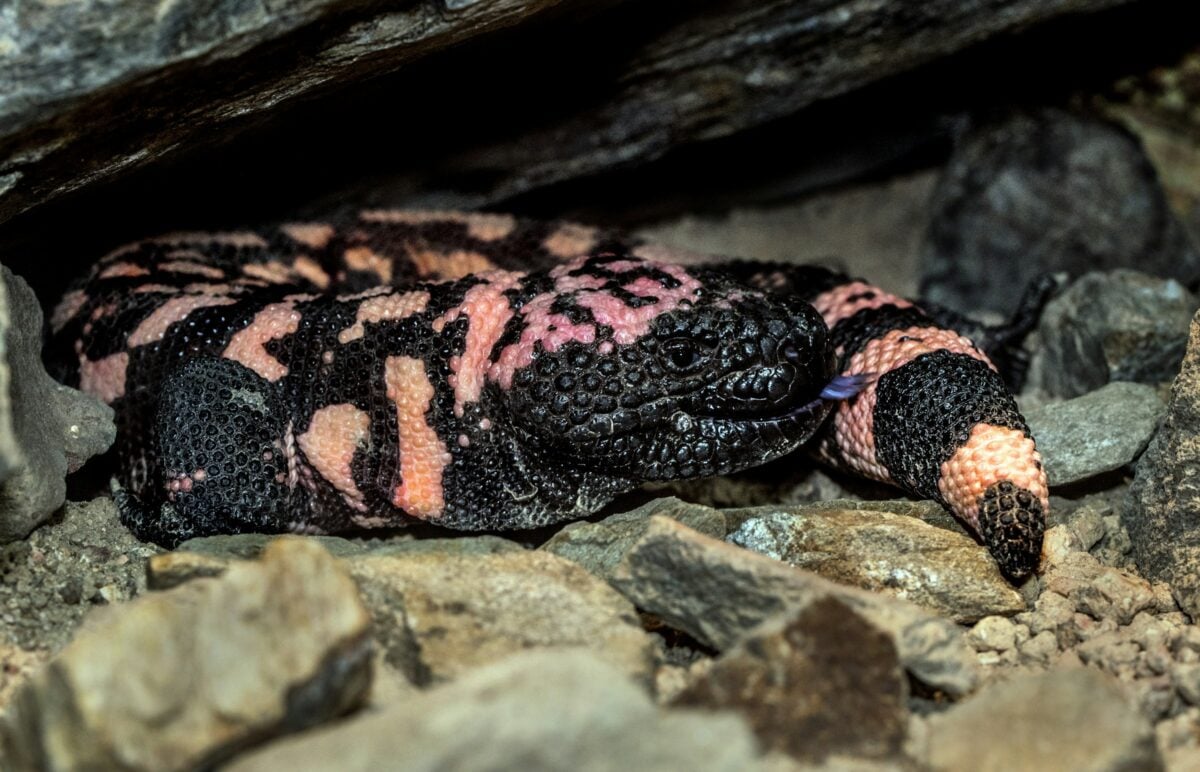


Picture a chunky, slow-moving lizard in beaded black and pink, plodding across a desert road at dawn. It looks a bit like a toy that lost its batteries. Yet this animal carries something in its mouth that changed how doctors treat one of the most common chronic diseases on Earth.
The Gila monster has a rough reputation, and most of it is undeserved. The real story is stranger and more useful than the myths. Here are nine facts, counted down from nine, that show why this reptile deserves more respect than fear.
9. It’s The Only Native Venomous Lizard In The United States
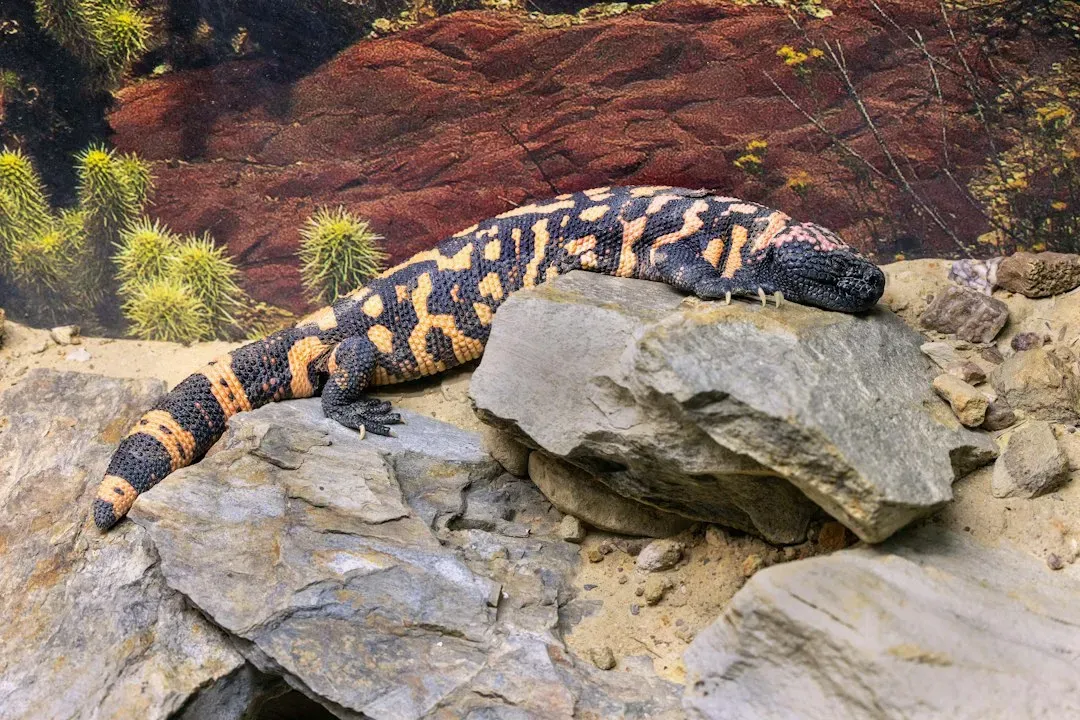
Out of thousands of lizard species worldwide, only a tiny handful are venomous. The Gila monster, Heloderma suspectum, is the only native venomous lizard north of the Mexican border. Its closest relatives are the beaded lizards of Mexico and Central America.
Its range covers the Sonoran, Mojave and Chihuahuan deserts. That means parts of Arizona, southwestern New Mexico, southeastern California, southern Nevada and southwestern Utah, plus northwestern Mexico. The name comes from the Gila River basin in the Southwest.
Scientists have studied this group for a long time. Their lineage is ancient, and their venom system is quite different from what snakes use.
8. It Spends Most Of Its Life Hidden Underground
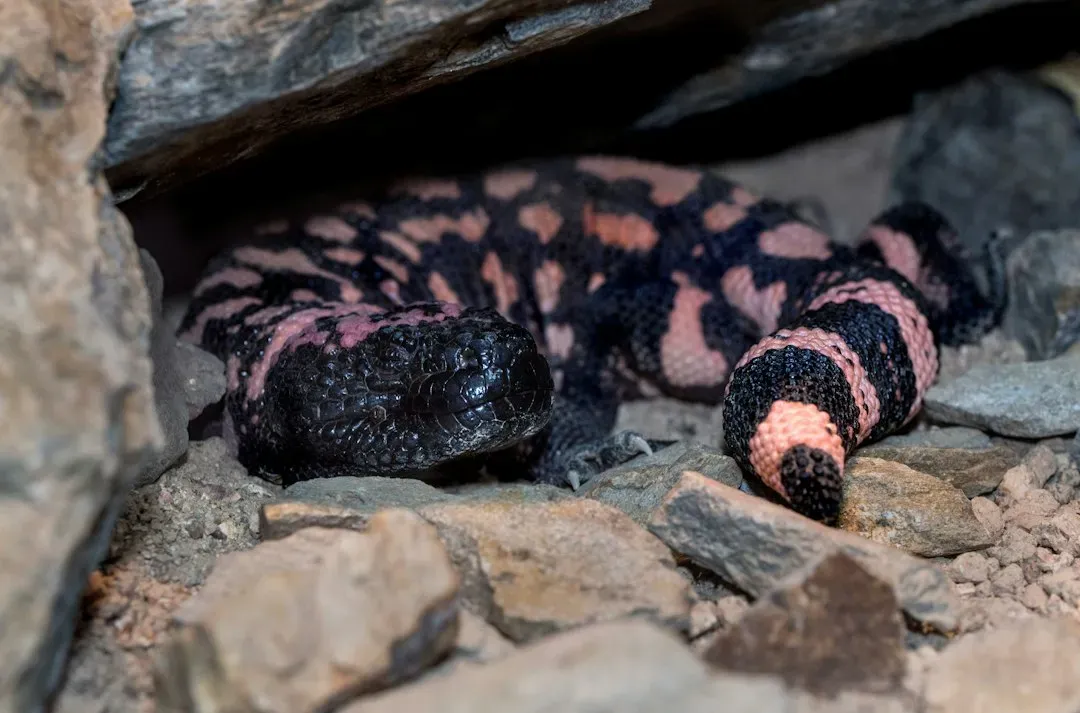
If you’ve never seen one in the wild, that’s normal. Gila monsters spend the vast majority of their lives in burrows, rock crevices or shelters they borrow from other animals. Some estimates put it at around ninety percent of the year or more.
They tend to come out in spring and early summer, often in the morning or around dusk. Wandering around looking for food and mates is risky in a desert that can cook you alive. So they pick their moments carefully.
This hidden lifestyle is a big reason they’re hard to study. Researchers often rely on radio tracking to learn where the animals go, since spotting one by chance is a stroke of luck.
7. Its Tail Is A Fat Storage Tank
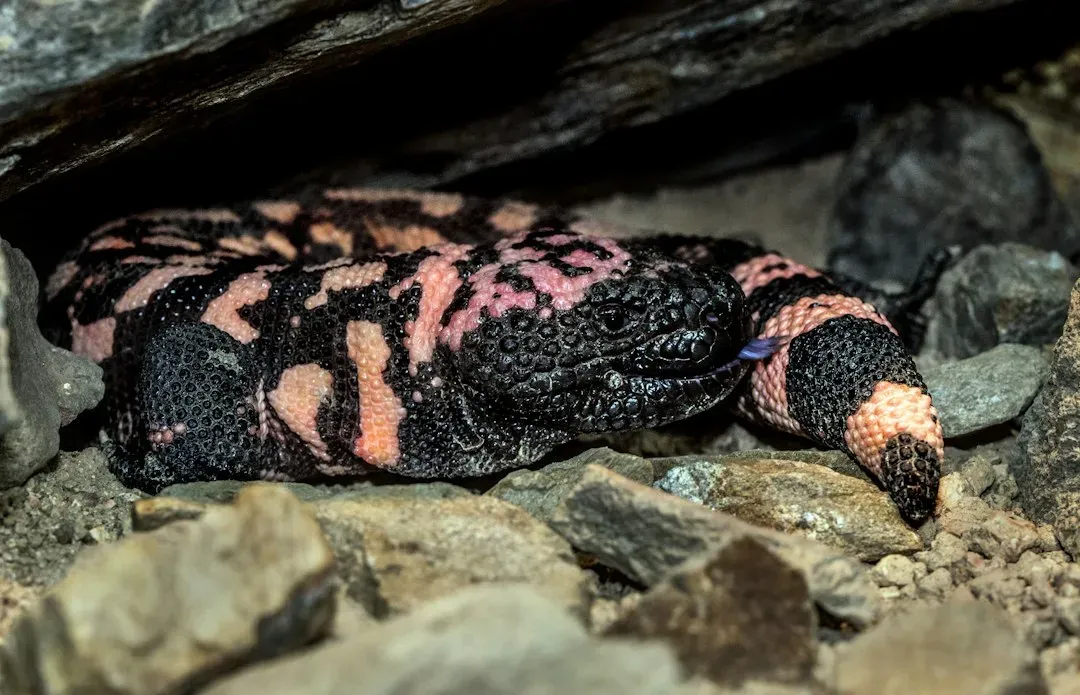
A Gila monster doesn’t eat often. Its thick tail stores fat, which works like a reserve fuel tank during long stretches without food. A healthy animal has a visibly plump tail, while a skinny one usually signals trouble.
When food does show up, it’s often eggs, nestling birds or baby rabbits and rodents. They find these mostly by smell, flicking their forked tongues to pick up scent. A single big meal can make up a surprisingly large share of the animal’s body weight.
That feast-or-famine strategy suits a desert life. It also hints at why the lizard’s body chemistry turned out to be so interesting to medical researchers.
6. The Bite Works Differently Than A Snake’s
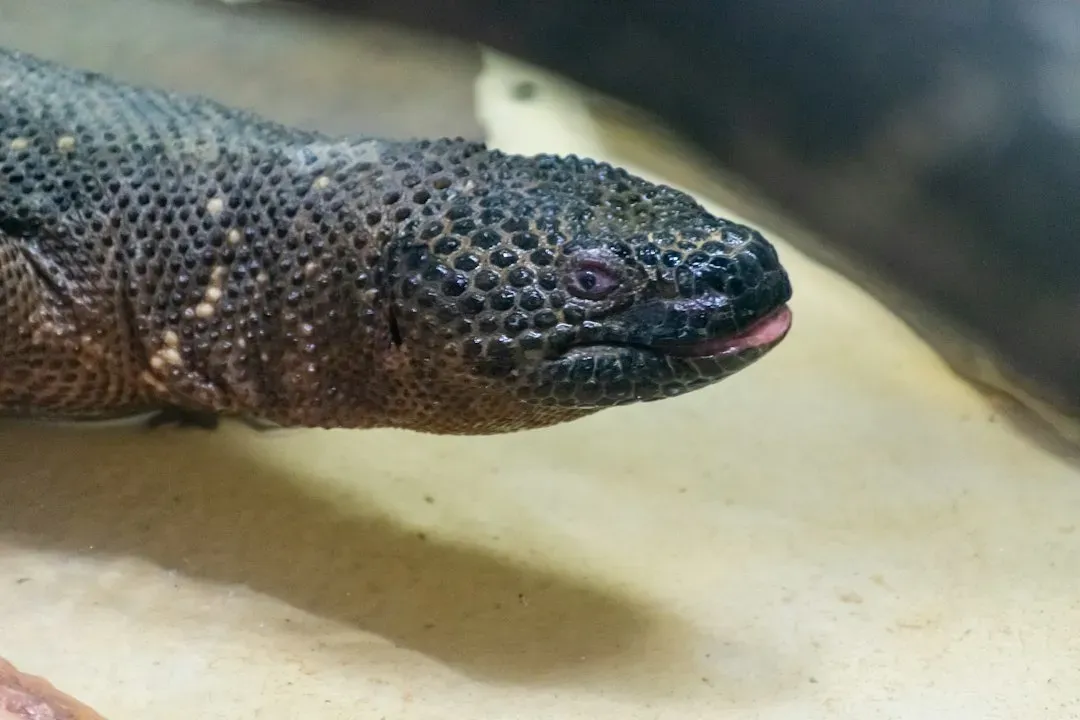
Snakes use hollow fangs to inject venom, almost like a syringe. Gila monsters do it more crudely. Their venom glands sit in the lower jaw, and the venom flows through grooves in their teeth as the lizard bites and chews.
The animal often clamps on and holds tight, which makes the bite intense. Because delivery is less efficient than a snake strike, the dose tends to be limited. Even so, a bite can cause severe pain, swelling, nausea and a drop in blood pressure.
Deaths in healthy people are extremely rare, and most bites happen when someone tries to handle the animal. Any bite still deserves medical attention, though. It’s not worth testing your luck.

Smart Bird Feeder with Camera Solar Powered, 2K HD Live Video, 10,000+ Bird Species AI Identification
Check Price on AmazonAs an Amazon Associate, we earn from qualifying purchases.
10/7/2026 1:22 pm GMTi

Halloween Dog Collar with Bow, Orange Cute Ghost Collar,
Check Price on AmazonAs an Amazon Associate, we earn from qualifying purchases.
10/9/2026 2:43 pm GMTi

2 Pcs Halloween Pet Hat Bandana Set, Witch Pumpkin Costumes for Dogs
Check Price on AmazonAs an Amazon Associate, we earn from qualifying purchases.
10/9/2026 2:45 pm GMTi

Dog Stairs for Bed 18" H, 4-Step Dog Steps for High Bed
Check Price on AmazonAs an Amazon Associate, we earn from qualifying purchases.
10/9/2026 2:42 pm GMTi

Halloween Cat Costume Cloak Witch Hat Pet Accessories
Check Price on AmazonAs an Amazon Associate, we earn from qualifying purchases.
10/9/2026 2:44 pm GMTi
5. A Hormone In Its Saliva Caught A Doctor’s Attention
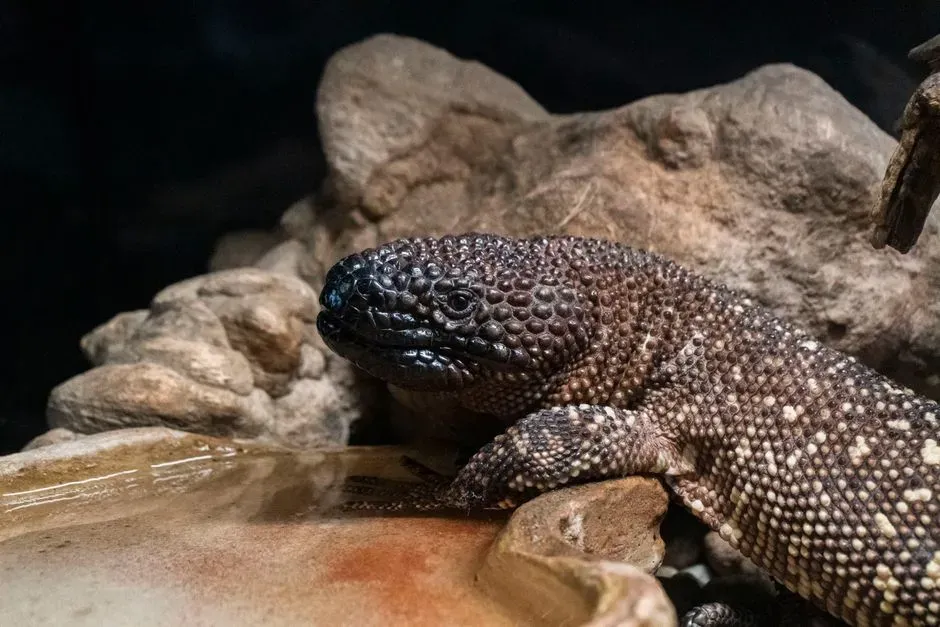
In the early 1990s, endocrinologist John Eng, working at a Veterans Affairs medical center in the Bronx, studied peptides in Gila monster venom. He isolated one he named exendin-4. It looked a lot like a human hormone called GLP-1, which helps the body manage blood sugar after a meal.
The difference was durability. Human GLP-1 gets broken down within minutes, while exendin-4 lingers much longer. That staying power turned a curiosity into a possible drug.
It’s a good reminder that useful discoveries don’t always come from expected places. Sometimes they come from asking what a desert lizard’s spit is made of.
4. That Peptide Became A Real Diabetes Medication
A synthetic version of exendin-4, called exenatide, was approved by the U.S. FDA in 2005 for type 2 diabetes. The first brand was Byetta, and a once weekly form, Bydureon, followed later. The drug isn’t harvested from lizards, because it’s made in a lab.
Exenatide helps the pancreas release insulin when blood sugar is high. It also slows how quickly the stomach empties and can reduce appetite. Together, those effects help people control glucose levels.
Millions of people with type 2 diabetes have been treated with drugs in this broader family. Managing blood sugar well lowers the long term risk of damage to the eyes, kidneys, nerves and heart.
3. It Helped Open The Door To A Whole Drug Class
Exenatide was a pioneer of the GLP-1 receptor agonists. Newer medicines in the class, such as semaglutide and tirzepatide, have different designs and aren’t copies of the lizard peptide. Still, the idea that a long lasting GLP-1 mimic could work in patients was proven in part by that early success.
These newer drugs are now widely discussed for diabetes and weight management, and research continues on other conditions. The science here is moving quickly, and some claims are still being tested. It’s wise to treat bold promises with caution.
Credit shouldn’t be overstated, since decades of human biology research made all this possible. Yet the Gila monster supplied an important early clue.

Professional 7 in 1 Dog Paw Cleaner for Dogs & Cats - Includes 1 Portable Paw Washer, 1 Bath Brush
Check Price on AmazonAs an Amazon Associate, we earn from qualifying purchases.
10/7/2026 1:26 pm GMTi

Glass Hummingbird Feeder for Outdoors Hanging, 16 oz Leak-Proof Nectar Feeder with Bee Guards & Ant Moat
Check Price on AmazonAs an Amazon Associate, we earn from qualifying purchases.
10/7/2026 1:22 pm GMTi

Portable Dog Water Bottle Foldable Dog Travel Water Bottle
Check Price on AmazonAs an Amazon Associate, we earn from qualifying purchases.
10/7/2026 1:29 pm GMTi

Orthopedic Extra Large Dog Bed, Waterproof Washable XL Pet Bed 44"
Check Price on AmazonAs an Amazon Associate, we earn from qualifying purchases.
10/7/2026 1:32 pm GMTi

PetSafe Oasys Pet Fountain, 1/2 Gallon (64 oz), Small Dogs & Cats
Check Price on AmazonAs an Amazon Associate, we earn from qualifying purchases.
10/8/2026 8:14 am GMTi
2. The Lizard Itself Needs Protection
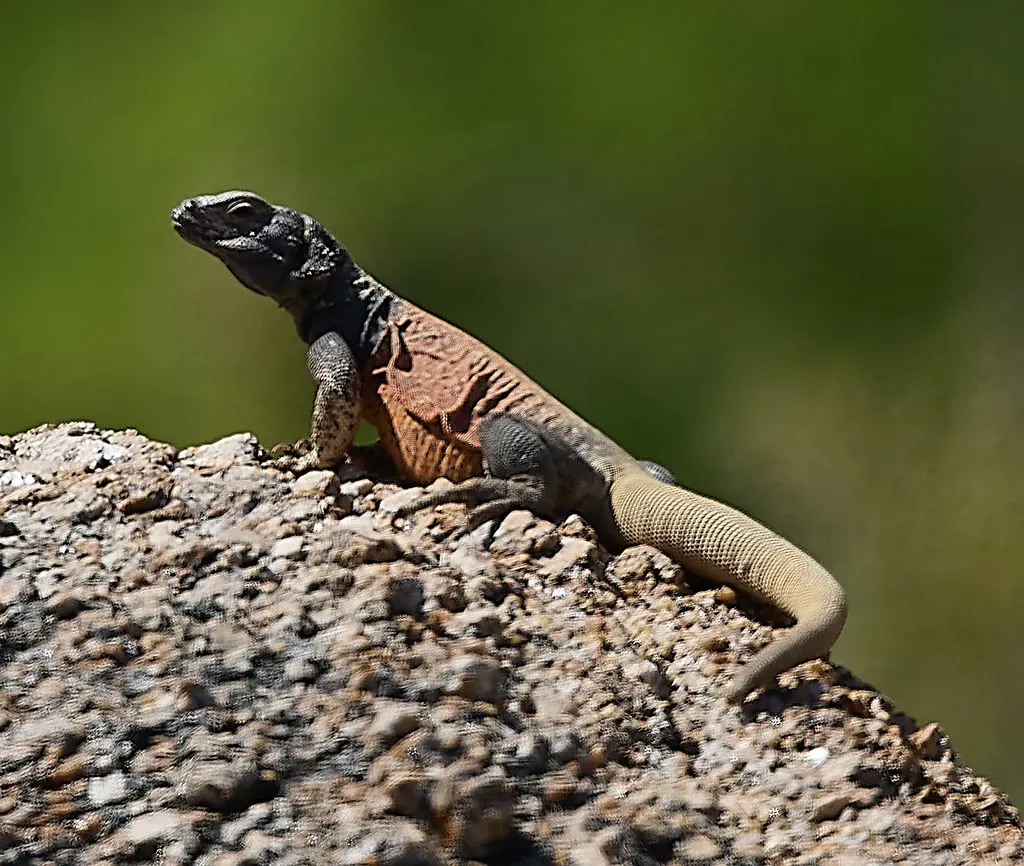
You’d think a creature with this kind of medical legacy would be thriving. It isn’t guaranteed. The IUCN lists the Gila monster as Near Threatened, mainly due to habitat loss, development, road deaths and illegal collection.
Several states protect the species by law, and in places like Arizona, collecting or killing one is illegal. Rules vary, so anyone who finds one should simply leave it alone. Wild animals are also not suited to life as pets.
There’s a quiet irony here. Losing wild populations before we understand their biology could mean losing future discoveries too.
1. Its Looks Are A Warning, And Staying Calm Is Smart
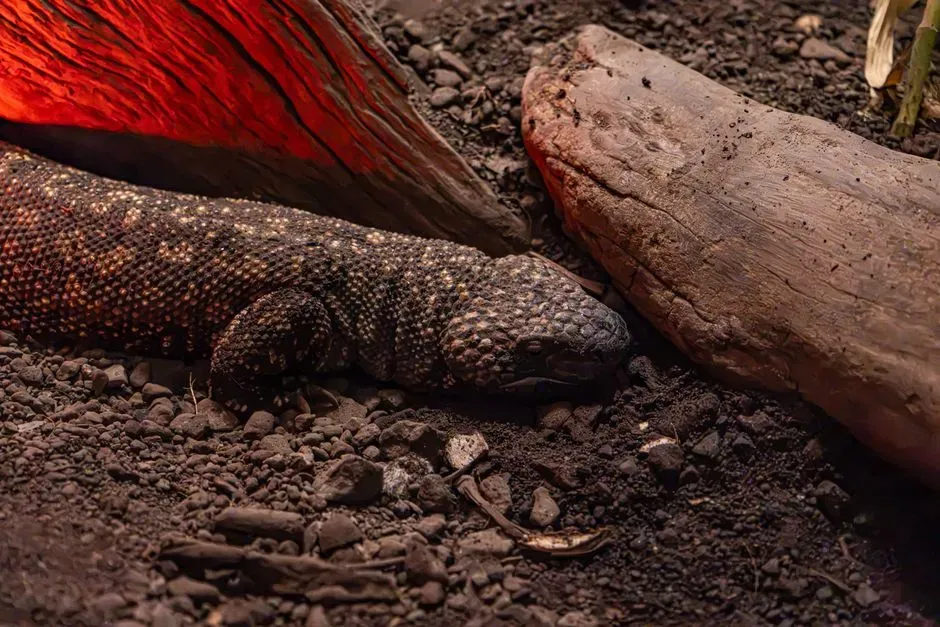
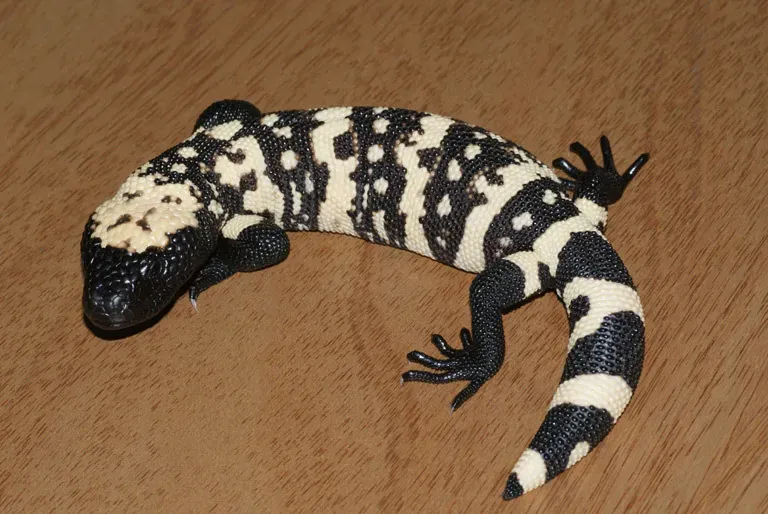
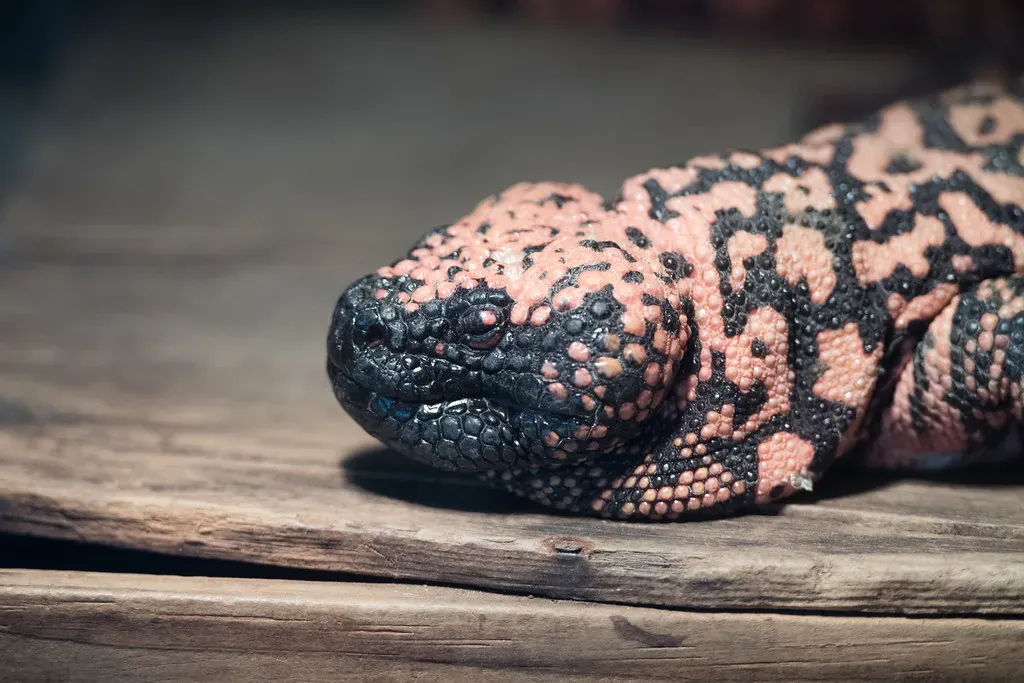
That bold pattern of pink, orange or yellow against black is a classic warning signal. Adults typically reach around a foot to nearly two feet long and are heavy bodied and slow. They can’t sprint after you, and they certainly don’t leap.
If you spot one on a trail, give it space and keep pets away. Most bites occur when people pick up or poke the animal. Backing off is the best move for both of you.
Gila monsters can also live for decades. A lizard you pass today might have been quietly wandering that same patch of desert for a very long time.

Glass Hummingbird Feeder for Outdoors Hanging
Check Price on AmazonAs an Amazon Associate, we earn from qualifying purchases.
10/7/2026 1:21 pm GMTi

Air Purifiers for Home Pets Large Room Up to 3000 Ft²,HEPA Air Cleaner with Washable Double-Side Filter, PM2.5 Air Quality Monitor,15dB Sleep Mode for Bedroom Odor Dust Pollen,White
Check Price on AmazonAs an Amazon Associate, we earn from qualifying purchases.
10/8/2026 8:23 am GMTi

Hand Blown Glass Hummingbird Feeders for Outdoors Hanging, 24oz Wild Bird Nectar Feeder
Check Price on AmazonAs an Amazon Associate, we earn from qualifying purchases.
10/7/2026 1:23 pm GMTi

Earth Rated XL Dog & Puppy Pee Pads, Discreet Top, Max Absorbency
Check Price on AmazonAs an Amazon Associate, we earn from qualifying purchases.
10/7/2026 1:28 pm GMTi
Final Thoughts
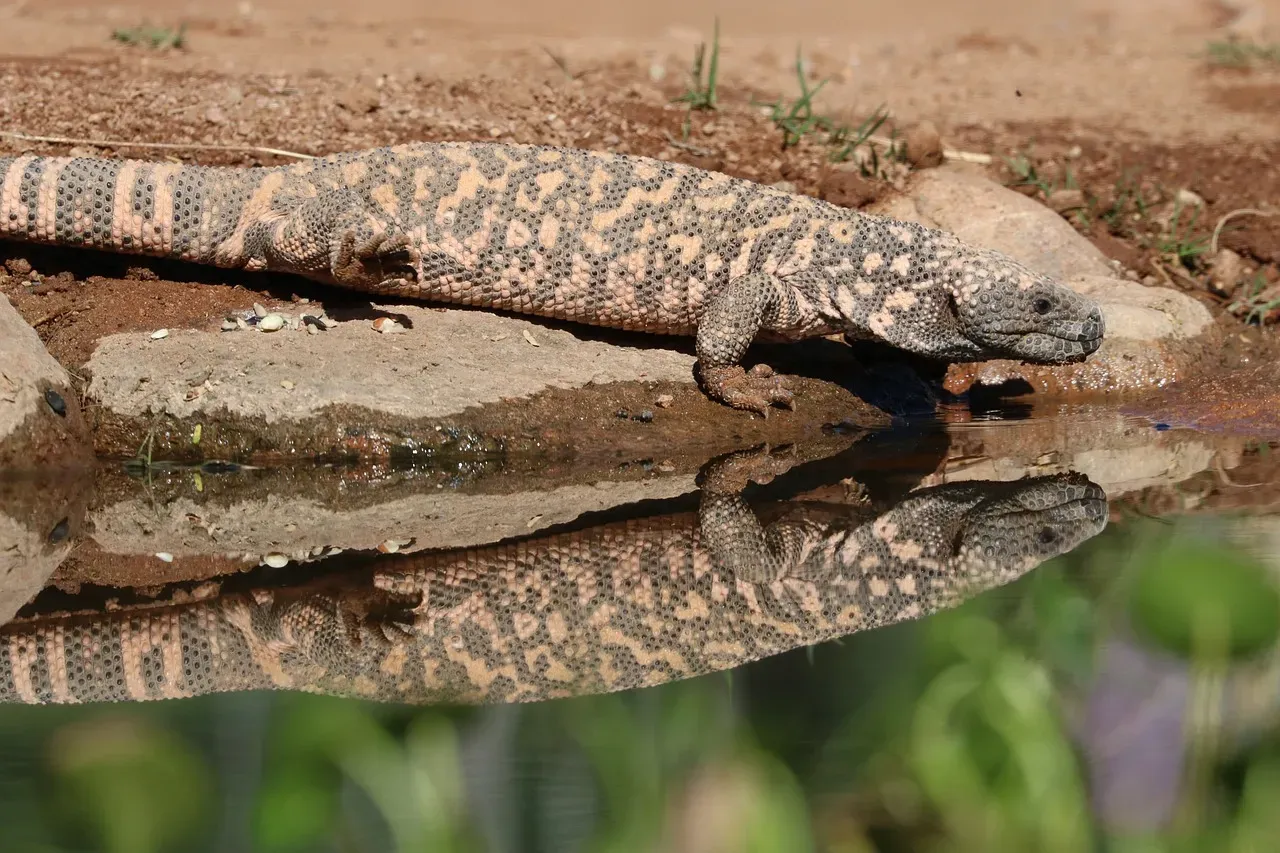
I think the Gila monster is one of nature’s best plot twists. Humans spent generations calling it a menace, and meanwhile its saliva held a blueprint for a medicine that now helps manage a serious disease.
The lesson isn’t that venom is magic. It’s that biodiversity is a library we haven’t finished reading, and we keep burning pages. If a slow, beaded lizard can teach modern medicine something, protecting its desert home looks less like sentiment and more like common sense.

As a little kid, I fell in love with nature, wildlife, and animals. Living in the USA, South Africa, Italy, China and Germany gave me the opportunity to discover the world's Wildlife. My favorite animals are Mountain Gorillas, Siberian Tigers, and Great White Sharks.
I'm a certified PADI Open Water Diver, went to Everest Base Camp and Trekked Gorillas in Uganda. I hold a Master of Science in Economics and Finance.
Please send any feedback to feedback@animalsaroundtheglobe.com
- 9 Facts About The Gila Monster and How Its Venom Is Saving Lives - November 12, 2026
- 14 Animals Endangered in the U.S. And Whats Being Done - November 12, 2026
- 15 Animal Behaviors Scientists Still Can not Explain - November 12, 2026