
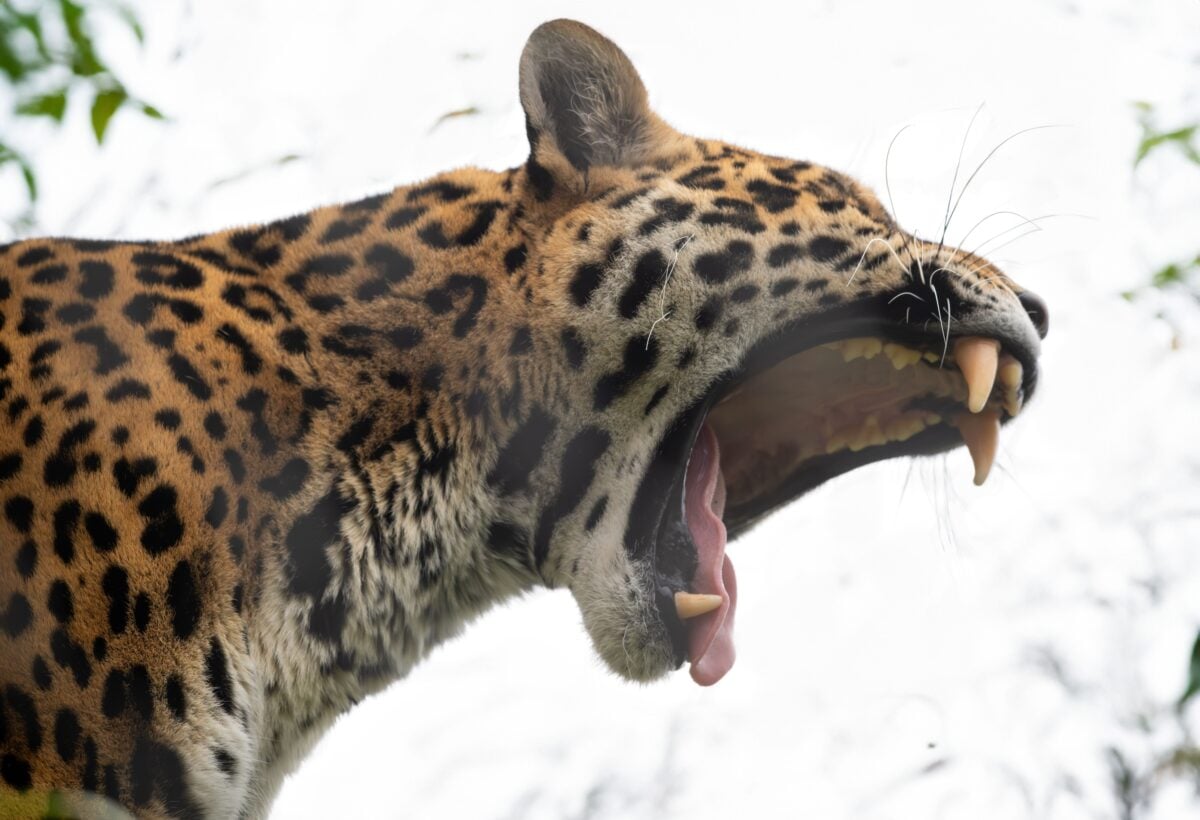

Jaguars carry a reputation for raw power that sets them apart even among the big cats. Their bite stands out not just for strength but for how it scales with their body size, allowing them to tackle prey that would challenge larger relatives. This capability shows up in the way they handle armored animals like turtles, turning what looks like an ordinary cat into something far more formidable in the wild.
Stories from the field often highlight these feats without much fanfare, yet they point to a deeper biological story. The combination of jaw muscles, skull shape, and hunting style creates a tool that works efficiently across different environments. Understanding this bite reveals more about how jaguars fit into their ecosystems than any single measurement could capture.
The Skull and Jaw Design That Delivers the Force
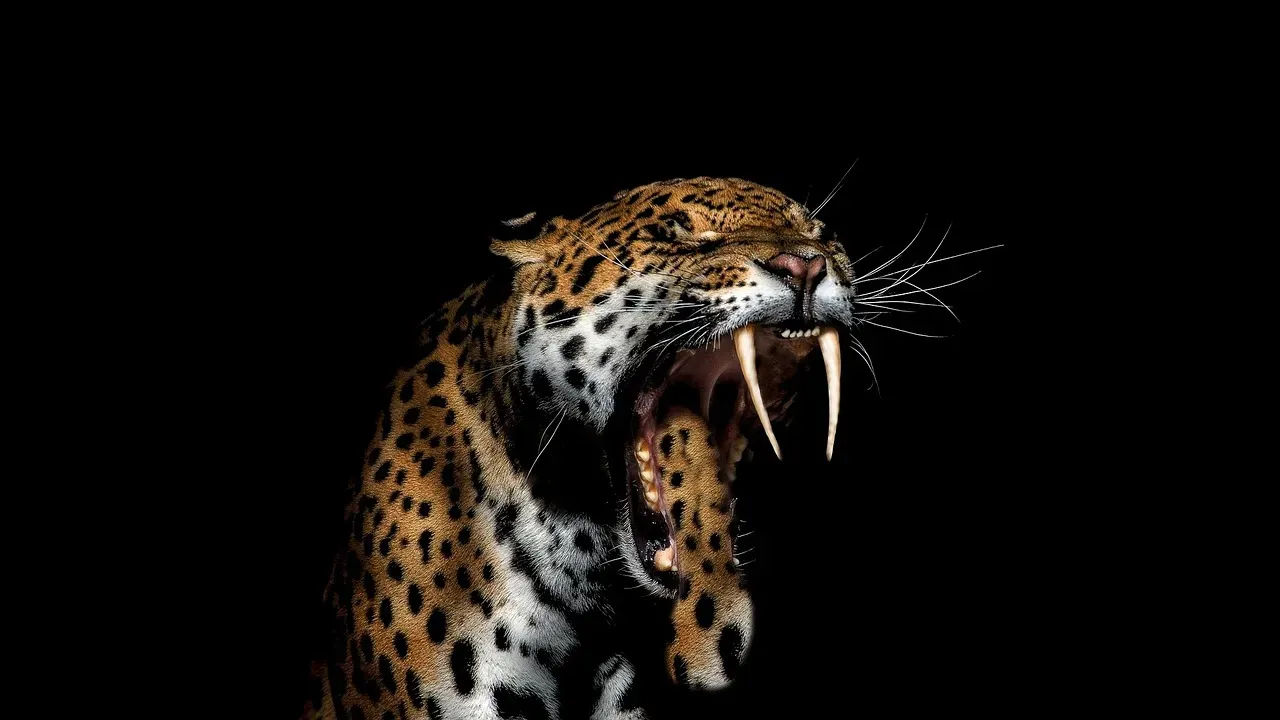
Jaguars possess a robust skull with a shorter, broader muzzle compared to many other cats. This structure concentrates muscle attachment points and allows the jaw to close with exceptional leverage. The temporalis and masseter muscles sit large and powerful, driving the bite through a direct line of force rather than relying on length alone.
Inside the mouth, the teeth align to maximize penetration and crushing. Canines are thick and conical, built to pierce rather than slice, while the carnassials handle shearing once the initial grip holds. These features work together so the animal can apply pressure without risking jaw damage during struggles with heavy or armored targets.
How the Bite Compares Across Big Cat Species
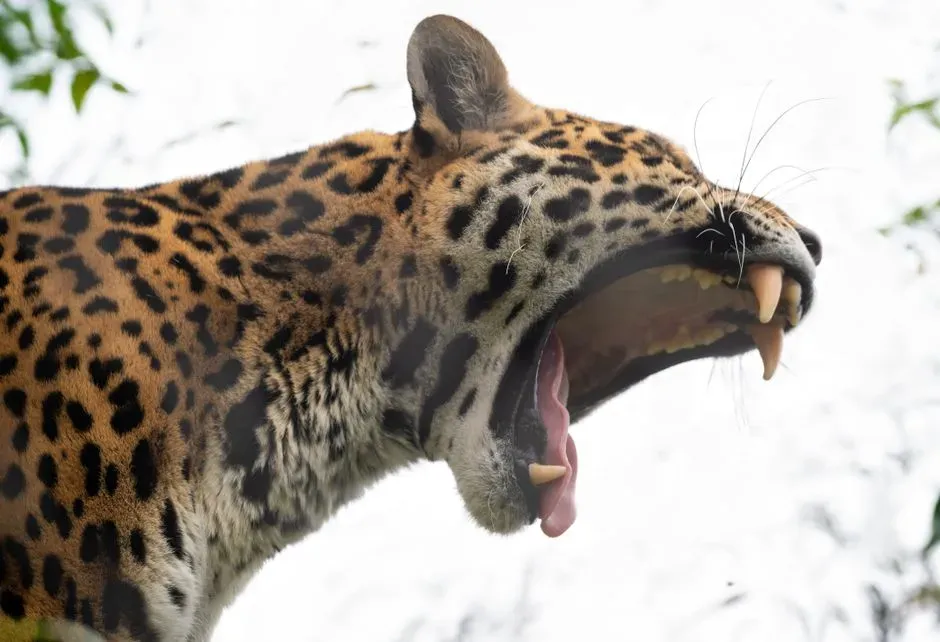
Among the big cats, jaguars rank highest when bite force is adjusted for body mass. Lions and tigers generate impressive absolute numbers due to their greater size, yet the jaguar pulls ahead on a per kilogram basis. This relative advantage means a jaguar weighing around 100 kilograms can exert pressure that rivals or exceeds what a much heavier animal achieves in proportion.
Leopards and snow leopards fall further behind in these scaled comparisons. Their bites suit different prey profiles, often smaller or less defended animals. The jaguar’s edge appears tied to its South and Central American range, where prey like caimans and turtles demand extra crushing power that other cats rarely encounter.
Handling Armored Prey Like Turtles
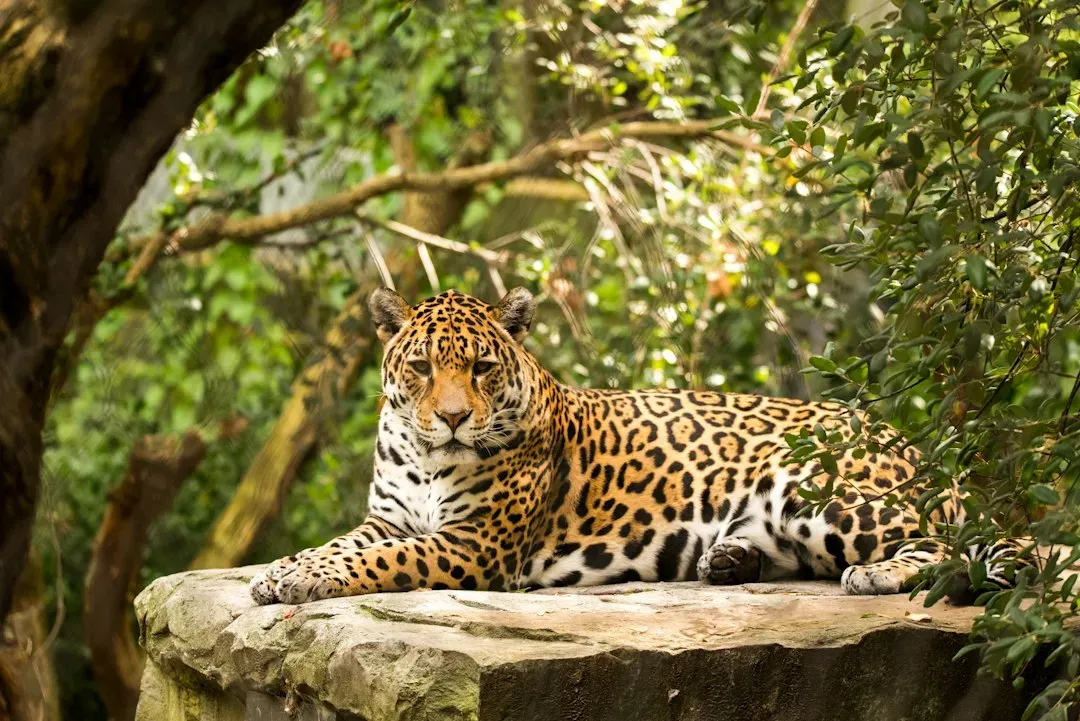
Turtle shells present a natural test of bite strength because they combine hardness with flexibility. Jaguars approach this challenge by targeting the shell’s weaker seams or by applying sustained pressure until cracks form. Field observations show them flipping turtles or pinning them before delivering the decisive bite along the carapace edge.
Once the shell gives way, the jaguar gains access to the soft tissue inside without needing to expend extra energy on prolonged fights. This method works across different turtle species and sizes, demonstrating versatility. The same technique extends to other tough prey such as armadillos, where the bite overcomes bony plates that would deter less equipped predators.

2 Pcs Halloween Pet Hat Bandana Set, Witch Pumpkin Costumes for Dogs
Check Price on AmazonAs an Amazon Associate, we earn from qualifying purchases.
10/9/2026 2:45 pm GMTi

Halloween Dog Collar with Bow, Orange Cute Ghost Collar,
Check Price on AmazonAs an Amazon Associate, we earn from qualifying purchases.
10/9/2026 2:43 pm GMTi

Air Purifiers for Home Pets Large Room Up to 3000 Ft²,HEPA Air Cleaner with Washable Double-Side Filter, PM2.5 Air Quality Monitor,15dB Sleep Mode for Bedroom Odor Dust Pollen,White
Check Price on AmazonAs an Amazon Associate, we earn from qualifying purchases.
10/8/2026 8:23 am GMTi

Glass Hummingbird Feeder for Outdoors Hanging
Check Price on AmazonAs an Amazon Associate, we earn from qualifying purchases.
10/7/2026 1:21 pm GMTi

Halloween Cat Costume Cloak Witch Hat Pet Accessories
Check Price on AmazonAs an Amazon Associate, we earn from qualifying purchases.
10/9/2026 2:44 pm GMTi
Measurements and Research Behind the Claims
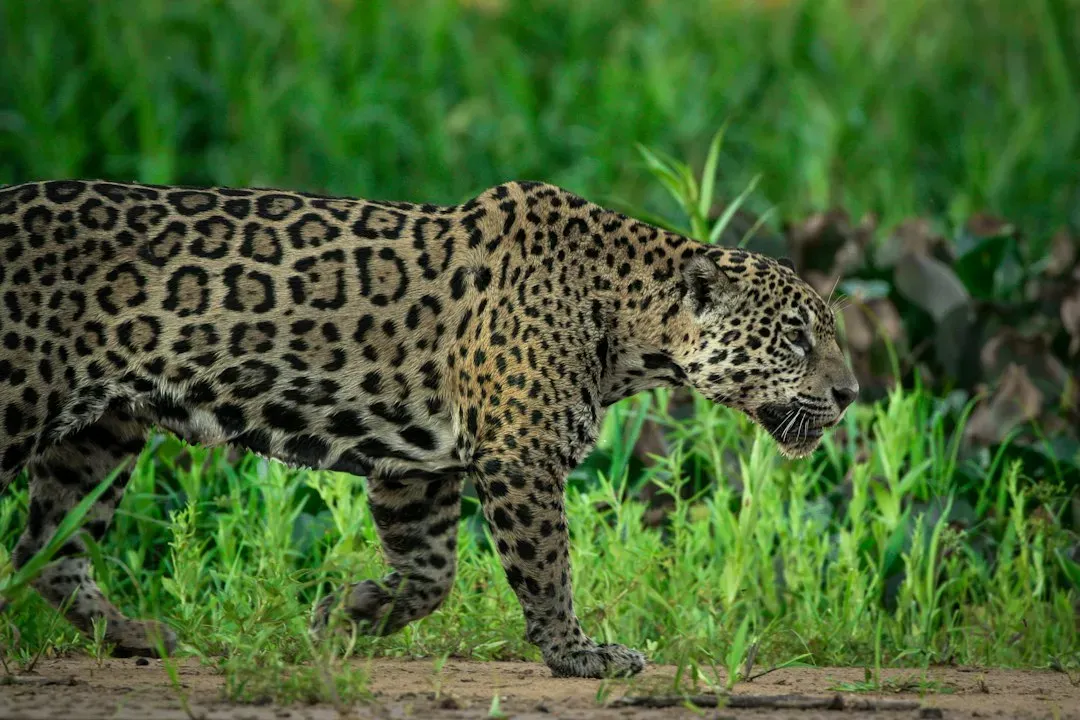
Scientists have used bite force transducers and computer modeling to quantify jaguar performance. These studies place the jaguar’s bite in a range that supports the relative strength claim, often exceeding 1,000 pounds per square inch in adult specimens. Adjustments for body size consistently place it ahead of other felids in published comparisons.
Researchers note that variables like age, health, and individual variation influence results, yet the overall pattern holds across multiple datasets. Museum specimens and live animal studies both contribute to the picture, showing consistent skull adaptations that correlate with higher force output. Such data comes from controlled settings rather than wild encounters alone.
Evolutionary Pressures That Shaped This Ability
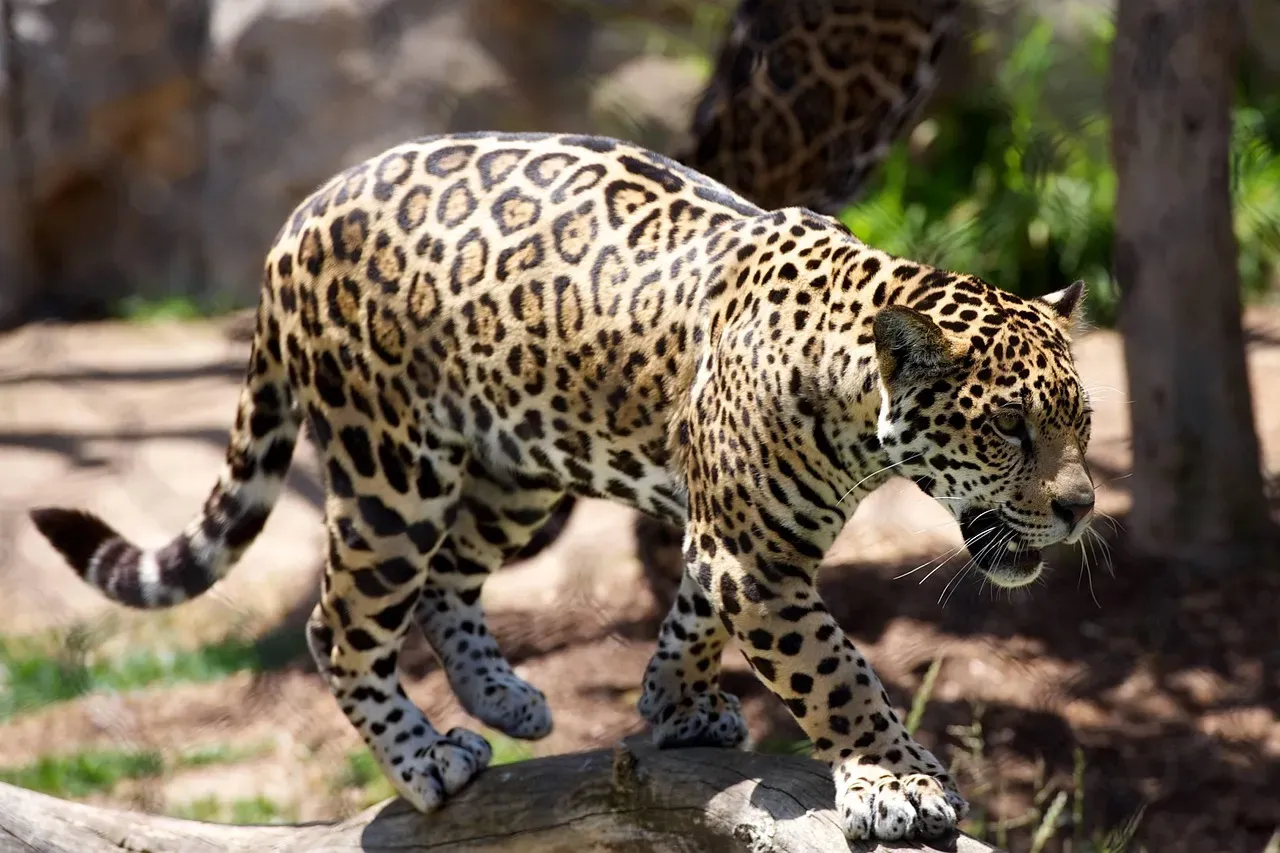
Jaguars evolved in environments rich with armored or thick skinned prey, which likely favored individuals with stronger bites over generations. Fossil records indicate early jaguar like cats already displayed robust jaw features, suggesting the trait developed early in their lineage. This adaptation allowed them to exploit food sources that competitors could not access as readily.
Habitat diversity across forests, wetlands, and grasslands further reinforced the need for a versatile bite. Prey availability changes with seasons and locations, so a single powerful tool serves multiple purposes. Over time, natural selection refined the balance between bite force, energy efficiency, and skull durability.

Glass Hummingbird Feeder for Outdoors Hanging, 16 oz Leak-Proof Nectar Feeder with Bee Guards & Ant Moat
Check Price on AmazonAs an Amazon Associate, we earn from qualifying purchases.
10/7/2026 1:22 pm GMTi

Professional 7 in 1 Dog Paw Cleaner for Dogs & Cats - Includes 1 Portable Paw Washer, 1 Bath Brush
Check Price on AmazonAs an Amazon Associate, we earn from qualifying purchases.
10/7/2026 1:26 pm GMTi

Smart Bird Feeder with Camera Solar Powered, 2K HD Live Video, 10,000+ Bird Species AI Identification
Check Price on AmazonAs an Amazon Associate, we earn from qualifying purchases.
10/7/2026 1:22 pm GMTi

PetSafe Oasys Pet Fountain, 1/2 Gallon (64 oz), Small Dogs & Cats
Check Price on AmazonAs an Amazon Associate, we earn from qualifying purchases.
10/8/2026 8:14 am GMTi

Earth Rated XL Dog & Puppy Pee Pads, Discreet Top, Max Absorbency
Check Price on AmazonAs an Amazon Associate, we earn from qualifying purchases.
10/7/2026 1:28 pm GMTi
Implications for Jaguar Survival Today
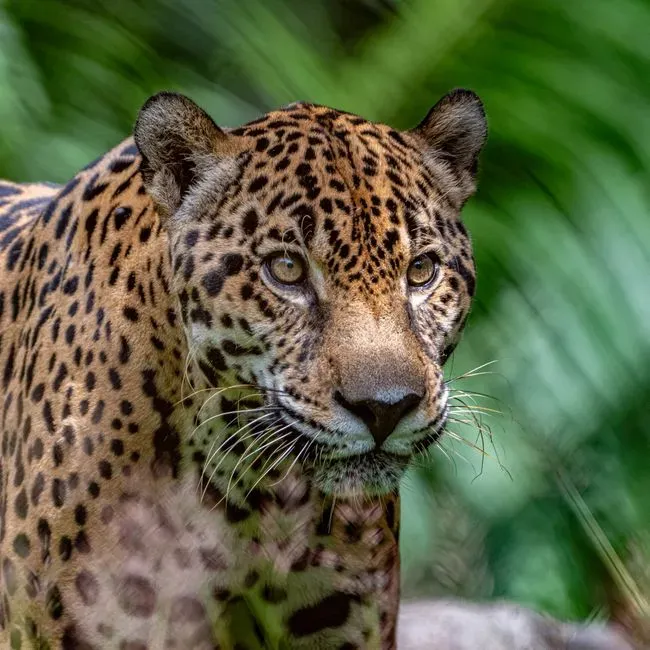
Modern pressures on jaguar populations include habitat loss and human conflict, yet their bite capability remains a key survival asset in remaining wild areas. Strong bites help them secure food even when preferred prey becomes scarce, supporting resilience in fragmented landscapes. Conservation efforts that protect diverse prey bases indirectly preserve the conditions that maintain this trait.
Understanding the bite also informs management strategies, such as reducing livestock conflicts by recognizing how jaguars naturally target certain animals. Public awareness of these biological details can shift perceptions from fear toward appreciation for the species role in ecosystems. The jaguar’s bite thus serves as both a functional tool and a symbol of the intricate adaptations that define wild cats.

Portable Dog Water Bottle Foldable Dog Travel Water Bottle
Check Price on AmazonAs an Amazon Associate, we earn from qualifying purchases.
10/7/2026 1:29 pm GMTi

Hand Blown Glass Hummingbird Feeders for Outdoors Hanging, 24oz Wild Bird Nectar Feeder
Check Price on AmazonAs an Amazon Associate, we earn from qualifying purchases.
10/7/2026 1:23 pm GMTi

Orthopedic Extra Large Dog Bed, Waterproof Washable XL Pet Bed 44"
Check Price on AmazonAs an Amazon Associate, we earn from qualifying purchases.
10/7/2026 1:32 pm GMTi

Dog Stairs for Bed 18" H, 4-Step Dog Steps for High Bed
Check Price on AmazonAs an Amazon Associate, we earn from qualifying purchases.
10/9/2026 2:42 pm GMTi
Looking Ahead at What This Reveals
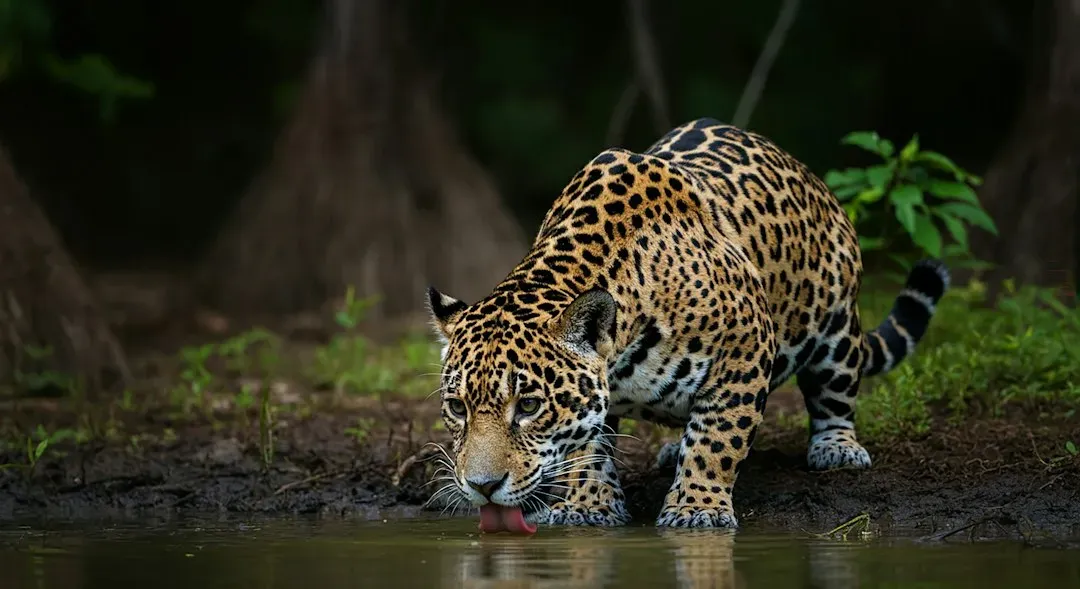
The jaguar bite stands as a reminder that relative power often matters more than raw size in nature. It highlights how specific traits evolve to meet local challenges rather than following a universal big cat template. Continued study will likely uncover finer details about how these animals use their jaws in daily life.
Appreciating this aspect of jaguar biology encourages broader interest in preserving the habitats that allow such adaptations to persist. In a changing world, these cats demonstrate the value of specialized tools honed over millennia. Their story invites quiet respect for the precision of evolutionary outcomes.

- Zoology Says Jaguars Have the Most Powerful Bite for Their Size of Any Big Cat – Strong Enough to Crack Turtle Shells - November 12, 2026
- Zoology Says a Tiger’s Stripes Aren’t Only on Its Fur – the Pattern Shows on Its Skin Too. - November 12, 2026
- Science Says Sponges and Other Animals Were Found Living on a Boulder Beneath Nearly 900 Meters of Antarctic Ice - November 12, 2026