
A chipmunk stuffing its cheeks, a sleepy deer on the roadside, a raccoon rinsing food in a stream – it all feels very calm and Disney-like, right? The twist is that many of these “aww”‑inducing animals carry a very real “do not push me” switch that flips the moment they feel trapped, injured, or protecting young. Most of the time, they just want to avoid trouble, but when escape seems impossible, they can go from gentle to genuinely dangerous in a heartbeat. I still remember standing way too close to a doe with a fawn as a kid, thinking I was being kind and quiet… until she flattened her ears, stomped the ground, and gave me a look that said everything. That’s the moment it clicked for me: these are not pets, they are wild animals with their own rules. Let’s walk through nine North American species that look harmless on the surface, but can absolutely ruin your day if they feel cornered.
1. White-Tailed Deer: Graceful Icons With Serious Fight Mode
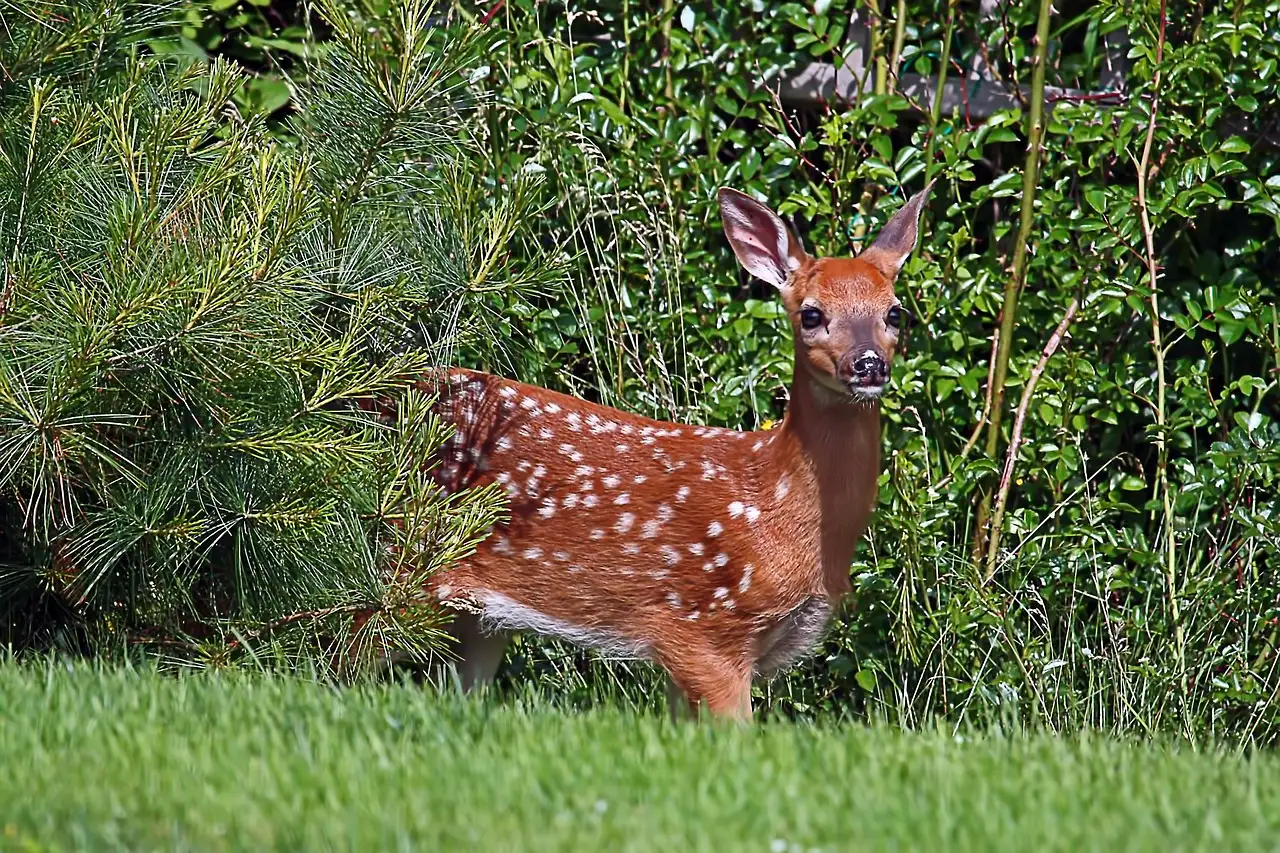
Most people think of white-tailed deer as gentle forest ghosts, silently stepping through fields at dusk. Their big eyes and twitching ears make them feel almost fragile, like they’re made of glass and moonlight. But when a deer feels trapped, especially a doe with a fawn nearby, all that fragile energy can flip into explosive aggression in seconds. A full-grown deer may kick, rear up, and strike with sharp hooves that can slash skin or even break bones. Bucks during the breeding season can be especially unpredictable, using antlers to gore rivals or anything they perceive as a threat. Hikers, photographers, and people trying to “rescue” fawns sometimes find out the hard way that getting too close can turn a peaceful scene into a panic-fueled attack. Give them space, keep dogs under control, and remember that those delicate legs can hit like swinging hammers.
2. Raccoons: Adorable Trash Bandits With a Brutal “Last Stand”
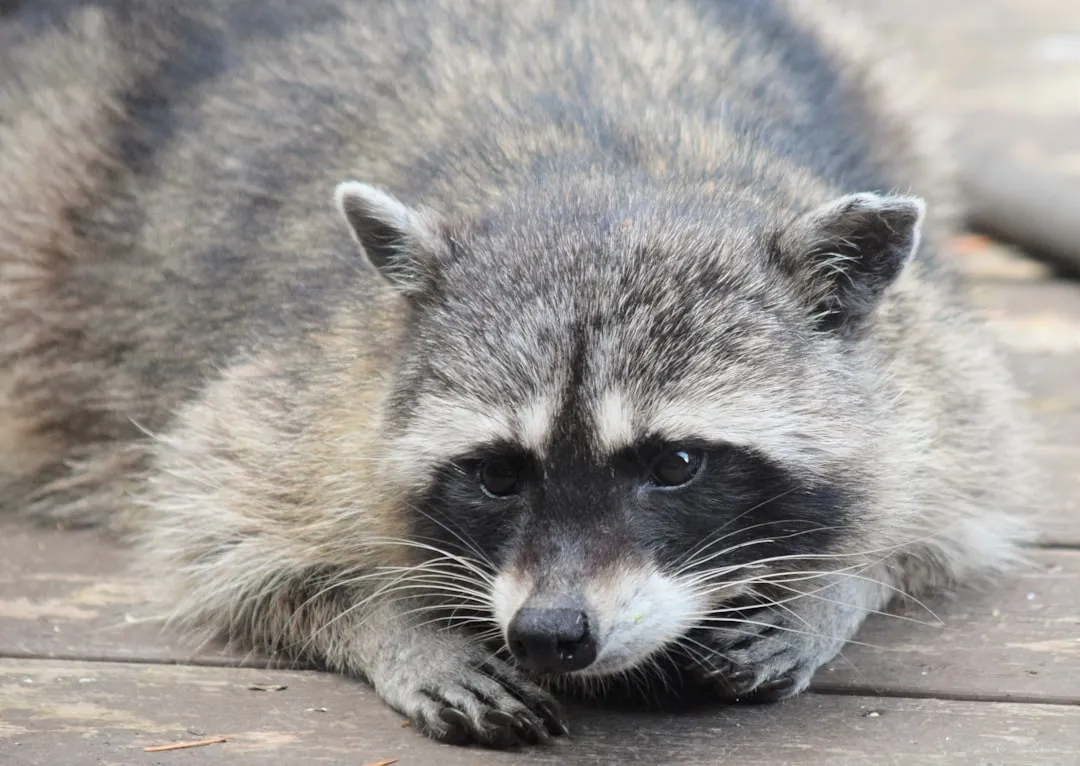
Raccoons are the ultimate urban clowns of North America – little masked faces, clever hands, and a talent for getting into places they absolutely should not be. Watching one rinsing food in a stream or carefully opening a cooler feels almost charming. It’s easy to forget you’re dealing with a wild animal that is both highly stressed by close human contact and extremely well-armed. When a raccoon is cornered – in a garage, a dumpster, a crawl space, or even a tree – it can become ferociously defensive. They bite, scratch, and twist with surprising speed, and those teeth are built to slice through tough food, not just leftover pizza crusts. There’s also the very real risk of disease transmission, including rabies in some regions, which makes close encounters even riskier. If a raccoon looks sick, confused, or unusually bold, that’s a signal to back off and call professionals, not a chance to get a cute video.
3. North American River Otter: Playful Swimmer, Relentless When Threatened

River otters seem like pure joy in animal form: sliding down muddy banks, wrestling in the water, and popping their heads up like curious periscopes. People see them and immediately think “friendly,” probably because they look like a mix between a puppy and a stuffed toy. But that playful exterior hides a predator built to handle cold water, strong currents, and serious conflict when it has to. A cornered otter can deliver crushing bites with strong jaws built for cracking shells and fish bones. They are fast, agile, and used to fighting underwater, where most humans are slow and clumsy. There have been documented cases of otters attacking when they feel trapped, surprised at close range, or are defending dens and pups. Kayakers, swimmers, and shoreline wanderers should enjoy them from a distance, using binoculars or zoom lenses, not by drifting right on top of them.
4. Canada Goose: Lawn Ornament or Feathered Bouncer?
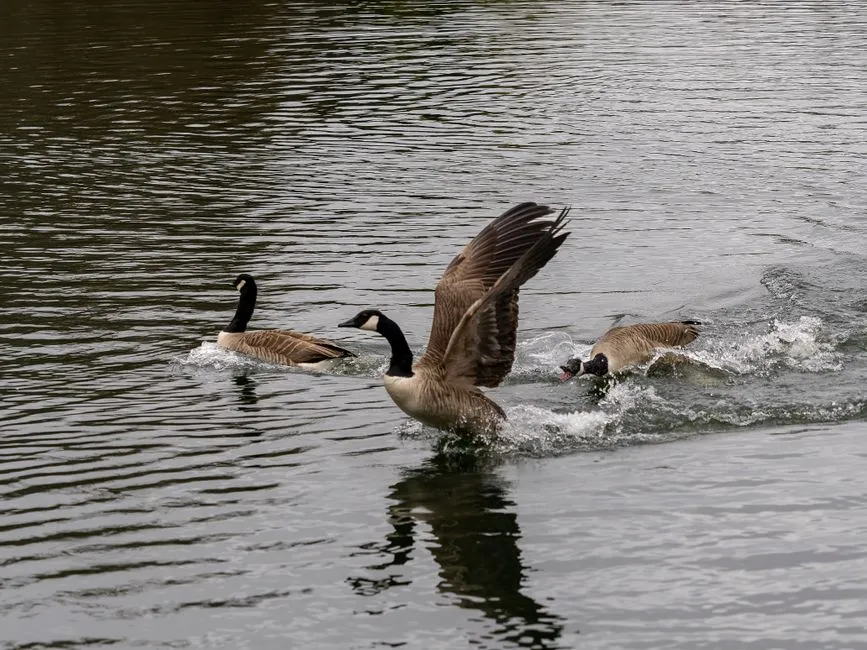
The Canada goose looks almost comical when it’s grazing on a golf course or waddling across a parking lot. Their fluffy goslings and calm paddling on ponds make them feel like part of a peaceful suburban backdrop. People often get way too comfortable walking or jogging right past nesting areas, assuming these birds will just move aside politely. A nesting or cornered goose is another story entirely. When they feel their eggs or chicks are at risk, they lower their head, hiss, pump their wings, and charge with an intensity that surprises a lot of people. A goose can batter you with heavy wings, bite with a surprisingly painful snap, and easily knock over small children. The smart move is to give wide berth to any goose that looks agitated or is standing guard near a nest, and never encourage kids to chase them “for fun.”
5. Striped Skunk: Surprisingly Reluctant but Devastating Defender
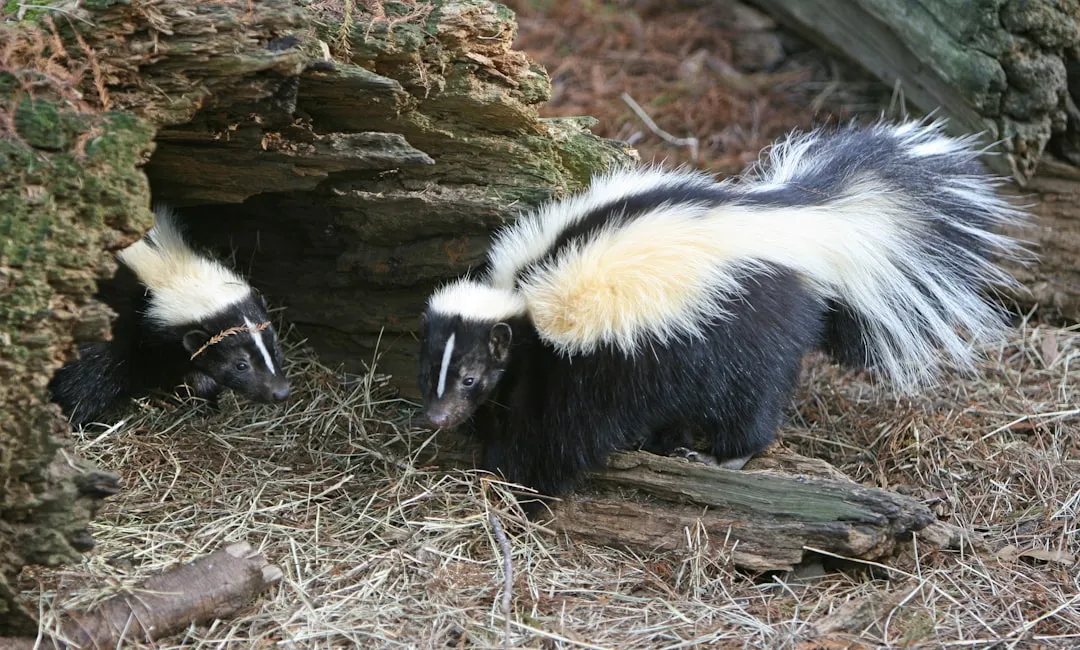
Skunks have a reputation that precedes them – everyone knows about the smell. Ironically, that infamous spray makes people underestimate how reluctant skunks actually are to use it. They would rather avoid conflict altogether, usually giving a whole series of warnings before things escalate: stamping feet, raising the tail, and turning their back with a clear message of “last chance.” When a skunk truly feels cornered, though, the spray is not just a joke. It is a powerful chemical defense that can cause intense burning in the eyes, difficulty breathing, and misery that lingers on clothes, skin, and fur for days. Pets that rush a skunk often learn this lesson the very hard way, and panicked owners do too. On top of that, like raccoons, skunks can carry diseases in some regions, so handling or approaching them is never wise. The best strategy is simple: if you see that raised tail, back away, slowly and respectfully.
6. American Beaver: Quiet Engineer With Serious Bite Power
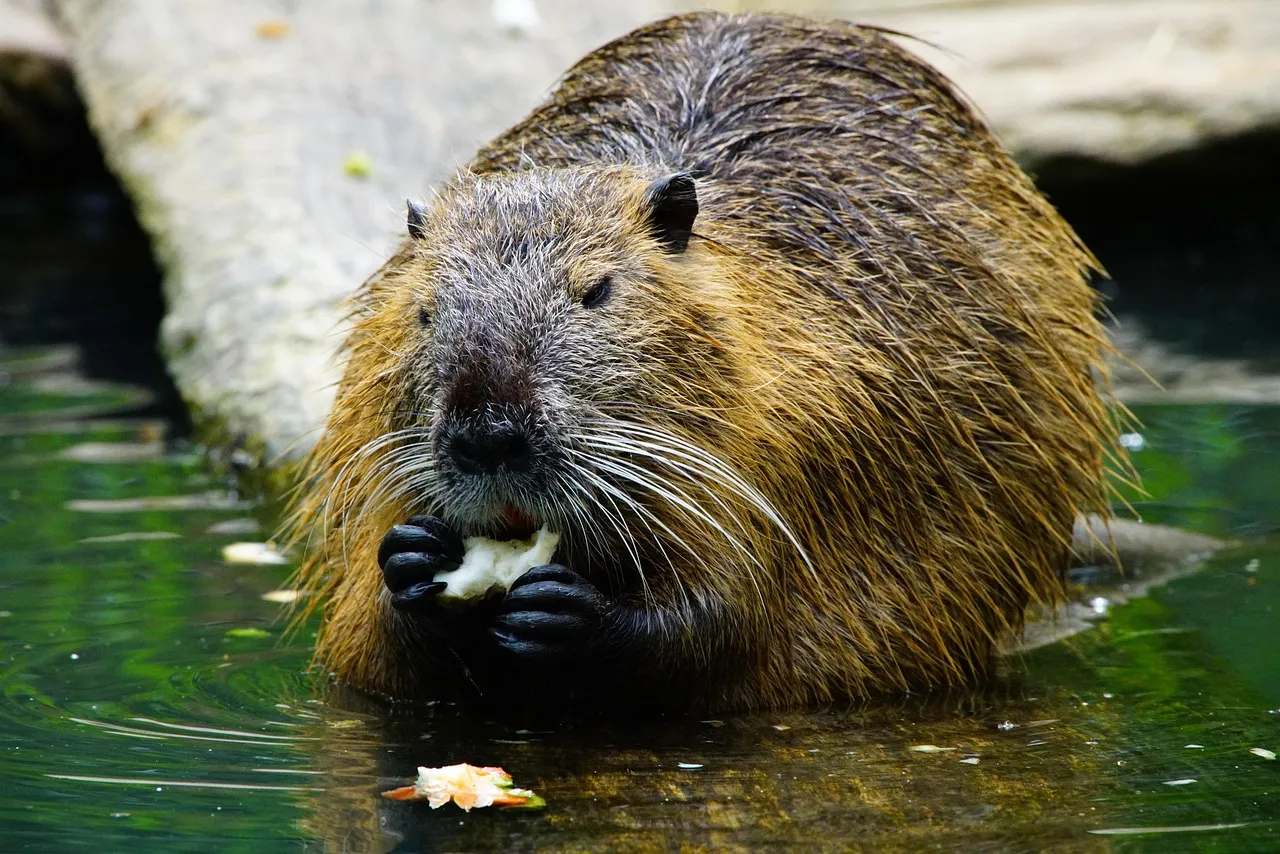
Beavers are often treated like gentle mascots for wetlands and conservation. Their rounded bodies, big front teeth, and slow, purposeful movements make them look peaceful and almost sleepy. People see dams and lodges and imagine a quiet, family-focused animal that just wants to build and chew on trees. But that same chewing power is what makes a cornered beaver so dangerous. Their front teeth never stop growing and are designed to cut through dense wood; they can also slice deep into flesh and muscle if they feel threatened with no escape route. On land, a beaver may seem clumsy, but in the water – where many close encounters happen – they are quick and powerful. Cornering one in a small stream, approaching a lodge, or trying to handle a “stranded” beaver can trigger a highly defensive reaction. Respect the dam, respect the tail slap on the water, and keep your distance.
7. Porcupine: Slow, Shy, and Equipped With a Painful Surprise
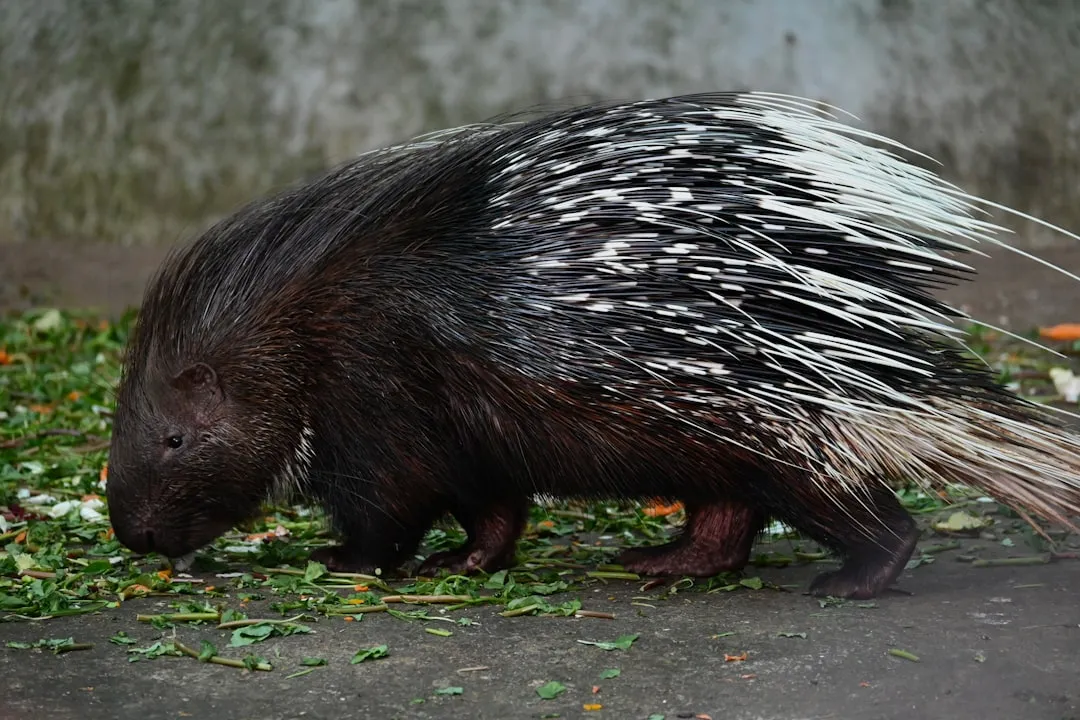
Porcupines move in such a slow, unbothered way that they barely seem to notice the world around them. Their rounded shape and sleepy expression can look almost cuddly from a distance, like a walking pin cushion that forgot it was supposed to be intimidating. Because they don’t run away quickly, people sometimes assume they are tame or indifferent. Their main defense, of course, is a coat full of sharp quills that can lodge deeply into skin and fur. Contrary to old myths, they do not shoot quills, but those quills detach very easily when something (or someone) gets too close or makes contact. Dogs are frequent victims, rushing in to investigate and ending up with faces full of painful spines that require veterinary removal. A cornered porcupine may lash its tail, making that contact much more likely. The safest approach is no approach at all: admire their strange beauty from a respectful distance and let them waddle on.
8. Northern River Mink & Other Small Mustelids: Tiny, Tense, and Fearless
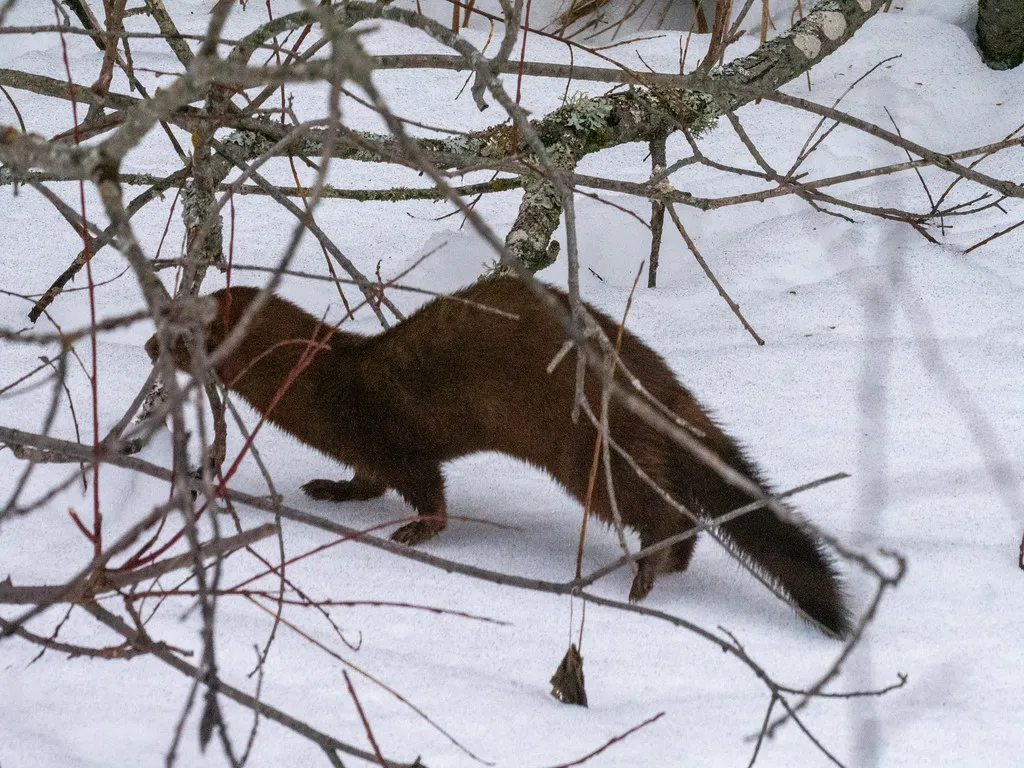
Mink, weasels, and related mustelids look small enough to fit in your hand, with sleek bodies and bright, curious eyes. Seeing one dart across a log or along a riverbank can feel like spotting a shy, elusive little neighbor. Their size makes it easy to assume they are harmless, more like skittish rodents than determined predators. In reality, these animals are wired for high aggression in tight spots. Even a small mustelid that feels cornered can bite repeatedly, hang on, and do shocking damage for its size. They are used to tackling prey equal to or larger than themselves, so a human hand reaching into a log or under a shed can trigger a pure survival response. Trappers, farmers, and people trying to “help” a trapped animal often find themselves on the wrong end of rapid-fire bites. Small does not mean safe; it just means the danger is more compact.
9. American Bison: Calm Grazers That Can Explode Without Warning
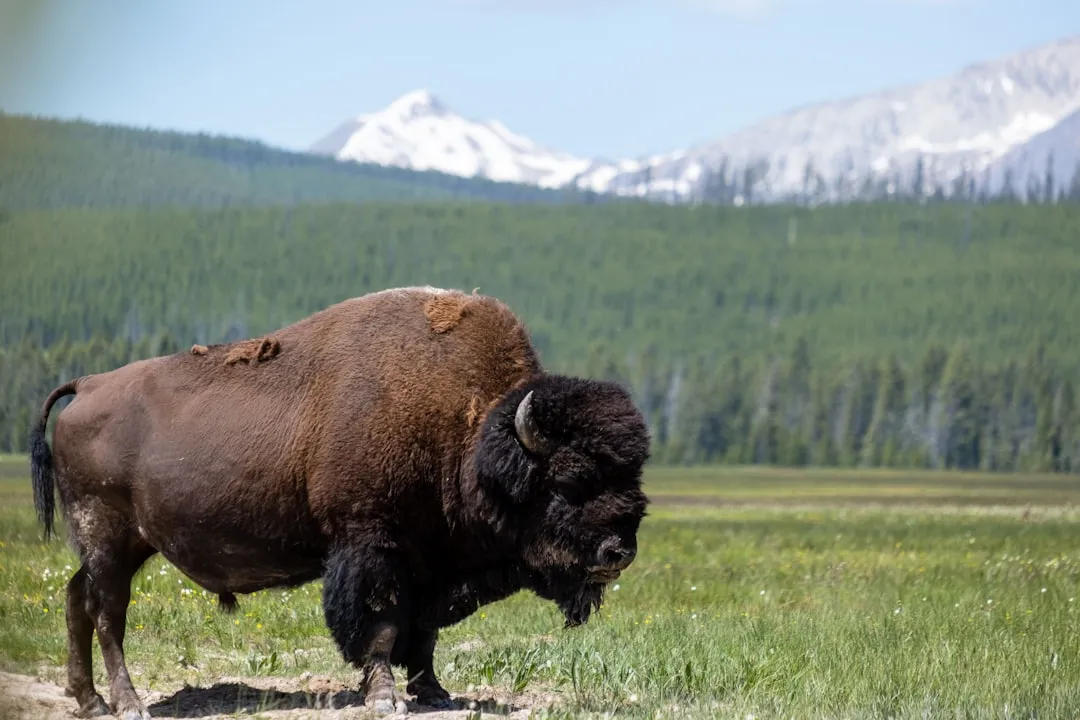
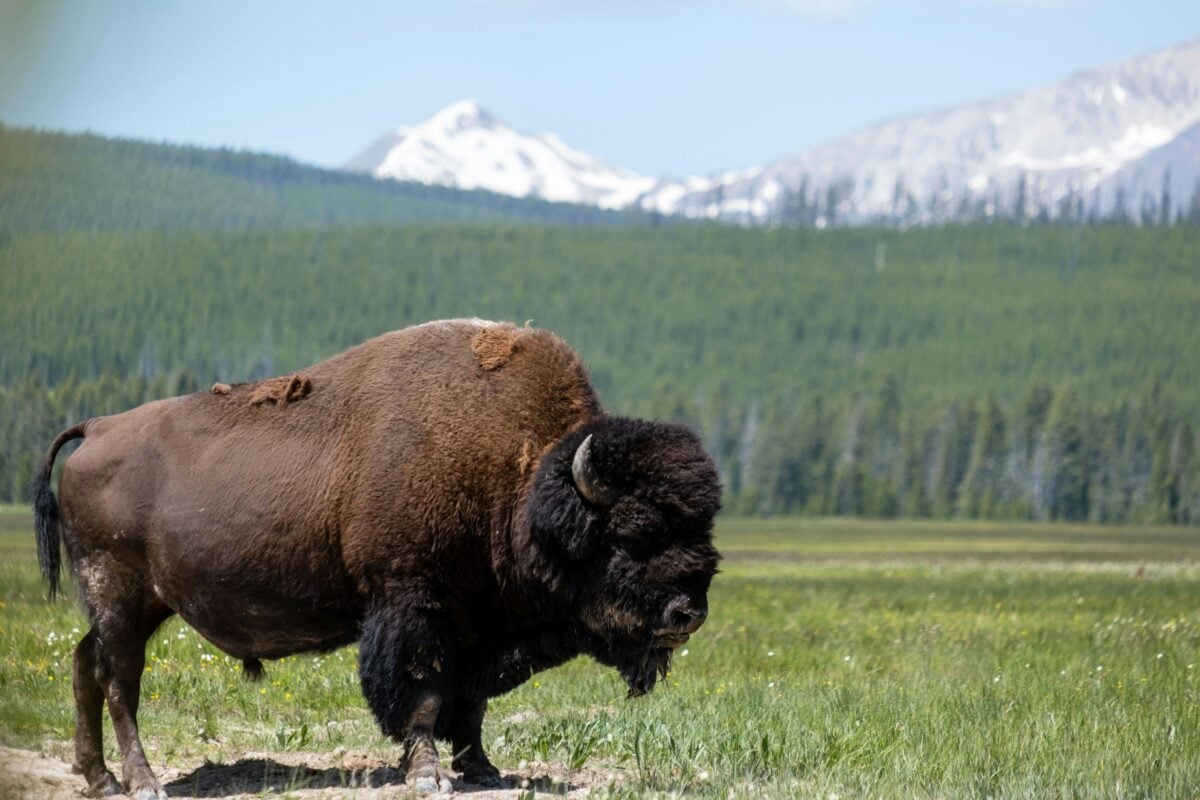
Bison look like slow, gentle lawnmowers of the prairie when they are peacefully grazing or lying in the sun. Tourists see them as giant cows with a wild haircut, lumbering along without much urgency. This illusion of calm has led countless people in national parks to walk far too close for a selfie, assuming bison will simply ignore them. The reality is that a bison can go from stillness to a full-speed charge in shockingly little time. They are huge, fast, and equipped with horns and massive heads that can toss an adult human like a rag doll. Many bison charges happen when the animal feels boxed in by vehicles or crowds, or when people approach calves. Rangers constantly warn visitors to keep serious distance for a reason. Respecting marked viewing distances and using zoom lenses is not timid; it is what keeps a peaceful encounter from turning into an emergency in a matter of seconds.
Conclusion: Cute Is Not the Same as Safe
The thread tying all these animals together is simple: they are not out looking for a fight, but they are absolutely prepared to defend themselves when they feel they have no escape. The problem is that we often confuse calm with comfortable, or cuteness with safety, and that misunderstanding can turn everyday encounters into dangerous confrontations. My personal take is blunt: if you would not do it to a stranger on the street – crowd them, grab at them, corner them – you should definitely not do it to a wild animal. Wildlife is at its best when it remains wild: unbothered, unchased, and unhandled. The most respectful, and honestly the safest, way to enjoy these creatures is with distance, patience, and a bit of humility about where we fit in their world. Next time you see a “harmless” animal on a trail, by a pond, or even in your backyard, will you see it as background decoration or as a powerful neighbor deserving real space?

- 10 Animals That Make the Great Lakes Region Wilder Than Most Americans Realize - August 16, 2026
- 9 North American Animals That Look Harmless Until They Feel Cornered - August 16, 2026
- 9 North American Animals That Look Harmless Until They Feel Cornered - August 16, 2026