
Most people can rattle off the names of a few endangered species without much thought. Polar bears, pandas, maybe a rhino or two. These are the poster animals for conservation efforts worldwide. They’re the ones that capture headlines and dominate wildlife documentaries.
What many don’t realize is that right here in the United States, there’s a heartbreaking battle unfolding in backyards, forests, rivers, and coastal waters that most Americans know nothing about. Some of the nation’s most unique creatures are disappearing in near silence. These animals aren’t making it onto cereal boxes or inspiring children’s toys. They’re just quietly slipping away, one generation at a time.
Rice’s Whale: The Gulf’s Loneliest Giant
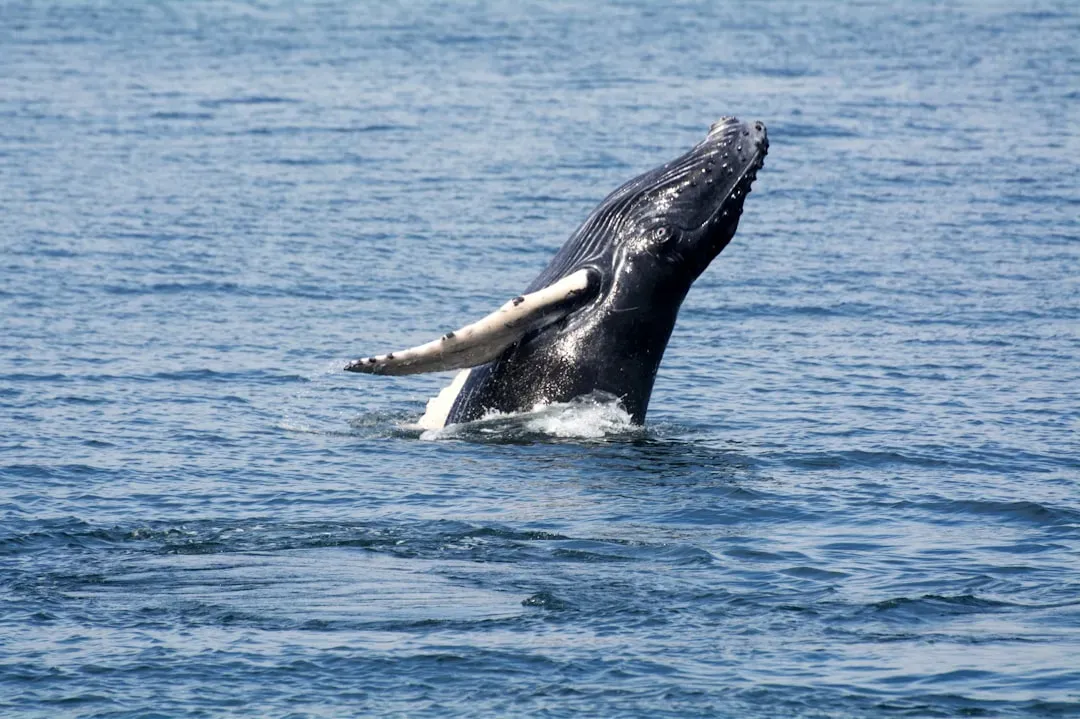
The IUCN lists Rice’s whale as critically endangered, with only 26 mature individuals left as of 2025. Think about that number for a second. Twenty-six. That’s fewer whales than people in your average coffee shop on a Monday morning.
Rice’s whale lives in the Gulf of Mexico and can grow up to 12.5 meters long and weigh up to 27,200 kilograms. These massive baleen whales spend their days diving to the ocean floor and their nights near the surface. They face threats from vessel strikes and entanglement in fishing gear, with the 2010 Deepwater Horizon oil spill also affecting their habitat. The future for this species looks genuinely bleak unless immediate action happens.
Mississippi Gopher Frog: Amphibian in Crisis
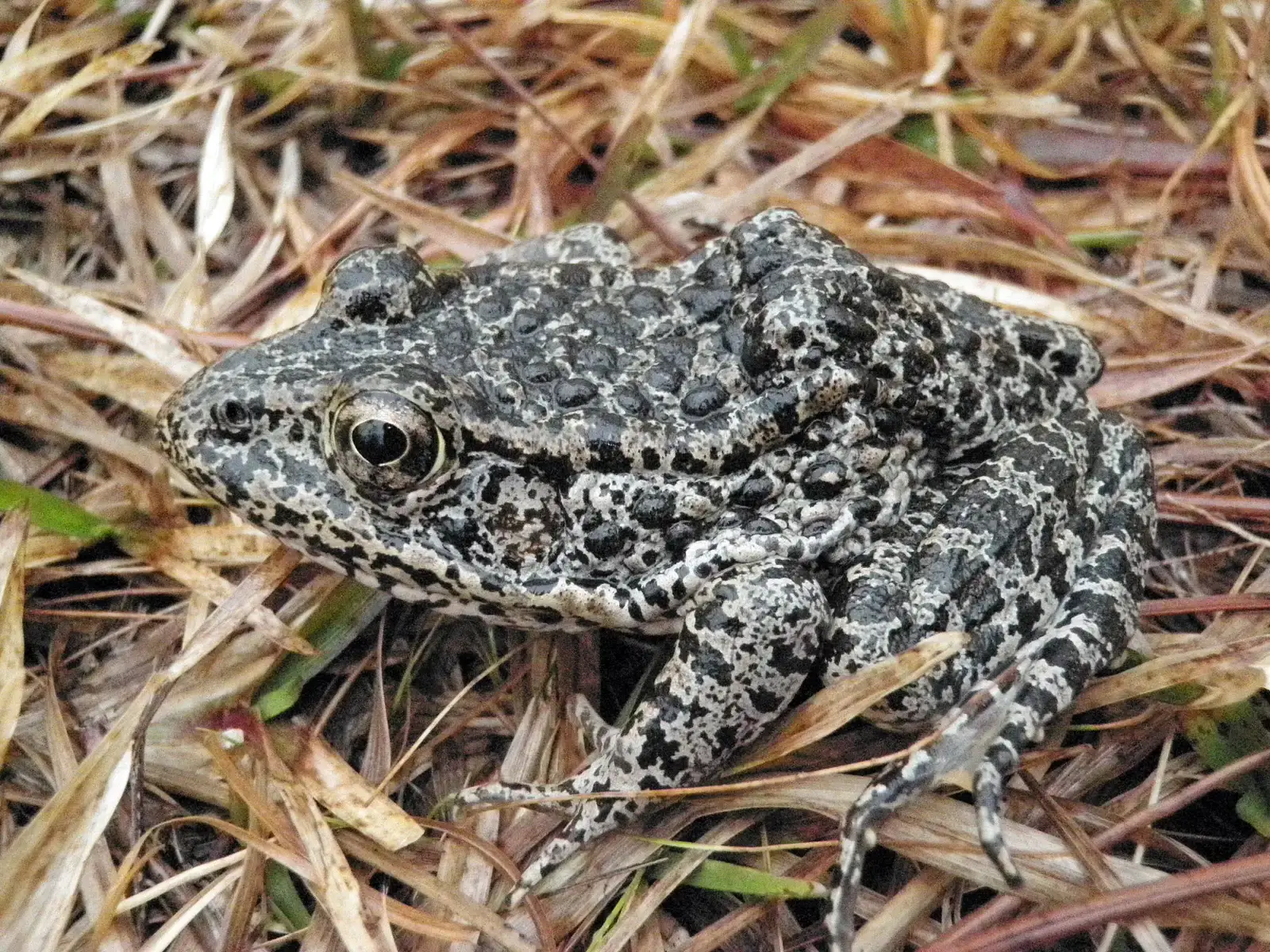
The endangered Mississippi Gopher Frog, once widespread across the southeastern US, is one of the country’s most endangered amphibians, with only a few hundred individuals left in the wild. This warty little survivor has earned its precarious position through no fault of its own.
Threatened by habitat loss due to urbanization, draining of wetlands, and pollution, more than 98% of America’s native longleaf-pine forest upon which the frog depends have been destroyed. It’s hard to say for sure, but it seems almost cruel that something so small needs so much space that we’ve decided we need more. The State of Mississippi classified the gopher frog as endangered in 1992, and the US Fish and Wildlife Service did so in 2001, setting aside 2,000 acres of protected habitat and initiating breeding programs.
Red Wolf: America’s Rarest Canine
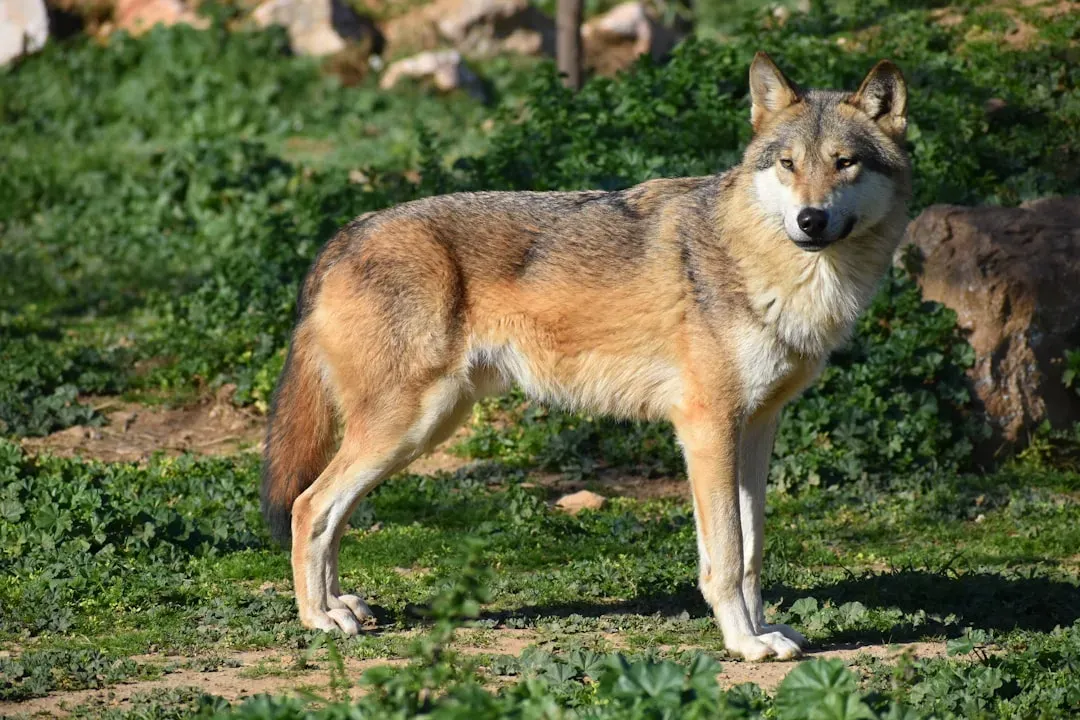
Let’s be real, when most people think of wolves, they picture the gray wolf roaming through Yellowstone or Alaska. Red wolves were declared extinct in the wild in 1980 but were reintroduced to North Carolina in 1987, with the IUCN now categorizing them as critically endangered with just 20 to 30 mature individuals left in the wild as of 2025.
Once roaming large portions of the southeastern United States, wild red wolves can now be found only on the Albemarle Peninsula in eastern North Carolina. Their story is complicated. Since their North Carolina reintroduction, red wolves continue to be controversial among landowners, government, and conservationists, though they can be significant in their ecosystems by keeping deer populations and smaller animals under control. The controversy doesn’t make their disappearance any less tragic.
Pallid Sturgeon: A Living Dinosaur Fading Away
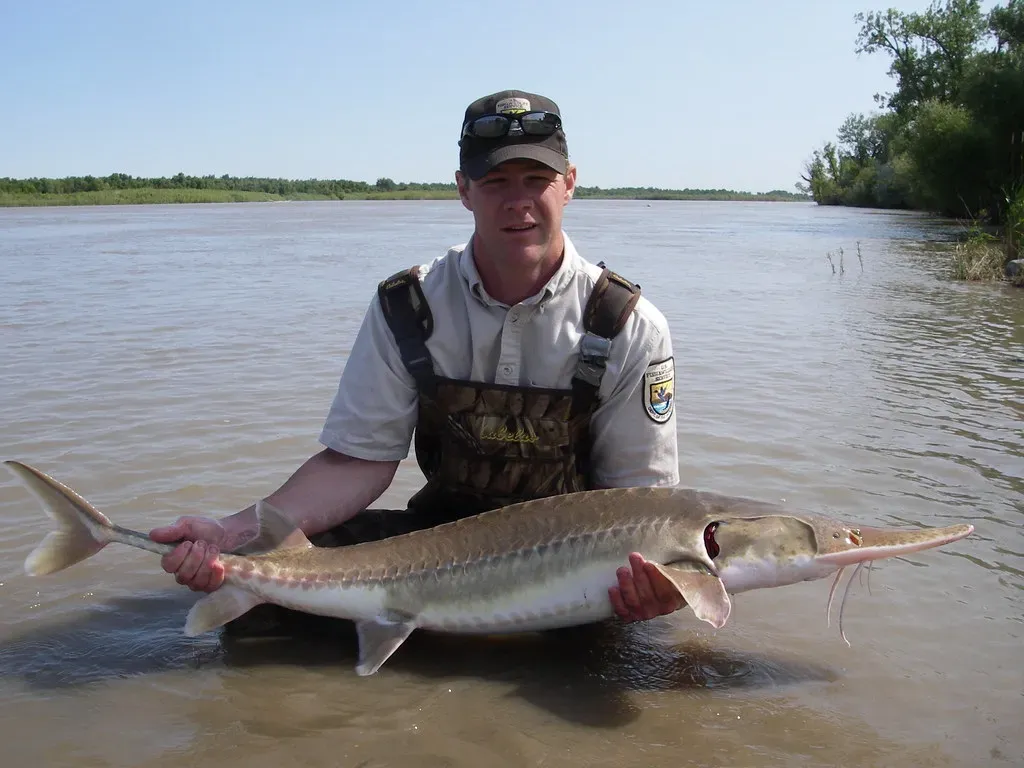
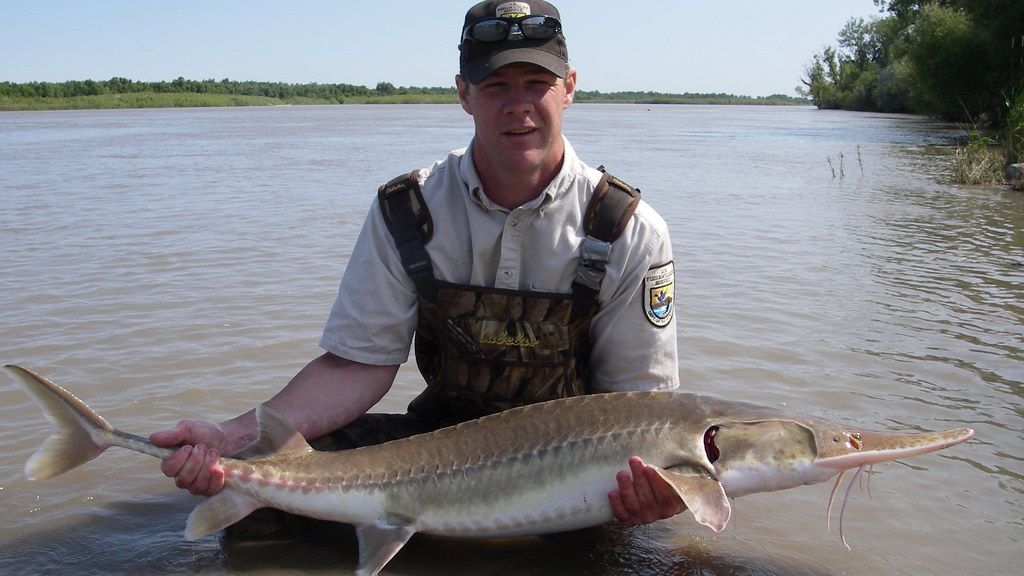
Pallid sturgeon can reach up to six feet in length and weigh 75 to 80 pounds, living to be over 50 years old, inhabiting the bottom of large, fast-flowing rivers like the Missouri and Yellowstone. They’re basically swimming fossils, ancient survivors that have outlasted countless other species.
Their numbers have plummeted, prompting the US Fish and Wildlife Service to place them on the federally endangered species list in 1990, with only about 200 adult sturgeons remaining in the upper Missouri River system. River modifications like dams, channelization, and impoundments have disrupted spawning migrations, reduced oxygen levels, and altered habitat. We’ve essentially reengineered their entire world, and they can’t adapt fast enough.
Vancouver Island Marmot: Canada’s Fluffy Treasure
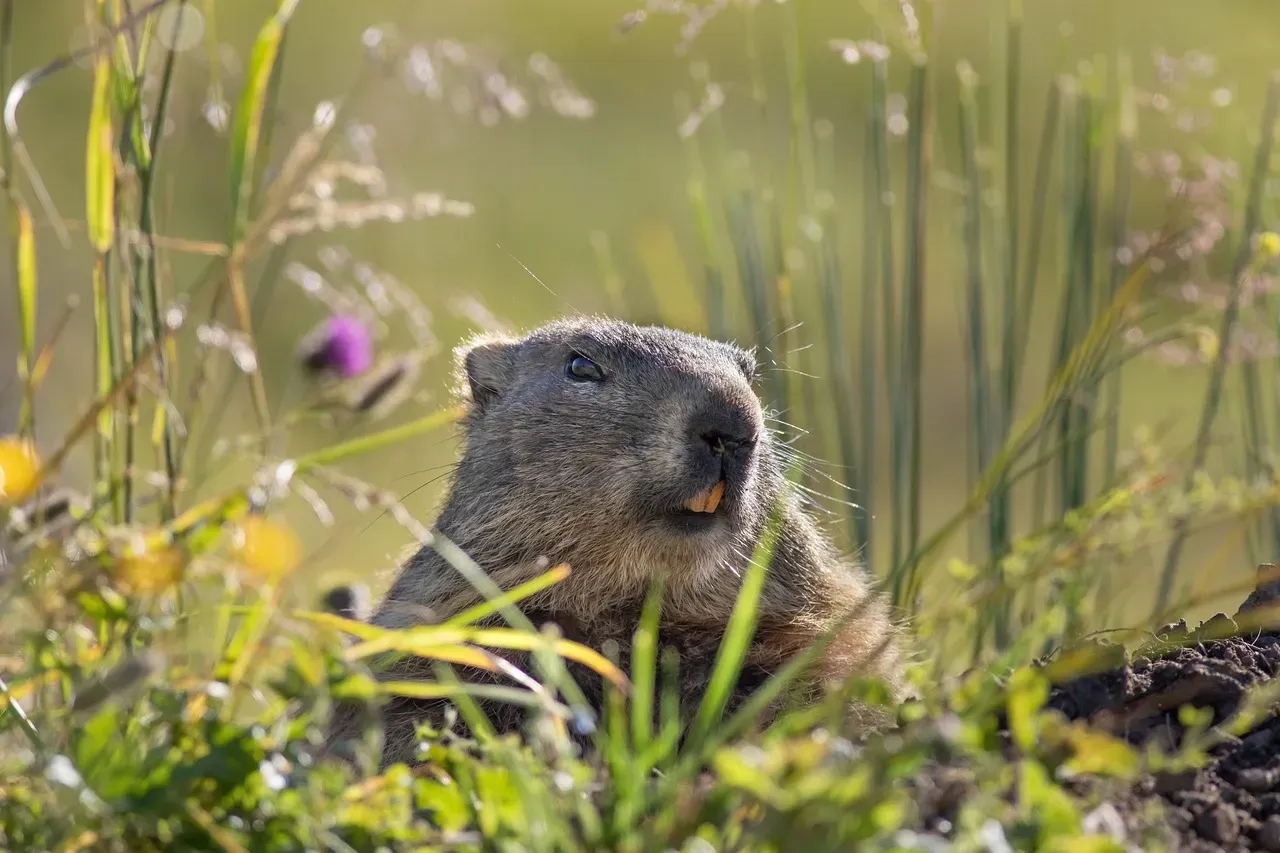
The IUCN categorizes the Vancouver Island marmot as critically endangered. Here’s the thing about this species: it exists nowhere else on Earth except on Vancouver Island. If it disappears there, it’s gone everywhere.
Living in the forest, grassland, and rocky mountain habitat of Vancouver Island, they are dark brown with white patches and tend to be around 62 to 72 centimeters long and weigh 3.5 to 5.5 kilograms. Logging and climate change have seriously damaged its habitat, and with a few hungry wolves and cougars added in, their numbers are shrinking. Sometimes it feels like everything is conspiring against these creatures.
Northern Long-Eared Bat: Silent Casualty of Disease
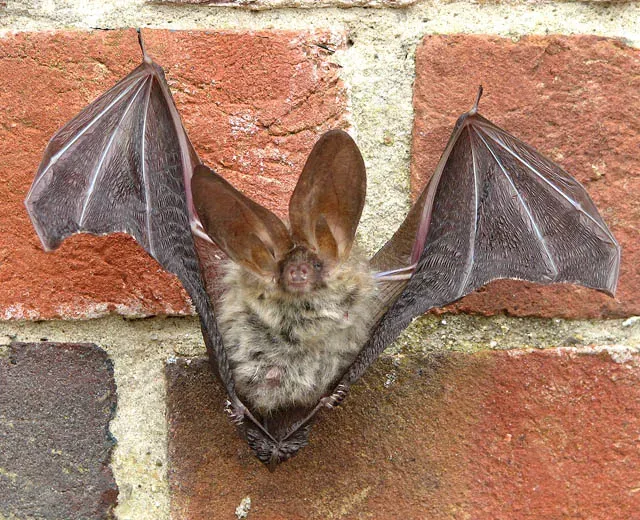
These bats were once common across forested regions in 37 states, but their populations have collapsed by over 90 percent, listed as threatened under the Endangered Species Act in 2015 and officially declared endangered in 2022. Ninety percent. Let that sink in.
These small, forest-dwelling bats are crucial for controlling agricultural pests, with lengthy ears much longer than those of other bats in the genus Myotis, weighing 0.2 to 0.3 ounces with a wingspan of around nine to ten inches. White-nose syndrome, a fungal disease, has devastated bat populations across the country. These tiny creatures provide invaluable pest control services, and we’re losing them at an alarming rate.
California Condor: Back from the Brink but Still Vulnerable
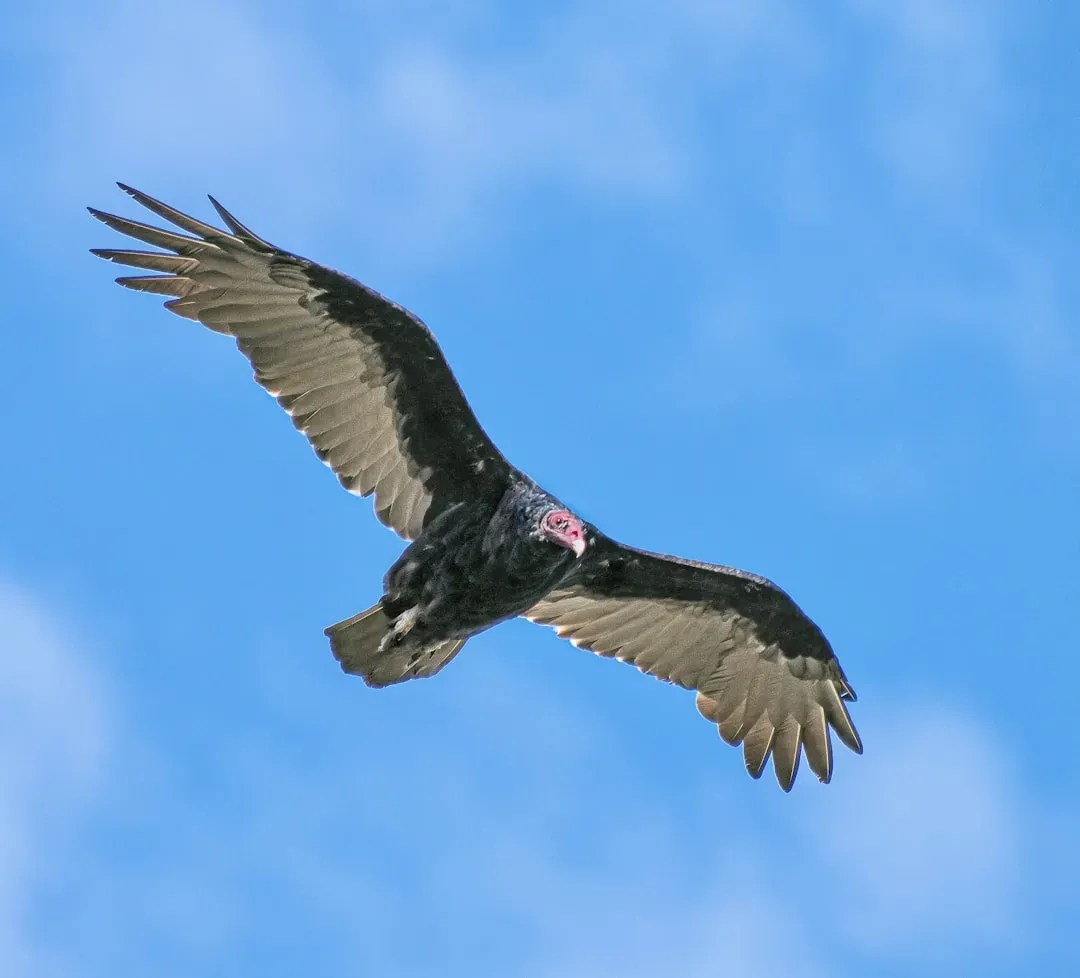
The California condor is the largest known wild bird in North America, but by the 1980s, only about six individuals were left in the wild due to lead poisoning and reduced eggshell thickness from ingesting DDT. Six birds. The entire species was down to six birds.
The remaining six condors were captured for an intensive breeding recovery programme, which helped boost population numbers up to 223 by 2003, though the species remains listed as critically endangered with some 93 mature individuals left in the wild. It’s a conservation success story, honestly, but it shows just how close we came to losing these magnificent birds forever. The recovery efforts demonstrate what’s possible when we actually decide to care.
Florida Panther: The Last Eastern Big Cat
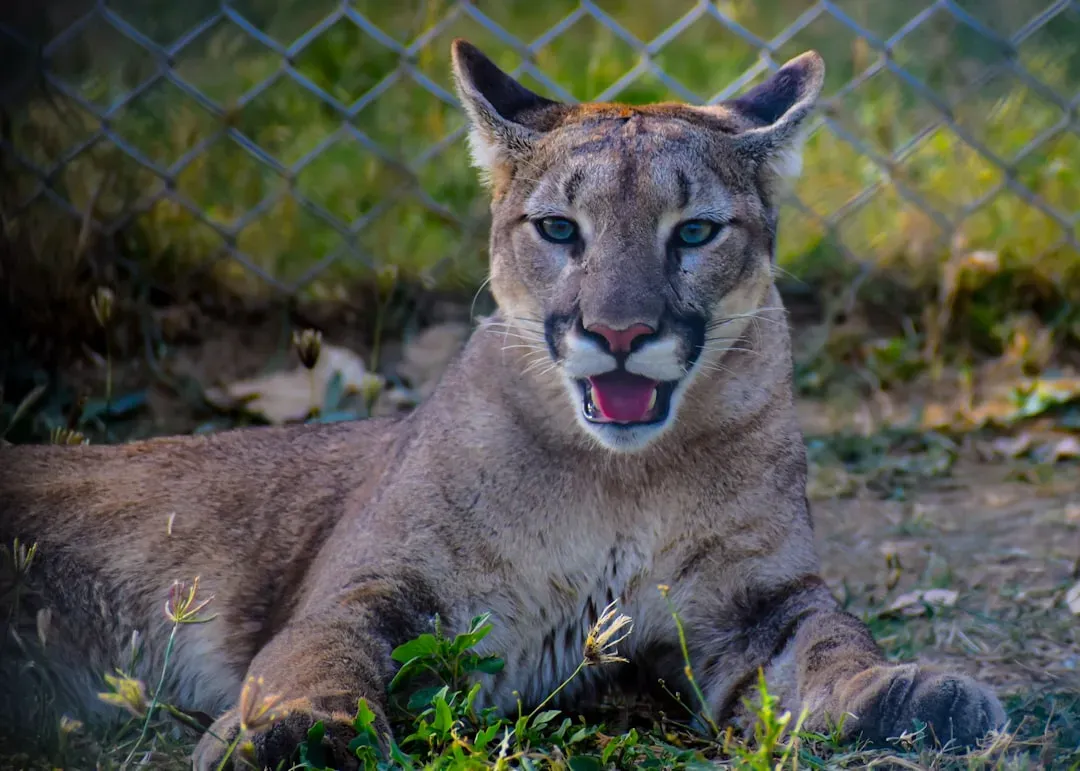
The Florida panther has been on the endangered species list for nearly 50 years and is the only subspecies of mountain lion to still reside in the eastern US, found only in southwestern Florida with only about 120 to 130 individuals in the wild. Once upon a time, this big cat’s territory stretched from Florida to Louisiana.
The wildcat now survives only in a tiny area of South Florida where 120-230 individuals roam due to habitat destruction and urbanization, with roads and highways also posing a danger, though they can be spotted in forests, prairies, and swampland such as the Everglades National Park. Vehicle strikes remain one of the leading causes of death for these panthers. We’ve carved up their habitat with our highways, and they’re paying the price.
Black-Footed Ferret: Prairie Ghost Brought Back to Life
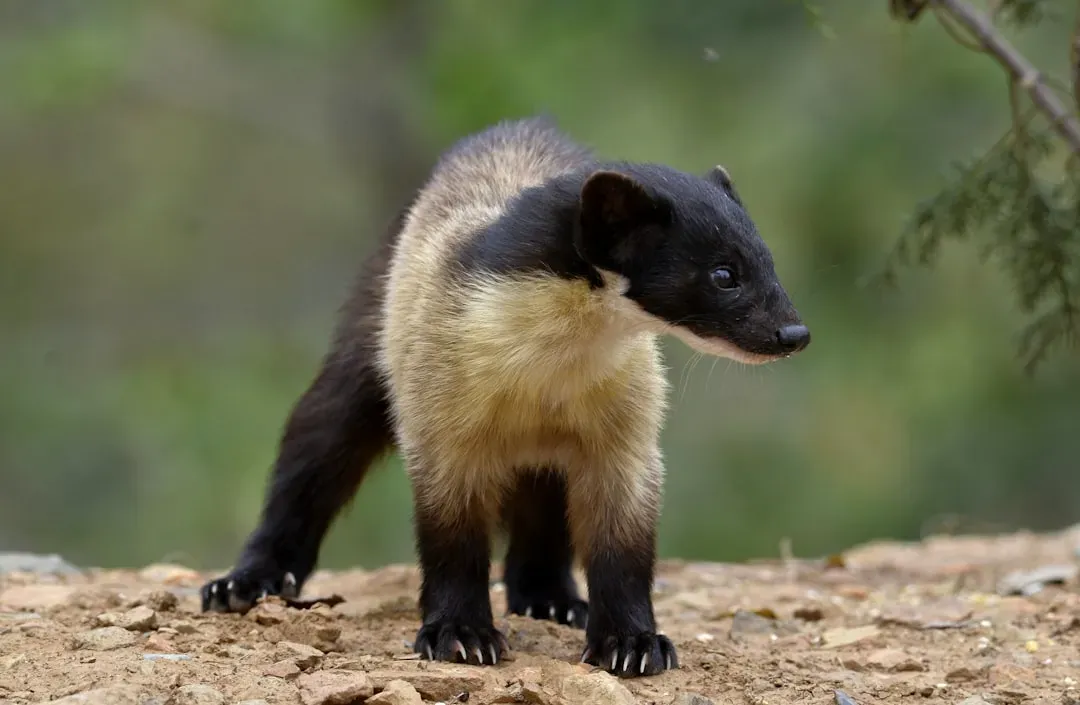
Black-footed ferrets are the only ferret species native to the Americas and depend exclusively on prairie dog burrows for food and shelter, with their populations reduced to less than 2% of their original range due to conversion of native grasslands, prairie dog eradication programs, and non-native disease. Their entire existence is tied to prairie dogs, which many consider pests.
The black-footed ferret is listed as endangered on the IUCN Red List and it is one of the rarest mammals in North America. Once thought extinct, these masked bandits were rediscovered and bred in captivity. Their story demonstrates both human destructiveness and our capacity for redemption. Killing off prairie dogs nearly eliminated ferrets as collateral damage, a reminder that ecosystems are interconnected webs we mess with at our peril.
Conclusion: What We Stand to Lose
More than one-third of US wildlife is at risk of extinction. That statistic should terrify us. These nine species represent just a fraction of what’s disappearing right under our noses, often without fanfare or public outcry.
The common thread? Habitat destruction, human development, pollution, and climate change. We are the problem, which means we’re also the solution. Supporting conservation organizations, protecting critical habitats, reducing our environmental footprint, and demanding stronger wildlife protections all matter. These animals aren’t abstract concepts in faraway lands. They’re our neighbors, part of our natural heritage, struggling to survive in a world we’ve radically altered.
What would you tell future generations if they asked why we let these creatures vanish? Think about it.

- 7 Scents That Help Keep Ants Out of Your Kitchen Naturally - June 27, 2026
- 8 Native Plants That Naturally Attract Monarch Butterflies - June 27, 2026
- 10 Signs Your Cat Sees Your Home as Safe Territory - June 27, 2026