


Every year, scientists around the globe unveil new species, shining a light on the often-overlooked inventiveness of the natural world. These discoveries not only enhance our understanding of biodiversity but also underscore the remarkable adaptability and evolution of life on Earth. In this article, we explore ten newly discovered species that exemplify nature’s boundless creativity, reminding us of the countless mysteries that still lie hidden in our planet’s ecosystems.
The Peacock Spider: A Dancer with Style
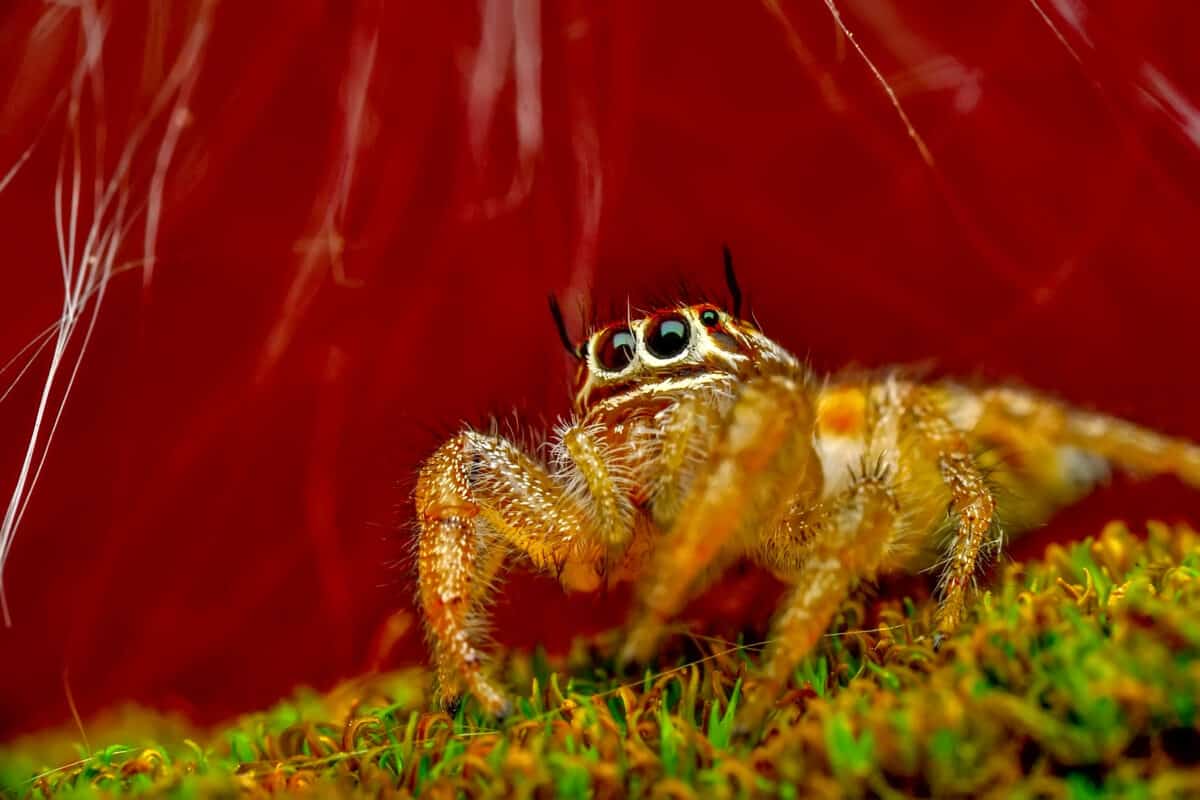
Among the arachnid discoveries, the peacock spider stands out for its vibrant colors and unique courtship dance. Found in Australia, this tiny spider has iridescent scales that rival the plumage of birds. The male performs a captivating dance to attract the female’s attention, showcasing nature’s creative approach to mating rituals. Its discovery highlights the importance of microhabitats in supporting diverse life forms.
The Pink-Handfish: Walking the Line
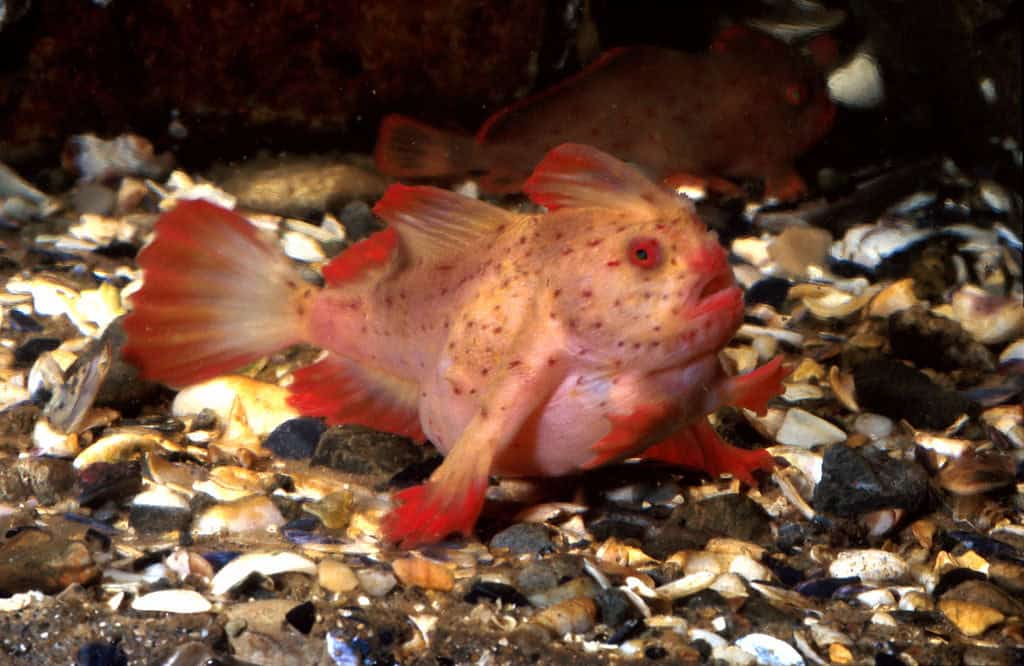
Divers exploring the coastal waters of Tasmania stumbled upon the elusive pink-handfish, a species believed to have vanished. Unlike most fish, the pink-handfish uses its pectoral fins to “walk” along the seafloor. This unique adaptation illustrates evolution’s inventive strategies for survival in varying environments, emphasizing the interconnectedness of marine habitats.
The Ruby Sea Dragon: Hidden in Plain Sight
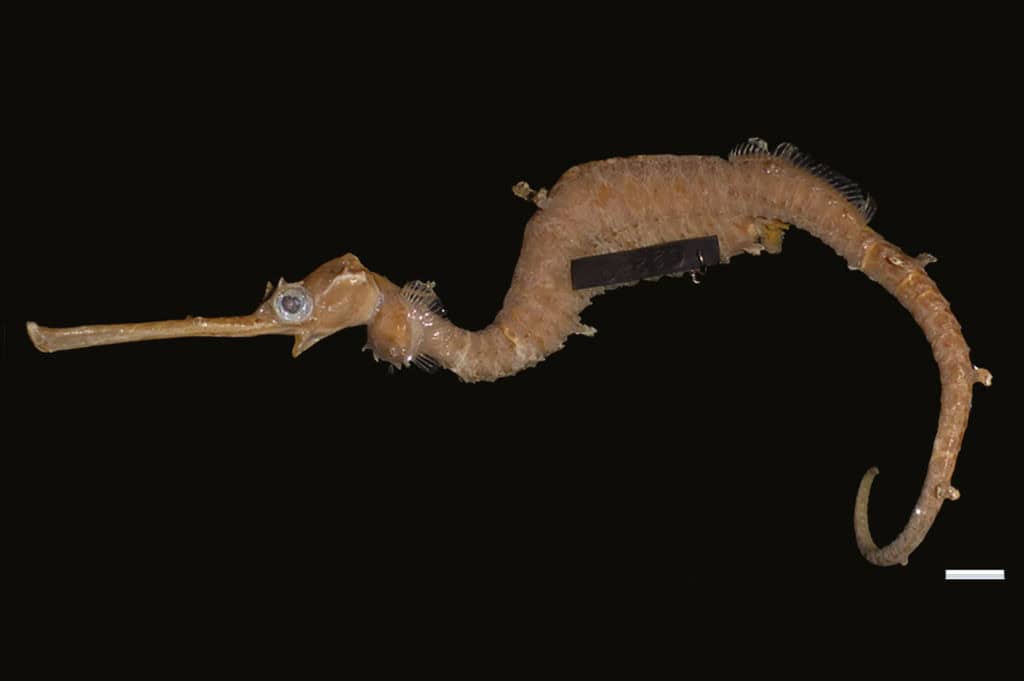
The recent identification of the ruby sea dragon, a cousin of the more familiar leafy and weedy sea dragons, was a momentous find. Its deep crimson color helps it camouflage within its preferred habitat of deeper, dimly-lit waters off Western Australia. This discovery shows that even striking species can remain hidden, underlining the inexhaustible inventiveness of underwater ecosystems.
The Tapanuli Orangutan: A New Great Ape
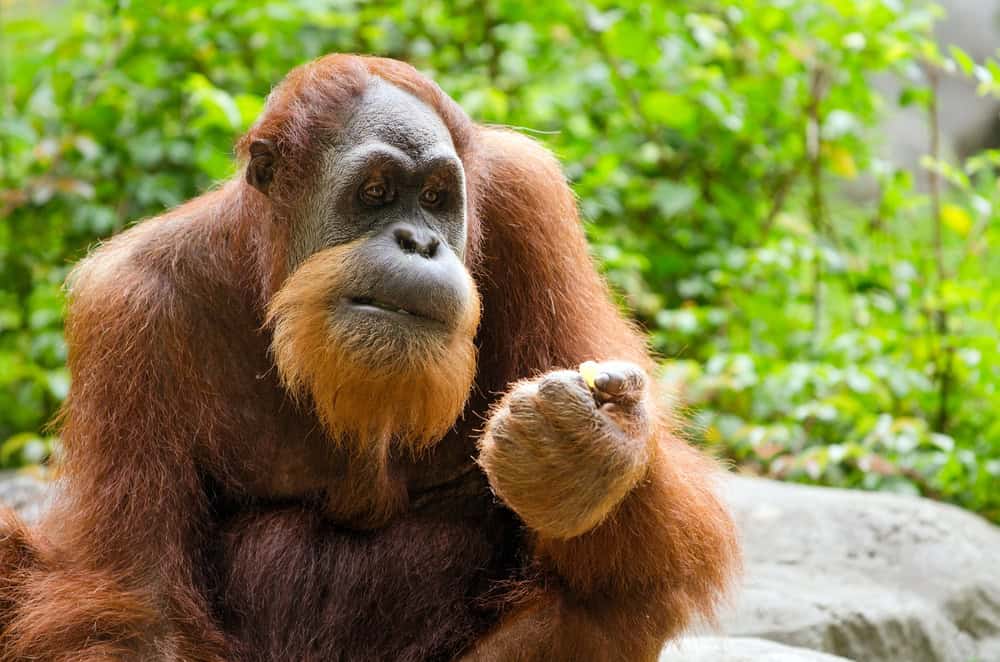
The Tapanuli orangutan, discovered in the forests of Sumatra, adds a new chapter to the story of great apes. Genetically distinct from its relatives, this species is currently the most endangered great ape in the world. Its discovery highlights both the fragility and the diversity of life, urging us to protect our planet’s last unspoiled landscapes.
The Wakatobi Flowerpecker: A Feathered Revelation
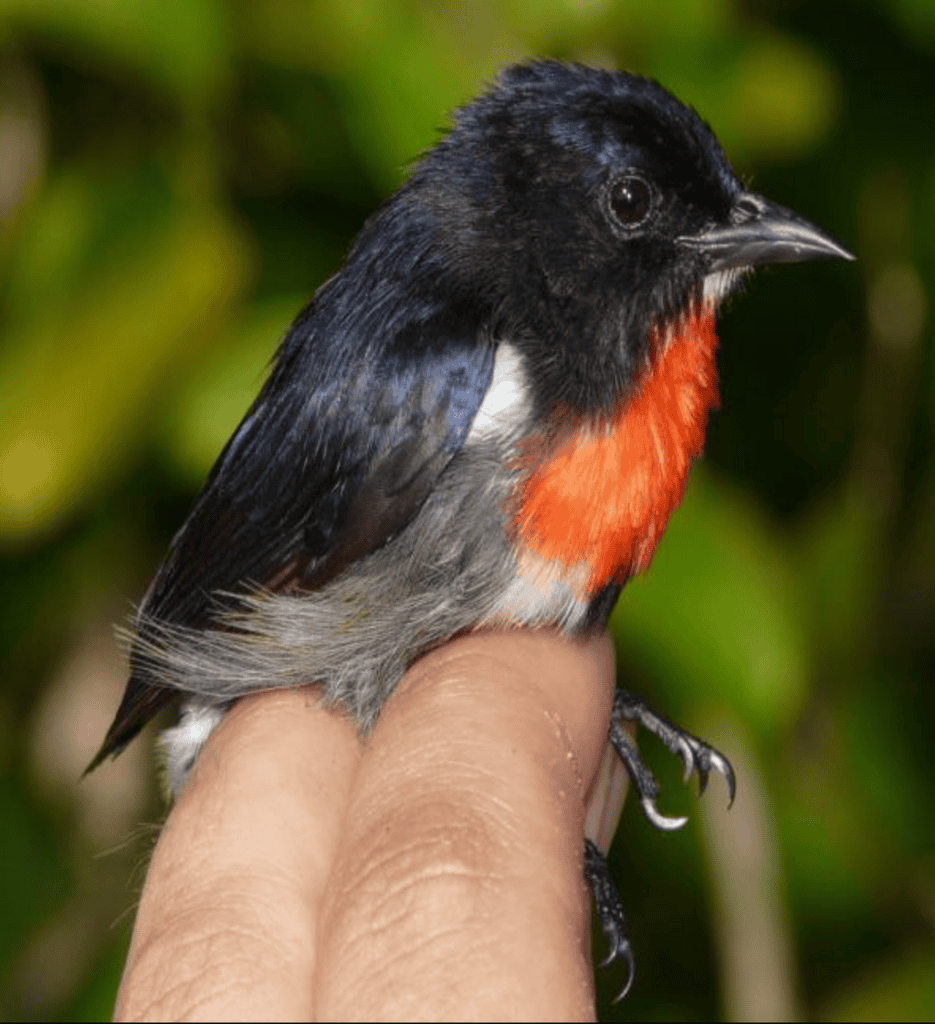
The vibrant Wakatobi flowerpecker, endemic to the Wakatobi Archipelago in Indonesia, reveals nature’s flair for creating new avian wonders. This brightly colored bird was long overlooked, demonstrating how subtle differences in plumage and call can lead to the recognition of distinct species. It showcases the continual evolution of bird species in isolated locales.
The Grogan’s Crocodile: A Jurassic Mystery

A surprising addition to the crocodilian family, Grogan’s crocodile was discovered in Madagascar. Fossil evidence shows this ancient creature to be a survivor of prehistoric times, providing insights into crocodilian evolution and diversity. The finding underscores how paleontological discoveries continue to reveal the creative history of life.
The Sir David Attenborough’s Pintail: A Tribute to Conservation
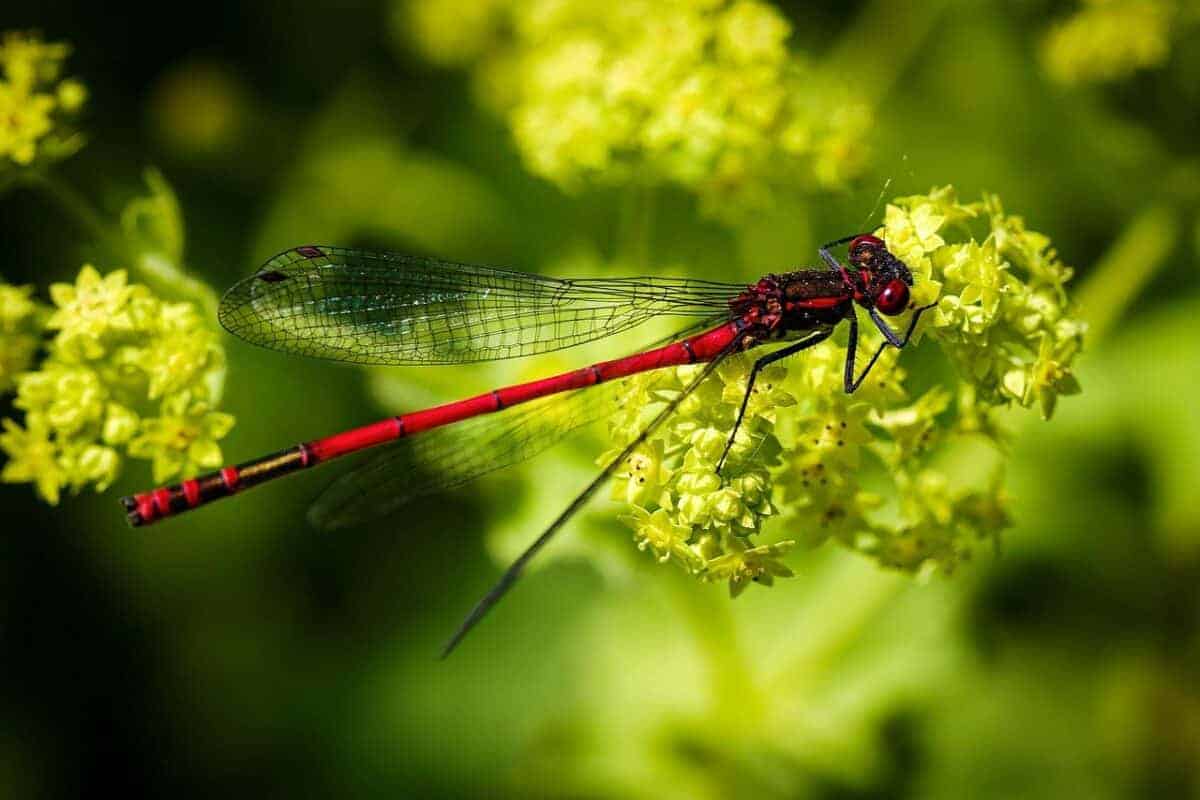
Named in honor of the legendary naturalist Sir David Attenborough, this newly discovered pintail damselfly species in Madagascar emphasizes the critical need for conservation. With its striking metallic hues and delicate wings, the pintail is both a tribute and a reminder of the unknown beauty that conservation efforts strive to protect.
The Lithoredo Abatanica: A Rock-Eating Revelation
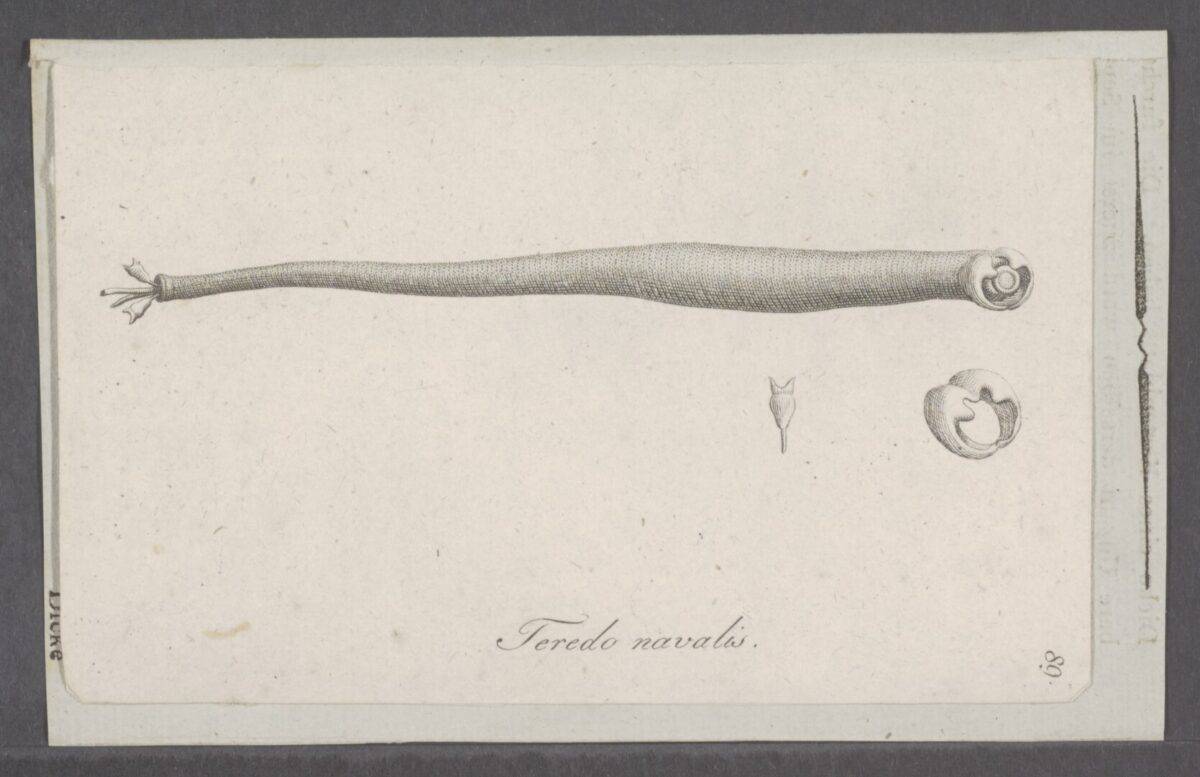
Deep within the riverbeds of the Philippines, the Lithoredo abatanica presents a compelling case of ecological niche specialization. Unlike its wood-eating relatives, this newly discovered shipworm feasts on rock, a novel adaptation that blurs the lines between known biological phenomena. This discovery sheds light on how species can diversify and adapt to seemingly inhospitable environments.
The Lilliputian Frog: A Miniature Marvel
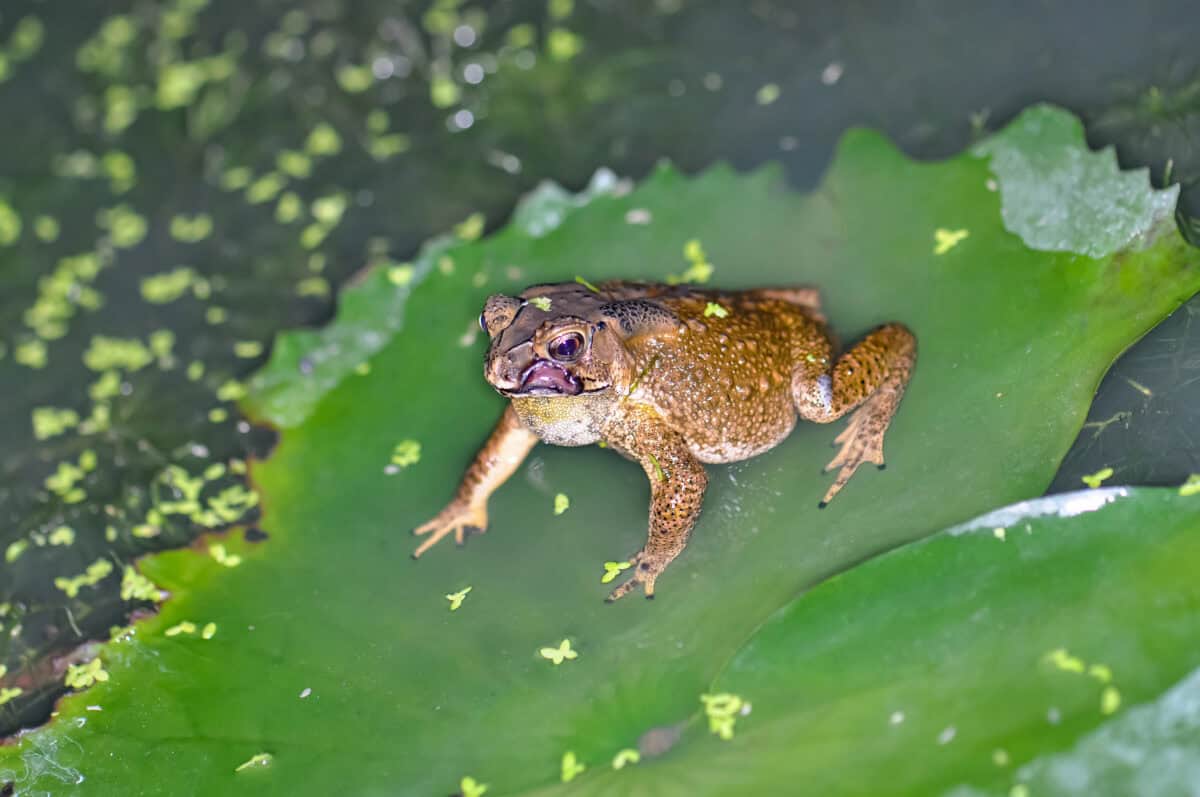
Discovered in the Andes of Peru, the lilliputian frog holds the record as one of the smallest vertebrates on the planet. Barely the size of a fingernail, this minuscule amphibian is an extraordinary discovery. Its size challenges preconceived notions about vertebrate evolution and adaptation, and it serves as a reminder of the wonders lurking in the planet’s most biodiverse regions.
Conclusion

Each of these newly discovered species adds a piece to the intricate puzzle of our planet’s biodiversity. They illustrate the remarkable adaptability and innovation of life, adapting and evolving in response to environmental challenges. As we continue to uncover nature’s secrets, we are reminded of the profound importance of protecting these ecosystems. These discoveries serve not only as a testament to nature’s ingenuity but also as a calling to preserve the world’s remaining wilderness for the species that have yet to be uncovered.

From exploring the marine wonders in the Azores and witnessing the vast savannas of Kenya, to delving deep into the rich biodiversity of South Africa and traversing iconic landscapes in Australia and the US like Yellowstone, Chris's experiences are vast.
With a penchant for diving alongside sharks, the ocean holds a special place in his heart.
Through his academic insights, he champions wildlife conservation, striving with 'Animals Around The Globe' to cultivate a profound connection between humans and animals, enhancing our mutual appreciation.
Connect with him at Feedback@animalsaroundtheglobe.com.
- What Scientists Learned from Tagging 1,000 Sea Turtles - July 26, 2026
- 12 Creatures That Look Out of This World - July 25, 2026
- The World’s Largest Flightless Bird Was Even Bigger Than an Ostrich - July 25, 2026