


Chinese paleontologists have uncovered two nearly complete dinosaur skeletons in the Inner Mongolia Autonomous Region of North China. This groundbreaking discovery, named Yuanyanglong bainian, represents a new group of oviraptorosaurian dinosaurs from the Early Cretaceous period, offering critical insights into their biology and evolutionary history.
The Symbolic Name: Yuanyanglong bainian

The name Yuanyanglong bainian combines “Yuanyang,” the Chinese term for mandarin ducks that symbolize eternal pairing, and “long,” meaning dragon. This reflects the close proximity of the two fossilized skeletons, likened to a pair of eternal companions. The name underscores the remarkable discovery of these fossils as a pair, a rarity in paleontology.
Discovery in the Gobi Desert Region

The fossils were unearthed in 2021 at the Lower Cretaceous Miaogou Formation in Alxa Left Banner, near the Gobi Desert. This marks the first discovery of Early Cretaceous oviraptorosaurs in this region. Researchers from the Inner Mongolia Museum of Natural History and the Institute of Vertebrate Paleontology and Paleoanthropology (IVPP) of the Chinese Academy of Sciences spearheaded the excavation and analysis.
What the Fossils Reveal
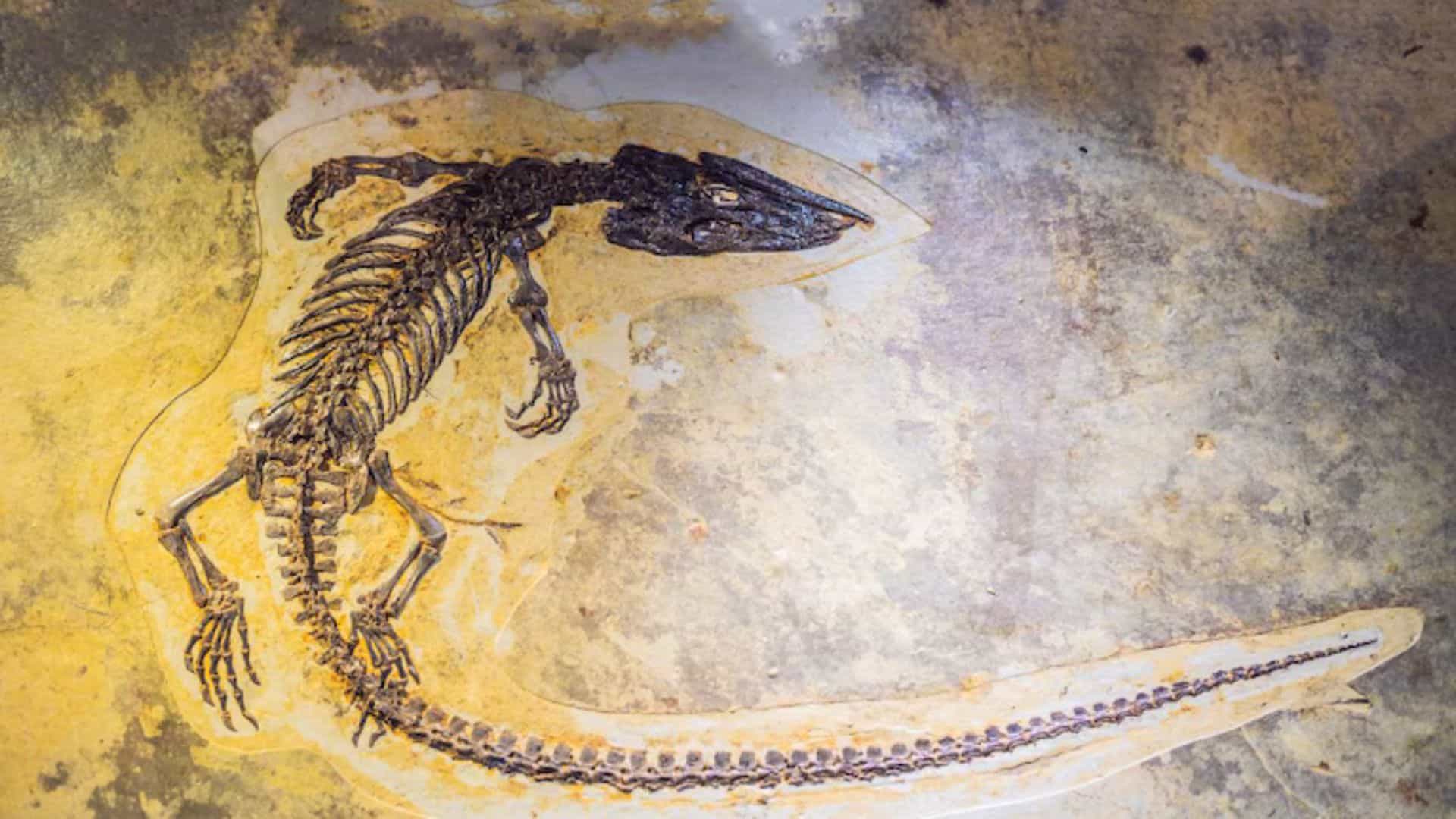
The holotype specimen of Yuanyanglong bainian includes vertebrae, ribs, parts of the shoulder girdle, forelimbs, hind limbs, and a relatively complete pelvic girdle. The associated specimen contains an incomplete skull, dorsal and sacral vertebrae, and parts of the hind limbs.
These fossils date back approximately 100 million years and belong to a smaller group of theropod dinosaurs. Researchers have confirmed that Yuanyanglong bainian exhibits unique morphological traits that distinguish it from other oviraptorosaurs.
Insights Into Early Oviraptorosaur Evolution

Oviraptorosaurs are a diverse group of feathered theropod dinosaurs known for their bird-like features. The discovery of Yuanyanglong bainian provides invaluable information about their early evolutionary history, particularly in the Early Cretaceous period.
The fossils reveal morphological characteristics that were previously undocumented, enriching our understanding of how oviraptorosaurs diversified and adapted to different ecological niches.
Collaboration in Paleontology

This discovery was made possible through a collaborative effort involving Chinese researchers and institutions. The Inner Mongolia Museum of Natural History and IVPP have a history of significant contributions to the study of prehistoric life in the region.
Broader Implications
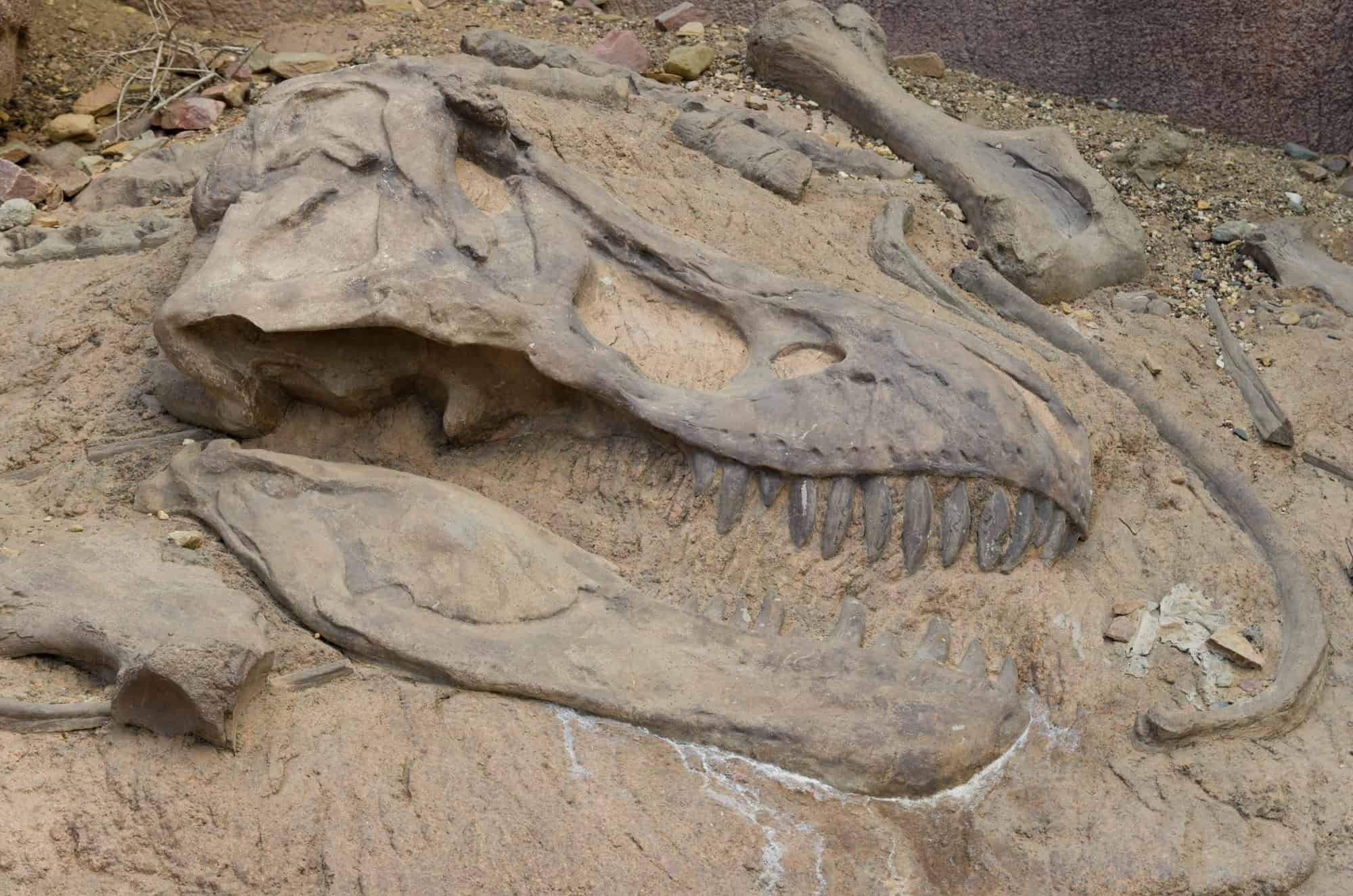
The Yuanyanglong bainian fossils not only deepen our knowledge of oviraptorosaurs but also highlight the rich paleontological potential of the Gobi Desert and surrounding regions. Such discoveries demonstrate how ancient ecosystems shaped the evolutionary trajectory of dinosaurs.
Looking Ahead

As researchers continue to analyze these fossils, Yuanyanglong bainian promises to shed more light on the lives and environments of Early Cretaceous dinosaurs. This find reinforces the importance of preserving and studying fossil-rich regions like Inner Mongolia, which hold the keys to understanding Earth’s prehistoric past.
The Yuanyanglong bainian discovery stands as a testament to the enduring curiosity and scientific dedication that drives paleontology forward.

For any feedback please message Feedback@animalsaroundtheglobe.com
- The Largest Hippopotamus on Record - August 17, 2026
- Masters of Camouflage: Torpedo Ray & Octopus - August 13, 2026
- Lion Feels Grass for the First Time - August 13, 2026