


Orcas, also known as killer whales, are one of the most intelligent and socially complex animals in the ocean. Despite their name, these marine mammals are known for their highly developed social structures, making them fascinating subjects for study. In this article, we will explore 18 powerful lessons that we can learn from the social organization and behaviors of orcas, providing insights into leadership, cooperation, and community dynamics.
Lesson 1 The Importance of Strong Family Bonds
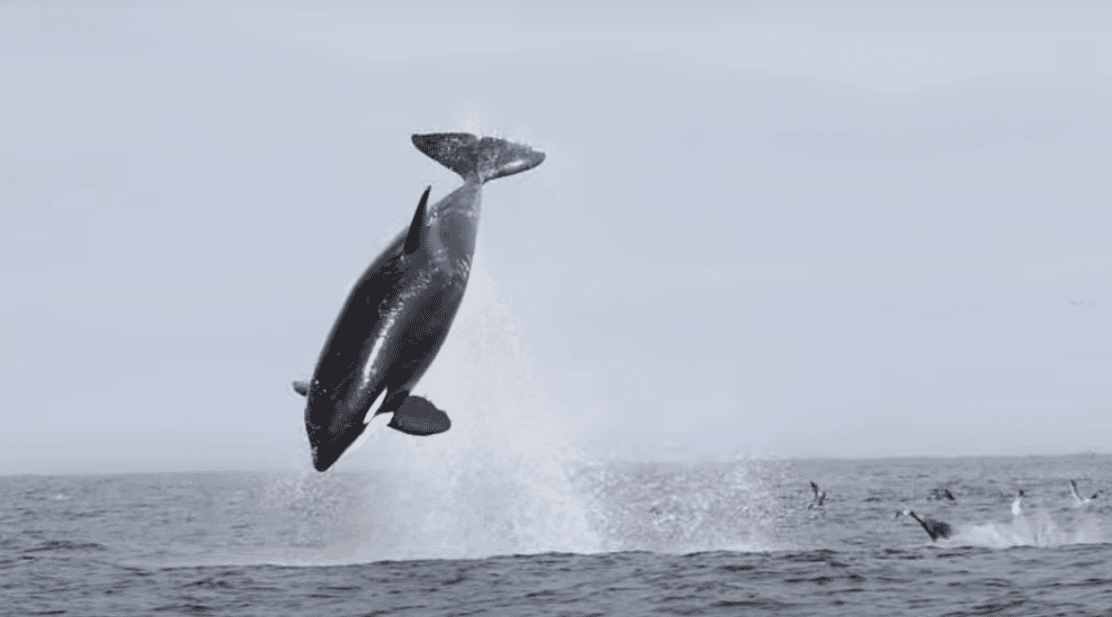
Orca pods are typically matriarchal, with leadership often lying in the hands of the eldest female. This tight-knit family structure emphasizes the importance of familial bonds, where members rely on each other for support, protection, and knowledge.
Lesson 2: Leadership By Experience

Leadership in orca pods is usually determined by age and experience, highlighting that true leaders are those who have acquired wisdom over time. This serves as a reminder that effective leadership comes from knowledge and understanding of past experiences.
Lesson 3: Cooperation for Survival
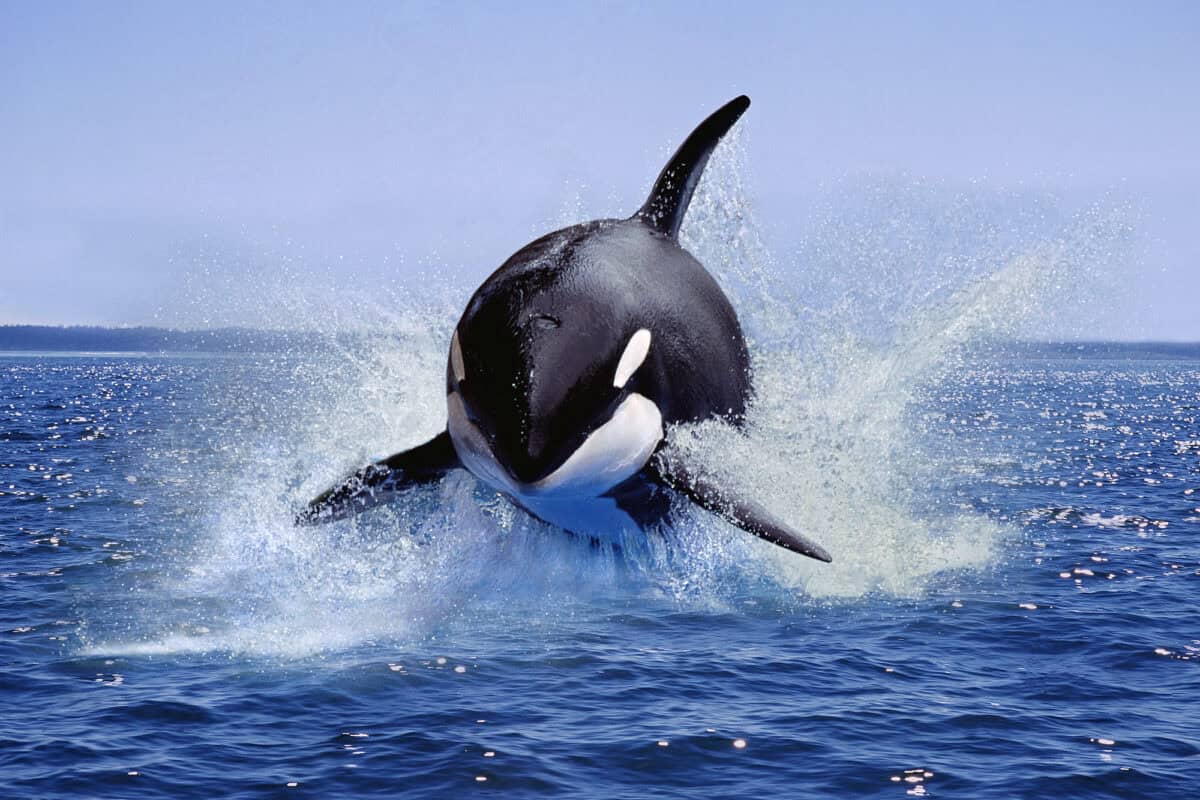
Orcas are adept hunters, often working together to corner and capture prey. Their cooperative hunting strategies demonstrate the effectiveness of teamwork and unity, reinforcing the idea that collaboration can lead to successful outcomes.
Lesson 4: Communication is Key

Being highly vocal animals, orcas use a series of clicks, whistles, and pulsed calls to communicate with each other. This reliance on sound underscores the importance of clear and effective communication in maintaining strong social connections and coordination.
Lesson 5: Embracing Diversity

Different groups of orcas have their own distinct cultures, including unique vocalizations and hunting techniques. This diversity within species exemplifies the value of embracing and respecting cultural differences in human societies.
Lesson 6: Caring for the Young


Orca mothers invest significant time and energy into raising their young. The entire pod often helps teach and protect calves, highlighting the importance of community involvement in nurturing and educating future generations.
Lesson 7: Adapting to Change

Orcas are known to adapt their hunting and social behaviors in response to environmental changes. Their adaptability reflects the necessity for flexibility and innovation in overcoming challenges.
Lesson 8: Resilience Against Adversity

Despite being apex predators, orcas face numerous challenges, from changing ecosystems to human threats. Their resilience in the face of adversity reminds us of the importance of perseverance and resilience in achieving long-term goals.
Lesson 9: Empathy and Emotional Intelligence
Orcas display behaviors that suggest a strong emotional bond between pod members, indicating a high level of empathy and emotional intelligence. This demonstrates the value of understanding and sharing the feelings of others in building strong communities.
Lesson 10: Strong Social Networks

Scientists have observed complex social networks within and between orca pods. These networks highlight the benefits of establishing broad social connections and alliances, which can provide support and resources in times of need.
Lesson 11: Shared Responsibility

In orca pods, duties such as guarding younger or injured members and foraging are shared amongst the group. This shared responsibility illustrates the significance of collective contribution to the well-being of the community.
Lesson 12: Teaching and Learning

Orcas engage in cultural transmission, passing down hunting skills and knowledge from one generation to the next. This capacity for teaching and learning highlights the importance of education and knowledge-sharing within a society.
Lesson 13: Specialized Roles

While orcas are generalists, they often take on specific roles during hunting or traveling. These specialized roles indicate the effectiveness of leveraging individual strengths for the benefit of the group, promoting a dynamic and efficient collective.
Lesson 14: Investing in Long-term Relationships

Orcas form lifelong bonds not only with family members but also with other pod members. These long-term relationships provide stability and support, underscoring the power of investing in enduring partnerships.
Lesson 15: Creativity and Problem-Solving
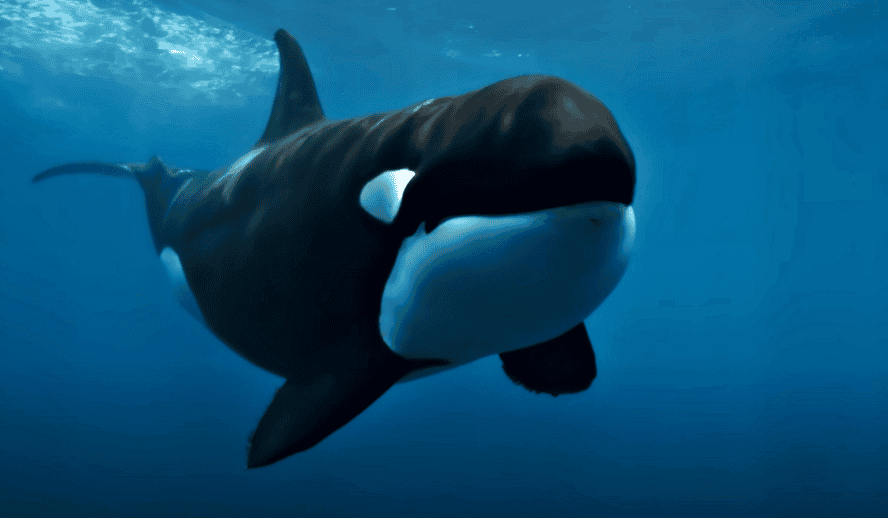
Orcas have demonstrated creative problem-solving skills, such as using different techniques to catch varied prey types. This ingenuity showcases the importance of creativity and adaptability in tackling complex challenges.
Lesson 16: Altruism and Reciprocity
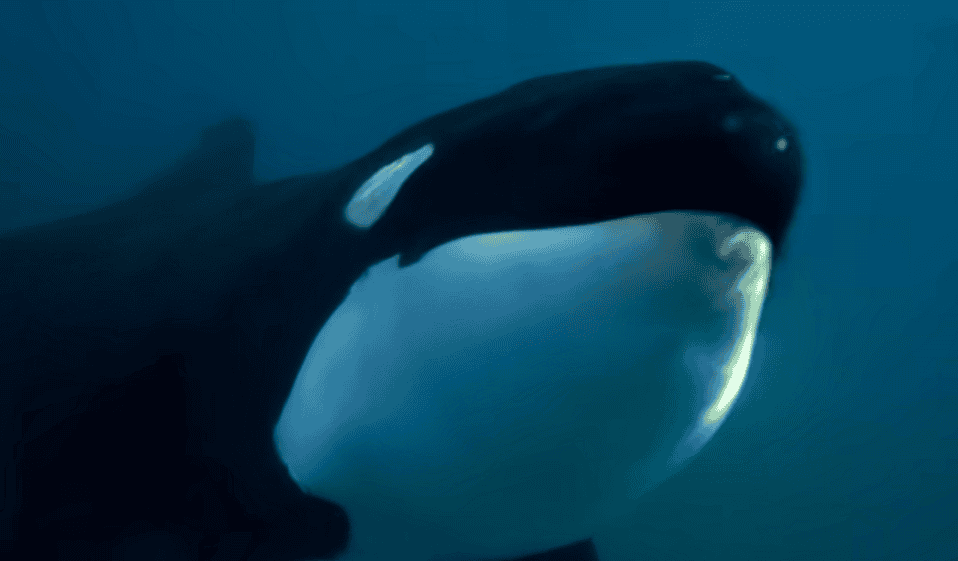
Instances of orcas helping injured pod members or sharing food highlight their altruistic behavior, fostering strong reciprocal relationships. This reciprocity can strengthen community ties and promote a culture of generosity.
Lesson 17: Celebrating Milestones

Orcas have been observed engaging in playful behaviors that suggest celebratory rituals, especially after successful hunts. The communal celebration of achievements can enhance group cohesion and morale.
Lesson 18: The Role of Play
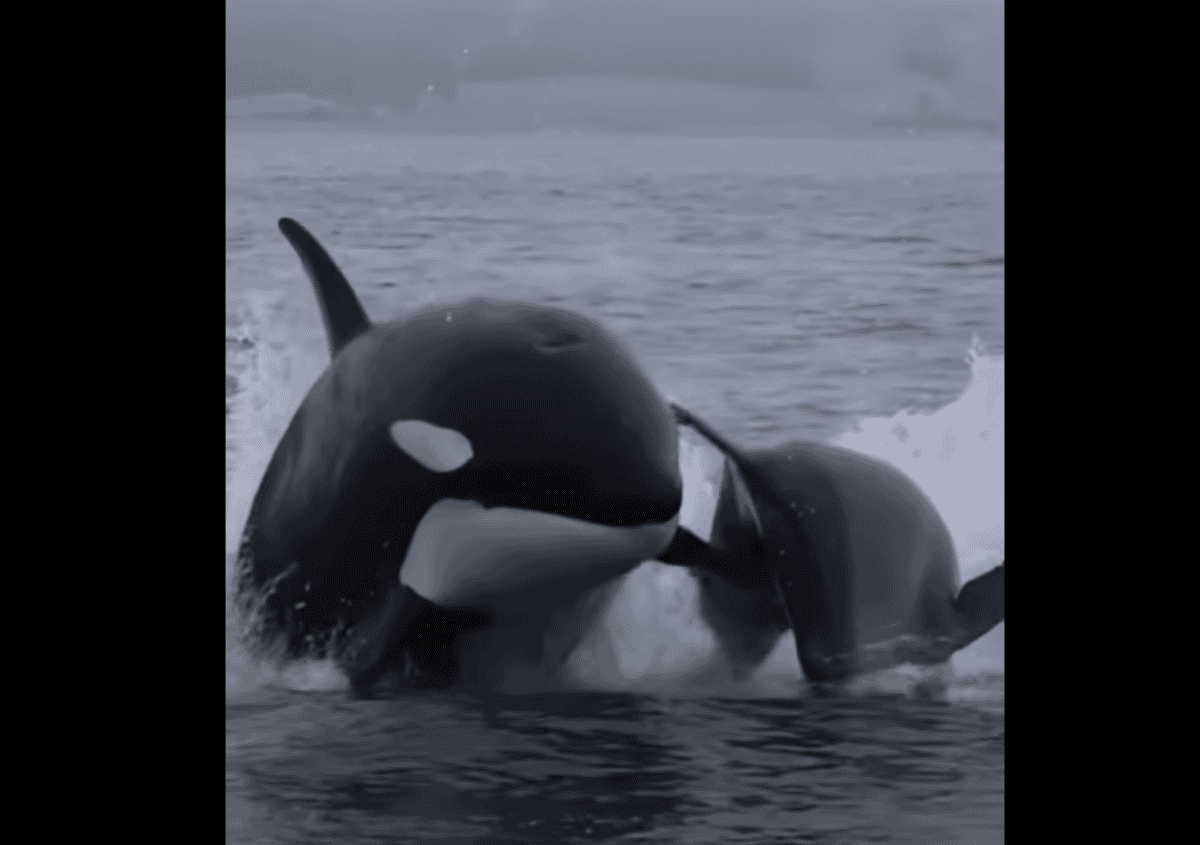
Play is a significant part of orca life, serving as a way to strengthen social bonds and develop skills. This aspect of their behavior illustrates the importance of play and leisure in mental and social development.
Conclusion

The social structure of orcas offers rich insights into the dynamics of community living and interaction. By studying and applying these lessons to human society, we can cultivate stronger communities grounded in empathy, cooperation, and shared purpose. Understanding orcas not only enriches our knowledge of the natural world but can also inspire us to build more resilient and harmonious human societies.

As a little kid, I fell in love with nature, wildlife, and animals. Living in the USA, South Africa, Italy, China and Germany gave me the opportunity to discover the world's Wildlife. My favorite animals are Mountain Gorillas, Siberian Tigers, and Great White Sharks.
I'm a certified PADI Open Water Diver, went to Everest Base Camp and Trekked Gorillas in Uganda. I hold a Master of Science in Economics and Finance.
Please send any feedback to feedback@animalsaroundtheglobe.com
- 18 Powerful Lessons We Can Learn from Orca Social Structure - July 24, 2026
- 11 Weather Records That Still Haven’t Been Broken - July 23, 2026
- 12 Most Adorable Dog Breeds That Melt Hearts - July 23, 2026
Leave a comment
You must be logged in to post a comment.