

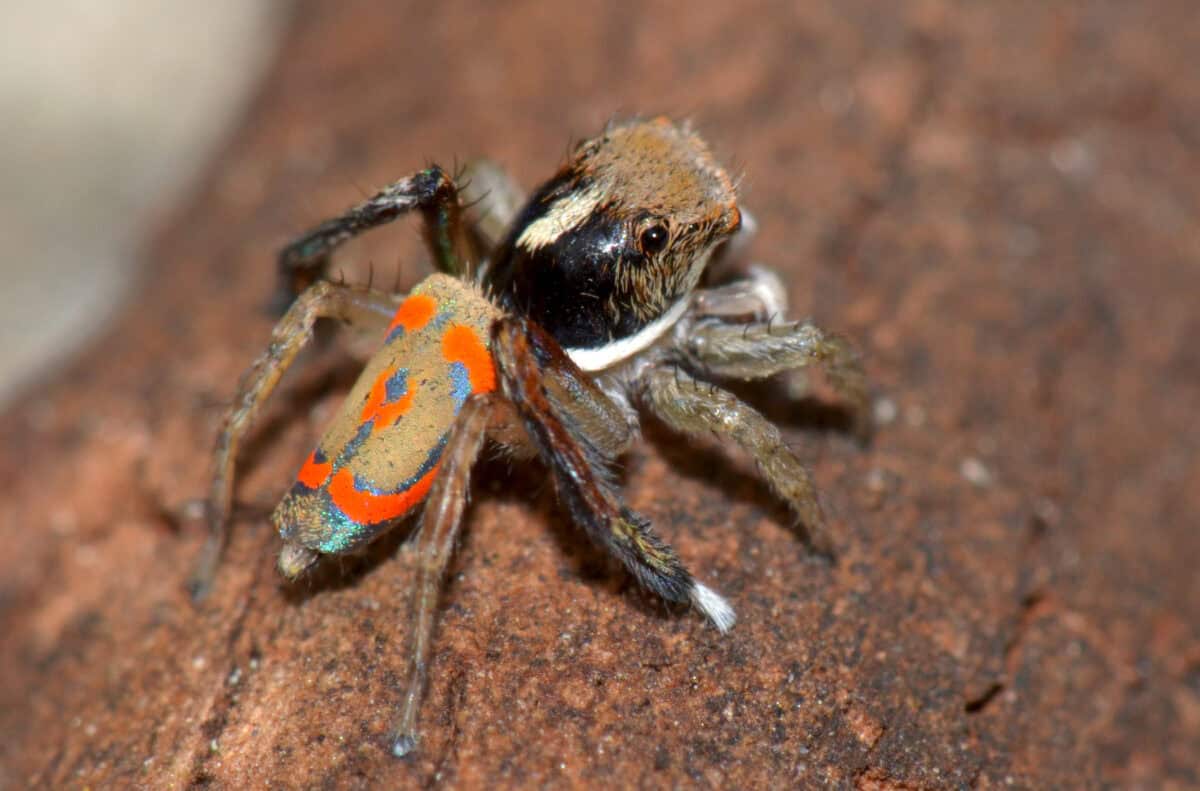
In the natural world, the ability to build structures is not exclusive to humans. Many animals have evolved exceptional building skills that allow them to create homes, shelters, and traps for survival. From architectural marvels suspended in trees to intricate underwater constructions, these animal architects showcase a remarkable blend of instinct and design. In this article, we explore 12 master builders of the animal kingdom and delve into their engineering feats.
1. Beavers Nature’s Dam Engineers
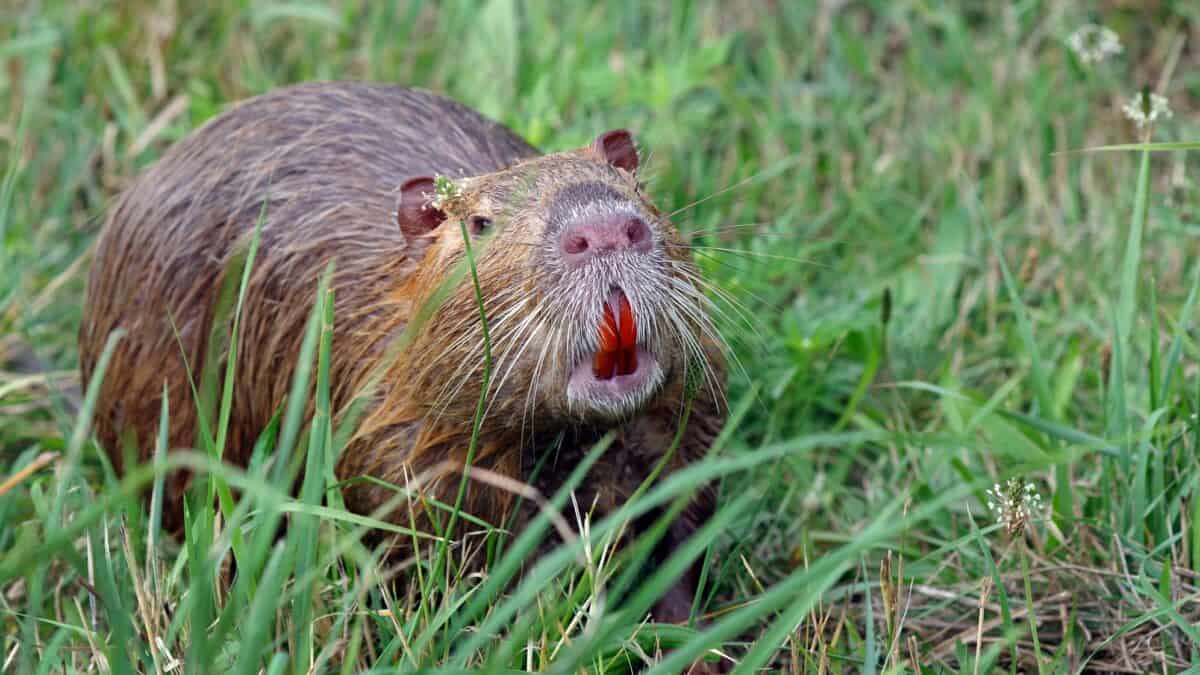
Beavers are renowned for their impressive dam-building capabilities. Using their strong teeth, they fell trees and branches to construct dams across streams and rivers, creating ponds that protect predators and a habitat for a rich variety of aquatic life. These structures can measure up to thousands of feet in length, demonstrating a methodical approach to altering their environment for survival.
2. Weaver Birds Avian Artisans
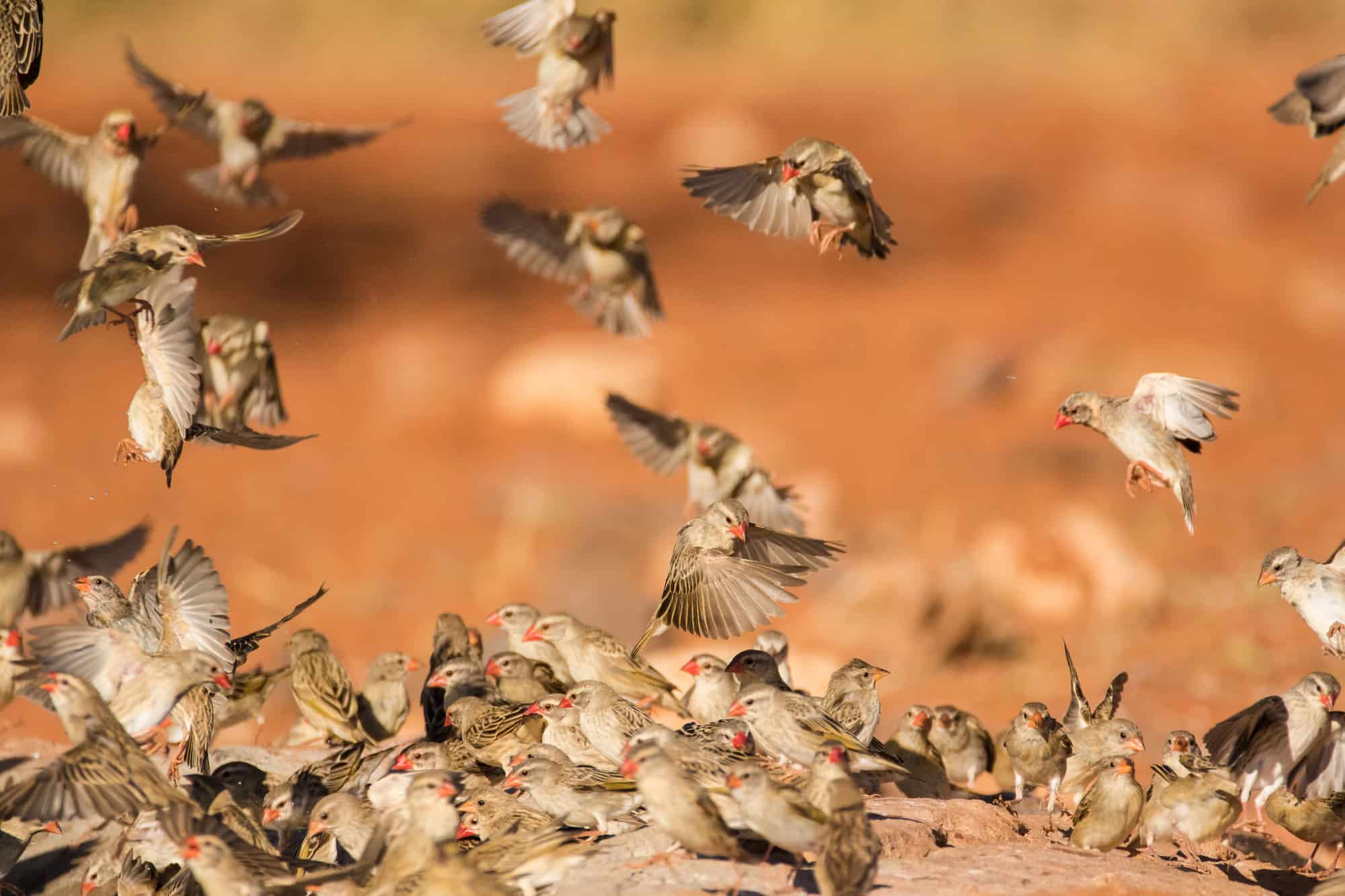
Weaver birds are aptly named for their intricate nest-building skills. Using their beaks, these birds weave grasses and branches into elaborate hanging nests, often suspended from tree branches. These nests are not only a haven for raising young but also an individual expression of craftsmanship, with each species employing unique weaving techniques.
3. Termites Towering Metropolises

Termites may be tiny insects, but they are among the most proficient builders in the animal kingdom. They construct towering mounds using mud, saliva, and feces, often equipped with sophisticated ventilation systems. These structures, found notably in Africa and Australia, can reach up to 30 feet in height and house millions of termites in an intricate network of chambers and tunnels.
4. Bowerbirds Aesthetic Architects
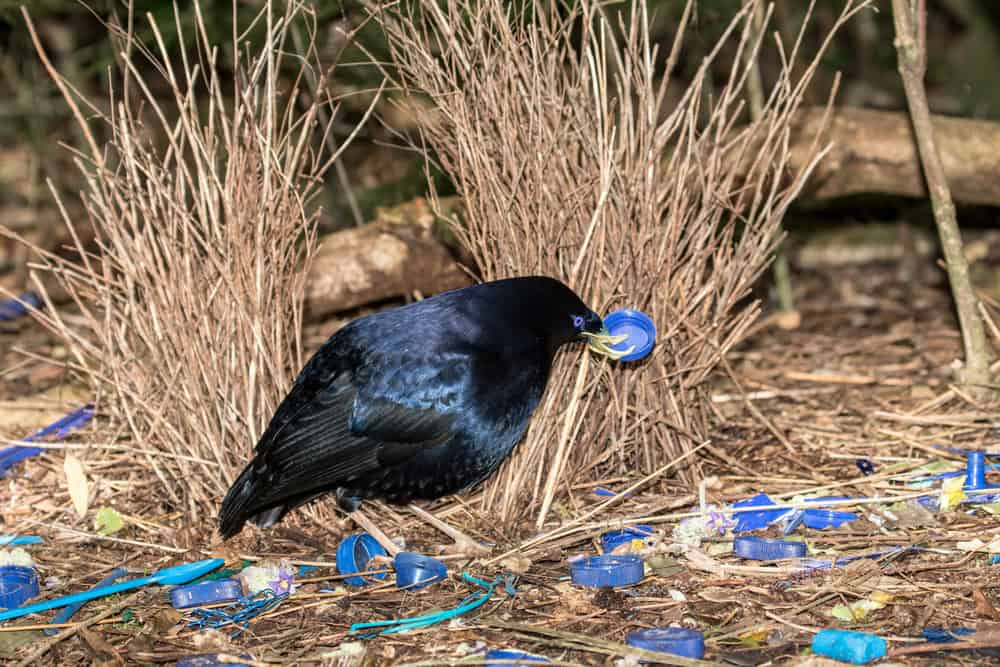
Bowerbirds, native to Australia and New Guinea, are famed for the complex structures known as bowers built by males to attract mates. These bowers, made of twigs and decorated with brightly colored objects, are an amazing display of courtship behavior. Each bower is meticulously crafted, with particular care taken to ensure visual appeal and symmetry.
5. Ants Underground Engineers

Ants are extraordinarily efficient builders, known for constructing vast and complex subterranean colonies. Using logistic coordination, various ant species create underground tunnels and chambers that can extend for miles. These colonies serve as a living space for the community and facilitate food storage, raising young, and elaborate communication systems.
6. Spiders Web Weavers Extraordinaire
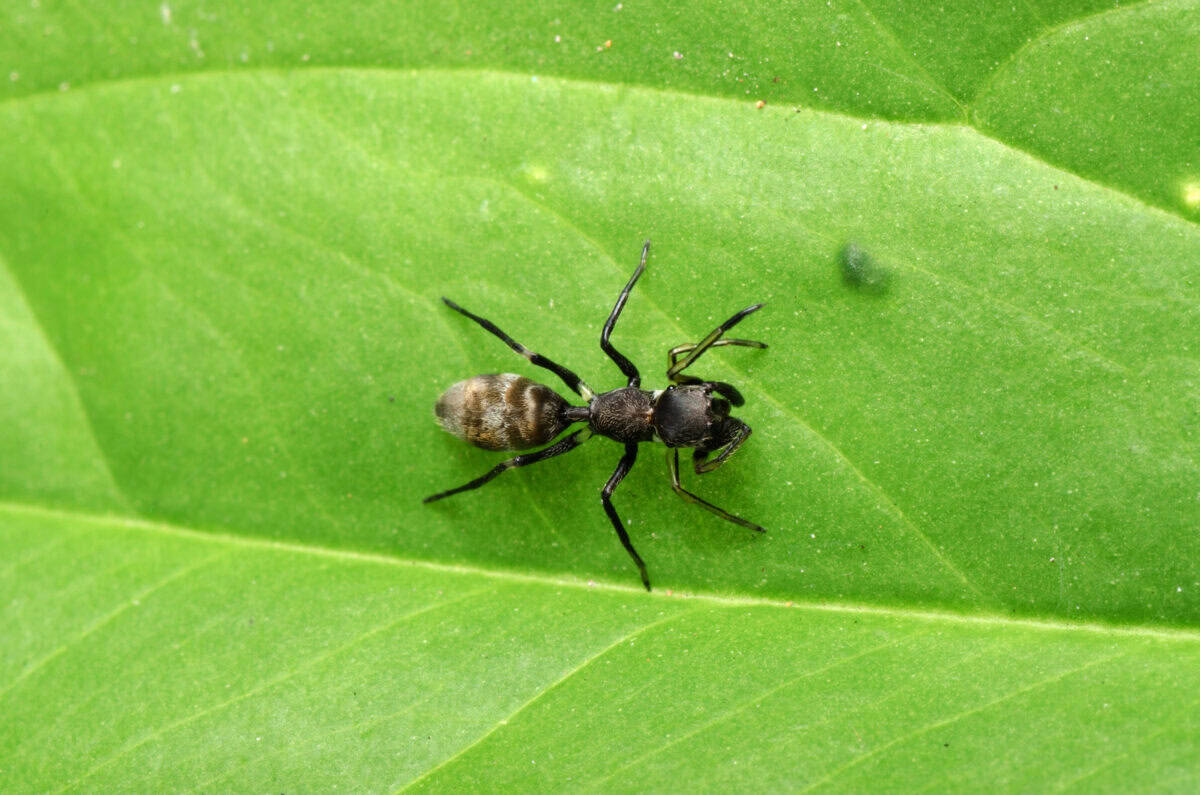
Spiders are perhaps the most iconic builders, creating webs with silk strands produced from their spinnerets. These webs serve various purposes, from capturing prey to serving as habitats or even for reproduction. The intricate geometric designs of these webs, such as the orb web, reveal a balance between functionality and efficiency, demonstrating the spiders’ ability to tailor their builds to specific environmental conditions.
7. Coral Polyps Reef Constructors

Coral polyps, marine invertebrates, contribute to building massive structures known as coral reefs. These polyps secrete calcium carbonate, forming hard exoskeletons that gradually expand into coral reefs. Coral reefs are vital ecosystems that provide food and shelter for a diverse range of marine life, highlighting the foundational role of these tiny architects in supporting ocean biodiversity.
8. Badgers Expert Excavators
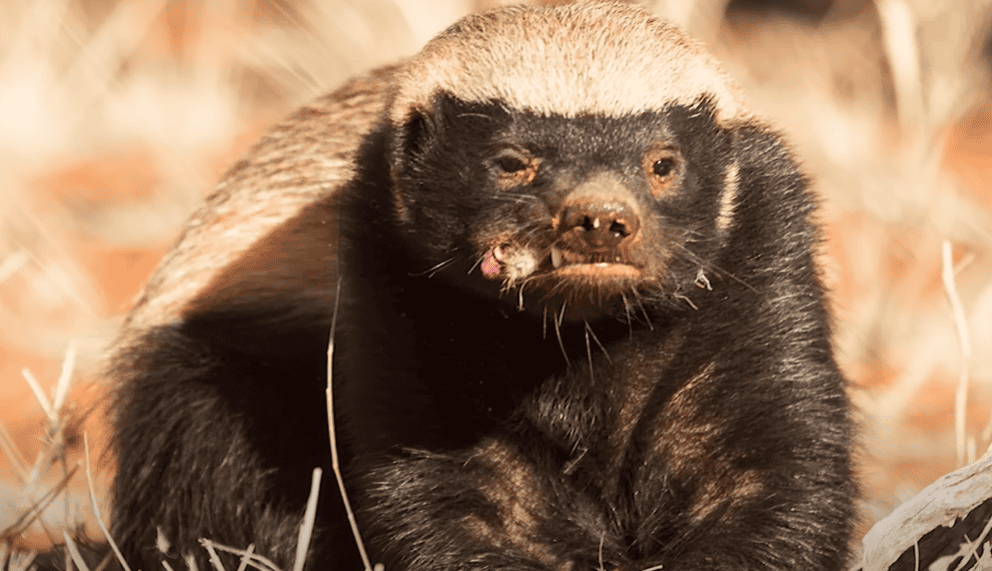
Badgers are skilled diggers, crafting extensive underground burrows called setts. These structures consist of many entry and exit points and multiple chambers used for sleeping and rearing young. The impressive complexity of these burrow systems offers protection from predators and harsh environmental conditions.
9. Pufferfish Sand Sculptors

In the shallow waters of the Pacific Ocean, male pufferfish create intricate geometric sand patterns on the ocean floor to attract mates. By fanning sand and sediment with their fins, these fish etch out circular formations that are both functional and aesthetic. This artistic display, sometimes reaching up to six feet in diameter, demonstrates the nuanced courtship strategies of marine life.
10. Honeybees Perfect Hexagons

Honeybees construct their hives using a series of hexagonal cells made from beeswax. This hexagonal design is mathematically optimal, allowing the hive to store maximum honey with minimal wax. The precision displayed by honeybees in hive construction is crucial for the production and storage of honey, as well as the rearing of their larvae.
11. Viking Ants Fungus Farmers

Also known as leafcutter ants, these industrious insects are experts in agriculture. They cut and transport leaves back to their colonies, not for direct consumption but to cultivate a special type of fungus that serves as their primary food source. The construction of their fungus farms is a testament to their capability to manipulate their environment for agricultural purposes.
12. Great Apes Temporary Nests

Great apes, including orangutans and chimpanzees, exhibit building behavior by constructing temporary nests in trees, where they rest or sleep. Using branches and leaves, they weave these nests high above the ground to avoid predators. This daily construction highlights their adaptability and the importance of shelter in their lives.
Conclusion

The architectural wonders created by these animals reflect the incredible ingenuity and adaptability of the natural world. Each species demonstrates a unique approach to solving ecological challenges through building and construction. Observing and understanding these natural builders not only offers us insight into the complexity of animal behavior but also inspires human innovation and design.

As a little kid, I fell in love with nature, wildlife, and animals. Living in the USA, South Africa, Italy, China and Germany gave me the opportunity to discover the world's Wildlife. My favorite animals are Mountain Gorillas, Siberian Tigers, and Great White Sharks.
I'm a certified PADI Open Water Diver, went to Everest Base Camp and Trekked Gorillas in Uganda. I hold a Master of Science in Economics and Finance.
Please send any feedback to feedback@animalsaroundtheglobe.com
- 30 U.S. States Where Bears Still Roam Wild and Free - August 8, 2026
- 12 Animals That Are Master Builders in Nature - August 8, 2026
- 16 Things Your Cat Wishes You Knew - August 8, 2026
Leave a comment
You must be logged in to post a comment.