


Keeping our furry friends at a healthy weight is crucial for their overall well-being and longevity. Just like in humans, obesity in pets can lead to a host of health issues, including diabetes, heart disease, and arthritis. Recognizing the significance of weight management in pets is the first step toward ensuring they live a long, healthy life.
Consulting with a Veterinarian

Before embarking on any weight loss plan for your pet, it’s essential to consult with a veterinarian. They can help assess your pet’s current health status and determine an ideal weight based on their breed, age, and overall health. Furthermore, a vet will rule out any underlying medical conditions that could be contributing to your pet’s weight gain, ensuring that the weight management plan is tailored and safe.
Evaluating Your Pet’s Diet

Diet plays a crucial role in weight management. Start by evaluating the type and amount of food you’re feeding your pet. Many commercial pet foods contain high levels of carbohydrates and fats, which can contribute to weight gain if not properly managed. Your veterinarian may recommend a specific diet plan or prescription food that is lower in calories but still rich in nutrients.
Monitoring Portion Sizes

Portion control is a simple and effective way to manage your pet’s weight. It can be easy to overfeed, especially if your pet seems constantly hungry or begs for food. Measure their meals carefully using a measuring cup and resist the urge to give them extra scoops or treats, which can quickly add up in calories. During your vet consultation, ask for guidance on the appropriate portion sizes for your pet’s needs.
Introducing Regular Exercise

Increasing your pet’s physical activity is as important as diet modification. For dogs, this can include daily walks, playtime in the park, or games of fetch. Cats can benefit from interactive toys, climbing structures, or laser pointers to encourage movement. It’s vital to tailor the exercise to your pet’s current fitness level and gradually increase intensity to prevent injury.
Engaging Your Pet with Interactive Play

Aside from structured exercise, interactive play helps to stimulate your pet mentally and physically, making it an excellent way to burn calories. Consider rotating their toys regularly to keep them engaged or introduce puzzle feeders that encourage them to work for their food. This not only aids in weight loss but also enriches their environment, reducing stress and behavioral issues.
Tracking Progress
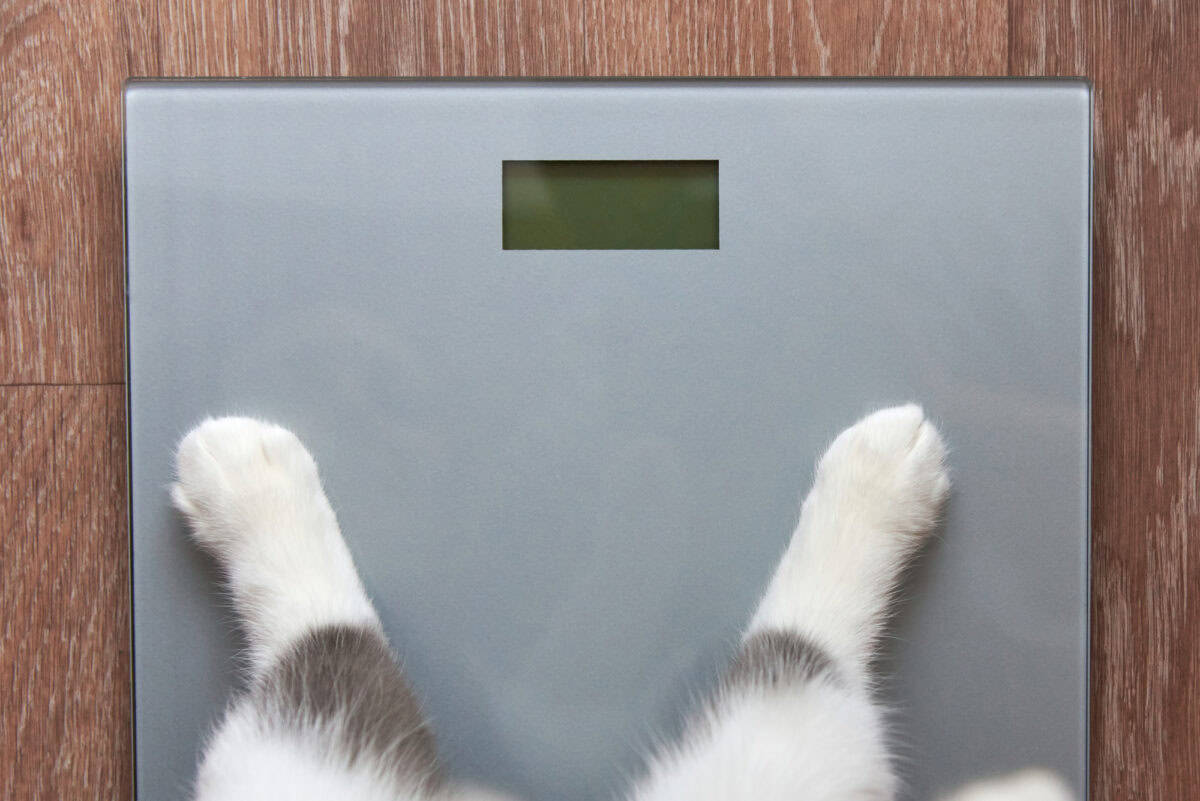
Keep a close eye on your pet’s weight loss journey by regularly weighing them and recording their progress. Frequent weigh-ins, either at home or at the vet’s office, will help ensure they are losing weight at a healthy pace. A gradual weight loss of about 1-2% of body weight per week is generally considered safe and sustainable.
Recognizing Successful Weight Management

Success isn’t just measured by numbers on a scale. Improvements in your pet’s energy levels, coat quality, and overall demeanor are excellent indicators of successful weight management. Additionally, regular veterinary check-ups can assess improvements in your pet’s health and make adjustments to the weight loss plan as needed.
Long-Term Maintenance
Once your pet reaches their ideal weight, maintaining that weight is crucial. Continue monitoring their diet, maintain regular exercise routines, and engage them in stimulating activities. Weight management is a lifelong commitment to ensuring your pet’s health and happiness, so staying vigilant will help prevent any future weight gain.
Conclusion: A Collaborative Effort

Helping your pet lose weight and stay fit requires collaboration, consistency, and commitment. By working closely with your veterinarian, providing a balanced diet, and encouraging regular exercise, you can significantly enhance your pet’s quality of life. Remember, a healthy pet is a happy pet, and your efforts will contribute to many joyful years together.

From exploring the marine wonders in the Azores and witnessing the vast savannas of Kenya, to delving deep into the rich biodiversity of South Africa and traversing iconic landscapes in Australia and the US like Yellowstone, Chris's experiences are vast.
With a penchant for diving alongside sharks, the ocean holds a special place in his heart.
Through his academic insights, he champions wildlife conservation, striving with 'Animals Around The Globe' to cultivate a profound connection between humans and animals, enhancing our mutual appreciation.
Connect with him at Feedback@animalsaroundtheglobe.com.
- Why the Blobfish Looks So Sad (And Isn’t Ugly in the Deep) - July 19, 2026
- Why Some Cultures Celebrate the Slaughter—and Others Mourn It - July 19, 2026
- The World’s Smallest Owl Is Making a Big Comeback - July 19, 2026