


Pangolins are fascinating and unique creatures that have captured the curiosity of scientists and nature enthusiasts alike. These small, nocturnal mammals are distinguished by their full armor of overlapping scales, reminiscent of a medieval knight. Pangolins are the only mammals entirely covered in scales, which are made of keratin—the same material found in human nails and hair. Despite their extraordinary biological features, pangolins face grave threats to their survival due to rampant poaching and illegal wildlife trade, making them the world’s most trafficked mammals.
Pangolin Species and Habitats

There are eight species of pangolins in Asia and Africa. Four species inhabit Asia: the Indian pangolin, Chinese pangolin, Sunda pangolin, and Philippine pangolin. The African continent is home to the Cape pangolin, the Black-bellied pangolin, the White-bellied pangolin, and the Giant pangolin. Each species occupies distinct habitats, ranging from dense tropical forests to open savannas. Despite their geographical spread, all pangolins exhibit similar behavior. They are solitary, mainly nocturnal, and have adapted to be proficient foragers.
The Role of Pangolins in the Ecosystem

Pangolins play a significant role in maintaining the balance of their ecosystems. As insectivores, they primarily feed on ants and termites, using their long, sticky tongues to extract these insects from nests. This feeding behavior helps keep insect populations in check, preventing overpopulation and its subsequent effects on vegetation and agriculture. Their burrowing habits also aid in aerating the soil, thereby enriching nutrient cycling and promoting healthy plant growth.
Threats to Pangolin Survival

Despite their ecological importance, pangolins are under severe threat, largely due to human activities. The international illegal trade in pangolins is driven by demand for their meat, considered a delicacy in some cultures, and their scales, which are used in traditional medicine practices despite a lack of scientific evidence supporting their efficacy. Habitat destruction caused by agriculture, urban development, and deforestation further exacerbates the species’ plight, leading to a significant decline in their populations worldwide.
Conservation Efforts and Legal Protections
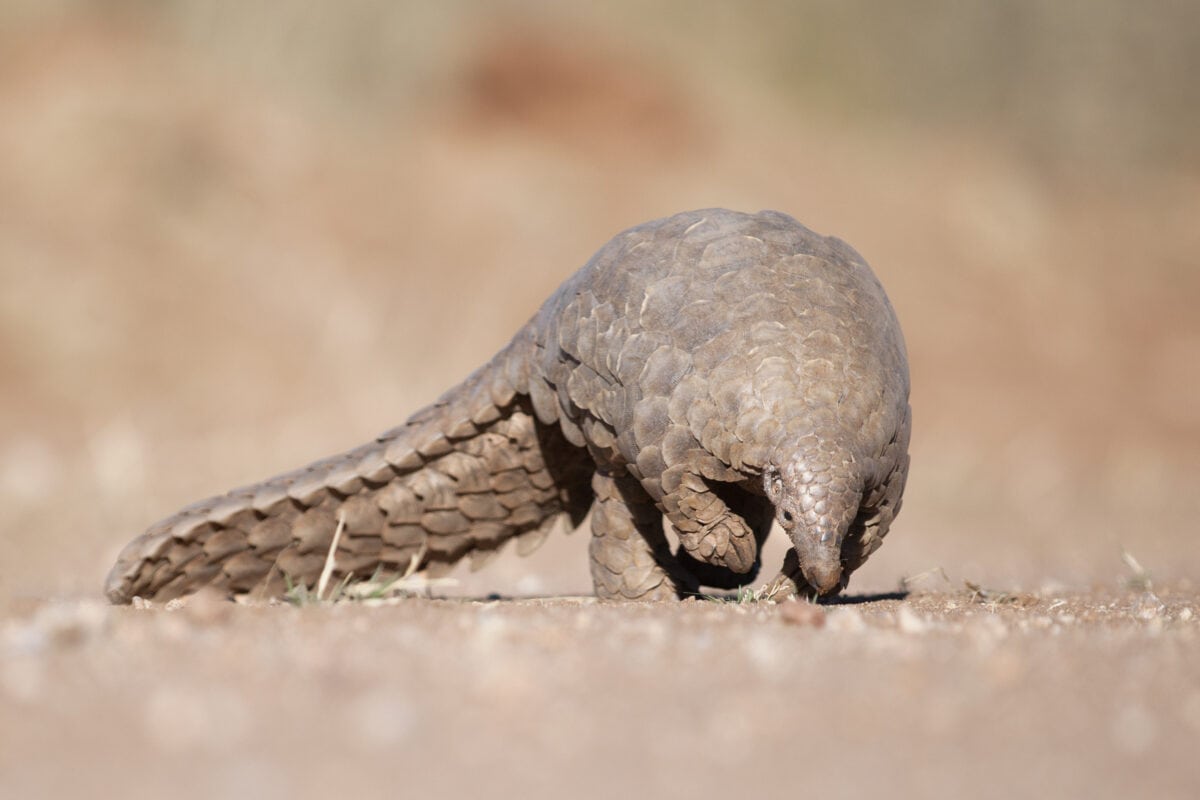
Recognizing the critical endangerment of pangolins, conservation organizations and governments worldwide have initiated efforts to protect them. Pangolins are listed under the Convention on International Trade in Endangered Species of Wild Fauna and Flora (CITES) Appendix I, which prohibits international trade in pangolins and their parts. Conservationists advocate for stronger enforcement of these laws alongside breeding and rehabilitation programs aimed at stabilizing and increasing pangolin populations. Additionally, education campaigns are ongoing to raise awareness about pangolins and reduce demand for their trade.
How You Can Help
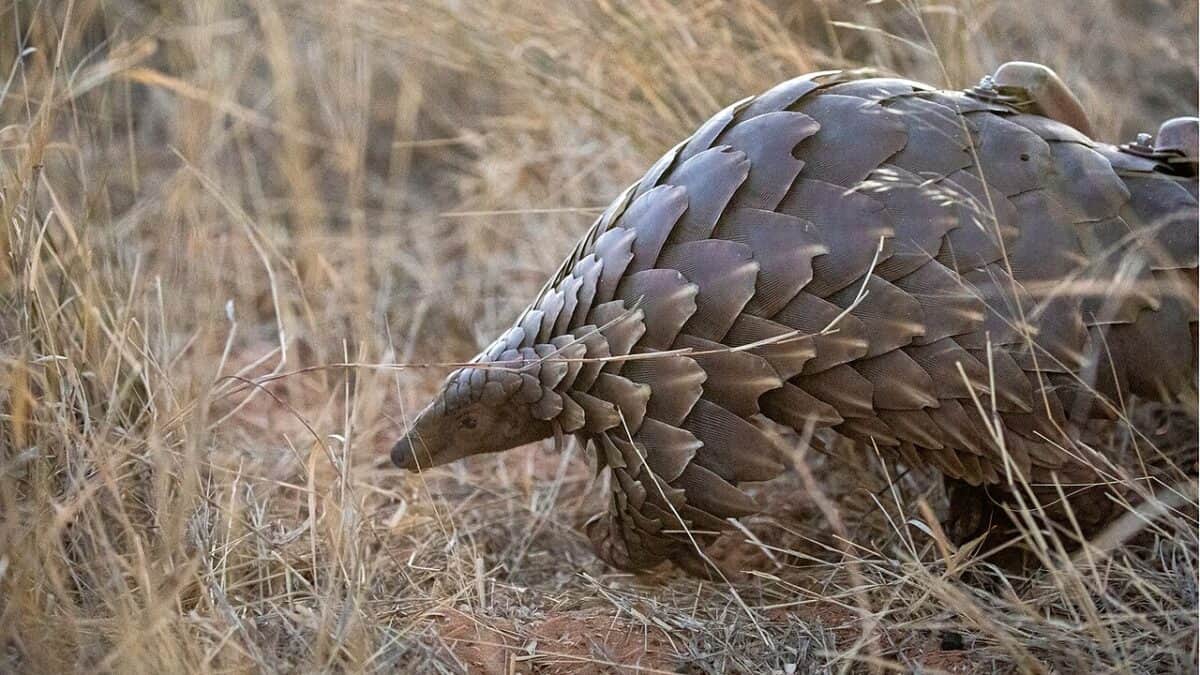
Individuals can also play a vital role in the survival of pangolins. Supporting reputable wildlife conservation organizations and volunteering for initiatives focused on habitat preservation and restoration can make a significant impact. Educating others about the importance and plight of pangolins can further aid in reducing demand for these mammals in the illegal wildlife trade. Advocating for stronger wildlife protection laws and responsible consumer choices can help create the systemic change required for pangolin conservation.
Conclusion
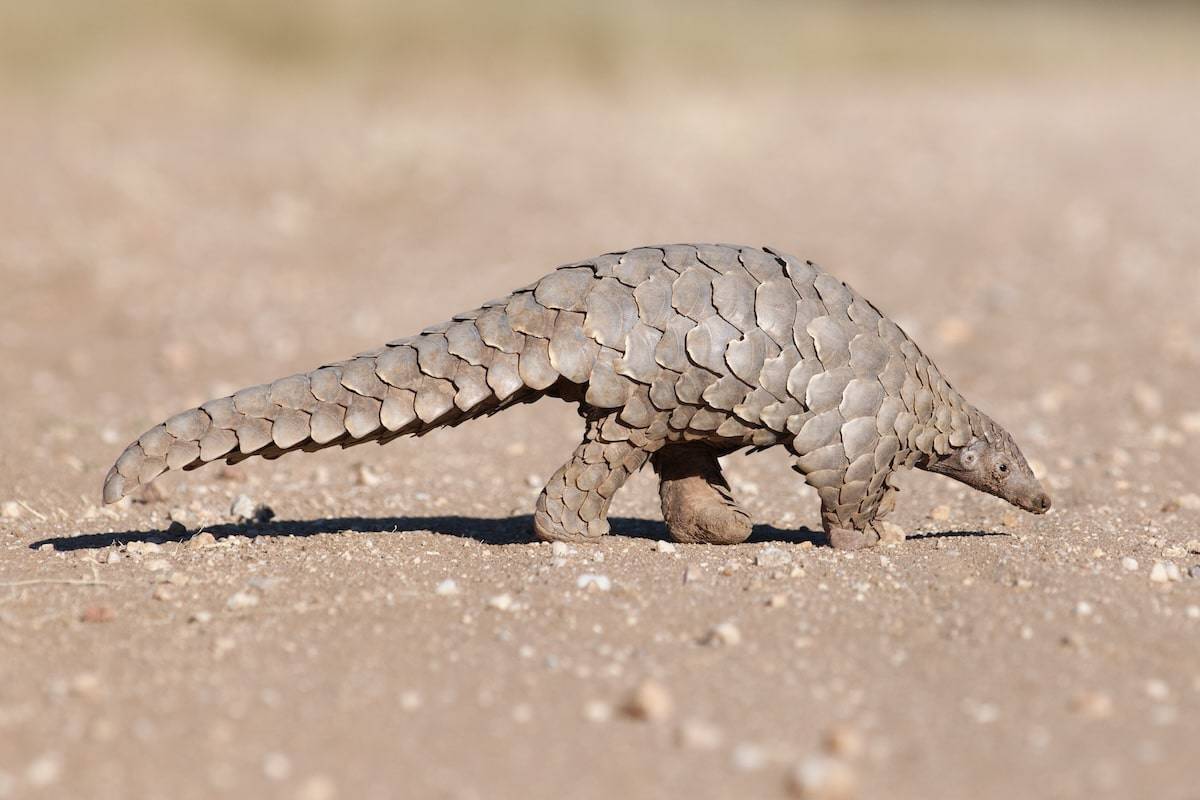
Pangolins, with their distinctive appearance and vital ecological role, remind us of the rich biodiversity our planet harbors. However, the threat of extinction looms unless concerted efforts are made to protect them. These creatures need our help not only to survive but also to thrive in their natural habitats. Through awareness, education, and action, we can ensure that pangolins continue to roam the Earth, contributing to the ecological balance that benefits us all.

As a little kid, I fell in love with nature, wildlife, and animals. Living in the USA, South Africa, Italy, China and Germany gave me the opportunity to discover the world's Wildlife. My favorite animals are Mountain Gorillas, Siberian Tigers, and Great White Sharks.
I'm a certified PADI Open Water Diver, went to Everest Base Camp and Trekked Gorillas in Uganda. I hold a Master of Science in Economics and Finance.
Please send any feedback to feedback@animalsaroundtheglobe.com
- The Fearsome Komodo Dragon Earth’s Largest Lizard - August 18, 2026
- How Bears Are Adapting to Urban Life in the U.S. - August 18, 2026
- Animals and Wildlife in North America - August 18, 2026