

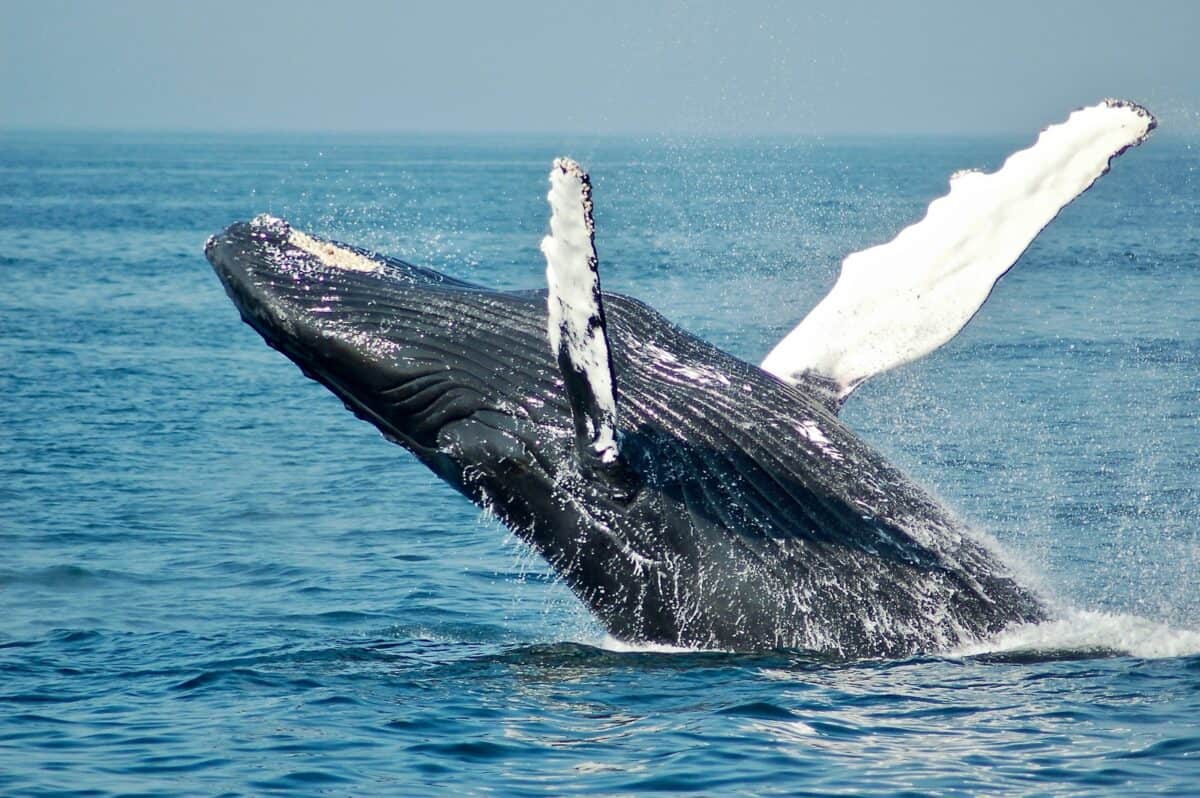
Blue whales, the largest animals on the planet, are awe-inspiring creatures that capture the imagination of scientists, wildlife enthusiasts, and travelers alike. Measuring up to 100 feet in length and weighing as much as 200 tons, blue whales are a testament to the marvels of the natural world. Observing these gentle giants in their natural habitat is an unforgettable experience, and Sri Lanka has emerged as one of the premier destinations for doing just that. But what makes this island nation the best place to spot blue whales? Let’s dive into the details.
Geographic Advantage of Sri Lanka

Sri Lanka’s location in the Indian Ocean provides it with a unique geographic advantage when it comes to marine biodiversity. The island’s waters are enriched by major ocean currents, including the Indian Ocean Gyre, which bring a wealth of nutrients and plankton, the primary food source for blue whales. This nutrient-rich environment attracts not only blue whales but also a diverse array of marine life.
Furthermore, the deep-sea continental shelf that lies close to Sri Lanka’s southern and eastern coasts provides the perfect conditions for blue whales. Unlike other regions where whales might be found in deeper waters far from shore, in Sri Lanka, enthusiasts can witness these magnificent creatures relatively close to land.
Optimal Climate and Seasonal Conditions
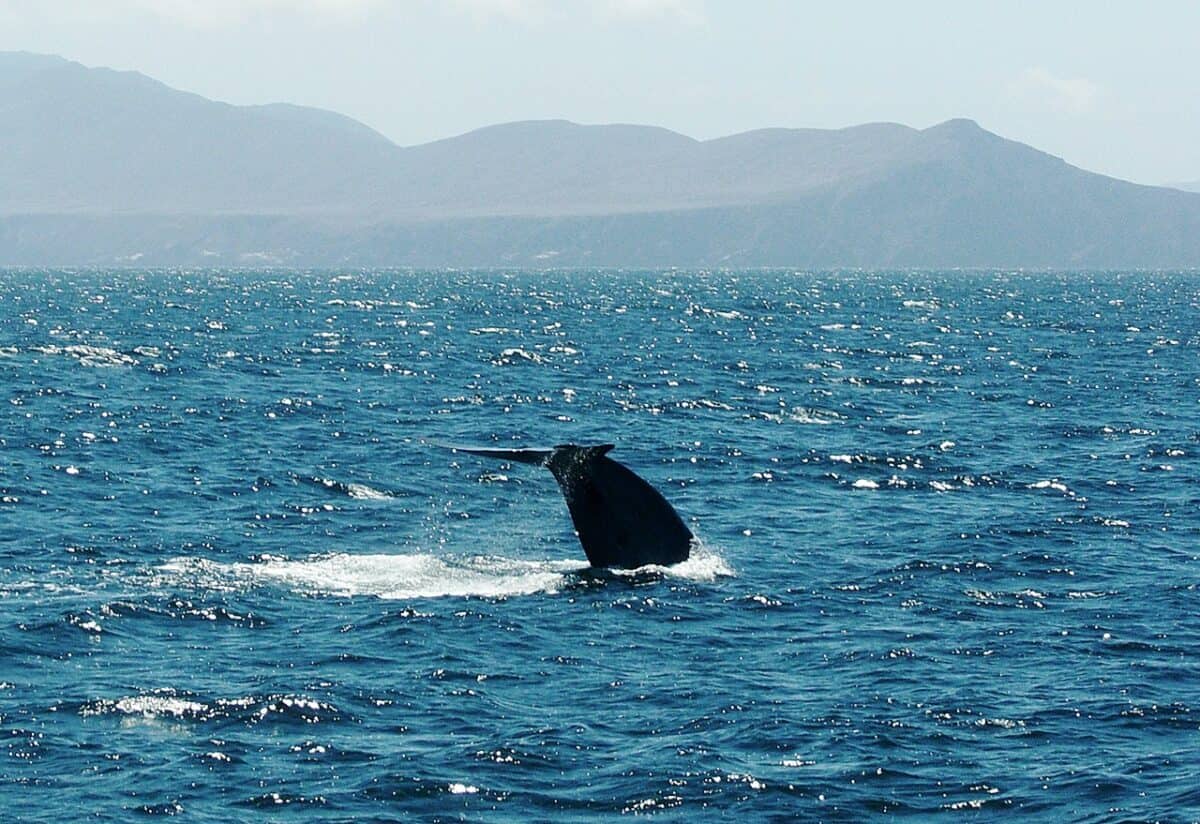
Sri Lanka enjoys a tropical climate with two monsoon seasons, which play a critical role in marine life activity. The southwest monsoon from May to October and the northeast monsoon from November to April impact whale migration patterns, creating a year-round opportunity for whale watching. The best time to spot blue whales off the southern coast, particularly in Mirissa, is from November to April when the waters are calm and accessible.
The consistent weather and warm sea temperatures contribute to a stable habitat for blue whales, which means that they can be spotted more reliably than in other parts of the world where conditions are more variable.
Rich Marine Biodiversity and Ecosystem

In addition to blue whales, Sri Lanka’s waters are home to a rich tapestry of marine biodiversity, including sperm whales, fin whales, dolphins, and various species of sea turtles and fish. This diversity is a result of the confluence of different marine ecosystems, including coral reefs, seagrass beds, and mangrove forests, which together create a haven for marine life.
This abundance elevates the whale-watching experience, as visitors often encounter multiple species of cetaceans and other marine wildlife, making a trip to Sri Lanka more rewarding compared to other whale-watching destinations.
Conservation Efforts and Responsible Tourism

Sri Lanka has made strides in promoting responsible whale watching and marine conservation. The country has established guidelines to minimize the disturbance to whales and other marine life, ensuring that whale-watching tours are conducted in an environmentally sustainable manner. Boats are required to maintain a respectful distance from whales, and operators are encouraged to follow specific practices to reduce stress on the animals.
These conservation efforts promote the well-being of marine habitats and contribute to the long-term sustainability of Sri Lanka as a prime destination for whale watching. Conservation organizations and research institutions also work actively in the region to study blue whales, gather data, and promote awareness about the importance of protecting these incredible creatures.
Conclusion: A Global Hotspot for Whale Enthusiasts

Sri Lanka’s unique combination of geographic position, optimal climate, rich marine biodiversity, and commitment to conservation makes it an unparalleled location for spotting blue whales. The ease of access to whale-watching sites, particularly in Mirissa and Trincomalee, means that even those on short trips can experience the magic of seeing the world’s largest animal in its natural habitat.
For anyone with an interest in marine life, a trip to Sri Lanka provides a rare opportunity to witness blue whales and other marine wonders, fostering a deeper appreciation for the ocean and the need to preserve these extraordinary creatures for generations to come.

As a little kid, I fell in love with nature, wildlife, and animals. Living in the USA, South Africa, Italy, China and Germany gave me the opportunity to discover the world's Wildlife. My favorite animals are Mountain Gorillas, Siberian Tigers, and Great White Sharks.
I'm a certified PADI Open Water Diver, went to Everest Base Camp and Trekked Gorillas in Uganda. I hold a Master of Science in Economics and Finance.
Please send any feedback to feedback@animalsaroundtheglobe.com
- 11 Most Endangered Insects Buzzing in America Today - July 22, 2026
- 10 Most Frequently Googled Animal Birth Facts - July 22, 2026
- 10 Incredible Migration Journeys in the Animal Kingdom - July 22, 2026