

The Sahara Desert, the world’s largest hot desert, is a place of extremes. Its harsh environment may seem uninhabitable, yet it is home to a fascinating array of wildlife that has adapted to survive its relentless conditions. From resilient insects to majestic mammals, the Sahara offers a glimpse into the resilience and ingenuity of nature. Join us as we explore the top 10 animals and wildlife that call this arid landscape home.
10. The Resilient Fennec Fox

The fennec fox (Vulpes zerda) is a small nocturnal fox known for its enormous ears, which can grow up to 6 inches long. These distinctive ears help dissipate heat and provide exceptional hearing, enabling the fennec to detect prey underground. Adapted to survive in the desert’s extreme temperatures, this fox can go for long periods without water, obtaining moisture from food and exhibiting behaviors like digging burrows to escape the heat.
9. The Adaptable Dromedary Camel

No discussion of the Sahara’s wildlife is complete without mentioning the dromedary camel (Camelus dromedarius). With its iconic hump for fat storage, this “ship of the desert” can travel long distances without water, thanks to its ability to handle high temperatures and dehydration. Camels are essential to nomadic peoples, serving as transportation and providing milk, meat, and wool.
8. The Mysterious Sahara Silver Ant

The Sahara silver ant (Cataglyphis bombycina) holds the title for being the fastest ant in the world. Its silvery reflective hair helps it withstand the intense desert sun, allowing it to forage during the hottest parts of the day when predators are less active. These ants navigate using polarized light from the sun, demonstrating remarkable adaptations in a relentless environment.
7. The Silent Deathstalker Scorpion

Among the most feared inhabitants of the Sahara is the deathstalker scorpion (Leiurus quinquestriatus). Its venom is extremely potent, although it poses little danger to healthy adults. The deathstalker is a formidable hunter, using its sensitive pectines and hairs to detect prey vibrations in the sand. It plays a crucial role in controlling insect populations, highlighting its importance in the desert ecosystem.
6. The Stealthy Desert Monitor Lizard

Desert monitor lizards (Varanus griseus) are skilful hunters known for their speed and intelligence. Reaching up to four feet in length, they feed on a variety of prey, including insects, small mammals, and birds. Equipped with strong limbs and sharp claws, these lizards are excellent burrowers, using their skills to escape the desert heat and ambush unsuspecting prey.
5. The Majestic Addax Antelope

The addax antelope (Addax nasomaculatus) is a critically endangered species known for its striking twisted horns. Adapted to the desert environment, addaxes have large, flat hooves that prevent them from sinking into the soft sand. These antelopes can survive without water for long periods, obtaining moisture from the plants they eat, and congregate in small herds to ensure safety from predators.
4. The Elusive Saharan Cheetah

The Saharan cheetah (Acinonyx jubatus hecki) is a rare and critically endangered subspecies that has adapted to the desert environment. Unlike their savanna relatives, these cheetahs have lighter fur, allowing them to blend seamlessly with the environment. They hunt primarily at night and conserve energy by resting during the hotter parts of the day, making them elusive and difficult to study.
3. The Resourceful Jerboa

Jerboas are small hopping rodents perfectly adapted to desert life. With long hind legs and a tail that provides balance, jerboas move with agility and speed, avoiding predators by leaping several times their body length. They live in burrows to escape extreme temperatures and are nocturnal, foraging at night for seeds and plants.
2. The Tenacious Sand Cat

The sand cat (Felis margarita) is the only wild cat species that lives exclusively in desert environments. It has thick fur on its paws, protecting it from hot sand, and can survive with very little water. This solitary hunter is active at night, preying on rodents and birds, and has an impressive ability to detect underground vibrations, helping it locate prey hidden beneath the sand.
1. The Enduring African Spurred Tortoise
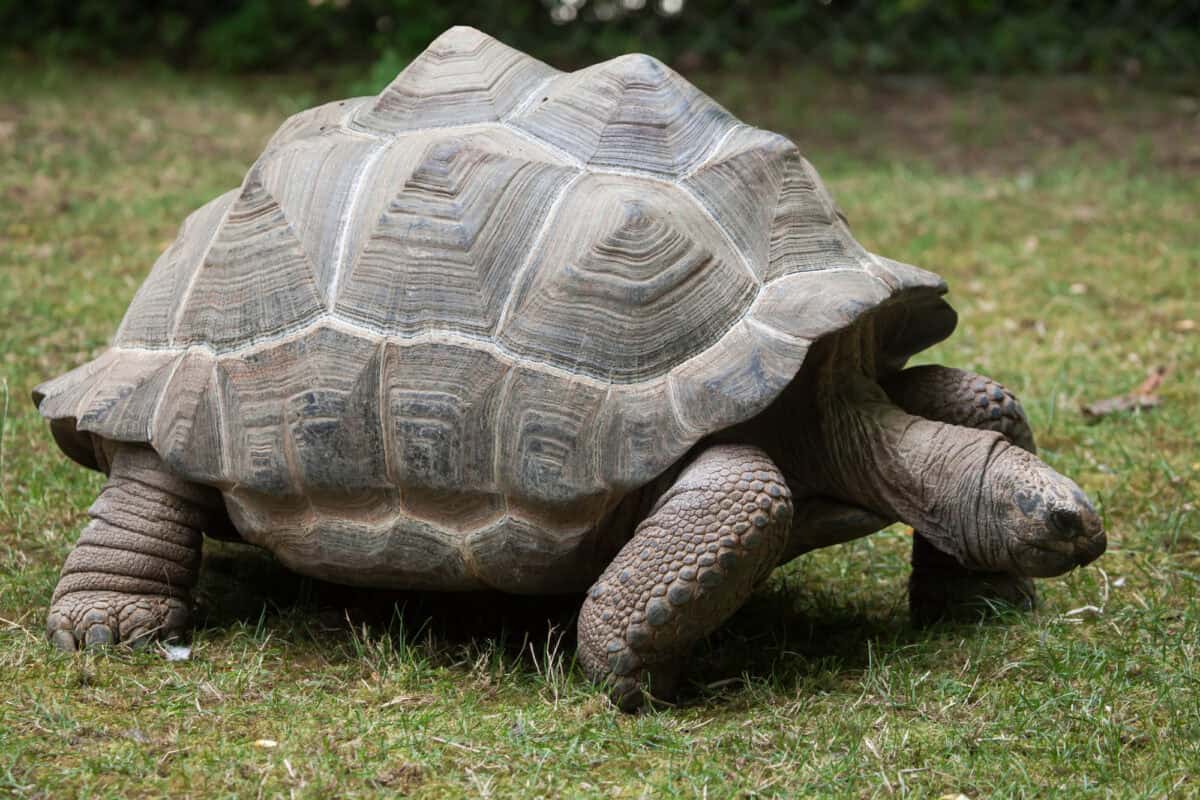
The African spurred tortoise (Centrochelys sulcata) is the third-largest tortoise species in the world. It thrives in the Sahara’s arid climate by digging deep burrows to escape the heat and conserve moisture. These tortoises are herbivorous, feeding on grasses and plants, and can survive extended periods without water by utilizing the moisture content in their diet.
A Symphony of Survival

The Sahara Desert, with its harsh conditions, may appear devoid of life at first glance, but it is teeming with a plethora of unique and resilient wildlife. Each species has developed extraordinary adaptations to survive and thrive in this extreme environment. From the nocturnal habits of the fennec fox to the heat-resistant physiology of the Sahara silver ant, the desert’s inhabitants exhibit the remarkable resilience of life’s complexity. As we marvel at these creatures, they remind us of nature’s ingenuity and the delicate balance required to sustain life even in the most challenging habitats on Earth.

As a little kid, I fell in love with nature, wildlife, and animals. Living in the USA, South Africa, Italy, China and Germany gave me the opportunity to discover the world's Wildlife. My favorite animals are Mountain Gorillas, Siberian Tigers, and Great White Sharks.
I'm a certified PADI Open Water Diver, went to Everest Base Camp and Trekked Gorillas in Uganda. I hold a Master of Science in Economics and Finance.
Please send any feedback to feedback@animalsaroundtheglobe.com
- 11 Most Endangered Insects Buzzing in America Today - July 22, 2026
- 10 Most Frequently Googled Animal Birth Facts - July 22, 2026
- 10 Incredible Migration Journeys in the Animal Kingdom - July 22, 2026