


Cats are fascinating creatures, often shrouded in mystery and myth. Over the years, they have inspired countless stories and misconceptions, leading to a myriad of myths about their behavior. While some of these myths may seem harmless or amusing, others can affect how we care for and understand our feline friends. In this article, we will debunk 13 common myths about cat behavior using scientific insights, helping you see your cat in a new light.
Myth 1: Cats Are Solitary Animals

One prevalent myth about cats is that they are inherently solitary creatures, uninterested in socializing with others. However, research indicates that while cats are more independent than dogs, they can form strong social bonds with other animals and humans. Cats are capable of living in social groups, particularly when they’re in environments where resources are abundant. They rub against our legs, purr, and meow to communicate affection and improve social connections.
Myth 2: Purring Means a Cat is Happy

Though many assume that purring is a clear sign of contentment, cats also purr in other circumstances such as when they are anxious, sick, or even in pain. Scientists believe that purring has self-healing properties, as the sound frequency of a cat’s purr may promote healing of bones and tissues. Therefore, while a cat’s purr can indicate happiness, it is essential to observe other behavioral signals for a full picture of a cat’s emotional state.
Myth 3: Cats Hate Water

The broad belief that all cats detest water is not accurate. While many domestic cats may indeed dislike getting wet due to their dense fur taking a long time to dry, some breeds like the Maine Coon and Turkish Van actually enjoy water. The distaste for water also depends on the individual cat’s early experiences and exposures. If a kitten is gently introduced to water, it might grow up being less averse to it.
Myth 4: Cats Always Land on Their Feet

While it’s true that cats have a righting reflex that helps them twist their bodies to land on their feet, this isn’t foolproof. Cats can still sustain injuries if they fall from a significant height without enough time to orient themselves correctly. The righting reflex is impressive but not infallible, so keeping windows secure and preventing risky falls is crucial.
Myth 5: Declawing is a Harmless Procedure

Some people think that declawing a cat is a simple, harmless procedure similar to nail trimming. In reality, declawing involves amputating the last bone of each toe, which can cause long-term pain, behavioral issues, and balance problems. Numerous countries and locales have banned the procedure due to its inhumane nature. Instead of declawing, providing plenty of scratching posts and regular nail trims are recommended to manage a cat’s claws.
Myth 6: Cats Are Emotionally Unavailable

Cats are often perceived as aloof and emotionally detached compared to dogs. However, studies have shown that cats are capable of forming deep attachments to their human companions. They exhibit signs of separation anxiety and can even mimic human emotions. A cat’s subtle gestures, such as slow blinking or gently kneading with their paws, are expressions of affection and bonding.
Myth 7: Cats Are Naturally Low Maintenance

Though cats may appear to require less attention than dogs, being low maintenance is a common misconception. Cats need daily mental stimulation, interactive play, and veterinary care to thrive. They also benefit from a stable environment and consistent routines. Failure to provide these necessities can result in behavioral problems such as obesity, anxiety, and destructive behavior.
Myth 8: Cats Cannot Learn Tricks
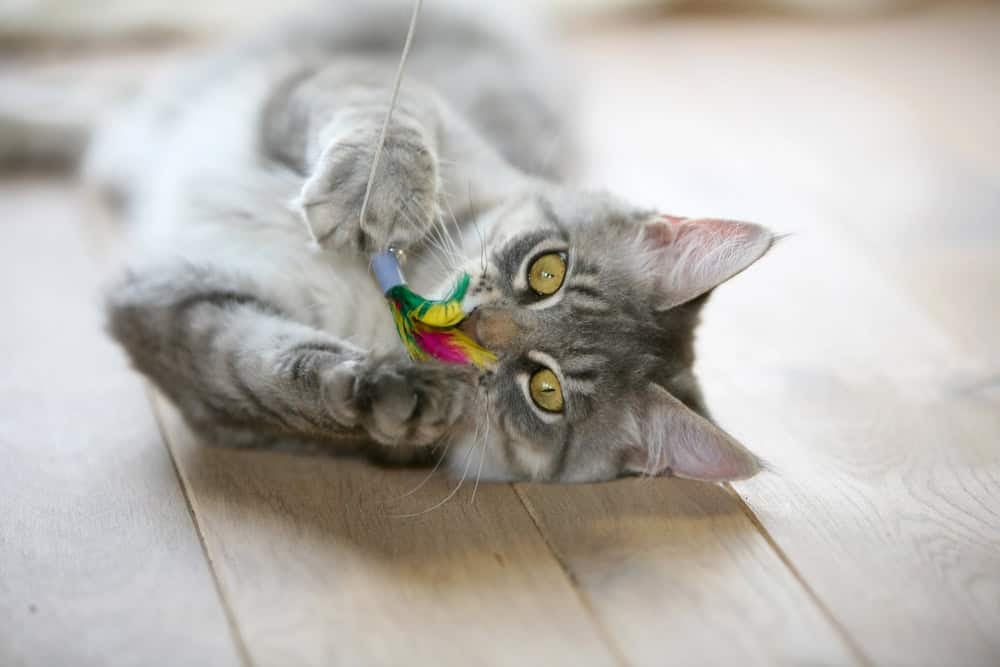
Contrary to the widespread myth, cats are trainable and can learn tricks through positive reinforcement, much like dogs. Cats can learn to sit, fetch, or even compete in agility courses if training is approached with patience, consistency, and rewards like treats or toys. Training enhances the bond between owner and cat while providing cognitive benefits for the feline.
Myth 9: Black Cats Are Unlucky

The myth of black cats being harbingers of bad luck is rooted in old superstitions. In reality, black cats are just as loving and spirited as cats of any other color. Many cultures, such as those in Japan and Scotland, consider black cats to be symbols of good fortune. Encouraging adoption of black cats can help combat these unfounded biases.
Myth 10: Cats Can Live Outside Safely

While cats may enjoy exploring the outdoors, allowing them to roam freely exposes them to numerous dangers such as traffic, predators, disease, and poison. Indoor environments can be enriched with vertical space, toys, and interactive play to provide safe and stimulating experiences. If exploring outside is desired, consider a harness and leash or an enclosed outdoor space known as a “catio.”
Myth 11: Cats See in Complete Darkness
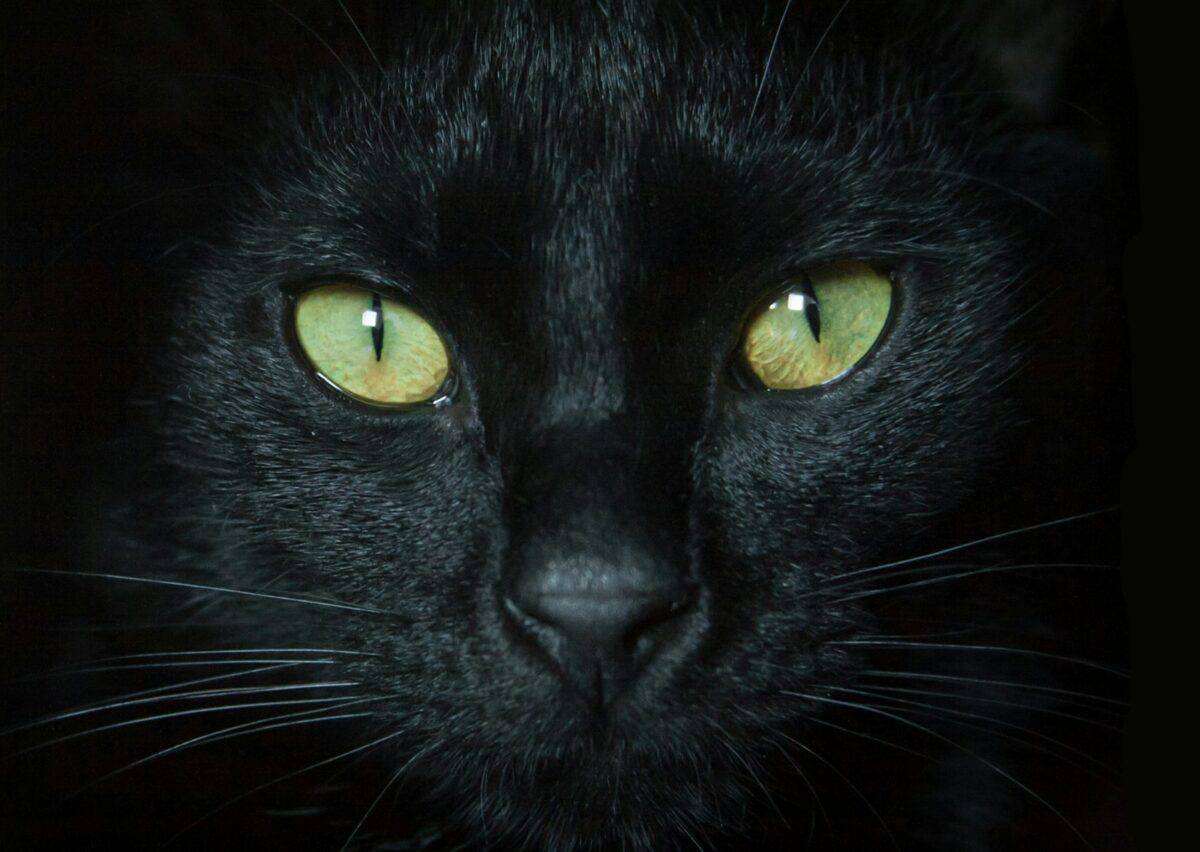
While cats have excellent night vision, they cannot see in pitch-black conditions. They have more rod cells in their retinas than humans, which enhances their ability to see in low light. However, some ambient light is still necessary for them to visualize their surroundings. This superior night vision aids them in hunting during dusk and dawn.
Myth 12: Milk is Good for Cats

The image of cats lapping up milk is a cliché that doesn’t align with feline biology. Most adult cats are lactose intolerant and may experience digestive upset from consuming milk. Fresh water should be their primary source of hydration, alongside a balanced diet composed of nutrition-formulated cat food.
Myth 13: Cats Don’t Care About Their Owners

This myth couldn’t be further from the truth. While cats may express their affection differently than dogs, they do recognize their owners and can show attachment through behaviors like following you around, rubbing against you, or bringing “gifts” like toys or live catches. Cats form attachments and show loyalty in subtle ways that require keen observation to appreciate.
Conclusion

In conclusion, understanding the truth behind these common myths helps cat owners create a supportive and nurturing environment for their feline companions. Cats, with their unique personalities and behaviors, continue to capture human admiration and companionship. By dispelling these myths, we enhance our ability to bond and communicate with these intriguing animals, ensuring they lead happy and healthy lives.

From exploring the marine wonders in the Azores and witnessing the vast savannas of Kenya, to delving deep into the rich biodiversity of South Africa and traversing iconic landscapes in Australia and the US like Yellowstone, Chris's experiences are vast.
With a penchant for diving alongside sharks, the ocean holds a special place in his heart.
Through his academic insights, he champions wildlife conservation, striving with 'Animals Around The Globe' to cultivate a profound connection between humans and animals, enhancing our mutual appreciation.
Connect with him at Feedback@animalsaroundtheglobe.com.
- The Best Cat Breeds for Highly Empathetic Owners - July 21, 2026
- Why Spiders Don’t Get Stuck in Their Own Webs - July 20, 2026
- What Scientists Found in a 10,000-Year-Old Beehive - July 20, 2026