

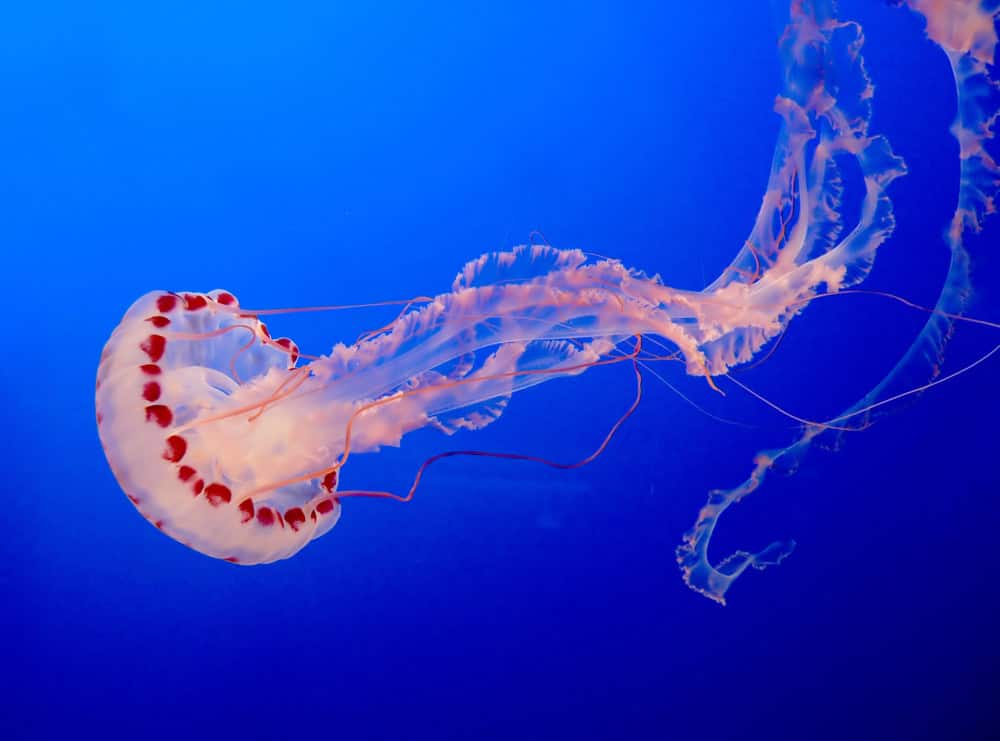
The ocean is a mysterious and captivating realm, teeming with life in myriad forms. However, among its enchanting and sometimes terrifying denizens, none inspire quite as much awe and trepidation as the venomous jellyfish. Among these mesmerizing creatures, a few stand out not just for their beauty but also for the potent danger they pose. Understanding these creatures is not only a scientific curiosity but a way of ensuring safety along our oceanic forays.
The Irukandji Jellyfish: Tiny but Lethal

The Irukandji jellyfish, a diminutive and virtually invisible marine organism, is amongst the most venomous in the world. With bell sizes rarely exceeding a few centimeters, this tiny jellyfish prowls the waters of northern Australia. Despite its size, its venom is capable of causing severe symptoms known as Irukandji syndrome, characterized by severe pain, hypertension, and even heart failure.
The Box Jellyfish: A Silent and Deadly Hunter
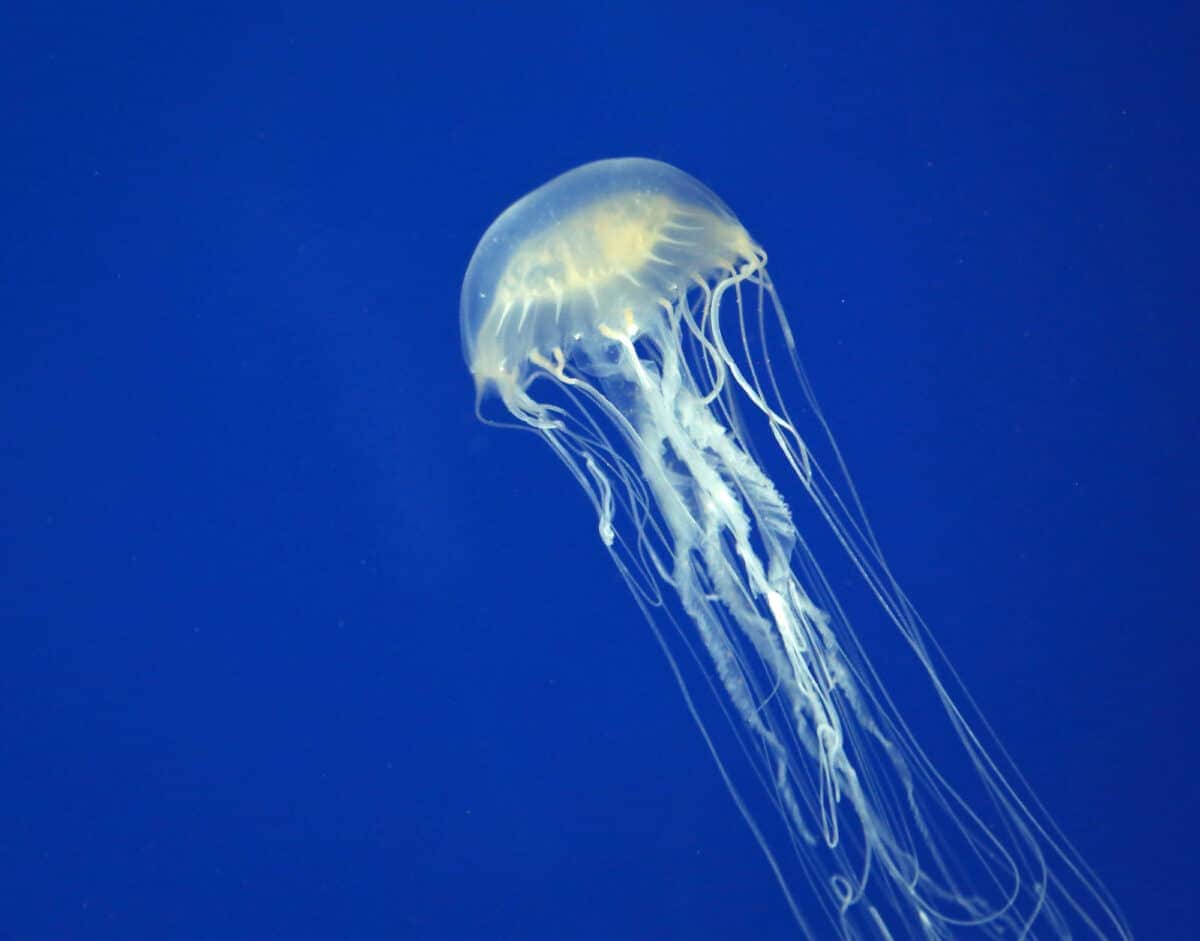
Box jellyfish, celebrated for their cube-shaped bodies, are notorious for their powerful venom, which can deliver an excruciatingly painful and sometimes lethal sting. Found primarily in the coastal waters of the Indo-Pacific, their tentacles harbor millions of nematocysts – specialized cells loaded with potent toxins. A sting from a box jellyfish can cause cardiac arrest, paralysis, and even death within minutes.
Physical Characteristics: Ghostly Yet Gripping

Jellyfish are ethereal by nature, with translucent bodies that often make them difficult to spot in the water. The venomous varieties, such as the Irukandji and the box jellyfish, are particularly challenging to see due to their transparent bodies. This aspect not only enhances their ethereal beauty but also the peril they pose to unsuspecting swimmers.
Jellyfish Behavior: Drifters of the Deep

Jellyfish drift with ocean currents, using their pulsating bells to navigate primarily in search of food. They play a significant role in the marine ecosystem, serving as both predators and prey. Despite their simple structures, jellyfish exhibit complex behaviors, with some capable of detecting changes in light and pressure, which guides their movement through the depths.
Venom Delivery: A Microscopic Arsenal

Jellyfish stings are delivered through nematocysts, tiny venom-filled capsules located in their tentacles. When triggered, these capsules act like microscopic harpoons, injecting venom into their target. The venom of box and Irukandji jellyfish is particularly sophisticated, disrupting nerve function and causing intense physiological reactions.
Symptoms of a Sting: Reacting with Urgency
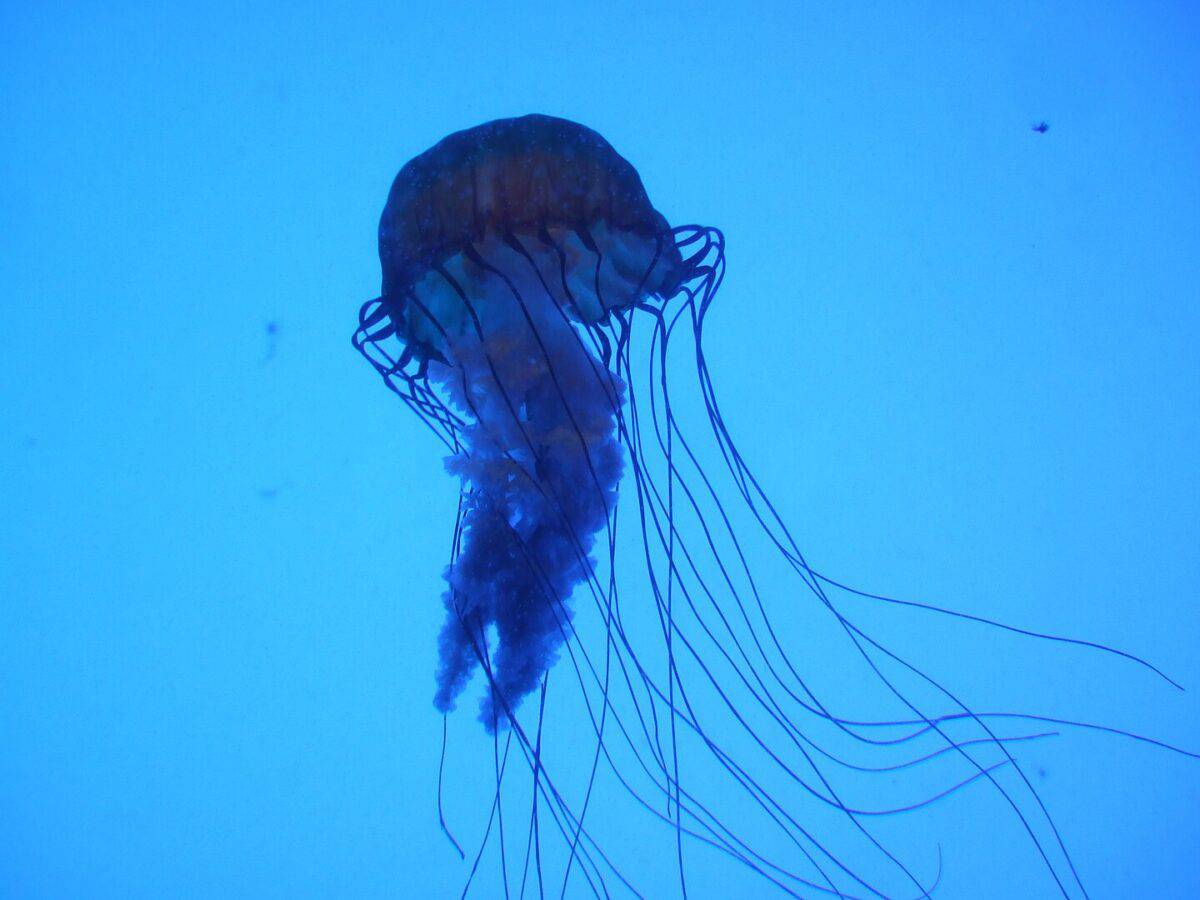
A jellyfish sting can provoke a wide range of symptoms, varying from mild irritation to severe systemic reactions. Box and Irukandji stings can cause intense pain, vomiting, difficulty breathing, and even unconsciousness. The onset of symptoms can be swift and severe, underscoring the necessity for immediate medical intervention.
First Aid for Stings: Acting Fast

If stung by a venomous jellyfish, it’s crucial to remain calm and seek help immediately. Vinegar can neutralize the venom by preventing nematocysts from firing. Immobilize the affected area, remove any tentacles with care, and seek immediate medical treatment to address life-threatening symptoms like respiratory distress or cardiac issues.
Prevention: Swimming Safely
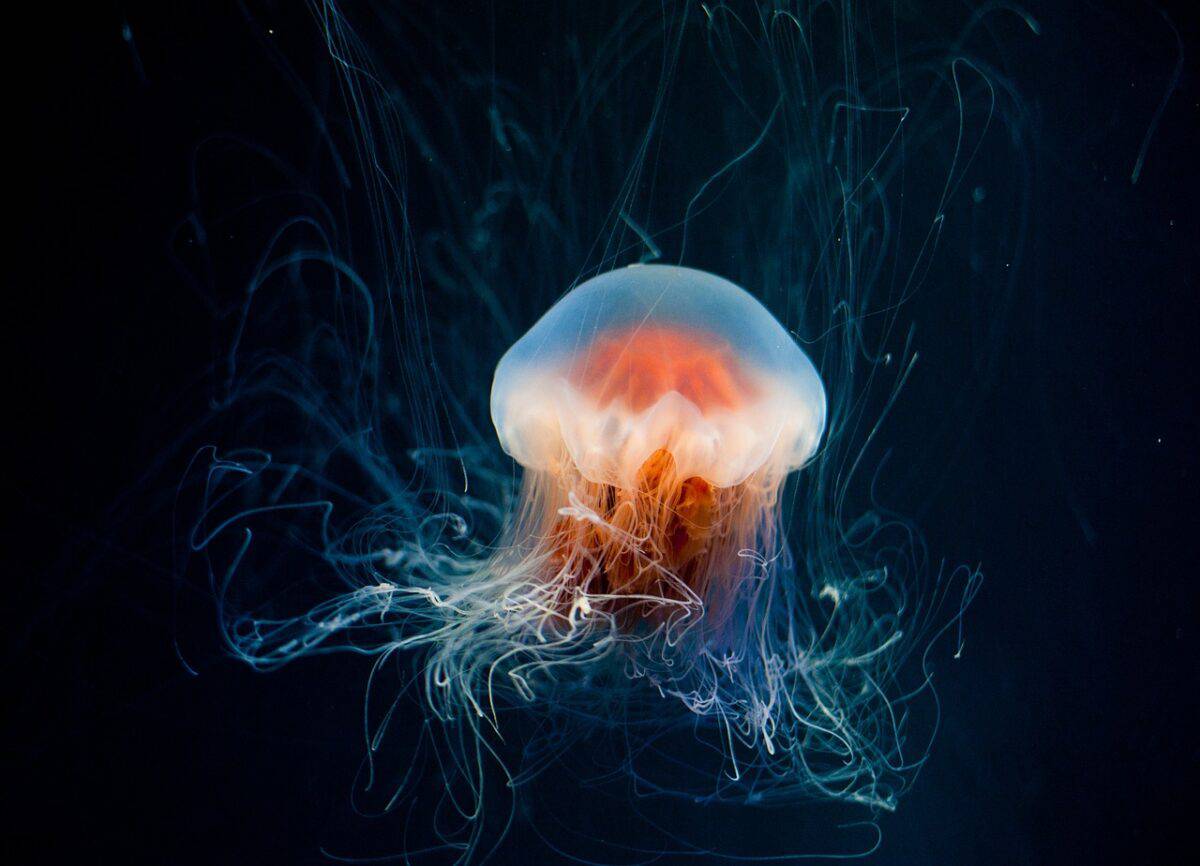
Preventing jellyfish stings involves awareness and preparation. Checking local advisories, wearing protective clothing, and staying vigilant in high-risk areas are practical measures. Understanding the seasonal patterns of jellyfish can also help beachgoers avoid encounters during peak times.
Economic and Ecological Impact
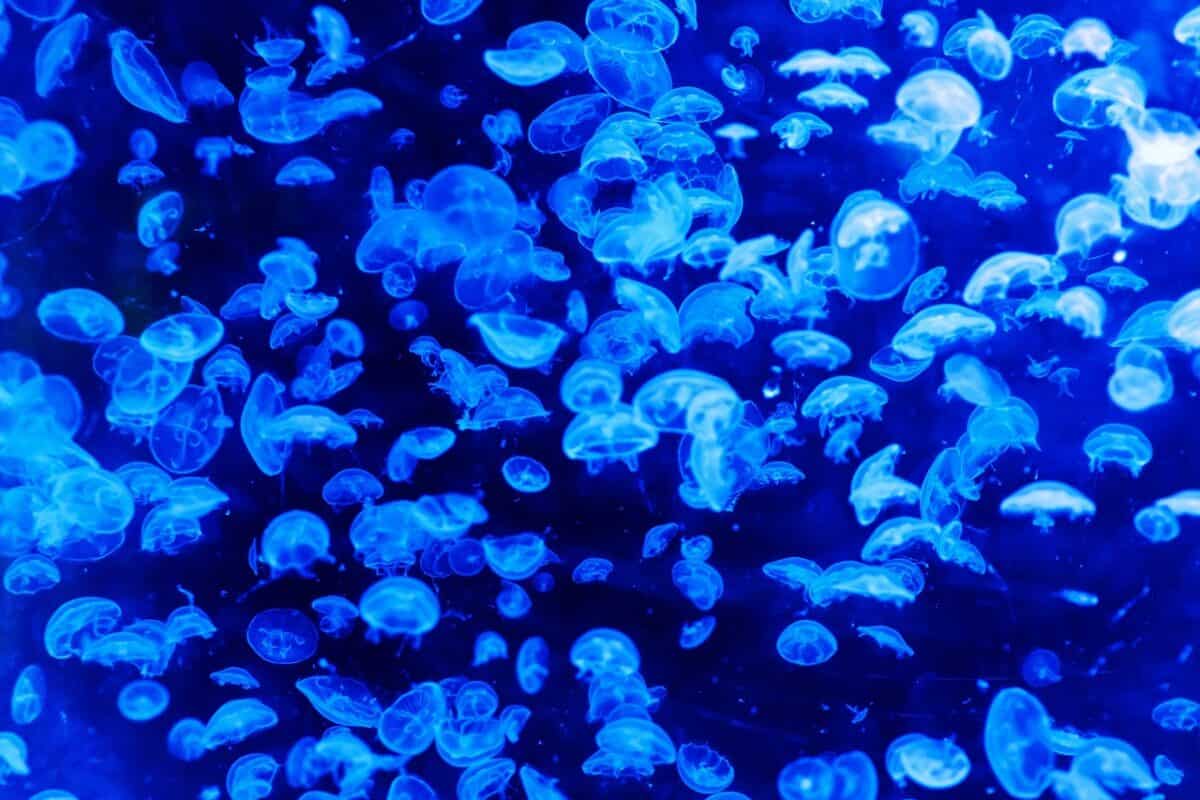
Venomous jellyfish have a significant impact on local economies, especially those reliant on beach tourism. In addition, jellyfish blooms, which are becoming more frequent due to environmental changes, can disrupt marine ecosystems by preying on fish larvae and clogging fishing nets, affecting biodiversity and food security.
Research and Conservation Efforts

Scientists are delving into jellyfish biology to better understand their venom, which has potential medicinal applications, such as in pain management. Conservation efforts are also underway to monitor jellyfish populations and address the environmental factors contributing to their proliferation.
Conclusion: Coexisting with the Ocean’s Enigmas

While the jellyfish inspires wonder with its delicate form and intricate life cycle, it also commands respect due to its potent venom. As our understanding of these creatures deepens, so too does our capacity to safely coexist within their habitats, ensuring that our interactions with the ocean’s many enigmas remain as enchanting as they are enlightening.

From exploring the marine wonders in the Azores and witnessing the vast savannas of Kenya, to delving deep into the rich biodiversity of South Africa and traversing iconic landscapes in Australia and the US like Yellowstone, Chris's experiences are vast.
With a penchant for diving alongside sharks, the ocean holds a special place in his heart.
Through his academic insights, he champions wildlife conservation, striving with 'Animals Around The Globe' to cultivate a profound connection between humans and animals, enhancing our mutual appreciation.
Connect with him at Feedback@animalsaroundtheglobe.com.