

In the world of nature, some creatures possess incredible abilities that challenge our understanding of life and survival. Among these fascinating phenomena is the ability of certain animals to survive being frozen, only to be revived when conditions improve. This remarkable capability has evolved over millions of years, allowing these organisms to thrive in some of the harshest environments on Earth. Let’s delve into the captivating stories of these 14 animals that have been frozen and brought back to life.
Wood Frogs Nature’s Ice Kings

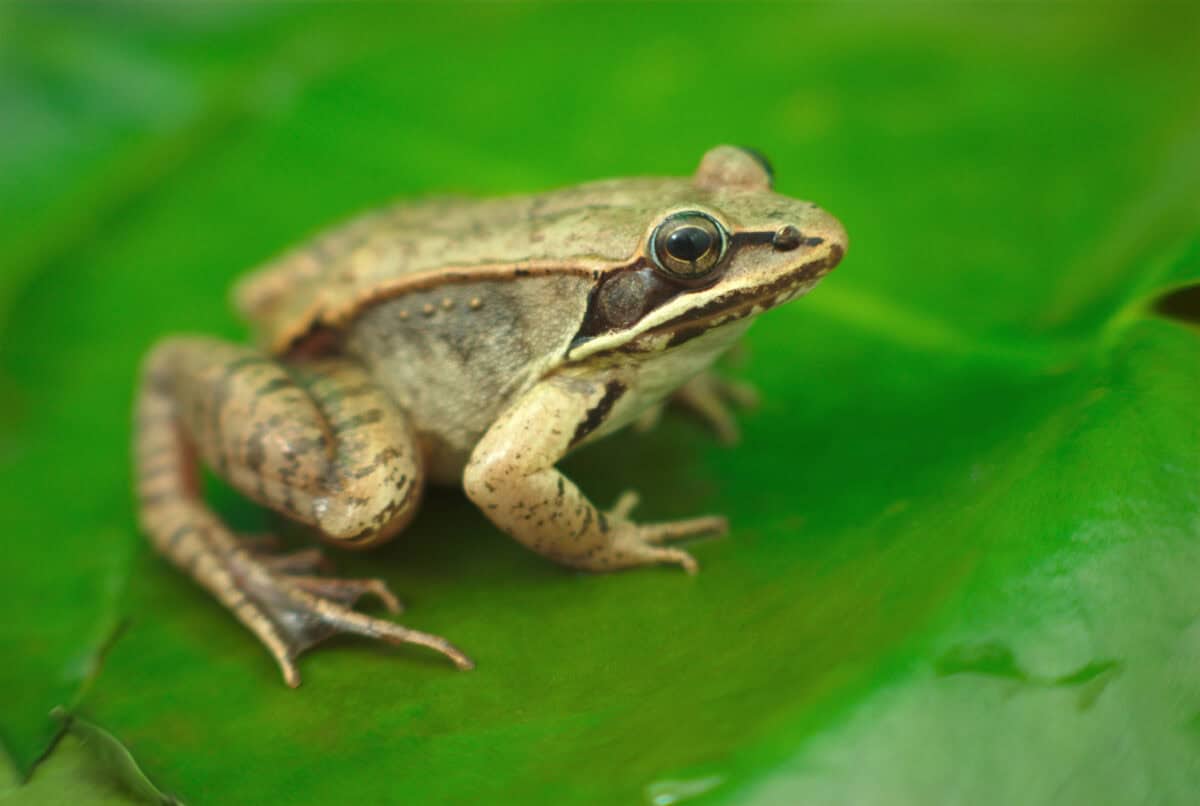
Wood frogs are true marvels of nature. Found in North America, these amphibians have developed an extraordinary adaptation to survive freezing temperatures. During winter, they allow their bodies to freeze solid, with ice crystals forming between their cells. This process is possible because their bodies produce a type of antifreeze, which prevents the formation of ice inside their cells, thus avoiding fatal damage. When spring arrives, these frozen frogs thaw out, seemingly unharmed, and continue their life cycle. It’s as if they hit a pause button on life, only to press play when conditions are favorable again.
Painted Turtle Hatchlings A Cold Start

The painted turtle hatchlings of North America are another example of nature’s ingenuity. These baby turtles spend their first winter in a frozen state beneath the earth’s surface. Remarkably, their bodies can withstand freezing temperatures without sustaining damage. This is due to the high levels of glucose in their blood, which acts as a natural antifreeze. Come spring, the hatchlings thaw and emerge from their icy slumber, ready to embark on their journey to adulthood.
Alaskan Beetles Tiny Frozen Warriors

In the chill of the Alaskan wilderness, the Alaskan beetle stands as a testament to resilience. These beetles have adapted to survive being frozen by producing proteins that prevent ice from forming within their cells. During the harsh winter months, they remain in a state of suspended animation. As the temperatures rise, these beetles come back to life, ready to continue their role in the ecosystem. Their ability to endure such extreme conditions is a testament to the wonders of evolution.
The Tardigrade Survival in Extremes

Tardigrades, often called “water bears,” are microscopic creatures known for their ability to survive in extreme environments. These tiny organisms can endure freezing temperatures by entering a cryptobiotic state, where all metabolic processes halt. During this time, they lose almost all their water content, becoming virtually indestructible. When conditions improve, tardigrades rehydrate and resume their activities. Their incredible resilience has even allowed them to survive the vacuum of space!
Woolly Bear Caterpillars Arctic Survivors

The woolly bear caterpillar is a master of survival in the Arctic tundra. As winter approaches, these caterpillars enter a state of suspended animation, allowing their bodies to freeze completely. This remarkable adaptation is made possible by the production of cryoprotectants, which protect their cells from ice damage. Once the snow melts and temperatures rise, the caterpillars thaw and continue their development into moths. Their ability to endure such harsh conditions is a testament to the wonders of nature.
Nematodes Resilient Roundworms

Nematodes, or roundworms, are tiny creatures that have adapted to survive freezing temperatures. These microscopic organisms can enter a state of suspended animation when exposed to cold conditions. During this time, they produce cryoprotectants that prevent ice from forming within their cells. Once the environment becomes more hospitable, nematodes thaw and resume their normal activities. Their resilience is a testament to the incredible adaptability of life.
Red Flat Bark Beetles Arctic Adaptation

The red flat bark beetle is an extraordinary insect that thrives in the Arctic’s harsh climate. These beetles have evolved to survive being frozen by producing antifreeze proteins that prevent ice from forming inside their cells. During the long winter months, they remain in a state of suspended animation. As the temperatures rise, these beetles emerge from their icy slumber, ready to continue their life cycle. Their ability to endure such extreme conditions is a testament to the wonders of evolution.
Antarctic Krill Icy Ocean Dwellers

Antarctic krill are small crustaceans that inhabit the icy waters of the Southern Ocean. These creatures have adapted to survive freezing temperatures by producing antifreeze proteins that prevent ice from forming within their bodies. During the harsh winter months, krill enter a state of suspended animation. As the ocean warms, they revive and resume their role in the marine food chain. Their ability to thrive in such extreme conditions is a testament to the resilience of life.
Springtails Tiny Frozen Jumpers
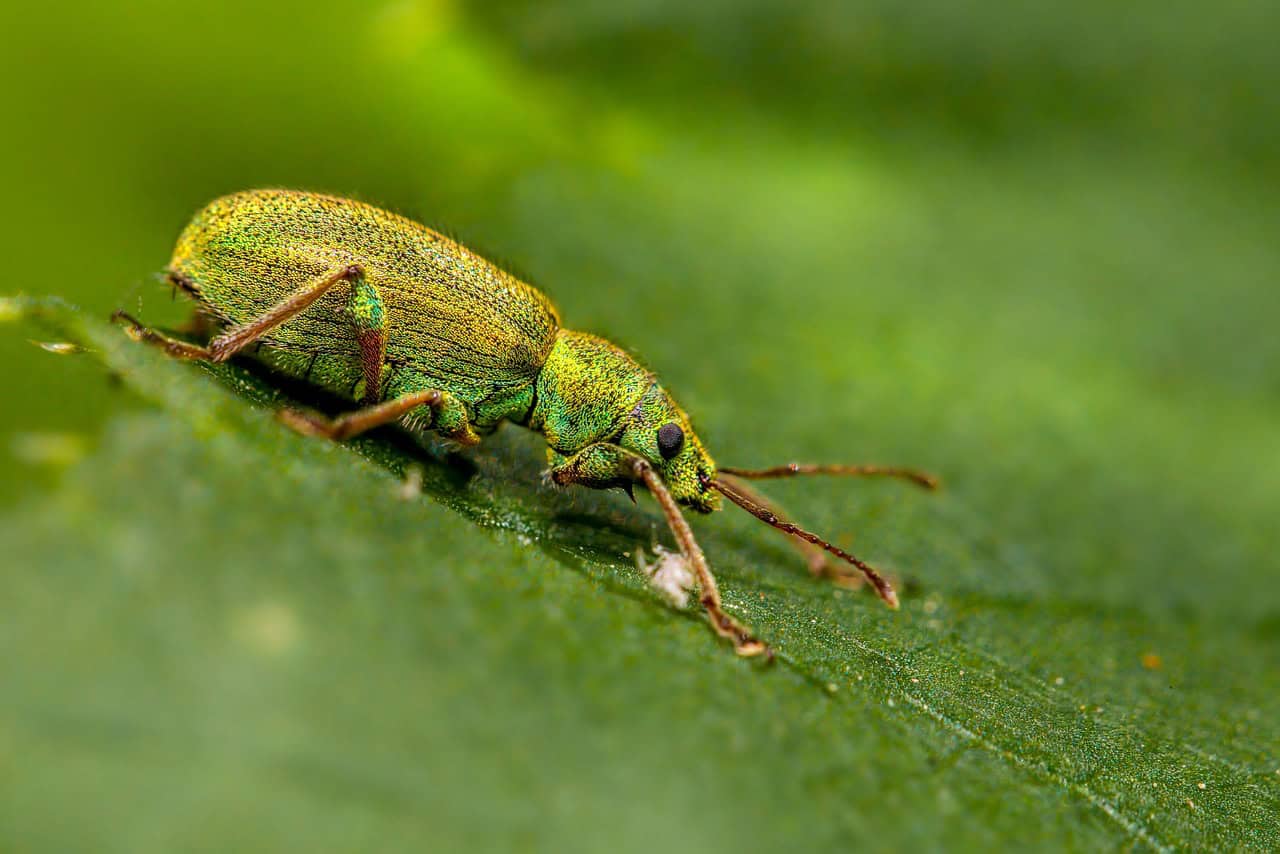
Springtails are small arthropods that have developed the ability to survive freezing temperatures. These creatures produce antifreeze proteins that prevent ice from forming inside their cells. During the winter months, they enter a state of suspended animation, allowing them to withstand the cold. As temperatures rise, springtails thaw and resume their activities, playing a crucial role in the ecosystem. Their resilience is a testament to the adaptability of life.
Snapping Turtles Frozen in Time

Snapping turtles are fascinating creatures that can survive being frozen during the winter months. These turtles enter a state of suspended animation, allowing their bodies to freeze without sustaining damage. This remarkable adaptation is made possible by the production of antifreeze proteins that prevent ice from forming inside their cells. Once the environment becomes more hospitable, snapping turtles thaw and continue their life cycle. Their resilience is a testament to the wonders of evolution.
European Common Frogs Winter Sleepers

European common frogs are another example of amphibians that can survive freezing temperatures. During the winter months, these frogs enter a state of suspended animation, allowing their bodies to freeze without sustaining damage. This remarkable adaptation is made possible by the production of antifreeze proteins that prevent ice from forming inside their cells. Once the environment becomes more hospitable, European common frogs thaw and continue their life cycle. Their resilience is a testament to the wonders of evolution.
Arctic Ground Squirrels Frozen Sleepers
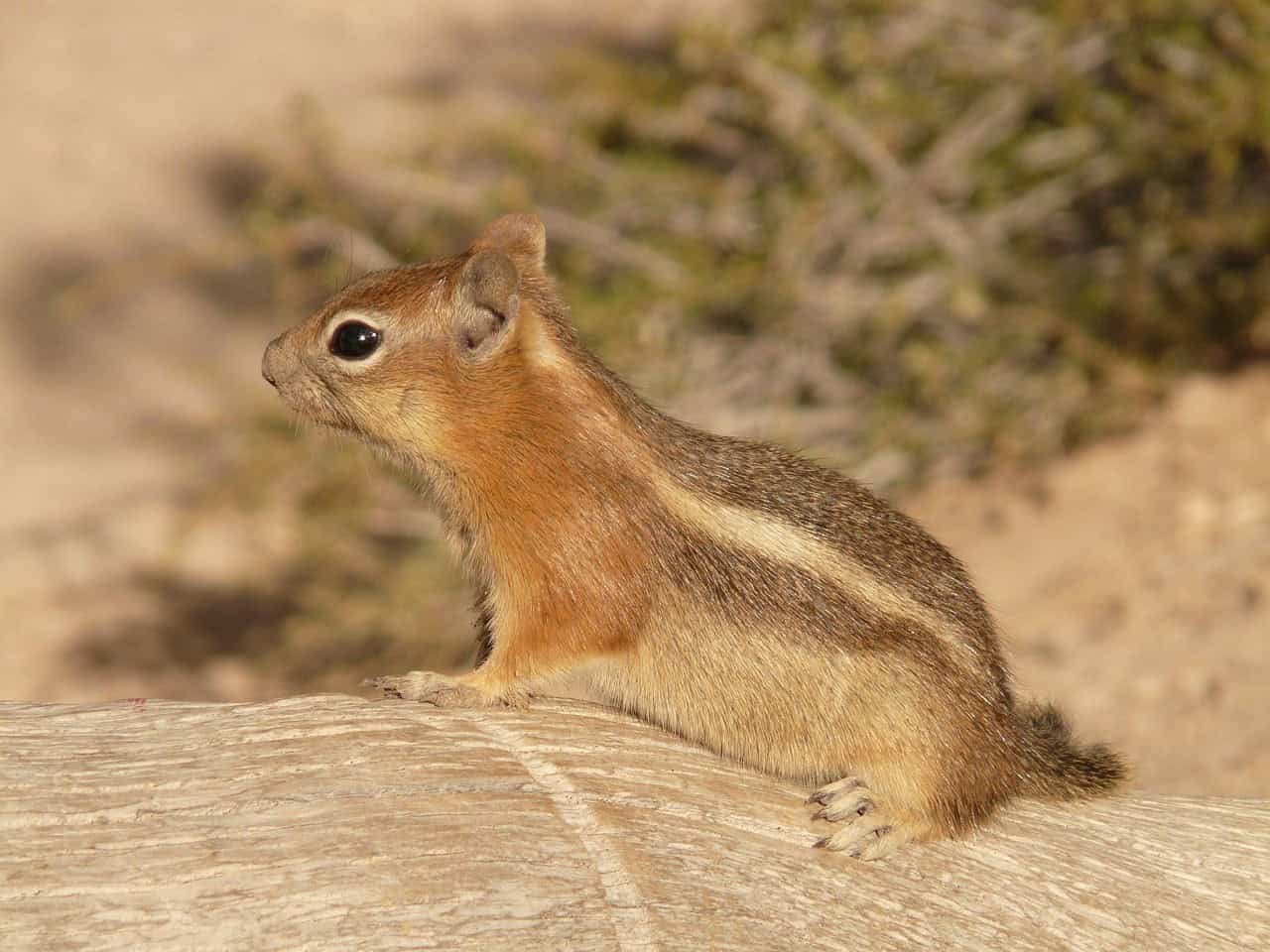
Arctic ground squirrels are remarkable creatures that have adapted to survive freezing temperatures. During the winter months, these squirrels enter a state of hibernation, allowing their bodies to freeze without sustaining damage. This remarkable adaptation is made possible by the production of antifreeze proteins that prevent ice from forming inside their cells. Once the environment becomes more hospitable, Arctic ground squirrels thaw and continue their life cycle. Their resilience is a testament to the wonders of evolution.
Water Bears Masters of Survival

Water bears, also known as tardigrades, are microscopic creatures that have developed the ability to survive freezing temperatures. These tiny organisms can enter a state of suspended animation, allowing them to withstand the cold. During this time, they produce cryoprotectants that prevent ice from forming within their cells. Once the environment becomes more hospitable, water bears thaw and resume their normal activities. Their resilience is a testament to the incredible adaptability of life.
Woolly Mammoths Ice Age Giants

While woolly mammoths are long extinct, their frozen remains have been discovered in the permafrost of Siberia. These ancient creatures were well-adapted to survive the harsh conditions of the Ice Age. Recently, scientists have been able to extract viable DNA from these frozen specimens, sparking hopes of possibly bringing them back to life through advanced genetic techniques. The story of the woolly mammoth serves as a reminder of the incredible resilience of life and the wonders of evolution.
Conclusion

In conclusion, the ability of these animals to survive being frozen and brought back to life is a testament to the incredible adaptability of life on Earth. These remarkable creatures have evolved over millions of years to thrive in some of the harshest environments on the planet. Their resilience serves as a reminder of the wonders of nature and the incredible diversity of life.

As a little kid, I fell in love with nature, wildlife, and animals. Living in the USA, South Africa, Italy, China and Germany gave me the opportunity to discover the world's Wildlife. My favorite animals are Mountain Gorillas, Siberian Tigers, and Great White Sharks.
I'm a certified PADI Open Water Diver, went to Everest Base Camp and Trekked Gorillas in Uganda. I hold a Master of Science in Economics and Finance.
Please send any feedback to feedback@animalsaroundtheglobe.com
- Why the Great Barrier Reef Is the Best Place to Spot Sea Turtles - June 3, 2026
- 2 Animals With Super Sized Body Parts and What They are For - June 3, 2026
- Explore The Azores - June 3, 2026