
There’s a running joke among Californians that the sunshine comes with fine print. The mild winters, long dry summers, and dense neighborhoods that make the state so appealing to people have the exact same effect on insects and rodents. Unlike most parts of the country, where a hard frost puts seasonal pressure on pest populations, California rarely delivers that kind of reset.
Rodents breed year-round in temperate California climates, cockroaches maintain indoor populations reproducing continuously in heated structures, and termites remain active year-round given soil temperatures rarely dropping to inhibitory levels. For homeowners across Los Angeles, the Bay Area, Sacramento, or San Diego, that means pest pressure is rarely truly seasonal – it simply shifts in intensity. Knowing what you’re dealing with, and why these creatures are so comfortable here, is the first useful step.
Ants: The Inescapable Intruders of California Kitchens
Ants are the number one nuisance pest in California homes during the summer. The hot, dry weather drives them indoors in search of moisture and food. It sounds simple, but the scale of the problem is often surprising to people who haven’t dealt with it before.
Argentine ants form massive invasive supercolonies dominating urban landscapes, displacing native species, and invading structures in overwhelming numbers. These colonies seem impossible to eliminate without professional help. What makes them especially stubborn is the colony structure itself.
Many California ant species including Argentine ants and odorous house ants form polygyne (multiple-queen) colonies or supercolonies, making elimination extremely difficult compared to single-queen species. Simply killing the ants you can see does nothing to slow the colony down.
Carpenter ants, larger than Argentine ants, can cause structural damage by hollowing out wood to build their nests. Odorous house ants, named for the foul rotten-coconut smell they emit when crushed, are another common intruder. Urban density creates continuous ant habitat from property to property, preventing isolated control.
Cockroaches: Warm, Dark, and Thriving in Urban Density
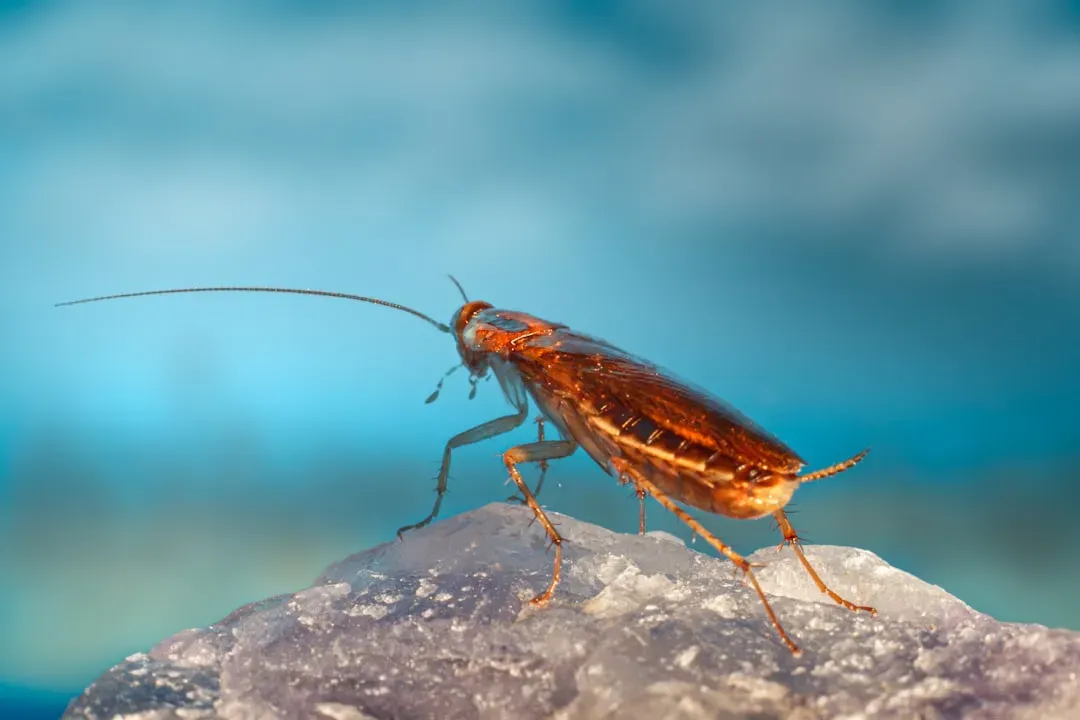
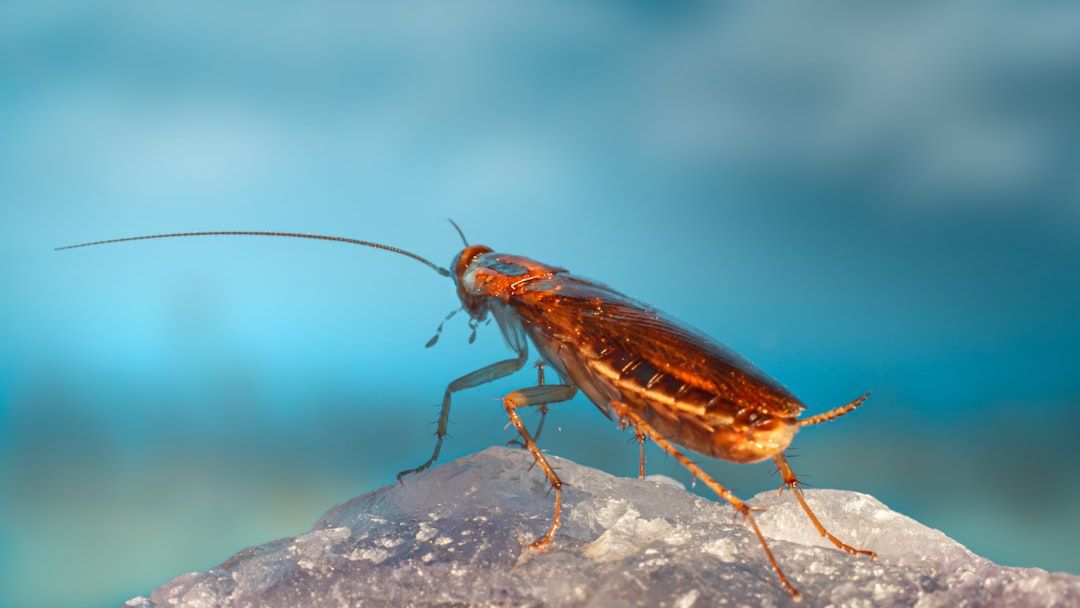
German cockroaches represent California’s most problematic indoor cockroach species. They demonstrate an exclusive indoor lifestyle, unlike American and Oriental cockroaches that occasionally enter from outdoors. Their preference for staying inside is part of what makes them so difficult to dislodge.
German cockroaches demonstrate extraordinarily rapid reproduction, with females producing 30 to 40 offspring per egg case, four to six cases over lifetimes, and egg-to-adult development in six to twelve weeks. That reproductive speed is the reason a small infestation can become a large one before most homeowners notice.
Cockroaches are known to spread at least 33 kinds of bacteria, including E. coli and Salmonella, as well as six kinds of parasitic worms. Their droppings, saliva, and shed skin contain potent allergens that can exacerbate asthma symptoms, especially in children.
California’s urban density, aging housing stock, and mild climate create particularly challenging cockroach control environments. The Mediterranean climate enables outdoor survival of small populations entering structures, while dense housing facilitates rapid spread through connected units. Many California buildings’ age provides abundant structural gaps and harborage.
Termites and Rodents: The Silent Damage-Makers
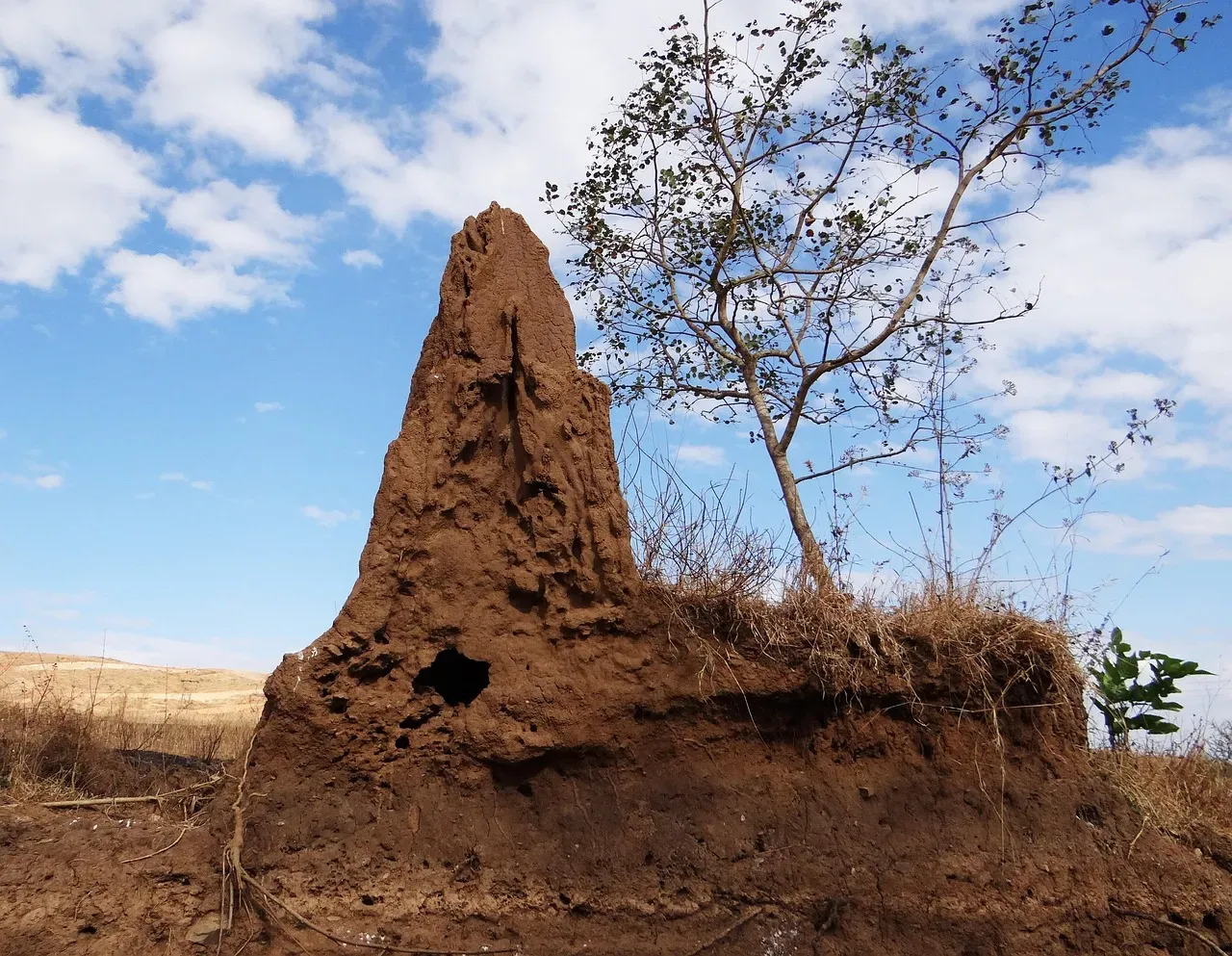
California’s mild winters and relatively dry summers provide an ideal environment for termites, especially subterranean and drywood termites. These wood-destroying pests can cause significant structural damage if left unchecked. The problem is that they rarely announce themselves early.
Termite activity in California spikes with humidity and temperature increases. Many homeowners are unaware of underlying issues until signs like wood bubbling or mud tubes appear. By that point, the damage is often already considerable.
Roof rats, also called black rats or ship rats, represent the dominant rat species in California, particularly in coastal and urban areas. Known for their excellent climbing abilities, roof rats commonly invade attics and roofs. They’re quiet, nocturnal, and often go undetected for weeks.
Rodents chew on electrical wires, insulation, and structural materials, which can lead to fires and costly repairs. They also spread diseases through their droppings and urine. Mice can squeeze their bodies through openings the size of a dime, while rats can squeeze through openings the size of a quarter. The entry points are almost always smaller than homeowners expect.
Mosquitoes, Wasps, and Stinging Insects in the Urban Landscape
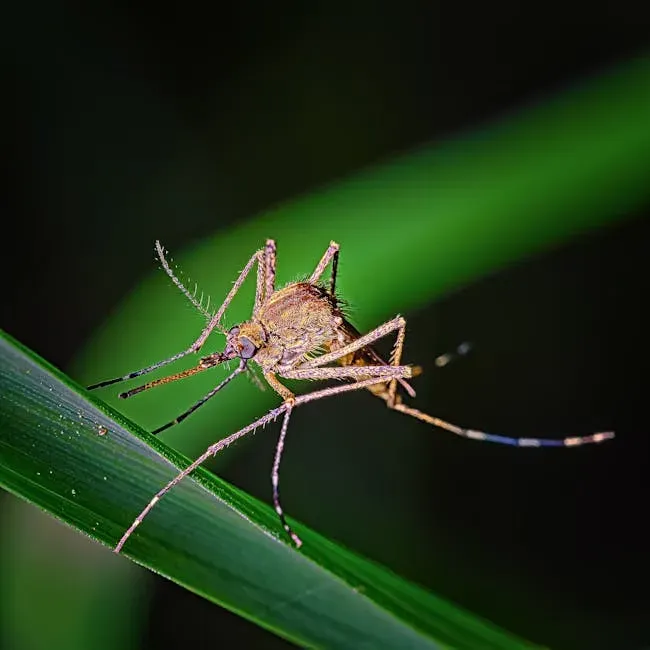
Mosquitoes in Southern California can carry West Nile Virus, which has been reported in the region for years. Altered weather patterns and rising temperatures can expand the geographical range of pests and create favorable conditions for their increase. Mosquitoes are among the clearest examples of this trend in California.
Despite California’s drought-prone reputation, urban areas provide concentrated water through irrigation systems, leaking pipes, condensation, and various artificial sources, creating oases that support moisture-dependent pests in otherwise-dry regions. Mosquitoes can breed in as little as a bottle cap of water. Urban gardens, clogged gutters, and potted plants are more than enough.
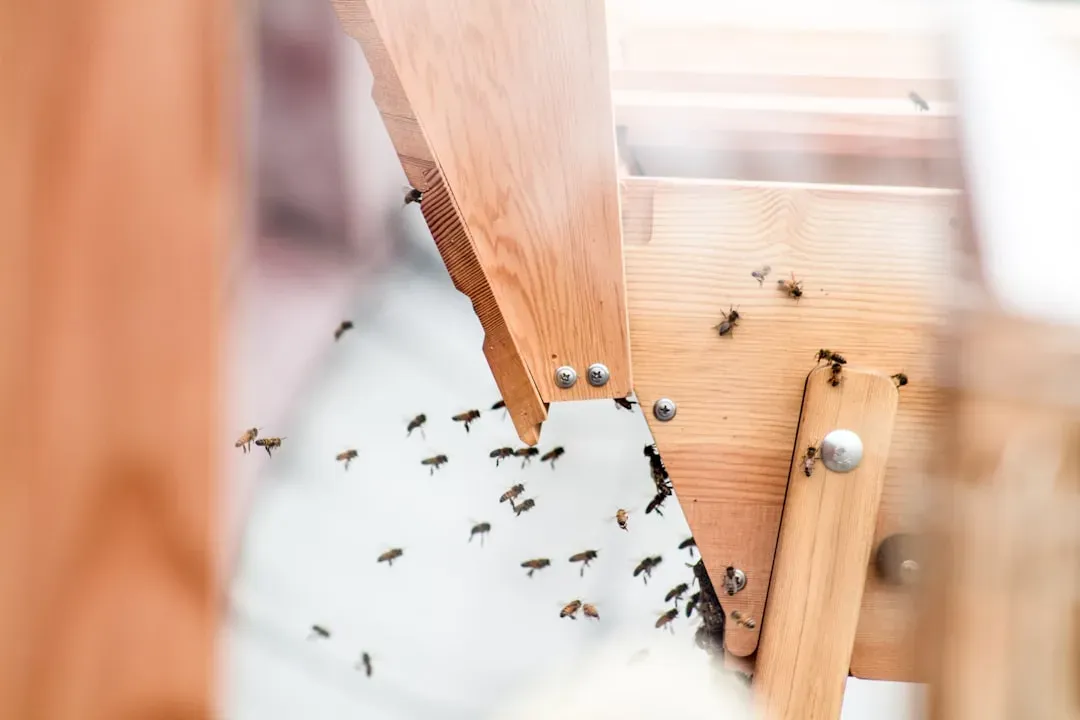
Wasps, yellowjackets, and even bees become more aggressive in late summer as their colonies grow larger and food sources dwindle. You may find them nesting under eaves, in BBQ grills, playground equipment, or even inside wall voids.
Paper wasps are particularly common in Southern California. While they’re less aggressive than yellowjackets, they’ll still sting if provoked. For households with young children or people sensitive to venom, even a small nest near an entryway is worth taking seriously.
Bed Bugs and Spiders: The Year-Round Indoor Threat
In Los Angeles, nearly year-round warm weather and dense urban neighborhoods set the stage for pest issues that many other cities only face seasonally. Bed bugs in particular thrive in climates like this, staying active and ready to invade homes, apartments, hotels, and businesses throughout the year.
Urban density compounds the problem. Cities like Los Angeles rank among the top in the U.S. for multi-unit buildings, which means bed bugs can easily travel between apartments or condos through shared spaces. Common hallways, utility lines, and building amenities offer easy passage.
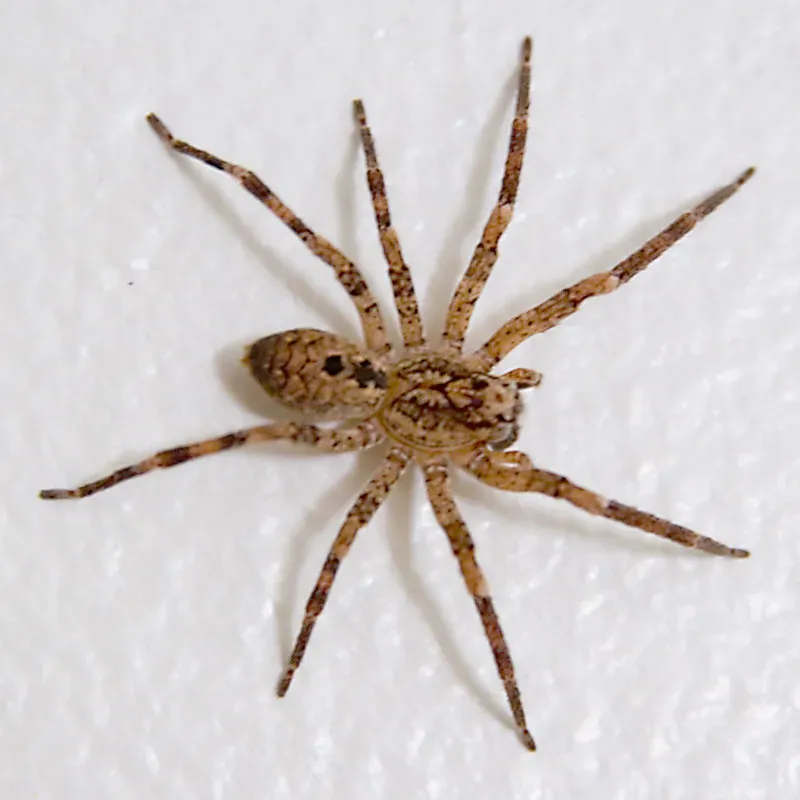
Spiders aren’t just creepy – they’re often a sign that other insects have invaded your home. As natural predators, spiders follow their prey indoors during the summer months. Common types in Southern California include cellar spiders, wolf spiders, and the more dangerous black widow and desert recluse spiders.
Black widow spiders, recognizable by their shiny black bodies and red hourglass markings, are venomous and often found in garages, basements, and sheds. While most spiders are harmless, black widow bites can cause serious reactions and should not be ignored. A good rule of thumb: if you’re regularly seeing spiders inside, something else has already moved in first.
What California Homeowners Can Actually Do
Weather conditions play a direct role in determining when and where pests become active. Sudden increases in warmth, moisture, or dry conditions can send insects and rodents scrambling to find food, shelter, and water, often inside homes. Awareness of these patterns helps homeowners stay a step ahead.
Installing weatherstripping around doors, including garage doors, and sealing any cracks and crevices that can act as entry points for pests can be very effective at managing problems from occasional invaders, or even preventing pest problems in the first place. It’s unglamorous work, but it makes a measurable difference.
Keeping grass trimmed and shrubs pruned away from the home’s exterior, and removing leaf litter and debris where pests can hide, reduces harborage opportunities significantly. Landscaping, like trees and bushes that are touching the home, can also act as bridges that allow pests to gain access.
Seasonal pest surges often prompt homeowners to use over-the-counter sprays, traps, or bait stations. While these methods may offer short-term relief, they rarely address the full scope of an infestation. Worse, some treatments can cause pests to spread deeper into walls or voids. When problems persist, professional intervention tends to produce more lasting results.
Conclusion
California’s climate is genuinely extraordinary, but it doesn’t discriminate about who benefits from it. The same conditions that make the state livable for millions of people make it equally hospitable to ants, cockroaches, termites, rodents, and a long list of other unwanted guests. The key insight isn’t alarming – it’s practical.
Most pest problems in California homes are predictable. They follow the weather, the seasons, and the structural quirks of older urban housing. A home that’s well-sealed, kept dry, and regularly inspected is significantly harder for these creatures to colonize than one that isn’t.
The pests described here aren’t going anywhere. They’ve been adapting to California’s urban environment for decades, and some – like Argentine ants – have been here for well over a century. Working with that reality, rather than being surprised by it each summer, is probably the most sensible long-term approach a California homeowner can take.
