


In a groundbreaking discovery, scientists have identified a snake species in the United States with the remarkable ability to reproduce through cloning. This fascinating find has thrown the scientific community into a whirl of fascination, offering new insights into the complex world of reptilian reproduction. Join us as we delve into the captivating details of this spectacular discovery and explore what it means for science and nature.
An Unusual Discovery

The remarkable discovery centers around the Brahminy Blind Snake, a species that can reproduce asexually through a process called parthenogenesis. This small, elusive creature was found in various states across the U.S., making waves in biological research circles due to its unique reproductive abilities.
What is Parthenogenesis?
Parthenogenesis is a form of asexual reproduction where an embryo can develop without fertilization. This phenomenon is relatively rare in the animal kingdom, occurring in some reptiles, insects, and plants. Understanding parthenogenesis sheds light on alternative reproductive strategies that enhance survival in diverse environments.
Introducing the Brahminy Blind Snake
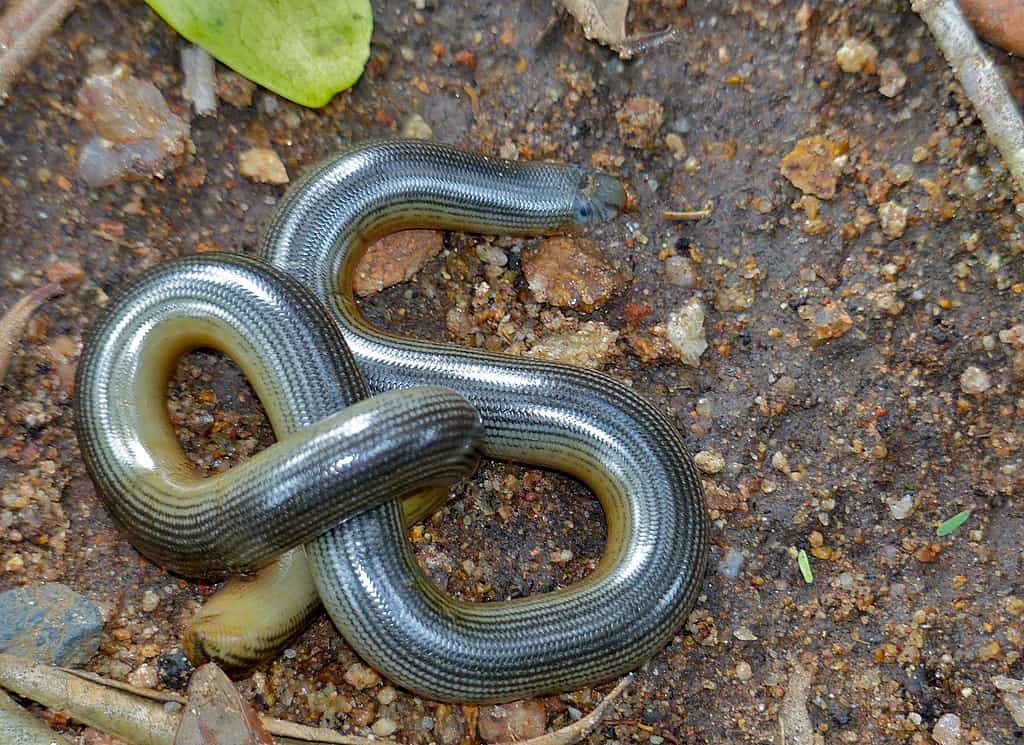
The Brahminy Blind Snake, also known as Indotyphlops braminus, is a small, burrowing snake often mistaken for an earthworm due to its size and appearance. It is native to Asia and has made its way to various parts of the world, including the United States, through potted plants and soil movement.
Characteristics of the Brahminy Blind Snake

This species is characterized by its elongated, slender body, which is usually about 2-3 inches long. The snake is covered in smooth scales and lacks the distinct eyes seen in other snake species, hence the name “blind snake.”
Reproductive Strategies of the Brahminy Blind Snake

The Brahminy Blind Snake’s ability to reproduce through parthenogenesis allows for rapid colonization as a single individual can establish an entire population. This method of reproduction proves advantageous in new or isolated environments.
The Ecological Impact of Parthenogenetic Snakes

While the ability to clone oneself can facilitate colonization, it also raises concerns about ecological balance. Parthenogenetic snakes may outcompete native species for resources, potentially disrupting local ecosystems if left unchecked.
Benefits of Studying Cloning in Snakes

Studying the reproduction of the Brahminy Blind Snake provides valuable insights into genetic diversity and adaptation. It might even pave the way for advancements in genetics and biodiversity conservation efforts.
The Role of Genetics in Snake Cloning

Typically, sexual reproduction provides genetic diversity, vital for a species’ adaptation and survival. However, parthenogenetic snakes manage variability through mutations and environmental interactions, ensuring their resilience over generations.
Challenges in Studying Elusive Snake Species

The Brahminy Blind Snake often goes unnoticed due to its small size and subterranean habitat, presenting a challenge for scientists. However, advancements in tracking and molecular biology are unlocking secrets about its reproductive practices and ecological role.
Implications for Conservation Biology

Understanding the reproductive strategies of parthenogenetic snakes can aid conservation efforts, particularly for endangered species. It highlights the intricacies of nature’s survival mechanisms and the importance of preserving biodiversity.
Public Fascination and Misconceptions

The idea of self-cloning snakes captivates public imagination, yet it raises questions about invasive species and ecological disruption. Educating the public on factual information can help dispel myths and promote informed environmental stewardship.
The Future of Reptilian Research

As scientists continue to unravel the mysteries of the Brahminy Blind Snake, future research may reveal additional asexual reproductive species or even inspire innovative solutions to complex biological challenges. This discovery underscores the value of preserving and studying even the most obscure species.
Conclusion:

In conclusion, the discovery of a snake in the U.S. that can clone itself is a testament to nature’s astonishing adaptability and complexity. It challenges our understanding and invites further exploration into the miraculous processes that sustain life on Earth. As researchers continue their work, we anticipate new revelations about the incredible world of reptiles and the unseen dynamics that shape our ecosystems.

As a little kid, I fell in love with nature, wildlife, and animals. Living in the USA, South Africa, Italy, China and Germany gave me the opportunity to discover the world's Wildlife. My favorite animals are Mountain Gorillas, Siberian Tigers, and Great White Sharks.
I'm a certified PADI Open Water Diver, went to Everest Base Camp and Trekked Gorillas in Uganda. I hold a Master of Science in Economics and Finance.
Please send any feedback to feedback@animalsaroundtheglobe.com
- Why the Great Barrier Reef Is the Best Place to Spot Sea Turtles - June 3, 2026
- 2 Animals With Super Sized Body Parts and What They are For - June 3, 2026
- Explore The Azores - June 3, 2026