

North America is a land rich with history, not just in its cultures and landscapes, but deep beneath its surface. It is here that the oldest fossil ever discovered on this continent has been unearthed, providing scientists with a profound window into ancient life. This exceptional find offers insights not only into the past geography and climate but also into the origins of life on Earth itself.
The Discovery Site: Northern Canada

The landmark fossil was discovered in Northern Canada, a region known for its rugged terrain and sparse human habitation. This isolated and well-preserved environment has proven to be a treasure trove for paleontologists, offering up rocks that date back billions of years, encapsulating the secrets of early Earth.
The Age of the Fossil: Dating Back Billions

Through radiometric dating techniques, scientists have determined that this fossil is approximately 3.77 billion years old. This dating places the find squarely in the early Archean period, a time when Earth was a harsh and hostile environment, quite different from the planet we inhabit today.
Fossil Characteristics: Microscopic Wonders
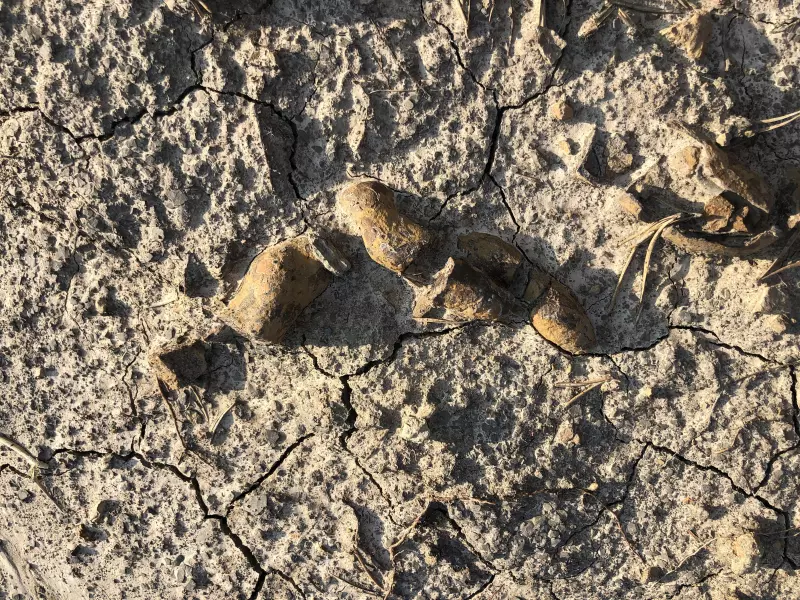
Unlike the more commonly thought of dinosaur or mammal fossils, this finding is microscopic. The fossil comprises tiny, tubular microfossils, reminiscent of the bacteria and other microorganisms that are among Earth’s earliest forms of life. These structures challenge scientists to rethink the complexity and adaptability of life in such primordial settings.
The Significance of the Find

This fossil doesn’t just represent a point in history; it suggests that life may have started much earlier than previously thought. It potentially pushes back the timeline for the emergence of life and could have implications for our understanding of life on other planets as well, indicating that life might develop under a variety of harsh conditions.
Challenges in Verification
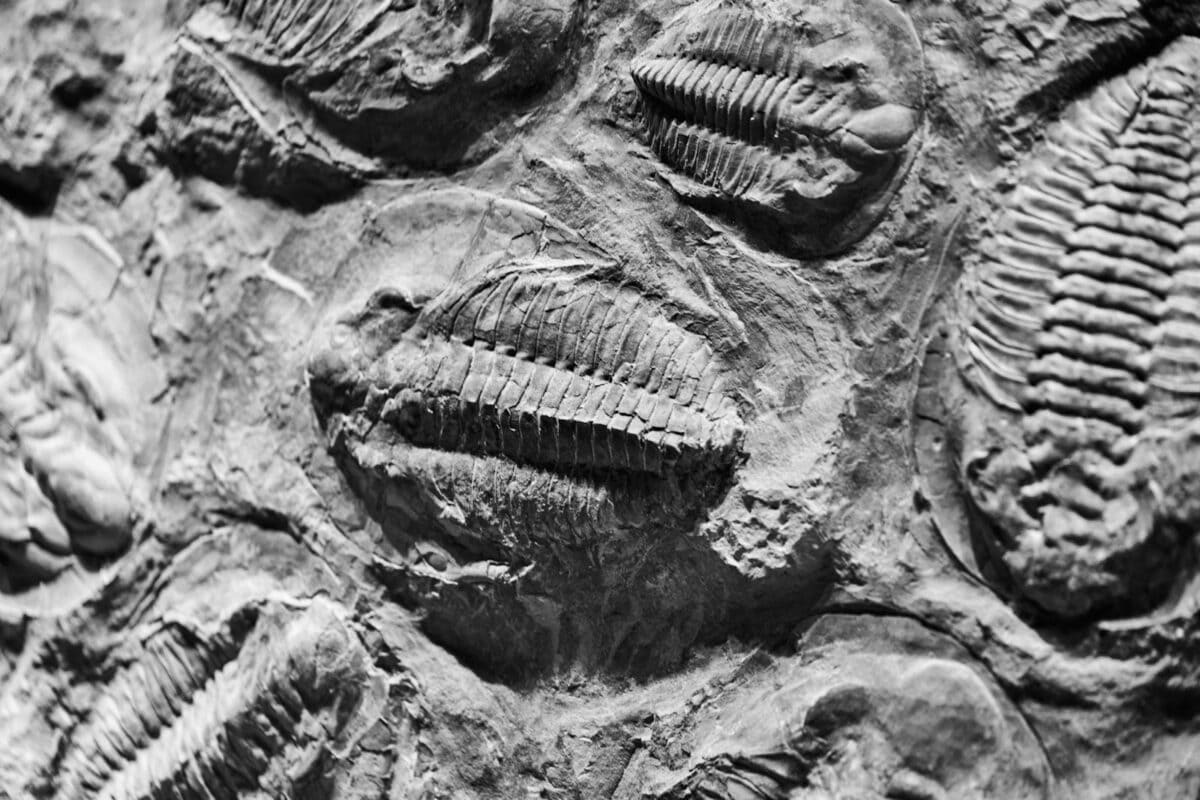
The discovery and analysis of such ancient fossils are fraught with challenges. One of the primary difficulties lies in the verification of these fossils as biological in origin. Rock formations from this period can mimic life forms, leading to debates in the scientific community. Despite this, the meticulous work by paleontologists and geologists lends credibility to these fascinating findings.
Implications for Earth’s Early Conditions

The existence of these microfossils implies that life began on Earth at a time when the planet was bombarded by asteroids and enveloped in a noxious atmosphere. Understanding how life could not only arise but also survive during these inhospitable conditions helps scientists piece together Earth’s early environment and the evolutionary adaptations that followed.
Clues About Early Marine Ecosystems

The style of the fossilized microorganisms suggests that early life thrived in some of Earth’s first marine environments. This adds to our understanding of how ancient seas could have served as cradles of life, providing the necessary conditions for microorganisms to develop and propagate over billions of years.
Comparisons with Other Ancient Fossils

Prior to this discovery, the oldest fossils were believed to be located in Australia, which harbors formations dating back around 3.5 billion years. The North American find not only challenges the timelines traditionally associated with early life but also broadens the scope of where ancient life might have prospered globally.
The Role of Plate Tectonics

North America has undergone substantial geological changes over billions of years due to the movement of tectonic plates. This activity has brought ancient rocks to the surface, preserved remnants of Earth’s earliest epochs, and occasionally dispersed these ancient materials across different regions, helping in their discovery today.
Technological Advancements in Paleontology

The discovery of these ancient fossils has been made possible by advancements in technology. Improved radiometric dating, electron microscopy, and other scientific instruments allow for more precise analysis and better understanding of the complex structures that ancient life might have created.
Concluding Thoughts: A Look to the Past and Future

The discovery of the oldest fossil ever unearthed in North America serves as a profound reminder of life’s durability and adaptability. These microfossils offer a tantalizing glimpse into the origins of life on our planet and inspire questions about life’s potential elsewhere in the universe. As scientific techniques advance, who knows what further secrets these ancient rocks might reveal?

- Do Animals Understand Fairness? New Research Says Yes - July 29, 2026
- Why These Penguins Are Losing Their Icy Homes - July 29, 2026
- The Record for the Biggest Animal Migration in History - July 28, 2026