


Ostriches, the world’s largest and fastest birds, are fascinating creatures in many respects. Beyond their impressive speed and formidable size, these flightless birds possess unique social behaviors, particularly when it comes to mating dances and rivalry. This article delves into the captivating world of ostrich courtship, exploring their intriguing mating displays, hierarchies, and the roles these behaviors play in their survival.
The Significance of Ostrich Courtship
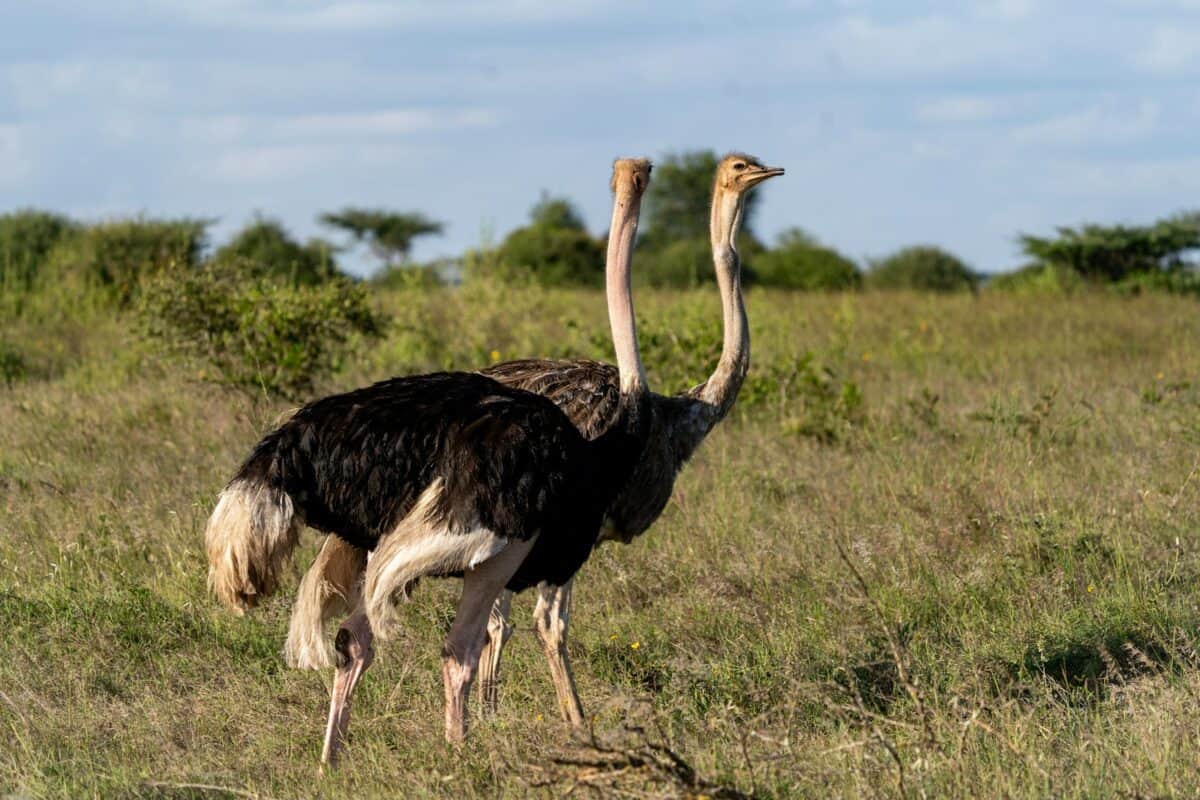
Ostriches are native to the savannas and deserts of Africa, where their lives are integrally adapted to their environment. Courtship in ostriches is not just a means of reproduction but also a critical element in maintaining social structures and ensuring genetic diversity within populations. The elaborate dances and posturing aren’t merely for show – they play a pivotal role in natural selection and the continuation of the species.
The Mating Dance: An Introduction
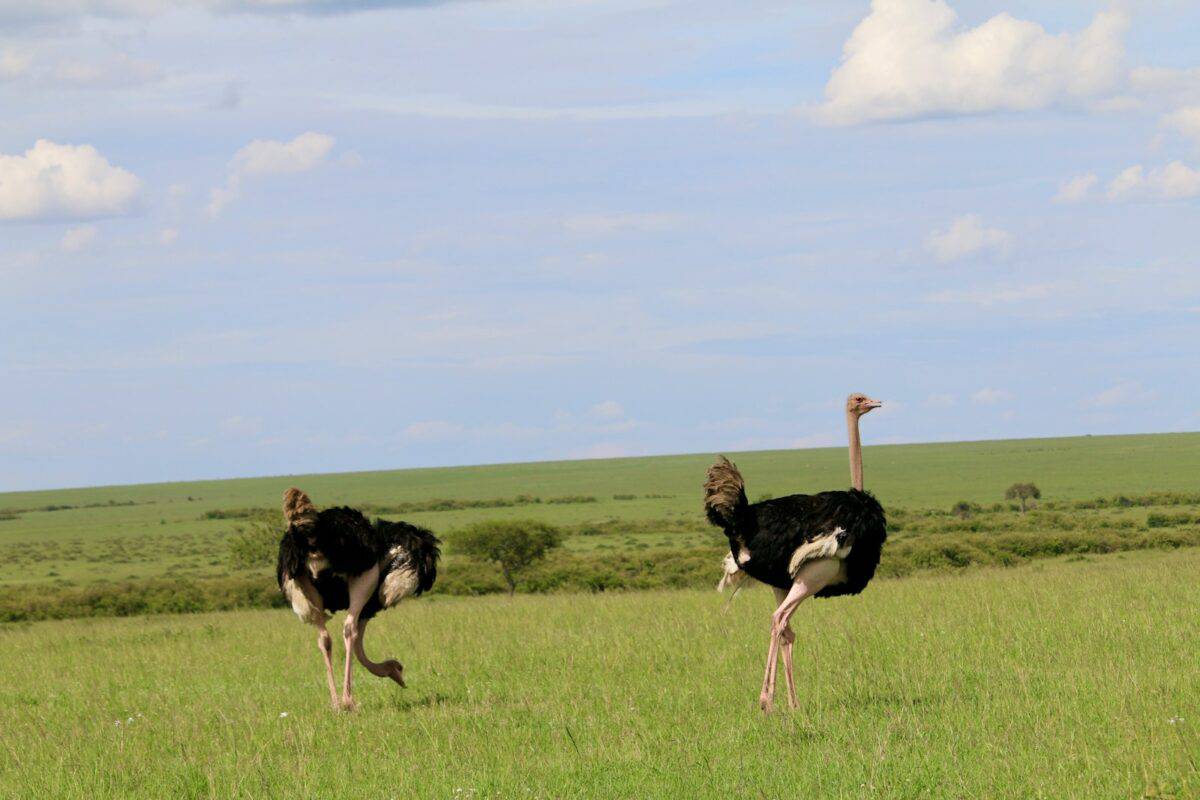
At the heart of ostrich courtship lies the male’s remarkable mating dance. This intricate display involves a series of rhythmic movements, showcasing the male’s strength, agility, and suitability as a mate. The dance is not only about attracting a mate but also about demonstrating dominance over rival males. This captivating and complex behavior is a cornerstone of ostrich reproduction.
Physical Characteristics Influence Courtship

Physical attributes, such as the vivid colors of a male ostrich’s plumage during mating season, play a crucial role in courtship rituals. The male’s beak and shins turn a bright red, signaling his readiness to potential mates. These changes are influenced by hormonal fluctuations and are visual cues that females consider when choosing a partner.
The Dance Steps: A Breakdown

During the mating dance, the male ostrich performs what’s known as the “kantling.” This involves bowing, wing flapping, and vigorous movements that are both impressive and intimidating. The male extends his wings and lowers himself to the ground, waving his neck and plumes in a synchronized pattern. These movements are critical in attracting a mate and establishing dominance over other males.
Female Ostrich Responses
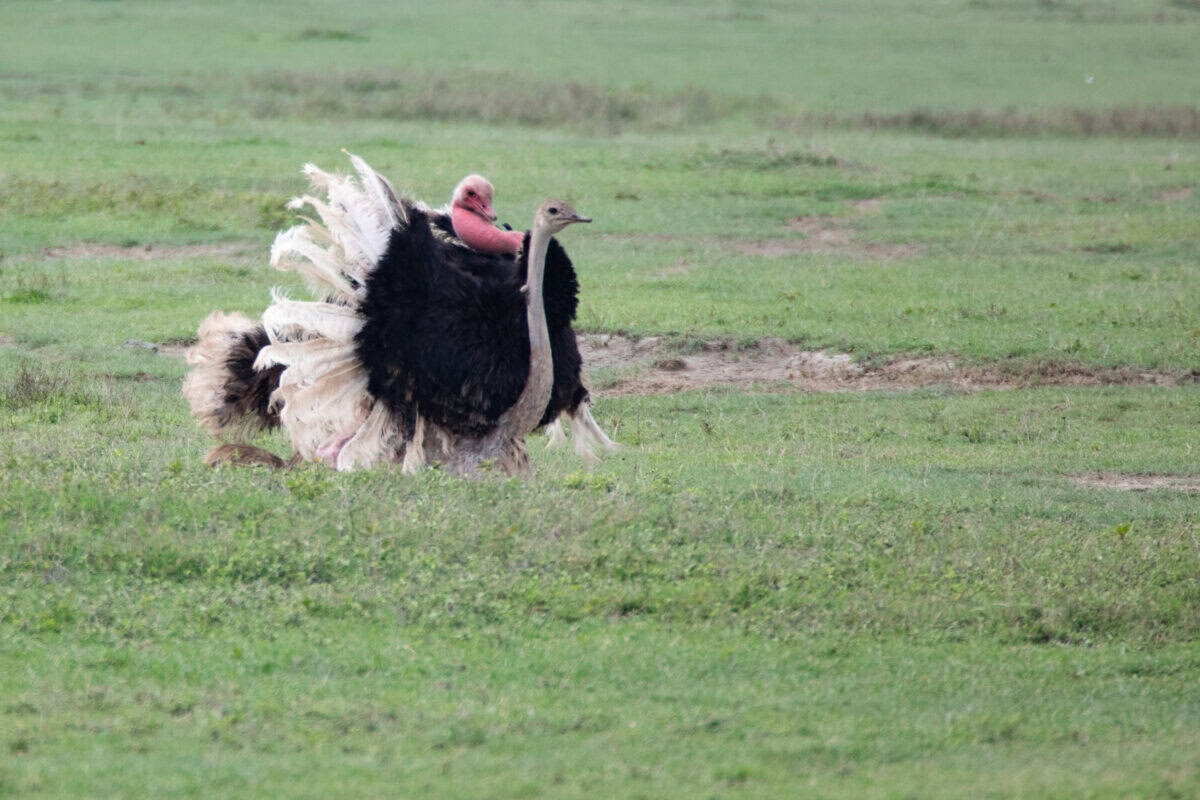
Female ostriches play an active role during the courtship process. They respond to the males’ displays with subtle cues, such as laying on the ground to signal acceptance or walking away to reject a suitor. These interactions are vital as they ensure only the most suitable and healthy males get the chance to mate, promoting the strongest traits within the population.
Male Rivalries and Their Impact
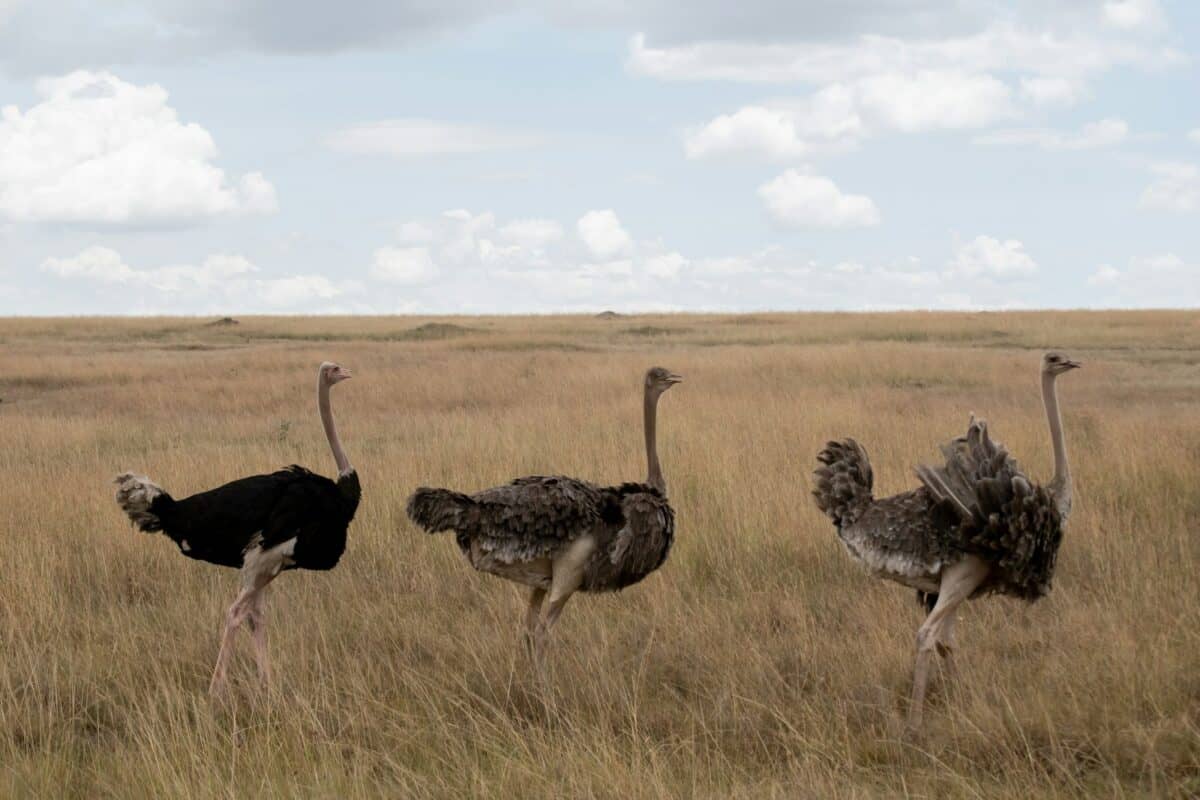
Competition among male ostriches often leads to fierce rivalries. During the breeding season, males may engage in physical confrontations to assert dominance and win over females. These encounters can include chest bumping and neck entanglements. The victorious male gains the opportunity to mate, while the defeated rivals may either retry their luck or seek other territories.
The Role of Territory in Mating Success
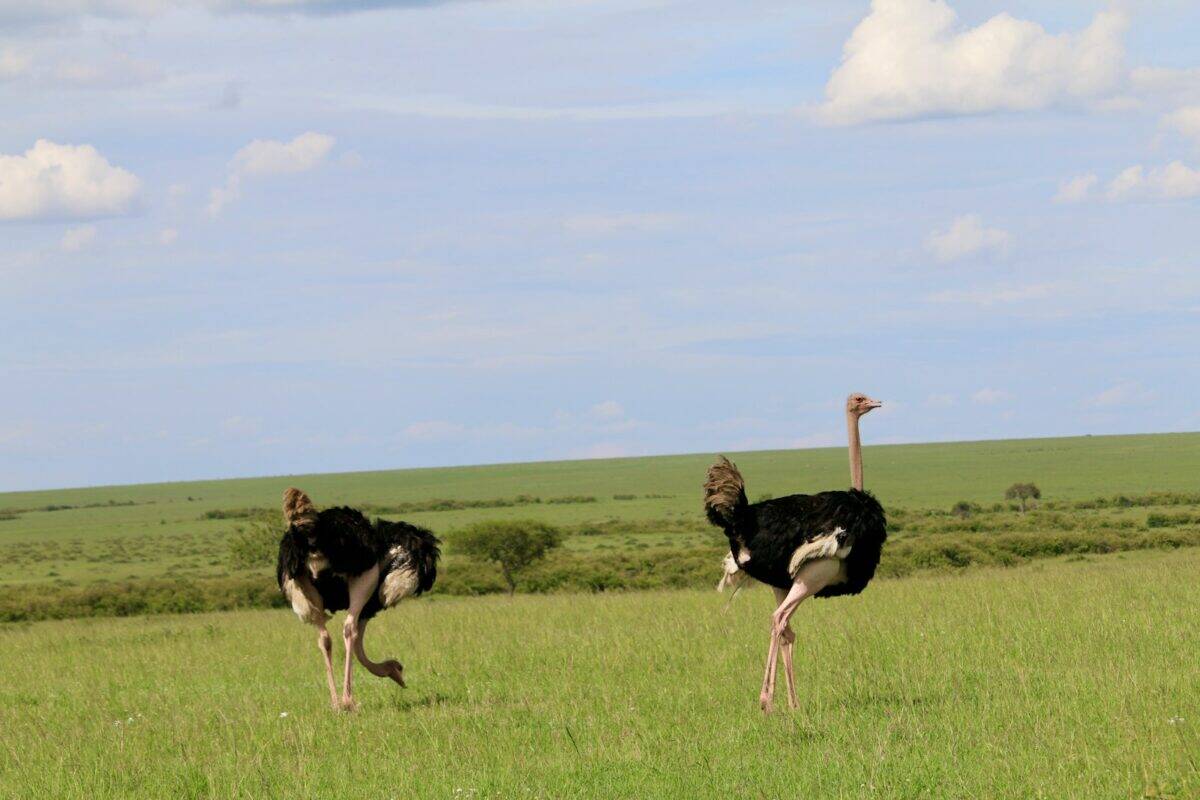
Territory is a significant component in the courting and mating rituals of ostriches. A dominant male will establish a territory, which includes potential nesting sites. This acts as an added incentive for females, who seek safe environments to raise their young. The availability of resources like food and water also supports a male’s chances of winning mates and securing offspring.
Intriguing Vocalizations
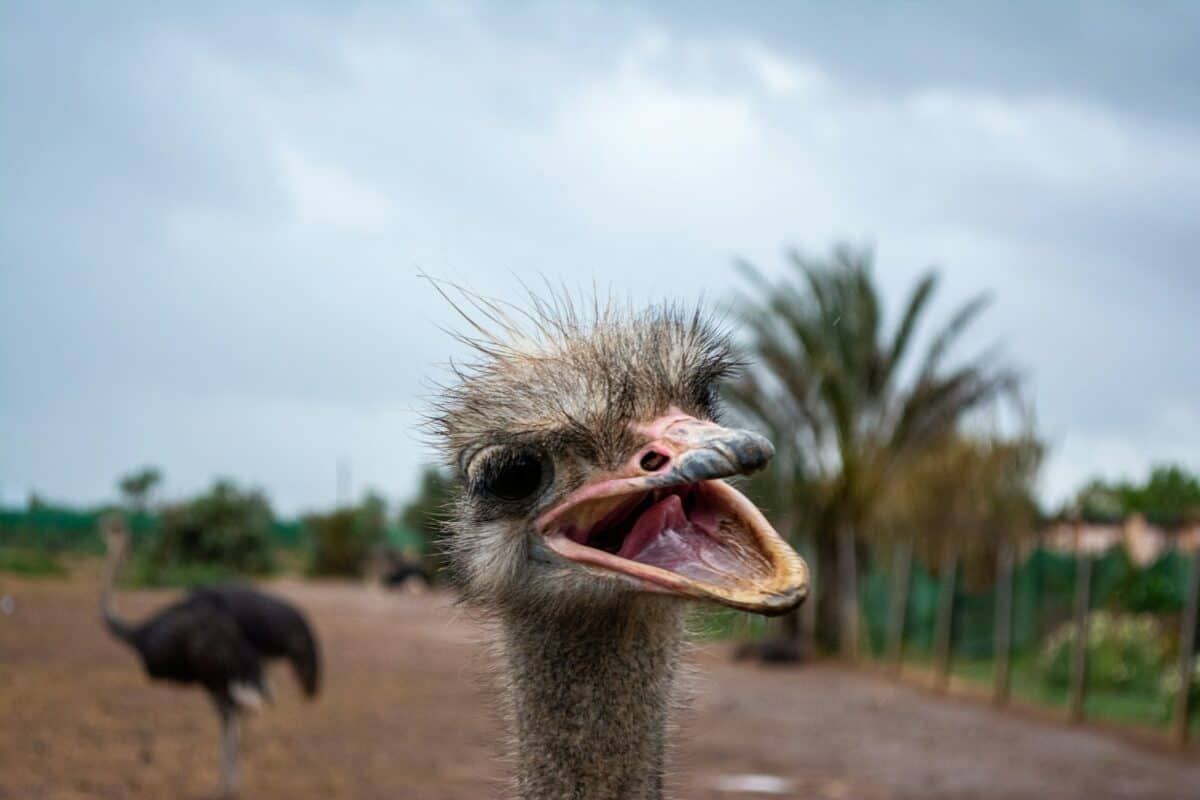
In addition to dance, ostriches use vocalizations as part of their courtship rituals. The booming sounds emitted by males can be heard across vast distances. These calls serve the dual purpose of attracting females while deterring rivals, creating an auditory boundary to their claimed territory. This vocal aspect of the courtship is as elaborate and strategic as the physical displays.
Cooperative Breeding Among Ostriches
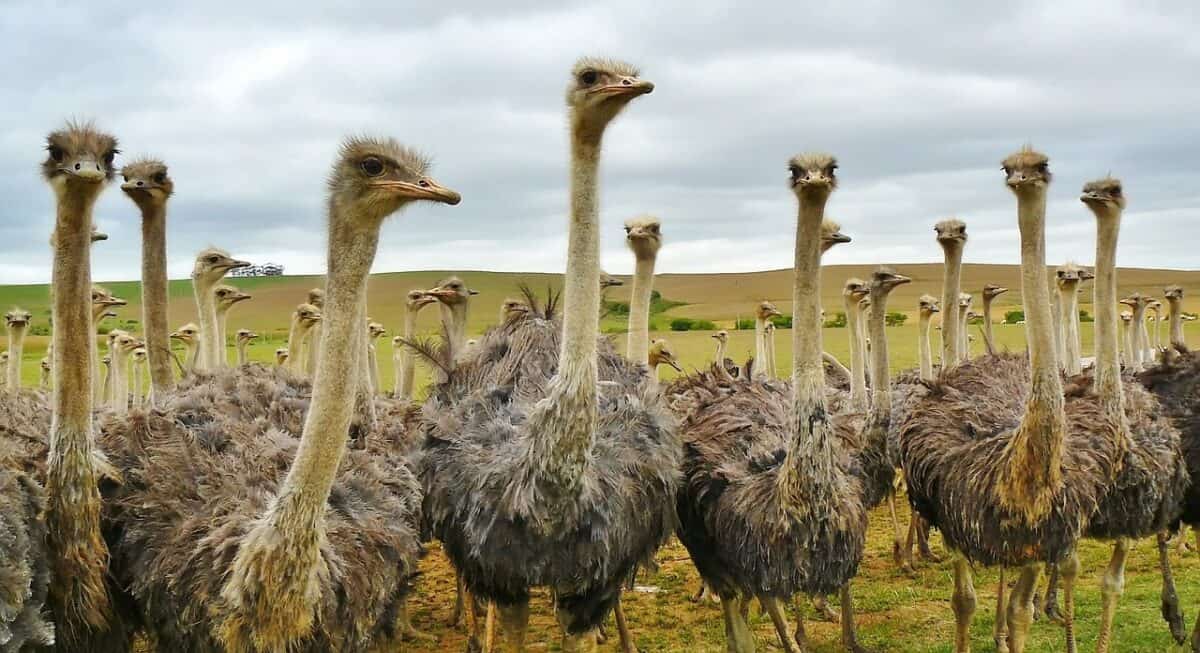
Once mating is successful, ostriches exhibit a unique breeding strategy. Multiple females, often under the protection of a dominant male, may lay eggs in a shared nest. This cooperative approach increases the chances of chick survival, as all adults contribute to the defense and care of the young. Such communal nesting behavior is relatively rare among birds and emphasizes the social structure within ostrich communities.
The Impact of Environment on Mating

The environment plays a crucial role in shaping ostrich mating behaviors. Factors like climate, resources, and predator presence can influence the timing and success of the breeding season. Ostriches are highly adaptable, using their environment strategically during courtship rituals to maximize reproductive success.
Conservation and Human Impact
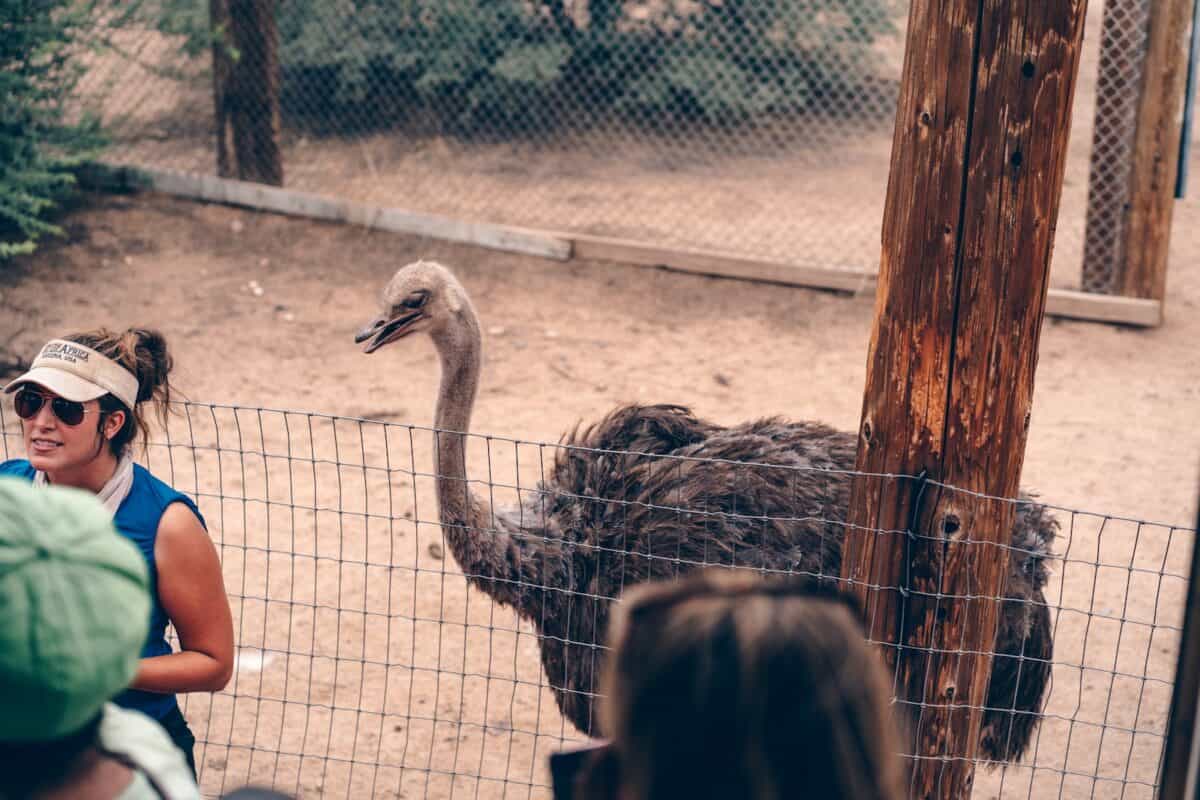
Human activities, such as habitat destruction and hunting, pose challenges to ostrich populations. Conservation efforts focus on preserving their natural habitats and minimizing disturbances during breeding seasons. Understanding their mating behaviors is vital for designing effective conservation strategies that ensure their continued survival in the wild.
Ostrich mating dances and rivalries are more than just a spectacle; they are a sophisticated system that ensures the health and continuity of their species. These behaviors highlight the intricacies of natural selection and the importance of social dynamics in the animal kingdom. By appreciating these magnificent creatures and their unique courtship rituals, we gain insight into the resilience and adaptability of life on Earth.

- 14 Most Beautiful Snakes Found in the Wild - June 19, 2026
- Animals That Survive Without Water in the Southwest - June 19, 2026
- Why Walruses Use Their Tusks Like Ice Picks - June 19, 2026