


Spiders—their very presence can instill curiosity or send shivers down your spine. Despite their often-misunderstood reputation, these arachnids spin an intricate tale of survival, adaptation, and astonishing feats. Whether you’re an arachnophobe or a spider enthusiast, there’s no denying the fascinating intricacies of their world. Join us as we explore ten captivating spider facts that might just make you see them in a new light.
Masters of Silk Beyond the Web

Spiders are renowned for their silk-producing abilities, spinning delicate webs that are not only beautiful but practical. Unlike caterpillars that produce silk from a single gland, spiders have multiple silk glands. Each type of silk serves a different purpose—some for constructing webs, others for wrapping prey, and even silk for creating cocoons to protect their eggs. This level of specialization showcases evolutionary ingenuity, as spiders adapt to their environments using the perfect tool for each task.
Super Strength in Silken Threads

If you thought human-made materials were strong, think again. Spider silk is touted as being stronger than steel when compared at the same diameter. This natural fiber has incredible tensile strength and elasticity, making it a subject of scientific intrigue for potential applications in creating durable and lightweight materials. Imagine a fabric that’s frameless yet tough enough for diverse uses, from medical sutures to bulletproof vests.
Uniquely Equipped to Hunt

Spiders are exceptional predators, boasting a range of techniques not just limited to web ensnarement. Some, like the jumping spider, stalk and leap onto their prey with incredible precision, aided by their acute vision. Others, such as trapdoor spiders, aggressively ambush their meals by cleverly concealing themselves. Yet, regardless of their hunting style, each spider is perfectly adapted to its ecological niche.
The World’s Largest Spider

Holding the title for the world’s largest spider is the imposing Goliath birdeater tarantula, native to the rainforests of South America. With a leg span measuring nearly a foot, this tarantula is a gentle giant that prefers not to snack on birds despite its name. Instead, it subsists on insects, rodents, and other small creatures, playing a vital role in maintaining the balance of its ecosystem.
The Tiny Titans of Pest Control

For those who find spiders unsettling, their role in controlling pest populations might offer some comfort. A single spider can consume countless insects over its lifetime, including mosquitoes, flies, and agricultural pests. This ecological service is a silent yet powerful aid to humans, reducing the need for chemical pesticides and contributing to the health of natural and agricultural environments.
Colorful Creatures with a Flair for Beauty

Spiders may not be the first creatures that come to mind when thinking about beauty in nature, yet some species boast vivid colors and patterns that rival butterflies. The peacock spider is one such example, with its colorful flaps used in intricate mating dances. These displays are not only fascinating but emphasize the diversity and splendor found within the arthropod family.
Spider Venom A Mixture of Medicine and Myth
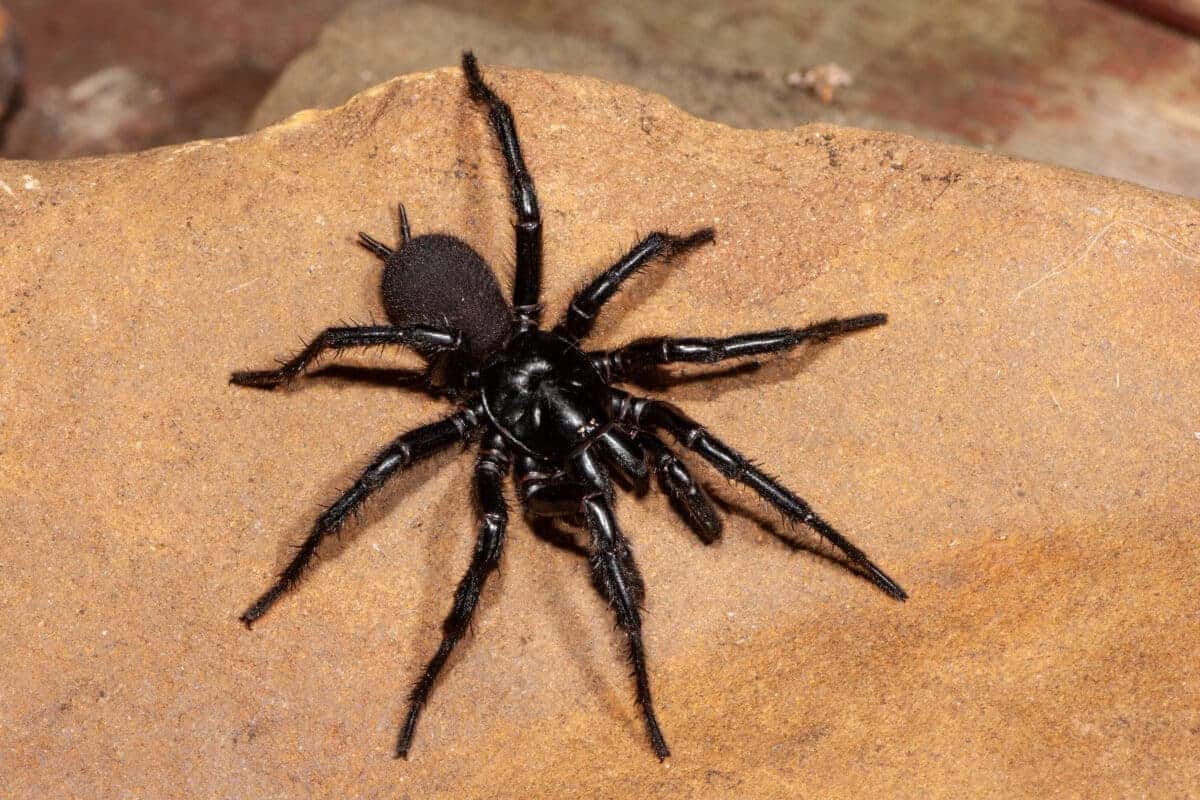
While the word “venomous” might spark fear, the reality is that most spider venoms pose no threat to humans. In fact, researchers are investigating potential medical applications for spider venom, which could lead to breakthroughs in pain management and treatment of neurological disorders. The complexity of venom composition offers a wealth of possibilities for modern medicine.
Spiders in Space

Did you know spiders have made a journey beyond Earth? In 2011, the golden orb-weaver spider was sent aboard the International Space Station to study the effects of microgravity on its web-spinning behavior. The experiment offered valuable insights into the adaptability of these creatures and extended our understanding of how life functions in space environments.
Daylight Dwellers and Nighttime Nomads

Different spider species have adapted their lifestyles to suit either day or night activities. Diurnal spiders, such as the orb-weavers, skillfully craft their webs to capture the morning light, while nocturnal species rely on the cover of darkness to explore and hunt. This division of labor reduces competition and allows spiders to exploit different ecological roles within their respective habitats.
Collective Insights and Misconceptions

Often depicted as solitary creatures, some spiders challenge this notion by exhibiting social behaviors. Species like the social spider cooperate in web-making and even share food resources, demonstrating intricate social structures and interaction. This challenges the stereotypical image of spiders and illustrates the complexity of their behaviors and social dynamics.
Conclusion:
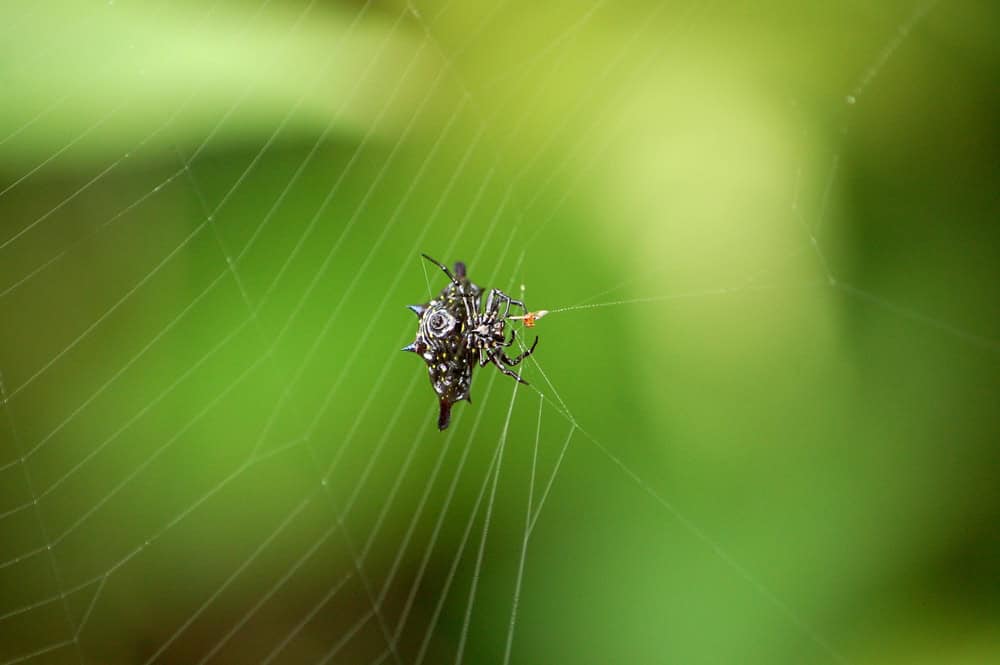
In a world where spiders often go unappreciated, their ecological importance and fascinating biology are undeniable. From their elegant webs to their crucial role in pest control, spiders are more than just creepy-crawly creatures. They are a testament to nature’s ability to design tools and strategies for survival, weaving a narrative rich with innovation and purpose. Next time you encounter a spider, take a moment to appreciate the remarkable web they spin, both literally and metaphorically, in the fabric of our world’s ecosystems.

As a little kid, I fell in love with nature, wildlife, and animals. Living in the USA, South Africa, Italy, China and Germany gave me the opportunity to discover the world's Wildlife. My favorite animals are Mountain Gorillas, Siberian Tigers, and Great White Sharks.
I'm a certified PADI Open Water Diver, went to Everest Base Camp and Trekked Gorillas in Uganda. I hold a Master of Science in Economics and Finance.
Please send any feedback to feedback@animalsaroundtheglobe.com
- 10 Unique Animals You Can Find Only In California - July 21, 2026
- 10 Loudest Animals on Land - July 21, 2026
- 13 Animals With Extra Limbs or Heads - July 21, 2026