

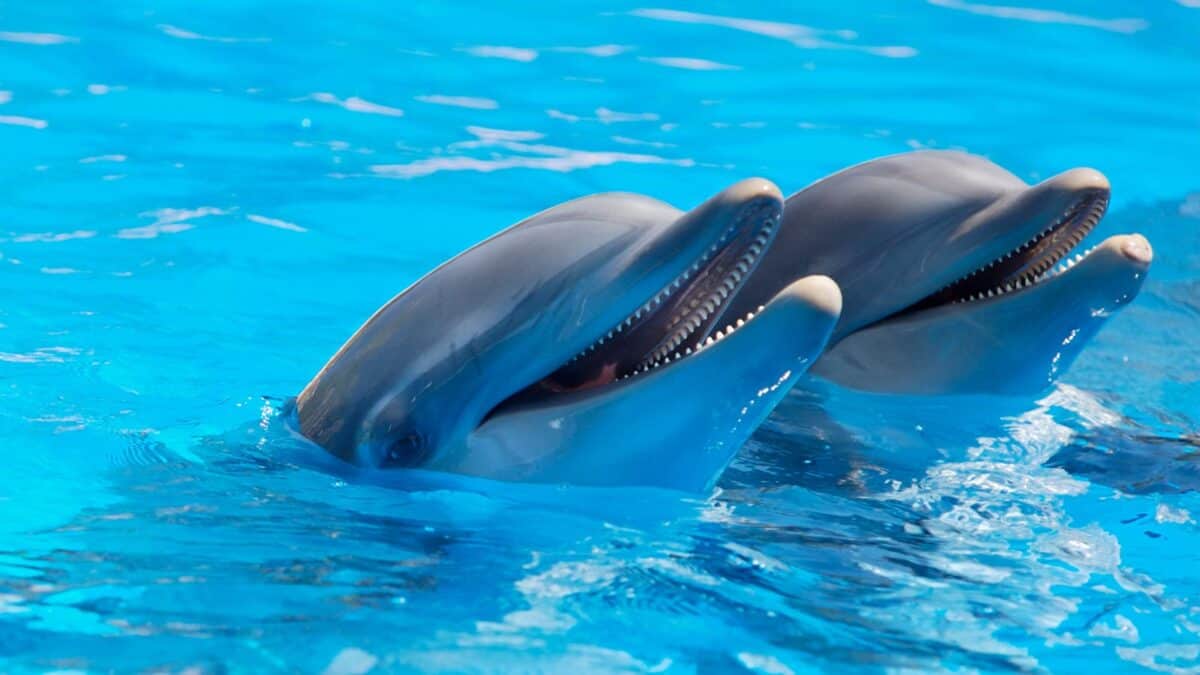
Dolphins are often depicted as playful, intelligent creatures of the ocean, known for their acrobatics and sociable nature. However, recent studies reveal that their cooperative behaviors are evolving significantly, showcasing remarkable teamwork like never before. This article explores the intriguing world of dolphins and uncovers the reasons behind their unprecedented alliance strategies.
Introduction to Dolphin Social Structures
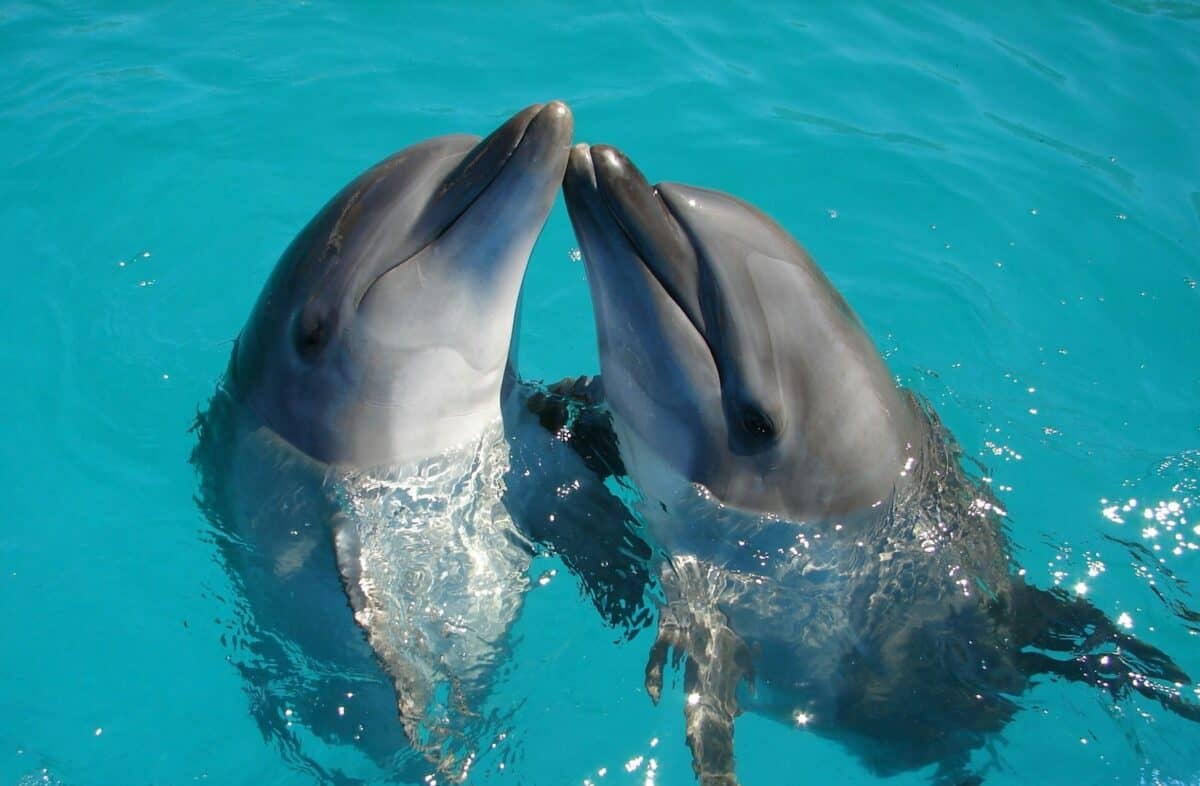
Dolphins have long fascinated scientists and the public alike due to their complex social structures. Traditionally, these marine mammals are known to form close-knit pods, often consisting of family members or long-term associates. These pods, typically ranging from a few individuals to dozens, play crucial roles in foraging, protection, and raising young.
The Rise of Cooperative Hunting

Researchers have observed a notable increase in dolphins working together when hunting for food. This cooperative hunting involves intricate planning and communication, allowing them to efficiently corral fish schools. Such behavior not only results in a more successful hunt but also strengthens the social bonds within the pod.
Complex Communication System

One of the key factors enabling their enhanced teamwork is their advanced communication system. Dolphins use a series of clicks, whistles, and body movements to convey messages. These signals are believed to be pivotal in coordinating group activities, especially during cooperative hunting and navigational endeavors.
Alliances Beyond Family Ties
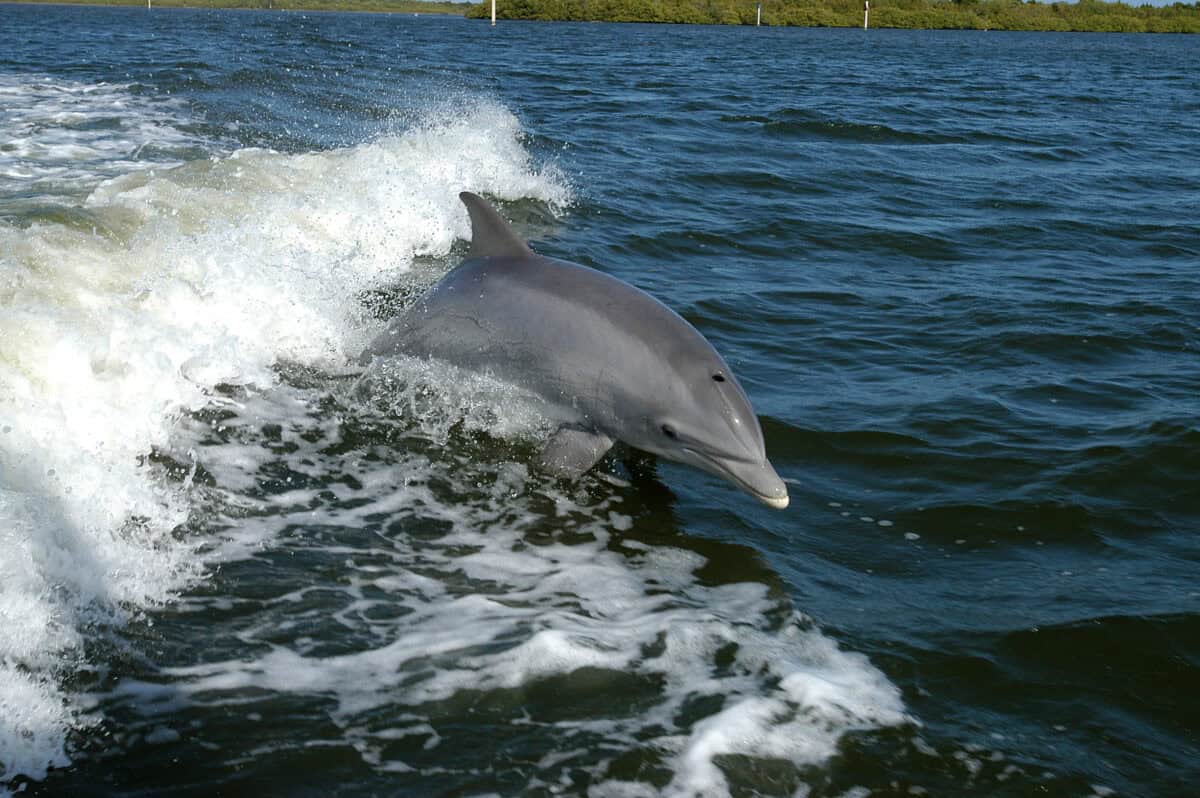
Unlike many species that primarily form alliances within family groups, dolphins are increasingly forming partnerships beyond their immediate kin. These alliances, known as “super pods,” can include hundreds of dolphins from different family lines. Such collective gatherings serve to amplify their ability to hunt and defend against predators.
Defense Strategies Against Predators
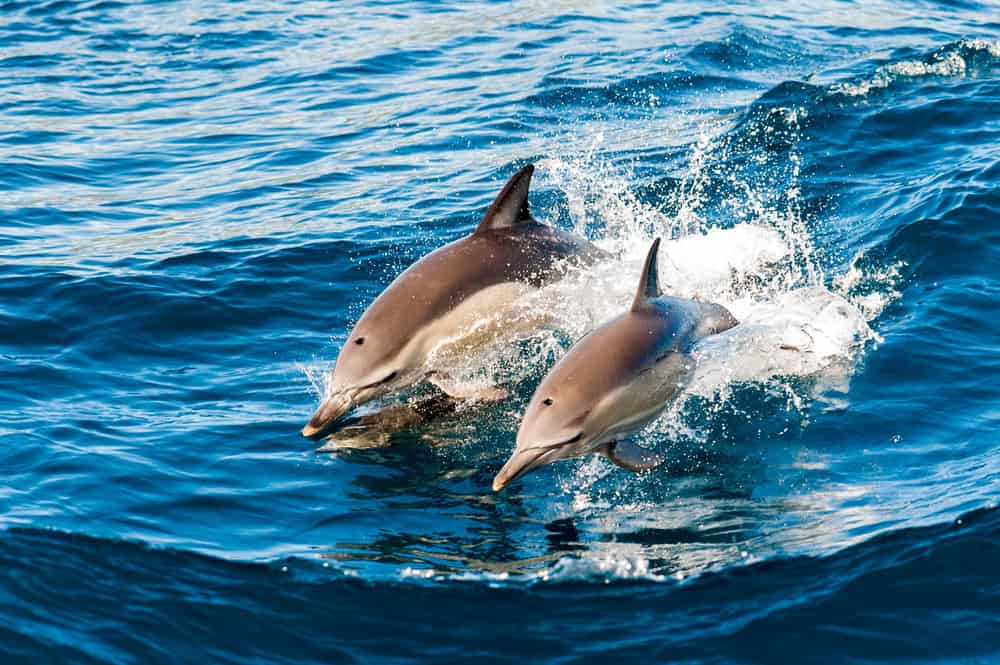
By teaming up in large numbers, dolphins are better equipped to protect themselves against predators, such as sharks. Their cooperative behavior allows them to employ strategic maneuvers to confuse or intimidate potential threats, showcasing a sophisticated level of group intelligence.
Learning and Cultural Transmission

Dolphins are among the few non-human species that exhibit cultural transmission of behaviors. Young dolphins learn essential survival skills, including foraging techniques and social interactions, by observing and mimicking adults. This cultural learning strengthens their ability to function cohesively as a group.
Environmental Impacts on Dolphin Behavior

Changes in ocean environments, such as temperature fluctuations and shifts in prey availability, might be prompting dolphins to adapt their behaviors. Greater collaboration among pods could be a response to these environmental stresses, ensuring they can efficiently locate and capture scarce resources.
The Role of Play in Dolphin Communities
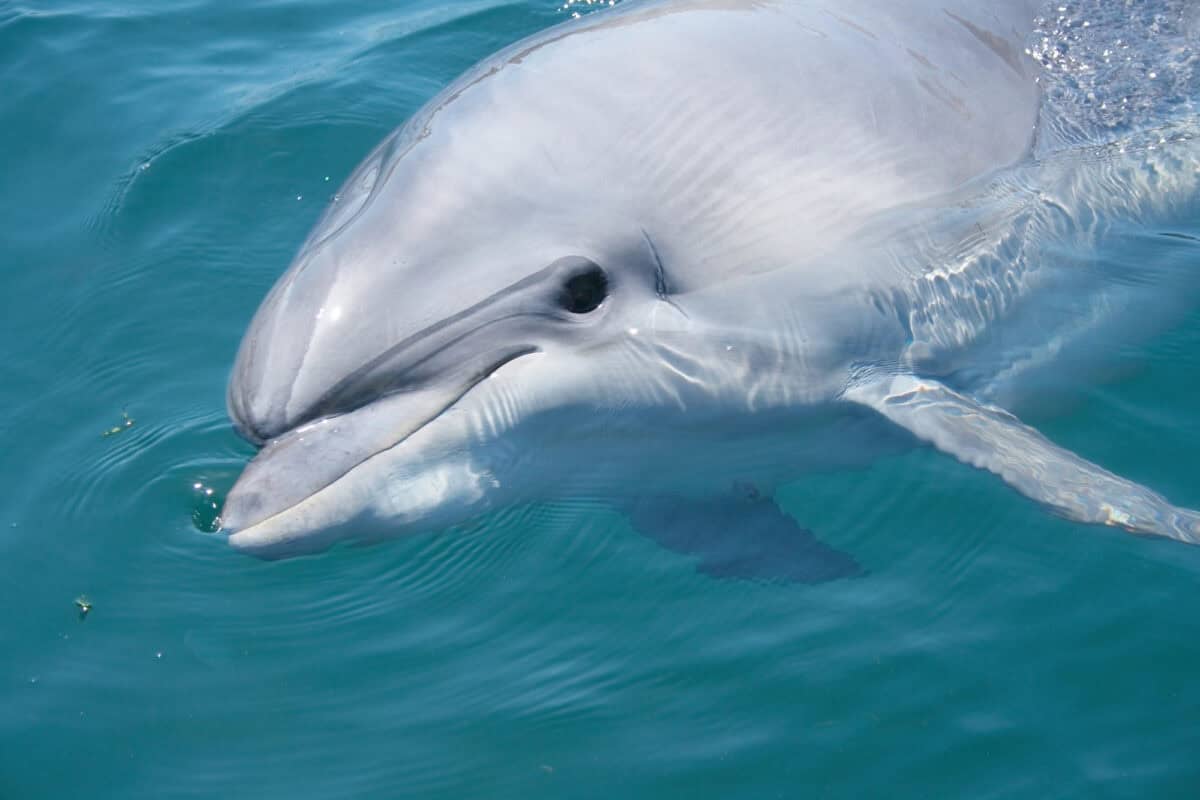
Play is an integral part of dolphin life, serving not only as recreation but also as a means to solidify social bonds. Through play, dolphins test and refine their teamwork skills, allowing them to better coordinate during essential tasks such as hunting or navigating.
Human Interaction and Conservation Efforts
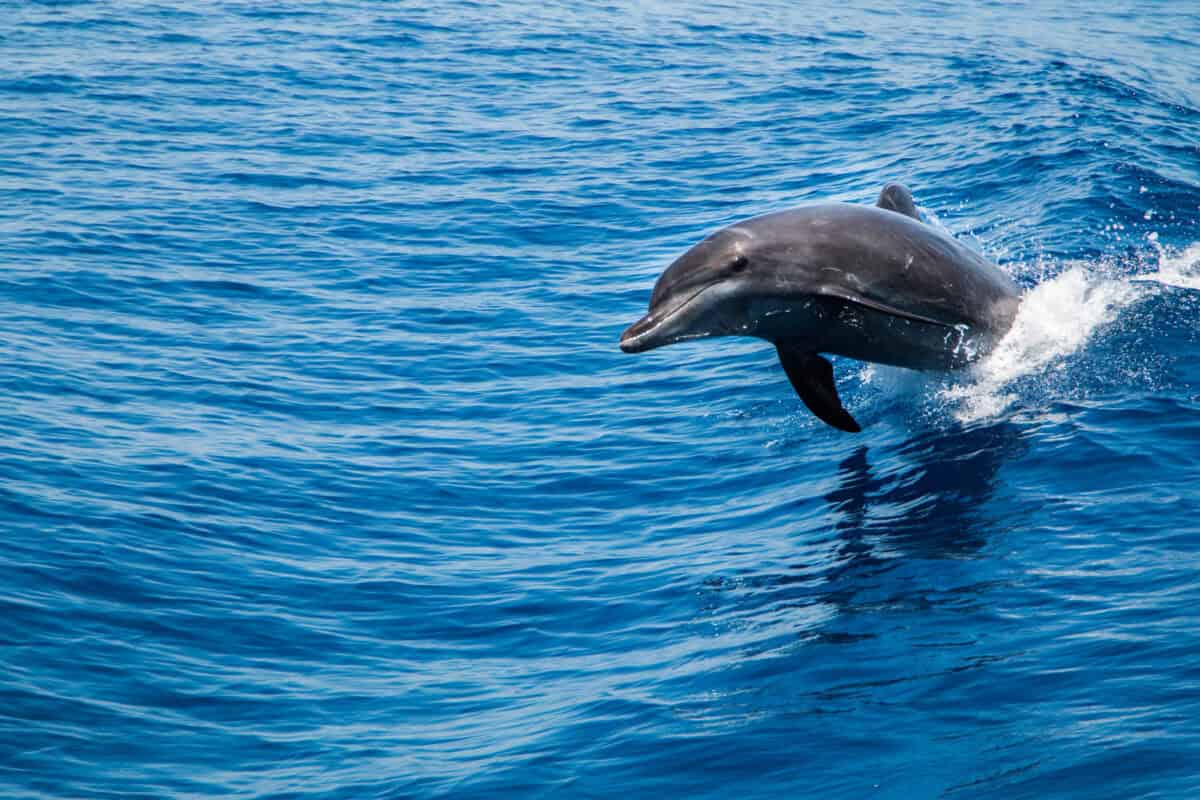
Human activities greatly influence dolphin populations and their behaviors. Efforts in marine conservation aim to mitigate the impact of pollution, overfishing, and habitat destruction. Part of these initiatives involves understanding and supporting the natural cooperative behaviors of dolphins to ensure their survival.
Technological Advances in Dolphin Research

The use of advanced technology, such as drone surveillance and underwater acoustics, has provided new insights into dolphin social behaviors. These tools allow researchers to study dolphins in their natural habitat without intrusion, leading to a deeper comprehension of their complex interactions.
The Significance of Dolphin Cooperation

The enhanced cooperative behaviors among dolphins highlight their cognitive abilities and emphasize the importance of social structures in their survival. This cooperation is a testament to their adaptability and intelligence, characteristics that have intrigued and inspired humans for generations.
Conclusion: The Future of Dolphin Alliances

As dolphins continue to adapt to changing oceanic conditions, their sophisticated teamwork offers valuable lessons in cooperation and resilience. Understanding and preserving these behaviors are crucial, not only for the survival of dolphin populations but also for maintaining the health of marine ecosystems. Given their evolving strategies, dolphins remind us of the profound intelligence and resourcefulness found in the natural world.

From exploring the marine wonders in the Azores and witnessing the vast savannas of Kenya, to delving deep into the rich biodiversity of South Africa and traversing iconic landscapes in Australia and the US like Yellowstone, Chris's experiences are vast.
With a penchant for diving alongside sharks, the ocean holds a special place in his heart.
Through his academic insights, he champions wildlife conservation, striving with 'Animals Around The Globe' to cultivate a profound connection between humans and animals, enhancing our mutual appreciation.
Connect with him at Feedback@animalsaroundtheglobe.com.
- How Real Is the Animal Kingdom in The Chronicles of Narnia? - July 18, 2026
- Why You Should Try Birding in Appalachian Trail This Year - July 18, 2026
- Woolly Rhino Remains Discovered in Alaska - July 18, 2026