


The majestic allure of eruptions above sea level often captivates our imagination, but did you know that most volcanic activity takes place hidden beneath the ocean waves? Underwater volcanoes represent a mysterious, enigmatic force shaping our planet in profound ways. As we venture into the depths where fire meets water, let’s embark on a journey to uncover what truly happens when volcanoes erupt underwater.
The Genesis of Submarine Volcanoes

Underwater volcanoes, also known as submarine volcanoes, are formed when magma from the Earth’s mantle finds its way through the cracks in the ocean floor. These volcanic activities predominantly occur at mid-ocean ridges, hotspots, and subduction zones. The continuous movement of tectonic plates contributes to the creation of these fiery undersea giants, setting the stage for spectacular but often unseen eruptions.
Unique Characteristics of Underwater Eruptions

Unlike terrestrial eruptions that spew ash and lava into the air, underwater eruptions occur in an environment of immense pressure and cool temperatures. These conditions lead to unique volcanic formations such as pillow basalts—balloon-shaped structures formed as lava rapidly cools and solidifies upon contact with seawater.
Role of Hydrothermal Vents
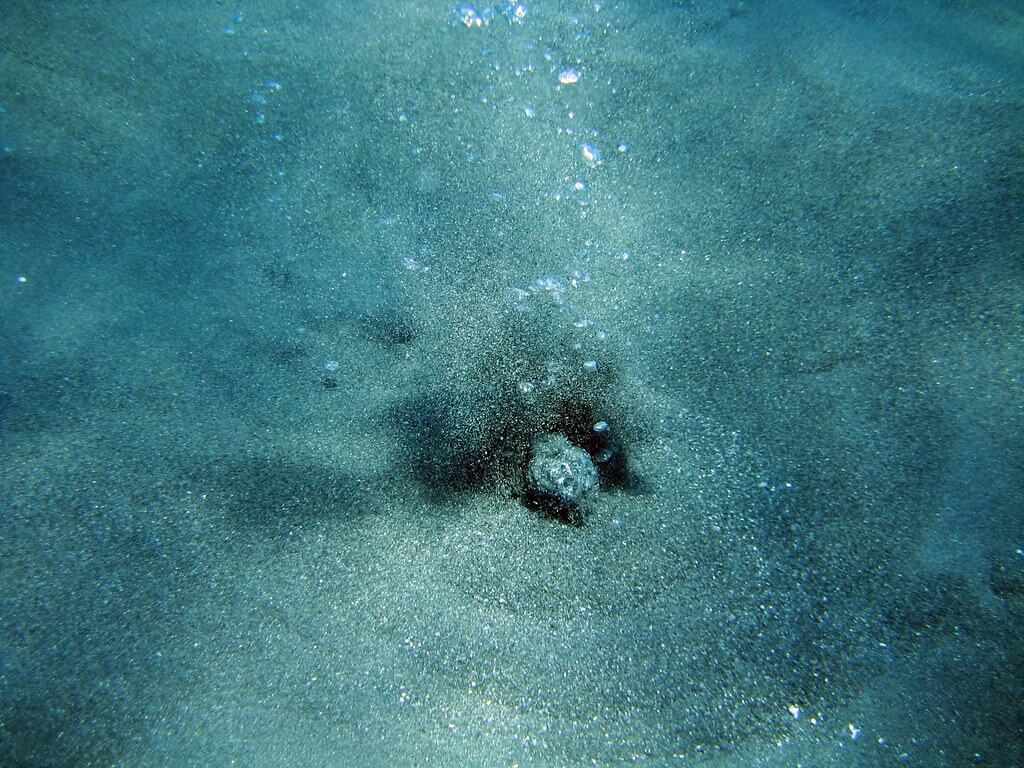
Hydrothermal vents often accompany underwater volcanic eruptions, acting as natural chimneys spewing mineral-rich water from beneath the ocean floor. These vents create a unique ecosystem, supporting diverse life forms adapted to the harsh, light-deprived conditions. The heat and chemicals from these vents provide energy sources for various organisms, showcasing nature’s tenacity in extreme environments.
Breathtaking Formation of New Land

Underwater volcanoes have the incredible ability to create new land. When eruptions are powerful enough, they can lead to the formation of islands as lava accumulates and breaks through the ocean surface. Over time, such eruptions gave birth to entire island chains, including the Hawaiian Islands, borne from volcanic hotspots beneath the ocean.
The Role of Underwater Eruptions in Ocean Chemistry

Underwater volcanic activity significantly impacts ocean chemistry. The release of minerals and gases, such as carbon dioxide and sulfur, into the ocean alters its composition. This not only influences marine life but also contributes to broader climate patterns through the cycling of nutrients and gases between the oceans and the atmosphere.
The Impact of Pressure and Temperature on Eruptions

The incredible pressure of deep ocean environments prevents explosive eruptions typical of surface volcanoes. Instead, most underwater eruptions occur quietly, with magma gently seeping out. The cold ocean water rapidly solidifies the magma, minimizing the explosive potential. However, shallower eruptions can displace large volumes of water, leading to significant tsunamis.
Innovative Exploration and Research Techniques

Recent advances in technology have amplified our ability to study underwater volcanoes. Submersibles, remotely operated vehicles (ROVs), and sonar mapping are opening windows into these once-inaccessible worlds. These tools allow scientists to document eruptions, analyze lava compositions, and map out large swathes of underwater ridges and vents.
Understanding the Global Volcanic Activity

An astounding 80% of the world’s volcanic activity occurs under the ocean. Studying underwater eruptions adds a critical layer to our understanding of Earth’s volcanic activity. These insights help us monitor global tectonic movements and assess volcanic hazards, contributing to sound geological forecasts and safety preparations.
Ecological Impacts on Marine Life

Underwater eruptions can be both destructive and nurturing to ocean life. While immediate eruptions may devastate local organisms due to changes in temperature and chemistry, the aftermath creates new habitats. Over time, ecosystems regenerate, often more diversified and richer than before, demonstrating the resilience of marine life.
Historical Record of Undersea Eruptions

Throughout history, major underwater eruptions have gone unnoticed by humans. However, records now show that these events can reshape ocean terrain, build new underwater mountains, and sometimes even pose risks to navigation and coastal settlements. Exploring historical eruptions helps scientists predict future events and mitigate risks.
The Geothermal Potential of Underwater Volcanoes

The immense heat generated by underwater volcanic activity holds vast geothermal potential. Exploring ways to harness this energy could offer a sustainable and abundant energy resource. However, technological and environmental obstacles remain, demanding careful research and innovation.
Conclusion: The Continual Dance of Earth’s Forces

When volcanoes erupt underwater, they remind us of Earth’s dynamic nature, a planet alive with movement and change. These deep-sea events shape ocean floors, influence global ecological dynamics, and present opportunities and challenges for energy and research. As our exploration of these hidden realms advances, we gain deeper appreciation and understanding of the enduring power of volcanic activity beneath the waves, a testament to the majesty of natural processes sculpting our world.

From exploring the marine wonders in the Azores and witnessing the vast savannas of Kenya, to delving deep into the rich biodiversity of South Africa and traversing iconic landscapes in Australia and the US like Yellowstone, Chris's experiences are vast.
With a penchant for diving alongside sharks, the ocean holds a special place in his heart.
Through his academic insights, he champions wildlife conservation, striving with 'Animals Around The Globe' to cultivate a profound connection between humans and animals, enhancing our mutual appreciation.
Connect with him at Feedback@animalsaroundtheglobe.com.