

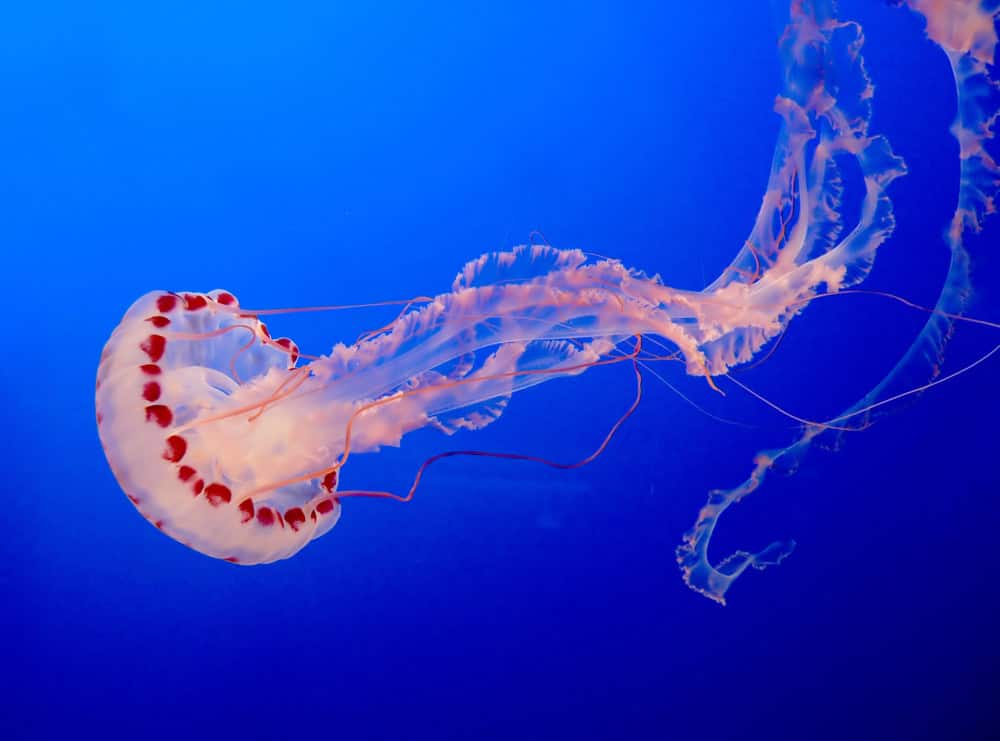
In recent years, U.S. beaches have witnessed an unprecedented natural phenomenon: jellyfish swarms of a magnitude seldom seen before. These ethereal creatures, often admired for their delicate beauty, can pose significant threats when they gather in such vast numbers. Let us dive into this captivating, albeit alarming, natural event and explore what makes these jellyfish swarms so noteworthy.
The Surge in Jellyfish Populations

The increase in jellyfish populations along U.S. coasts likely results from a combination of factors, including climate change, overfishing, and nutrient runoff. Rising sea temperatures create a more hospitable environment for jellyfish to breed, while the decline in their natural predators, often due to overfishing, leaves their numbers unchecked. Additionally, agricultural runoff into oceans provides nutrients that promote their growth.
The Usual Suspects: Commonly Swarming Jellyfish Species
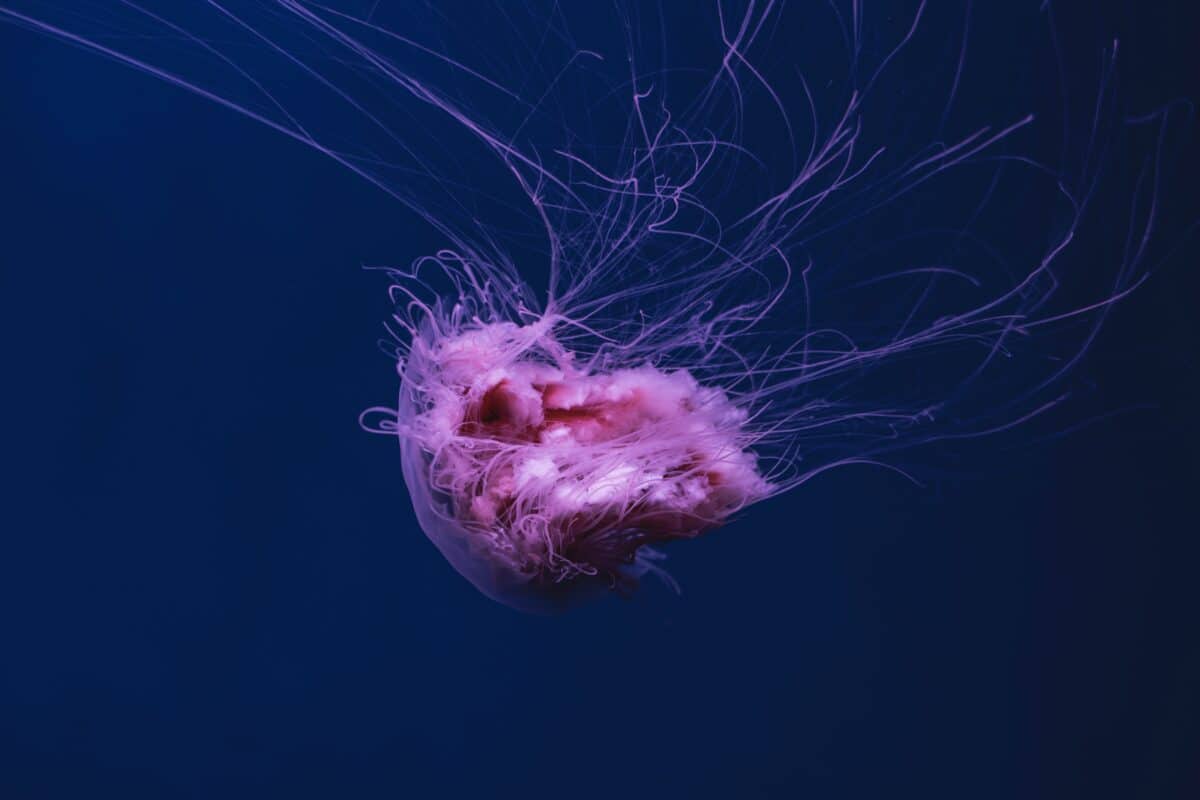
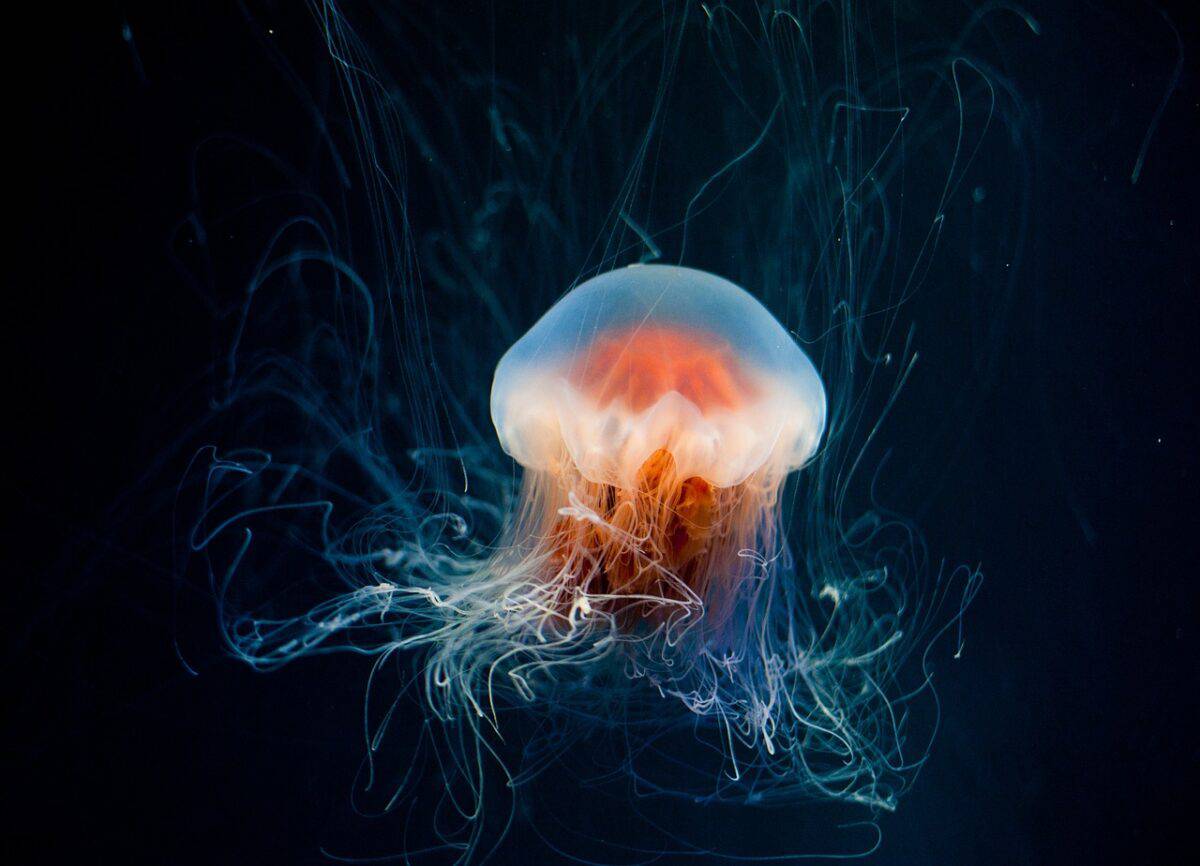
Among the several species that partook in these recent swarms, moon jellyfish (Aurelia aurita) and the lion’s mane jellyfish (Cyanea capillata) were the most prevalent. Moon jellyfish are generally harmless but can cause mild irritation, while lion’s mane jellyfish are known for their painful sting. Both species benefit from warmer waters and abundant food supplies, contributing to their increasing numbers.
The Natural Beauty and Dangers of Jellyfish

Jellyfish are captivating marine creatures known for their translucent, gelatinous bodies and often colorful tentacles. Despite their fragile appearance, jellyfish possess venom in their tentacles used for capturing prey. When encountered by beachgoers, this can result in painful stings and, in some cases, severe allergic reactions.
Understanding Jellyfish Swarming Behavior

Jellyfish swarming behavior remains a complex phenomenon influenced by environmental and biological factors. They often swarm during breeding seasons when conditions are optimal for reproduction. Swarms can serve as protection against predators and improve feeding efficiency, as a large group can trap more prey.
Impact on Marine Ecosystems
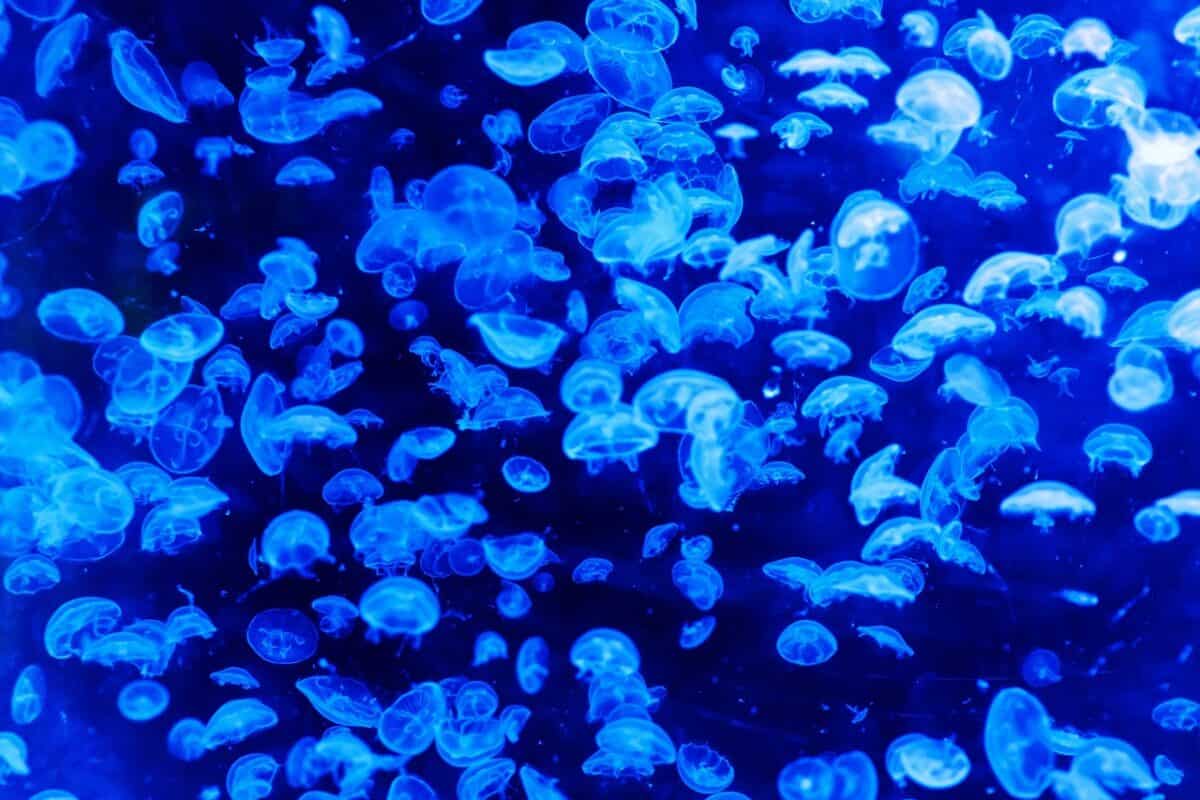
Jellyfish swarms can profoundly impact marine ecosystems by altering food chains and ocean dynamics. Their voracious feeding can lead to a decline in zooplankton populations, which are critical for other marine organisms. Additionally, these swarms can outcompete fish for food and space, potentially disrupting local fisheries.
Effects on Local Economies

The economic impact of jellyfish swarms on coastal communities can be significant. Beaches crowded with jellyfish often deter tourists, resulting in reduced revenue for local businesses reliant on beachgoers. Fishing industries also suffer as swarms can clog nets and deplete fish populations.
Preventing and Mitigating Jellyfish Stings
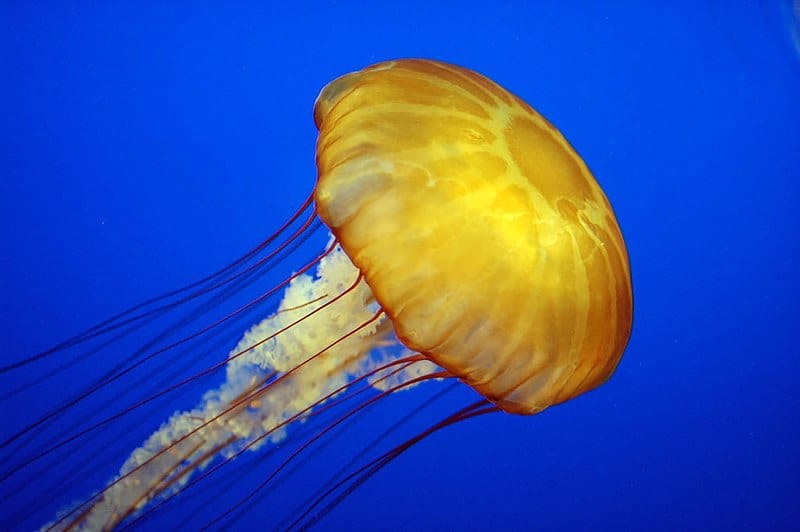
Beachgoers should be proactive in preventing jellyfish stings by staying informed about sea conditions. Many beaches provide daily updates on jellyfish activity. Wearing protective clothing, such as wetsuits, can also offer some defense against stings. If stung, immediate first aid measures include rinsing the area with vinegar and avoiding fresh water, which can worsen the sting.
Innovations in Jellyfish Detection and Management

Recent advances in technology have equipped coastal managers with new tools to monitor jellyfish populations. Drones and underwater sensors help track swarms and provide early warnings to communities, allowing them to prepare accordingly. Additionally, research into jellyfish biology aids the development of barriers and other control measures.
Contributions to Marine Research

Despite the challenges they pose, jellyfish swarms offer scientists valuable opportunities for study. Research on jellyfish ecology and physiology provides insights into broader marine life patterns and adaption strategies to changing oceanic conditions. These studies contribute to ongoing conservation efforts.
Seeking Balance: Human Activity and Marine Conservation

Addressing the root causes of jellyfish swarms requires a broader commitment to marine conservation. This includes reducing carbon emissions to combat climate change, regulating fishing practices, and addressing pollution. Healthy fish populations and ecosystems are essential to controlling jellyfish growth disorderly.
Educating the Public on Jellyfish Swarms
Raising awareness about jellyfish swarms is critical in helping communities adapt to this phenomenon. Educational programs and beach signage can inform beachgoers about safety measures and encourage environmentally responsible behavior. Public engagement plays a vital role in supporting broader conservation initiatives.
Conclusion: Navigating a New Coastal Normal

The increasing prevalence of jellyfish swarms along U.S. beaches signals a need for a considered response. These natural occurrences, driven by human-induced factors, serve as a reminder of the delicate balance within ocean ecosystems. By pursuing both preventive and adaptive measures, society can mitigate the impact of these swarms while maintaining the allure of coastal environments. With heightened awareness and proactive engagement, it is possible to balance the enjoyment of our beaches with the realities of a changing natural world.

From exploring the marine wonders in the Azores and witnessing the vast savannas of Kenya, to delving deep into the rich biodiversity of South Africa and traversing iconic landscapes in Australia and the US like Yellowstone, Chris's experiences are vast.
With a penchant for diving alongside sharks, the ocean holds a special place in his heart.
Through his academic insights, he champions wildlife conservation, striving with 'Animals Around The Globe' to cultivate a profound connection between humans and animals, enhancing our mutual appreciation.
Connect with him at Feedback@animalsaroundtheglobe.com.
- The World’s Smallest Owl Is Making a Big Comeback - July 19, 2026
- From Herding to Guarding What Farm Dogs Do That City Dogs Don not - July 19, 2026
- The Anatomy of a Spider: What Makes It So Unique? - July 19, 2026