

Animals are often thought of as forgiving and straightforward, yet there are fascinating exceptions in the wild where holding grudges is a real possibility. Among the many creatures striving for survival and dominance, one species stands out for its surprising ability to harbor resentment over long periods. This article delves into the intriguing world of elephants, a species renowned not just for its size and intelligence but also for its emotive capacity to hold grudges.
Understanding Elephant Intelligence
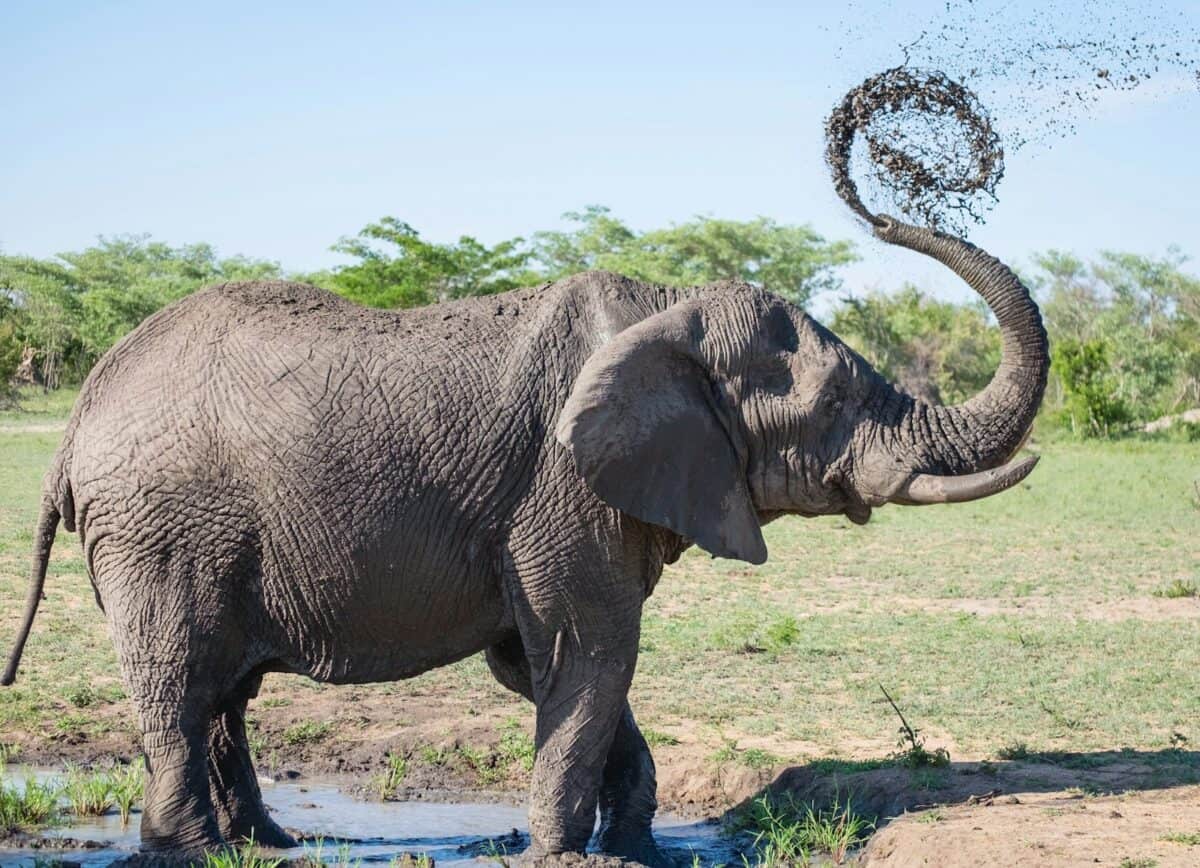
Elephants are widely regarded as one of the most intelligent animals on the planet. With their large brains and complex societal structures, they exhibit behaviors that suggest a deep sense of awareness and memory. Their intelligence is often compared to that of primates and cetaceans, and their ability to solve problems, use tools, and understand human language partially indicates the intricate workings of their minds.
Memory and Emotion in Elephants

One of the most striking features of elephants is their extraordinary memory. This ability is tied not just to their survival but also to their social interactions. Elephants are known to remember individuals, both elephants and humans, who have either aided or harmed them. This capacity for recall supports their engagement in complex social dynamics, including the holding of grudges.
Grudge-Holding Behavior

Elephants have been observed to hold grudges against those who have wronged them. This behavior is not only limited to other elephants but can extend to humans and even entire communities. Such conduct may remain manifest for years, underscoring a deep-rooted emotional response. This ability is rarely seen in the animal kingdom, making it a subject of both fascination and concern.
Notable Cases of Elephant Grudges

There have been several documented instances of elephants exhibiting grudge-holding behavior. In regions where elephants have encountered harm at the hands of humans, they have been known to retaliate against the community involved. Such reactions can be a direct attack or more subtle forms of aggression, like avoiding particular areas or altering migration patterns.
The Role of Trauma

Trauma plays a significant role in grudge-holding behavior among elephants. When elephants experience severe distress or injury due to external factors, such as human conflict or environmental stressors, it can lead to entrenched grudges. This trauma impacts their behavior long-term, highlighting the need for understanding and empathy in human-elephant interactions.
Social Hierarchy and Grudges

Within their social hierarchy, elephants exhibit complex relationships. Grudges can play a role in these dynamics, influencing everything from leadership disputes to mating rights. For elephants, maintaining social bonds requires navigating these grudges, which can significantly impact herd cohesion and hierarchy.
Communication and Expression
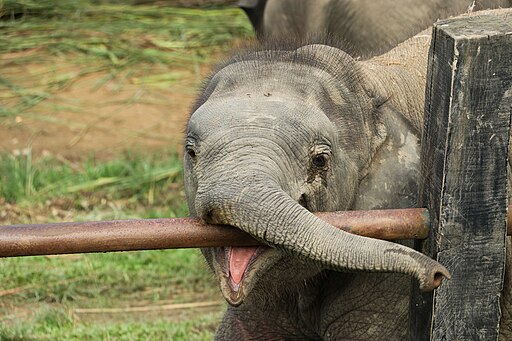
Elephants communicate through vocalizations, gestures, and even low-frequency rumbles detectable over vast distances. Their expressive nature aids in the conveyance of emotional states, including grievances. This communication capability is essential for expressing displeasure and fostering an understanding within the herd and across their territory.
Comparisons with Other Animals

While elephants are well-known for this behavior, they’re not the only animals capable of holding grudges. Other intelligent species, like certain primates and corvids, also showcase similar tendencies. Comparatively, elephants’ grudge-holding is more pronounced due to their long lifespan and tight-knit social structures.
Human Interactions and Their Impact

Human activity has a considerable impact on elephants, often resulting in negative encounters that lead to grudges. As urban expansion encroaches on natural habitats, conflicts become more frequent. Understanding and mitigating these interactions is crucial for peaceful coexistence.
Conservation Efforts

Conservationists are increasingly aware of the psychological and emotional needs of elephants. Protecting their environment and promoting responsible wildlife tourism are essential steps in reducing negative encounters and ensuring elephants’ well-being. Creating conservation policies that consider elephants’ emotional complexities is vital for effective management.
The Ethical Perspective
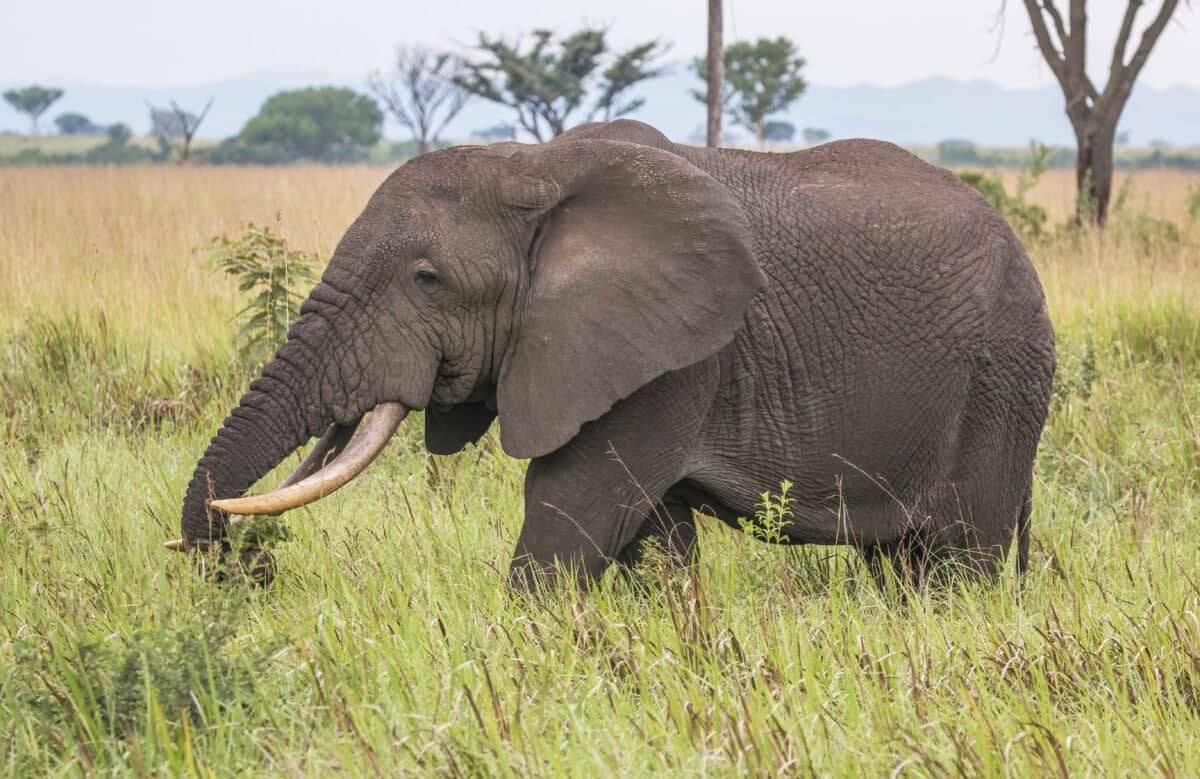
Understanding elephants as complex emotional beings raises important ethical questions regarding their treatment in captivity and the wild. Recognizing their capacity for holding grudges invites a more compassionate approach to their welfare, emphasizing the need for humane practices in conservation and tourism.
The Future of Human-Elephant Relations
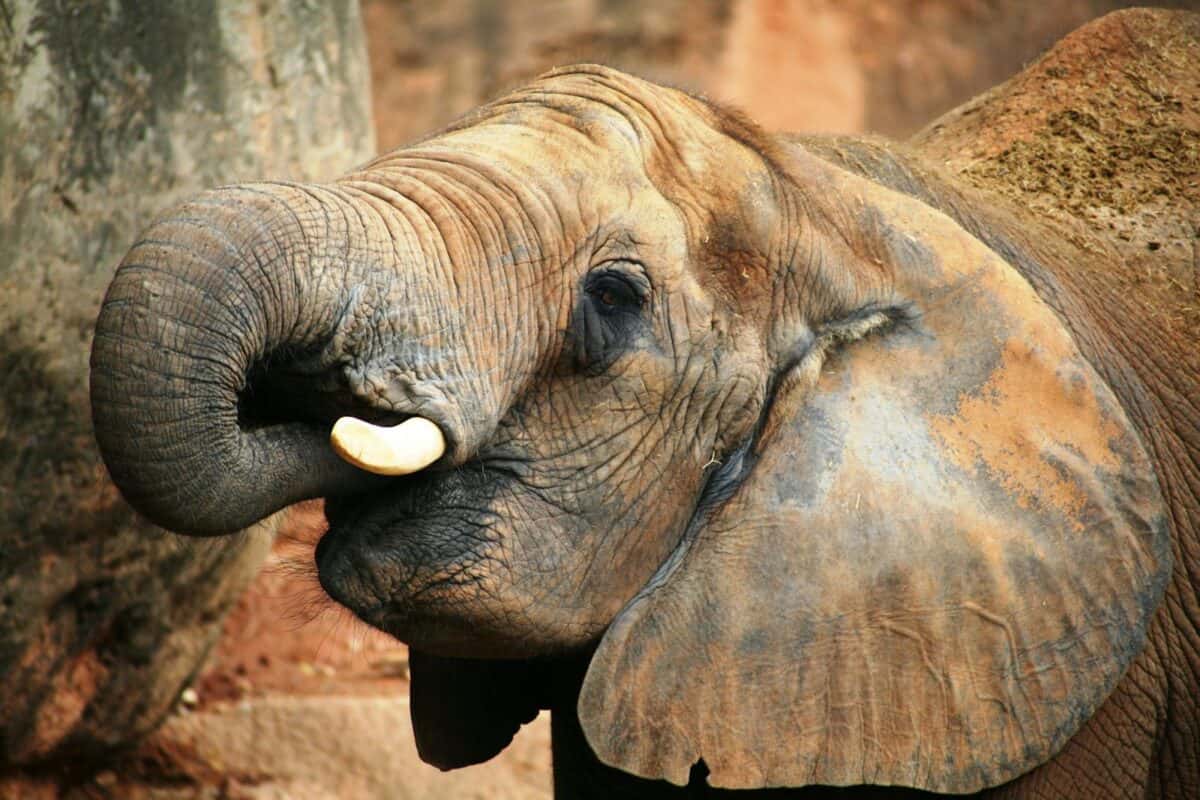
Moving forward, fostering positive interactions between humans and elephants is paramount. Education and awareness can help communities live harmoniously with these magnificent creatures, respecting their intelligence and emotional depth. Balancing conservation efforts with human needs will ensure the coexistence of both species in the shared environment.
In summary, elephants are remarkable animals with the unique ability to hold grudges for extended periods. This behavior stems from their extraordinary intelligence and deep emotional capacity. Understanding and respecting their social dynamics and individual experiences are crucial for fostering a future where humans and elephants can coexist peacefully. By appreciating their complexities, we can forge pathways toward better conservation efforts and empathetic interactions.

- 10 Venomous Animals in California — And 5 You Don’t Need to Fear - August 15, 2026
- Why Humpback Whales Sing in Accents - August 15, 2026
- What Would Happen If a Polar Bear Meets a Grizzly? - August 15, 2026