


Raccoons are known for their cleverness and adaptability, frequently surprising humans with their antics and intelligence. Recently, a curious phenomenon has caught the attention of residents and wildlife enthusiasts alike: raccoons allegedly opening car doors in a U.S. city. This intriguing behavior raises questions about raccoon intelligence, urban wildlife adaptation, and what measures, if any, humans should take in response.
The Incident: What Sparked the Curiosity?

Reports from this city have highlighted unusual occurrences where car doors seem to have been tampered with, and in some instances, items from within the vehicles were scattered or missing. Observers initially doubted wildlife involvement, attributing it to vandalism, but surveillance footage confirmed raccoons as the culprits. These unprecedented incidents captured the public’s imagination and elicited widespread interest and concern.
Understanding Raccoon Behavior
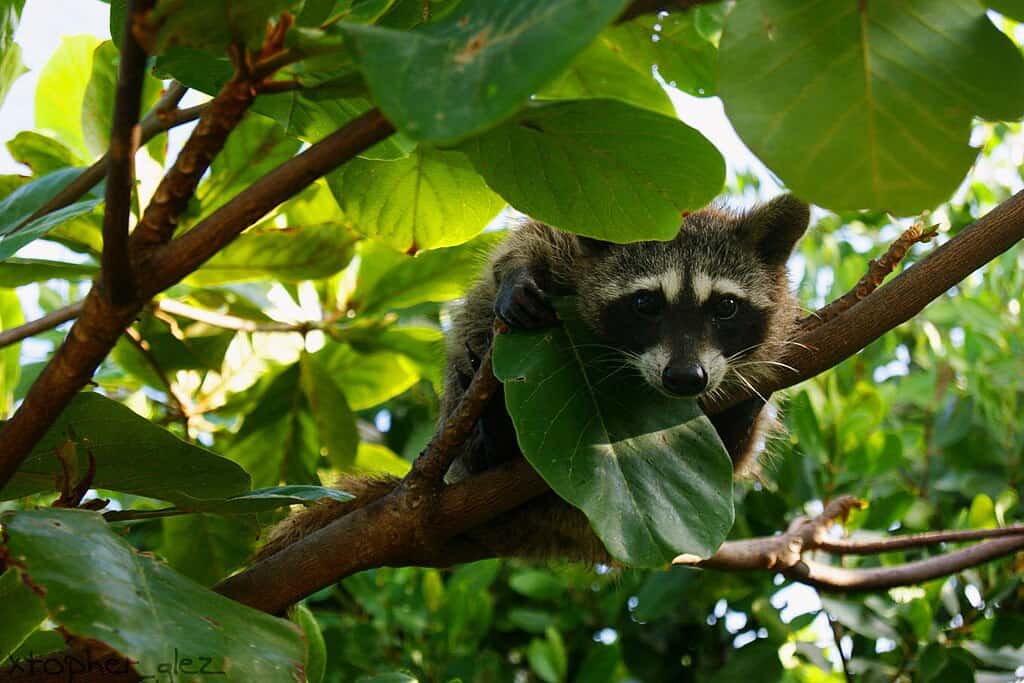
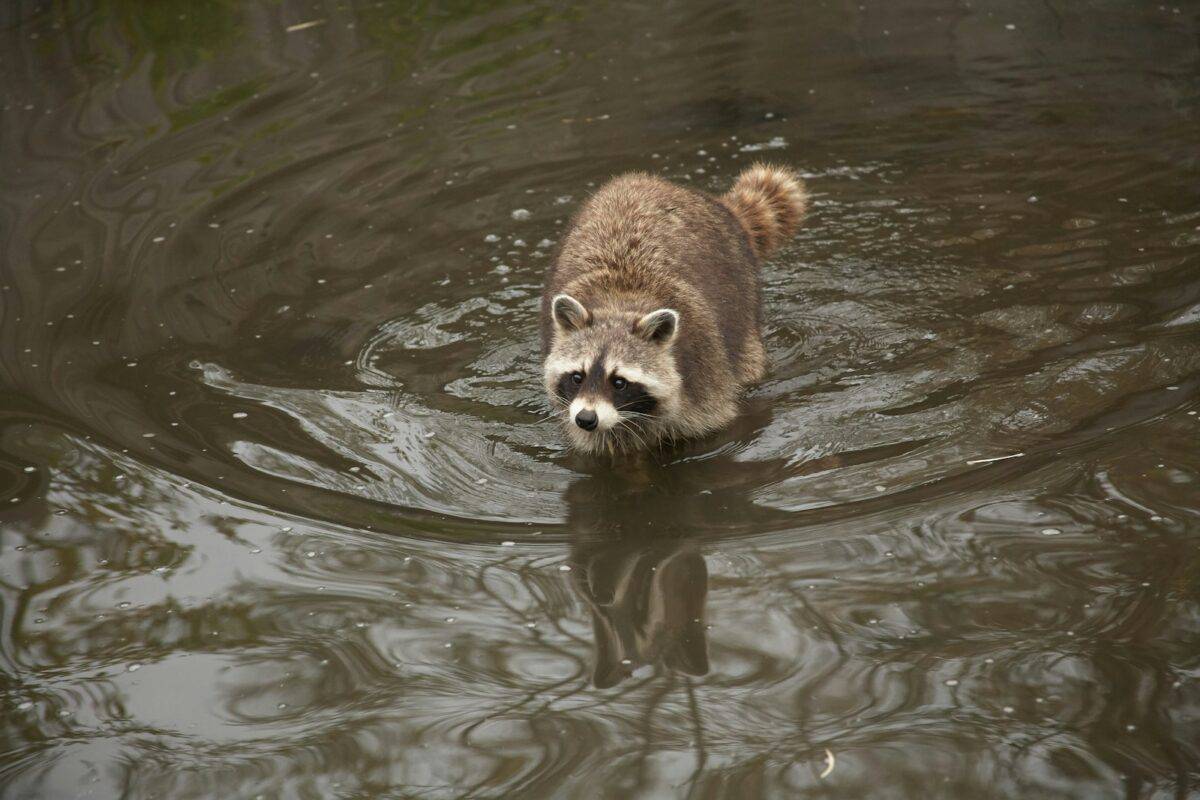
Raccoons (Procyon lotor) are nocturnal mammals with a penchant for exploration and problem-solving. Their dexterous front paws and keen intelligence allow them to manipulate various objects, leading to their reputation as nature’s burglars. Their adaptability to urban environments often brings them into contact with human habitats, where they seek out food and shelter.
What Makes Raccoons So Intelligent?

Numerous studies have demonstrated raccoons’ high levels of intelligence. These animals excel at memory tasks, often outperforming other animals in problem-solving challenges. Their ability to remember solutions to tasks up to three years later underpins their knack for adapting to urban settings. This intellect extends to opening jars, latches, and yes, possibly even car doors.
Why Are They Attracted to Cars?

Cars can be treasure troves for raccoons due to the potential for food and interesting scents within. For a raccoon, the peculiar smells emanating from a vehicle might signal edible treasures, thus drawing them in. Once a raccoon learns to open a door, vehicles become just another accessible resource in their environment.
Are All Car Doors at Risk?
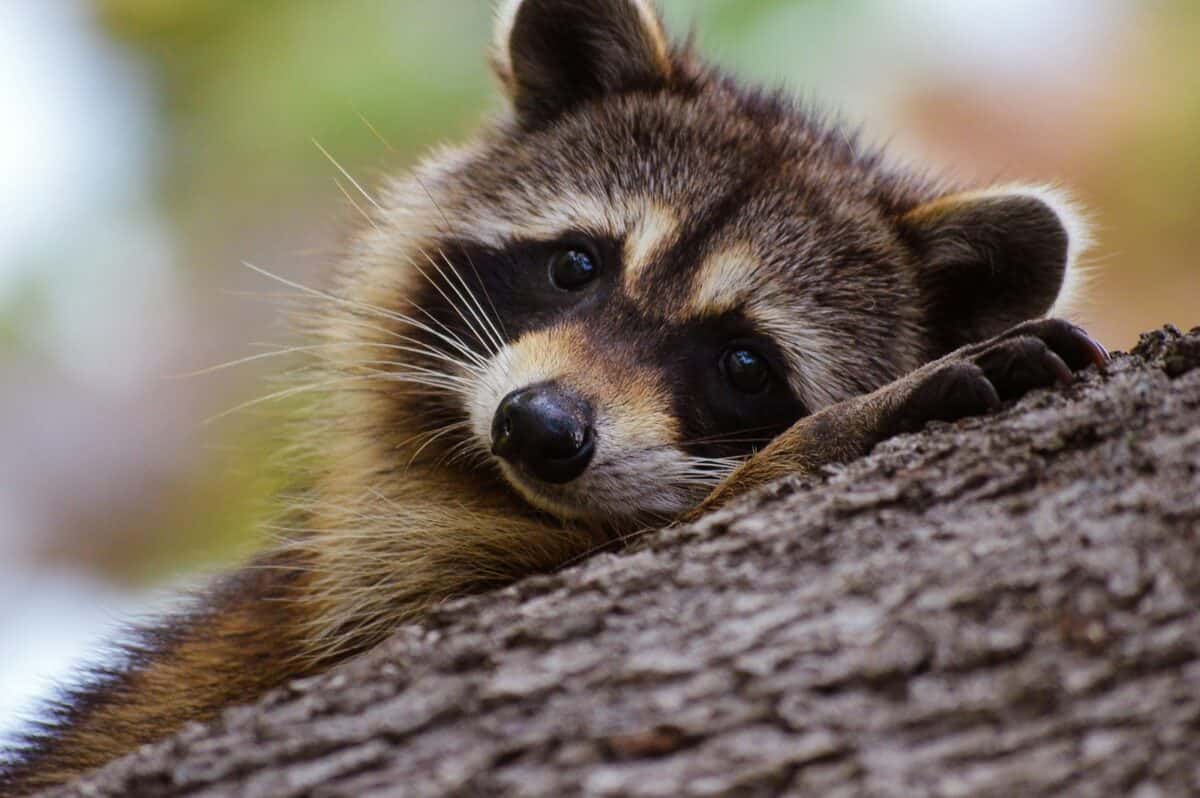
Not all car doors are vulnerable to raccoon exploration. Vehicles with more complex locking mechanisms may befuddle the creatures. However, those with traditional or simple handles are more likely to be targeted, especially if there’s precedent for successful access. Car owners with food residues or scents lingering in their vehicles also heighten the risk.
Have Such Incidents Happened Before?

This isn’t the first time wildlife has interacted innovatively with urban settings. Instances of raccoons and even other animals manipulating objects traditionally thought of as human-only are reported sporadically. Such occurrences illustrate the ongoing interaction between human environments and the wildlife that adapts to them.
The City’s Response to These Incidents
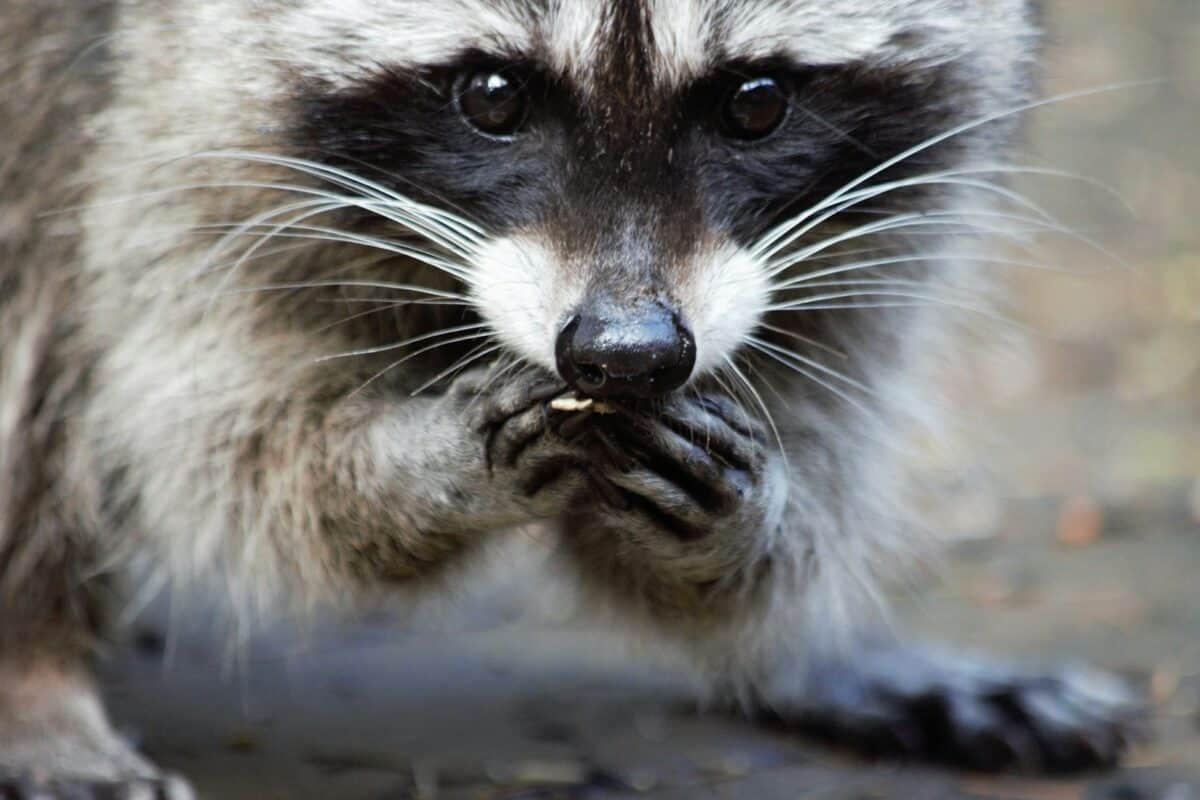
This particular city has seen varied responses to the raccoon car door phenomenon. Some residents have imposed stricter food storage and disposal practices, while others have called for increased wildlife education programs to prevent further incidents. Authorities are assessing these behaviors and advocating for measures that balance raccoon coexistence without compromising vehicle security.
Wildlife Experts’ Take on the Situation

Wildlife experts emphasize understanding and adapting to urban raccoon behavior, recommending educational initiatives to help residents safeguard their property. They advise minimizing food sources in and around vehicles and using more secure locking mechanisms where possible. Understanding raccoon behavior is critical for devising effective and humane deterrence strategies.
Simple Steps to Deter Raccoons from Vehicles

Residents can take practical steps to avoid unwanted raccoon interactions with their cars. Ensuring all food items and packaging are removed from vehicles is the primary deterrent. Additionally, using raccoon-proof bins for trash and investing in motion sensor lights or alarms near parked cars can help ward off these curious creatures.
The Role of Urban Planning in Wildlife Management
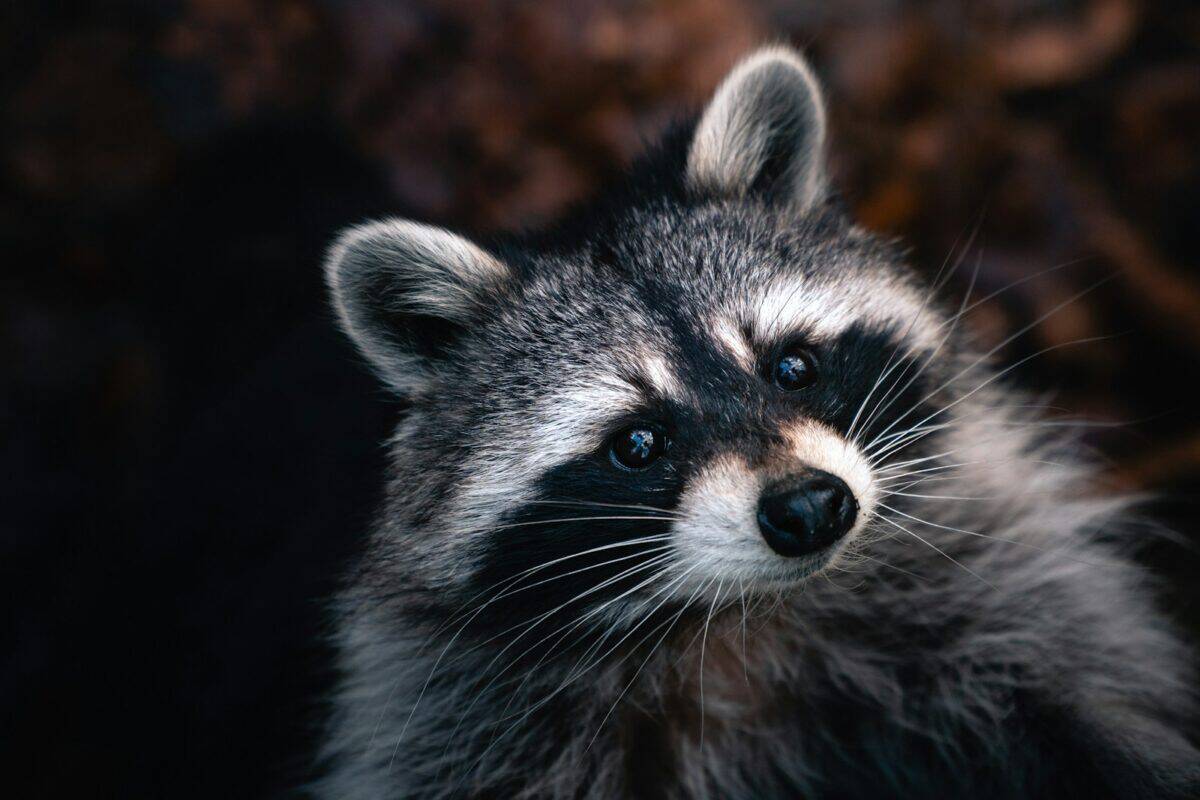
Urban spaces are continually evolving ecosystems where human and wildlife interactions are inevitable. City planners and wildlife experts must consider these interactions when designing urban areas, ensuring that wildlife management is integrated into urban planning to mitigate conflicts and foster coexistence.
Community Involvement and Education
Community involvement is essential in managing urban wildlife. Engagement initiatives, workshops, and learning sessions about co-inhabiting with raccoons and other wildlife help foster understanding and reduce misguided or fearful responses. Education arms citizens with the knowledge to live harmoniously alongside their wildlife counterparts.
The Bigger Picture: Coexisting with Wildlife

Raccoons opening car doors highlights broader themes of adaptability and coexistence between humans and wildlife. As human habitats expand, understanding and adapting to the presence of urban wildlife become integral to harmonious living. The key lies in balancing safety, conservation, and coexistence, ensuring raccoons and humans can share spaces without conflict.
While raccoons opening car doors might seem like an amusing act of dexterity, it underlines valuable lessons in urban wildlife management and adaptation. As cities grow and intersect more with natural habitats, understanding and planning for interaction with wildlife like raccoons remain paramount, reminding us of nature’s impressive adaptability.

From exploring the marine wonders in the Azores and witnessing the vast savannas of Kenya, to delving deep into the rich biodiversity of South Africa and traversing iconic landscapes in Australia and the US like Yellowstone, Chris's experiences are vast.
With a penchant for diving alongside sharks, the ocean holds a special place in his heart.
Through his academic insights, he champions wildlife conservation, striving with 'Animals Around The Globe' to cultivate a profound connection between humans and animals, enhancing our mutual appreciation.
Connect with him at Feedback@animalsaroundtheglobe.com.
- Saving Manatees in Florida’s Warming Waters - July 19, 2026
- 10 Intelligent Dog Breeds Born to Hunt - July 19, 2026
- The River Where Crocodiles and Hippos Battle for Dominance - July 19, 2026