


Throughout the centuries, black cats have been both adored and feared, beloved and misunderstood. In contemporary America, these mysterious felines continue to be shrouded in myths and superstition, despite being as lovable and charming as cats of any other hue. This article delves into the cultural, historical, and social factors that contribute to the ongoing misunderstanding of black cats in the United States.
Historical Roots of Fear and Superstition

To understand the current perception of black cats in America, it’s essential to look back at history. In medieval Europe, black cats were often associated with witchcraft and devilry. They were believed to be the familiars of witches, sent to carry out evil commands. These misconceptions were brought to America by European settlers, where they rooted themselves in the culture.
The Role of Folklore
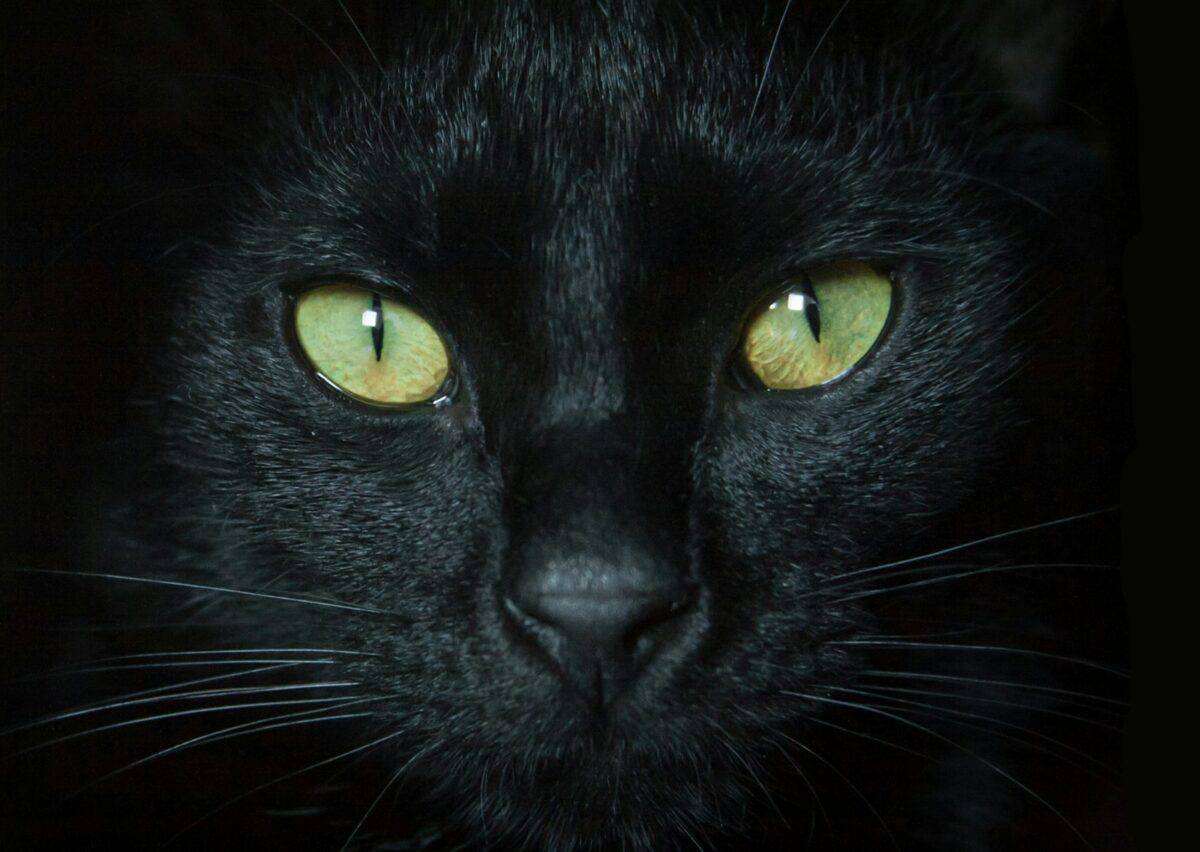
Folklore plays a significant role in shaping the image of black cats. Stories of black cats bringing either good or bad luck are prevalent in various cultures. In some tales, crossing paths with a black cat signifies impending misfortune, while in others, especially in parts of the United Kingdom and Japan, they are seen as symbols of prosperity and good luck.
Influence of Pop Culture

Pop culture has perpetuated the stereotype of the black cat as a harbinger of bad luck. From movies like “Hocus Pocus” to Halloween decorations that often feature ominous-looking black cats, the media reinforces negative connotations. These portrayals shape public perception and contribute to the misunderstanding of black cats.
Black Cats and Halloween
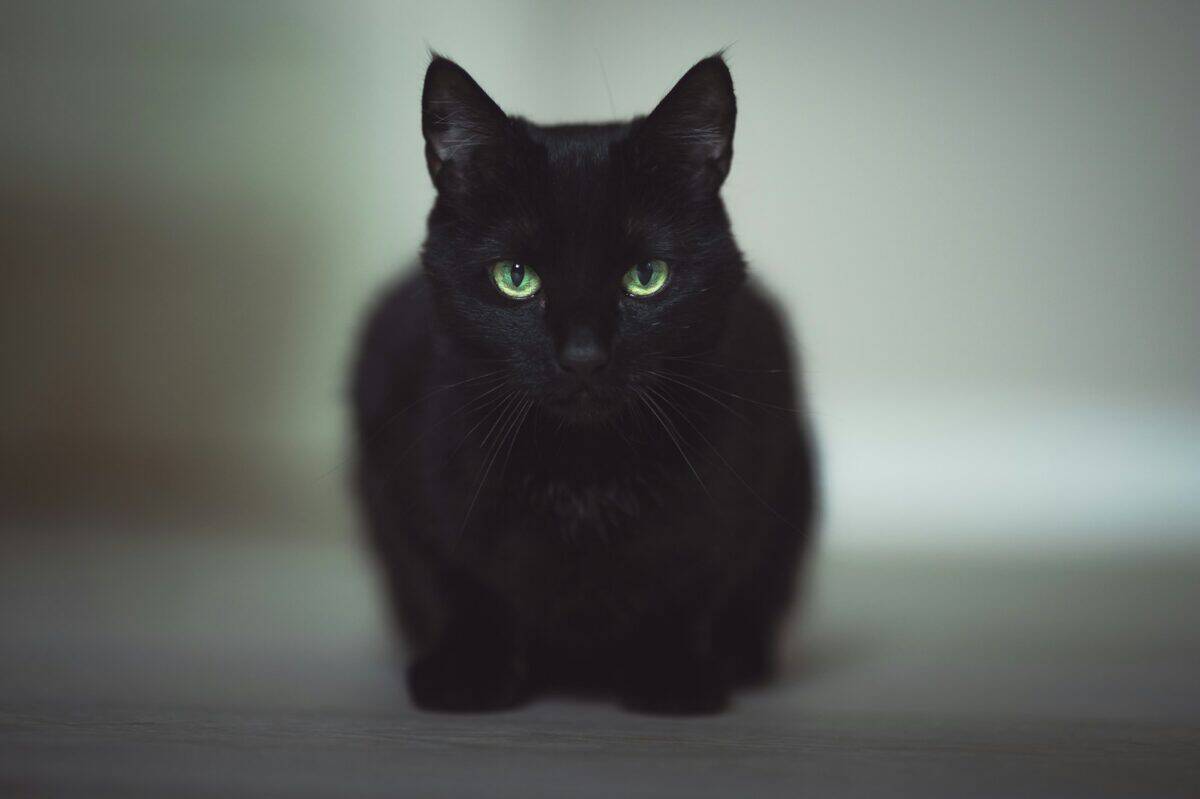
Halloween, with its dark and mysterious aura, frequently casts black cats in a spooky light. As decorations, they symbolize the eerie and the supernatural, which can make them seem foreboding. This association can lead people to misconstrue them as fearsome or sinister rather than affectionate and playful.
Differences in Adoption Rates

Unfortunately, the myths surrounding black cats contribute to lower adoption rates in shelters. Many prospective pet owners overlook black cats due to the pervasive belief that they bring bad luck. This bias means black cats are often the last to be adopted and the first to be euthanized, highlighting the real-world consequences of superstition.
The “Black Cat Syndrome”

The term “Black Cat Syndrome” refers to the phenomenon where black cats are adopted less frequently than their more colorful counterparts. Factors such as perceived notions of personality, superstition, and even difficulty in photographing them contribute to this syndrome, keeping them in shelters longer.
Breaking the Stereotype

Despite the stereotypes, many black cat owners vouch for the loving and unique personalities of their pets. These cats are as capable of providing companionship and affection as any other, and breaking the stereotypes begins with education and open-mindedness.
Scientific Perspective: Melanin
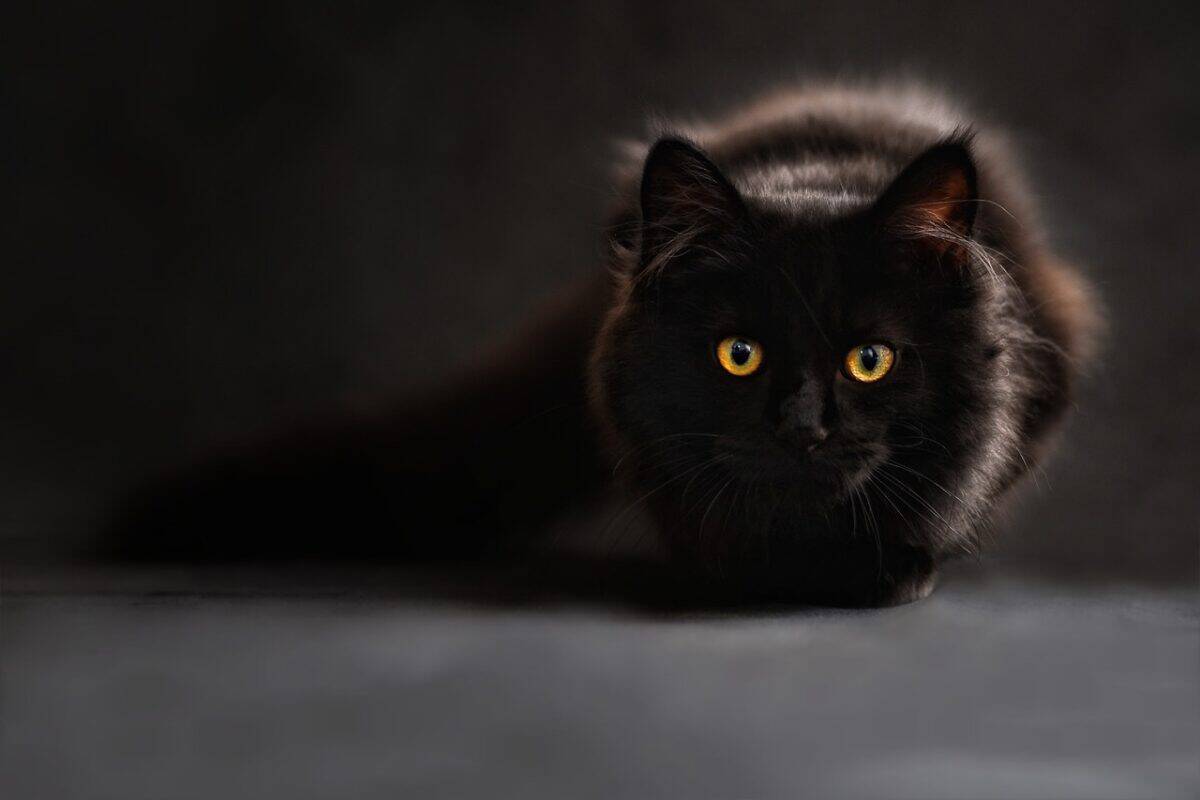
From a scientific view, a black cat’s dark coat is a product of genetics. The melanistic coat is due to the presence of the pigment eumelanin, influenced by a genetic variant. This trait is purely biological and bears no connection to temperament or any supernatural qualities.
Reversing Misunderstandings

Organizations and animal lovers are working hard to reverse the negative perceptions of black cats. Campaigns that emphasize their beauty, mysterious allure, and individuality are gaining traction. Social media has also become a powerful tool in showcasing their charm and dispelling myths through images and stories.
Celebrating Black Cat Appreciation Day

Black Cat Appreciation Day, celebrated on August 17th each year, aims to clear misconceptions and celebrate these wonderful animals. It’s an opportunity for pet lovers to share positive stories and advocate for black cats, educating the public and encouraging adoption.
Promoting Positive Superstitions
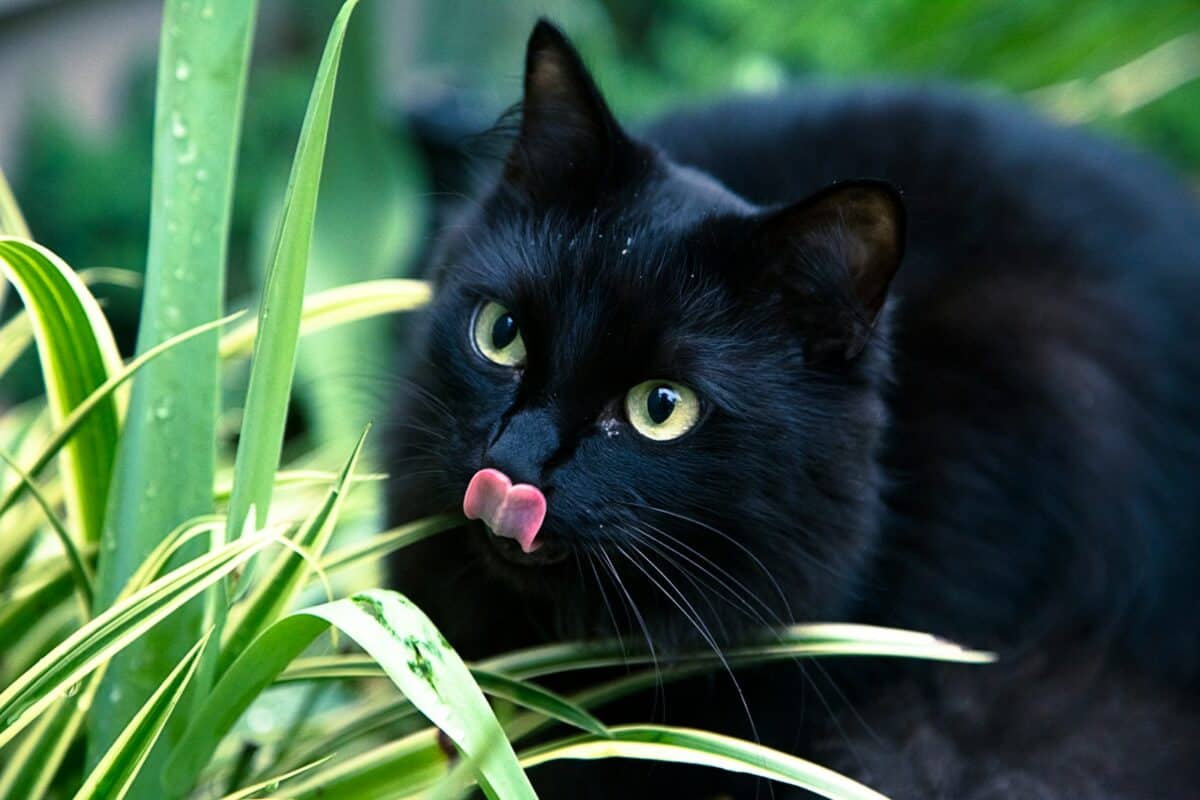
Transforming perceptions also involves promoting positive superstitions around black cats. Emphasizing beliefs that black cats bring good luck and prosperity can help shift the dialogue from a negative narrative to an affirmative one.
Conclusion: Embracing All Cats Equally
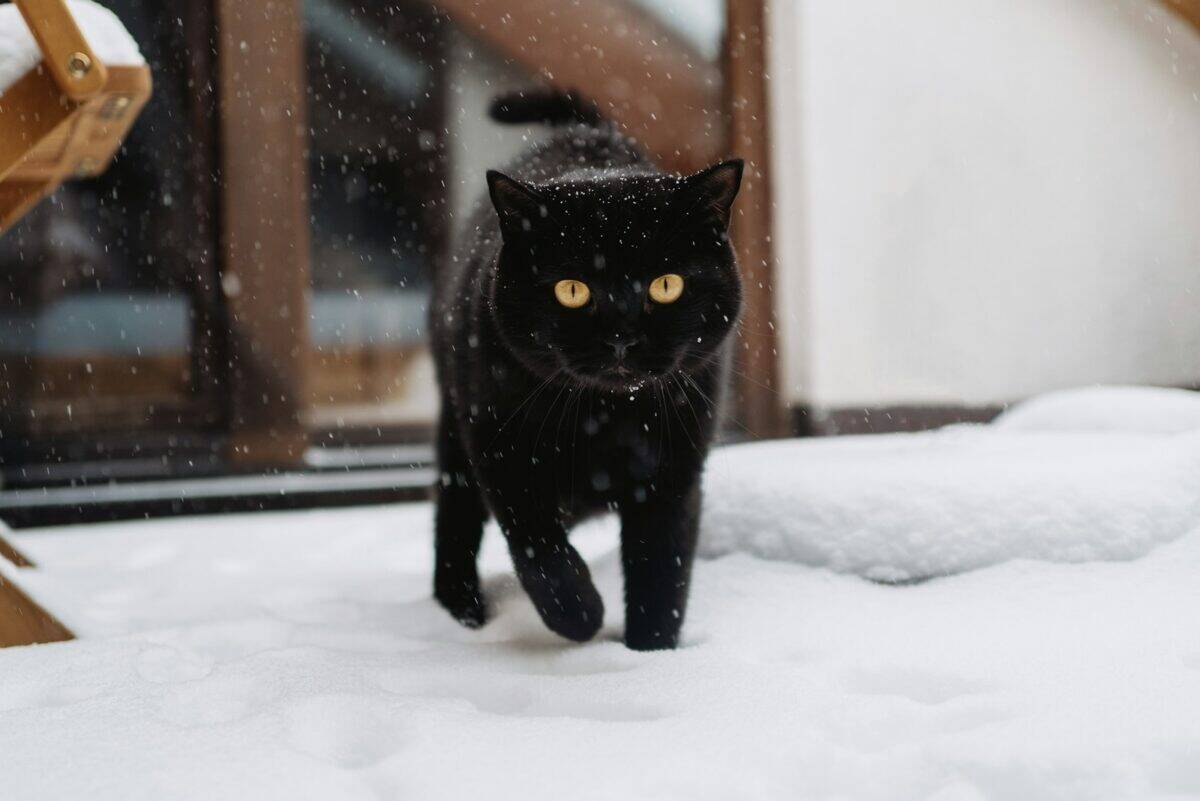
Ultimately, overcoming the misunderstanding of black cats in America requires a blend of education, empathy, and dispelling of old myths. By shifting the spotlight to their unique personalities and beautiful coats, the true nature of these charismatic creatures can shine through. As more people learn to appreciate black cats for who they are rather than what they have been rumored to be, we can ensure they receive the love and homes they deserve.

From exploring the marine wonders in the Azores and witnessing the vast savannas of Kenya, to delving deep into the rich biodiversity of South Africa and traversing iconic landscapes in Australia and the US like Yellowstone, Chris's experiences are vast.
With a penchant for diving alongside sharks, the ocean holds a special place in his heart.
Through his academic insights, he champions wildlife conservation, striving with 'Animals Around The Globe' to cultivate a profound connection between humans and animals, enhancing our mutual appreciation.
Connect with him at Feedback@animalsaroundtheglobe.com.
- Why Spiders Don’t Get Stuck in Their Own Webs - July 20, 2026
- What Scientists Found in a 10,000-Year-Old Beehive - July 20, 2026
- This Spider Builds Fake Decoys of Itself - July 20, 2026