


Elephants, often celebrated for their intelligence and emotional depth, have been observed exhibiting behaviors that indicate mourning and respect for their deceased. Understanding these behaviors is not only key to comprehending the depth of elephant society but also highlights the profound complexities of animal emotions. This article delves into the fascinating world of elephants and explores how they mourn the death of their companions in ways that researchers are only beginning to understand.
The Social Bonds of Elephants

Elephants are known for their complex social structures. They live in matriarchal societies, where females guide the herd and nurturing relationships form the backbone of their community. These intricate social bonds suggest a level of emotional depth that supports their mourning behavior. Elephants are capable of forming strong attachments, much like humans, enhancing the impact of loss within the group.
Historical Understanding of Elephant Mourning

For centuries, observers have noted elephants’ reactions to death. Early accounts describe elephants lingering around deceased family members and touching their bodies gently. These behaviors have been passed down through generations, indicating a cultural practice rather than an isolated incident. This historical perspective provides a foundation for understanding how elephants process death.
New Observations of Mourning Practices
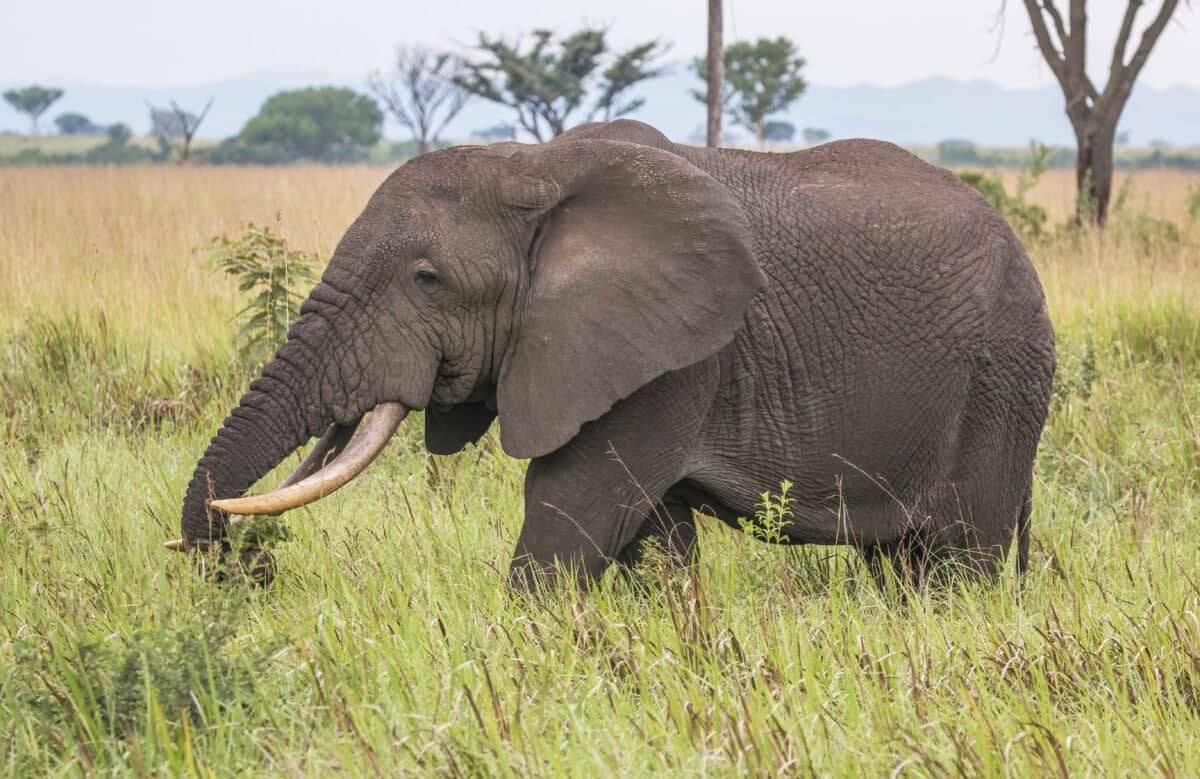
Recent studies have uncovered novel mourning behaviors among elephants. In addition to traditional practices such as standing vigil, elephants have been witnessed covering their dead with branches and leaves, reminiscent of a symbolic burial. This newfound practice could point to an evolving cultural aspect of dealing with death.
Audio Rituals: The Role of Vocalizations

Elephants communicate using a broad range of vocalizations, some of which are employed during mourning. Researchers have observed groups of elephants making specific low-frequency sounds when in the presence of the deceased. These unique vocalizations may serve to call out to the departed or express group mourning.
Tactile Mourning: Physical Touch and Interaction

Physical touch remains a cornerstone of elephant mourning. Herd members often caress the body of the deceased with their trunks, seemingly attempting to understand or even comfort themselves in the face of loss. This tactile interaction suggests an attempt to connect with the dead, reminiscent of human behaviors.
The Involvement of Calves and Younger Elephants

Calves are not exempt from these mourning rituals. Young elephants have been observed mimicking the behaviors of adults, illustrating not only the importance of social learning but also suggesting an innate propensity for mourning. This involvement helps the younger members of the herd understand and cope with the loss.
The Influence of Environment on Mourning

The environment plays a crucial role in shaping how elephants mourn. Elephants in captivity have been seen mourning their lost companions similarly to those in the wild, though the proximity to humans has occasionally influenced their rituals. In some cases, captive elephants have shown signs of stress and depression following a death in their group.
The Psychological Implications of Mourning

Mourning is an emotional experience that reflects the psychological complexity of elephants. These behaviors indicate that elephants are capable of processing grief, loss, and even elements of depression, suggesting a level of emotional intelligence that rivals that of many other mammals, including humans.
Parallels with Human Mourning Customs

Comparing elephant mourning to human mourning traditions reveals notable similarities. Both species engage in rituals that involve the body of the deceased, vocal expressions of grief, and a communal gathering of kin. These parallels underscore a fundamental connection across species, highlighting a shared understanding of death’s emotional impact.
Elephants as Cultural Beacons

Elephants’ mourning behaviors contribute to their status as cultural beacons. Their actions following a death indicate a cultural transmission of knowledge and practices that reflects a sophisticated societal structure, where mourning is an integral part of their collective experience.
The Role of Research in Supporting Elephant Conservation

Understanding mourning behaviors can aid in elephant conservation efforts. By recognizing the depth of emotion elephants experience, conservationists can advocate for policies that honor their social structures and prevent scenarios that might lead to emotional distress, ultimately promoting their well-being and survival.
Reevaluating Animal Emotions

Elephant mourning behaviors challenge preconceived notions about the emotional capacities of animals. As scientists continue to study and document these complex rituals, society is compelled to reevaluate the emotional lives of animals, reinforcing the need for empathy and ethical treatment across species.
Conclusion: The Profound Depth of Elephant Society

Elephants provide us with a remarkable window into the emotional depths and societal structures of non-human animals. Their evolving mourning behaviors reveal not only their capacity for grief but also their adaptability and cultural complexity. As we deepen our understanding of these majestic creatures, we are reminded of the intricate web of life that connects all organisms and the moral responsibility we hold to protect and cherish them. Our growing knowledge can foster a richer dialogue between humanity and the natural world, ensuring a future where elephants, with all their emotional and intellectual richness, can thrive.

From exploring the marine wonders in the Azores and witnessing the vast savannas of Kenya, to delving deep into the rich biodiversity of South Africa and traversing iconic landscapes in Australia and the US like Yellowstone, Chris's experiences are vast.
With a penchant for diving alongside sharks, the ocean holds a special place in his heart.
Through his academic insights, he champions wildlife conservation, striving with 'Animals Around The Globe' to cultivate a profound connection between humans and animals, enhancing our mutual appreciation.
Connect with him at Feedback@animalsaroundtheglobe.com.
- 10 Intelligent Dog Breeds Born to Hunt - July 19, 2026
- The River Where Crocodiles and Hippos Battle for Dominance - July 19, 2026
- The Largest Predator Ever Found in Freshwater - July 19, 2026