


In an astounding discovery that excites both paleontologists and history enthusiasts, researchers have uncovered what is believed to be the largest known animal graveyard in the western United States. This monumental finding provides a rare glimpse into the continent’s prehistoric past, offering invaluable insights into the creatures that roamed North America millions of years ago. As excavations continue, the site is revealing secrets that could reshape our understanding of the ancient world.
Discovery Background
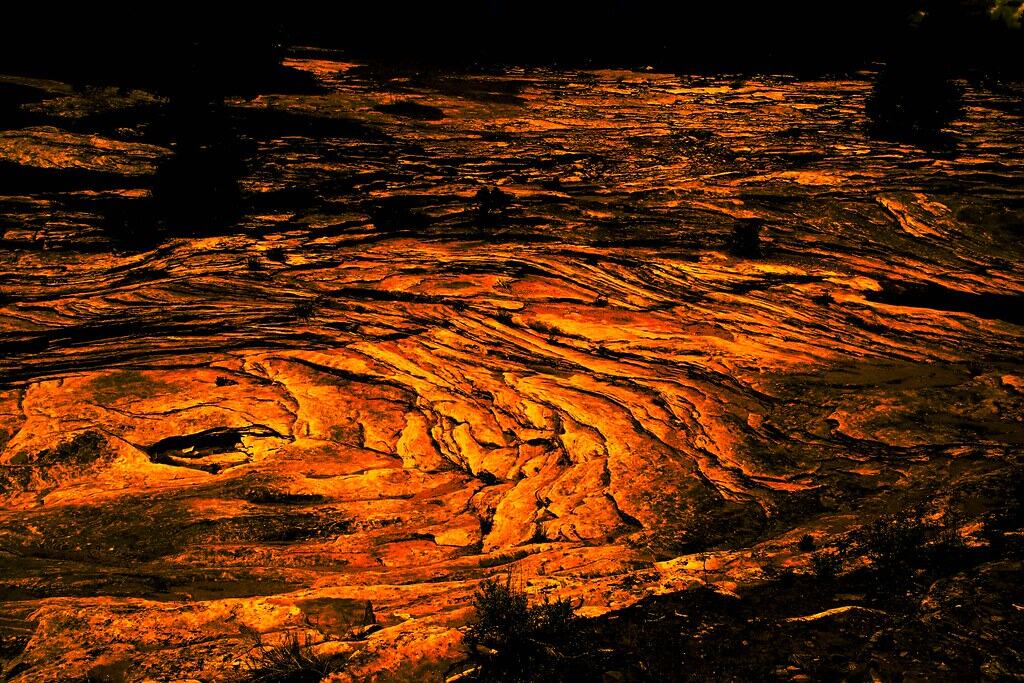
The remarkable site, located in the western U.S., was stumbled upon by a team of dedicated paleontologists while exploring regional sediment layers. The initial excavation revealed a dense concentration of fossilized remains, signaling a mass graveyard of prehistoric proportions. Excitement grew as the scale of the find became apparent, with skeletal remains of various species emerging from the bedrock.
Why This Discovery is Significant

This graveyard is not merely a collection of bones; it represents an ecological snapshot from a period shrouded in mystery. The diversity and density of fossils provide a unique opportunity to study the interactions between multiple species and their environment. The site is poised to reveal new data on extinction events, climate change, and evolution.
The Timing of the Graveyard
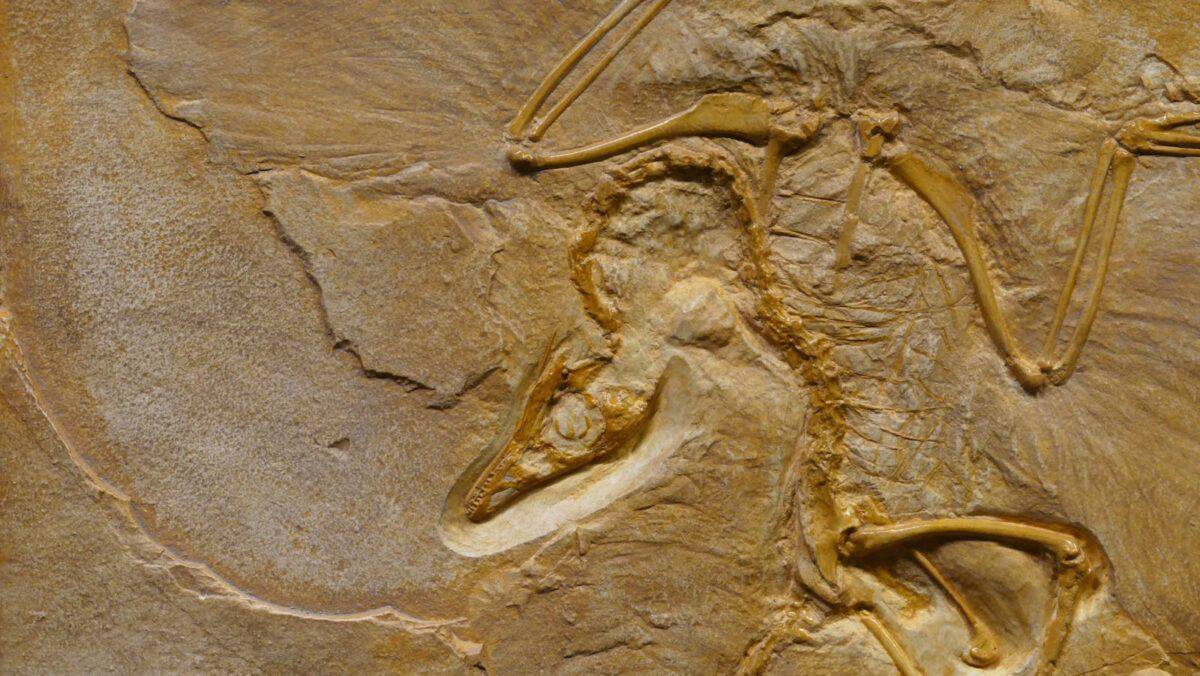
The fossils date to a time when the Earth was undergoing significant climatic changes. This period, often referred to as a critical moment in prehistoric times, may have witnessed dramatic environmental shifts. Understanding the timing of the graveyard can shed light on how these ancient animals adapted or succumbed to such pressures.
Diversity of Species Found
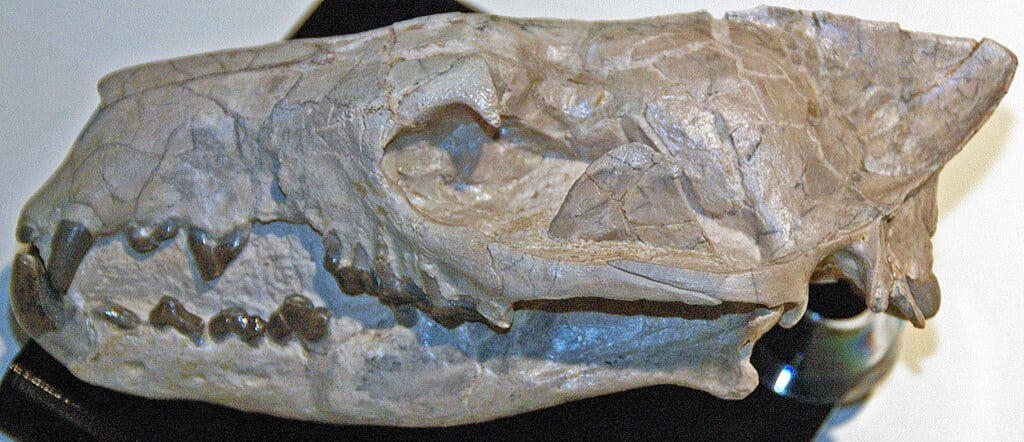
One of the most fascinating aspects of this discovery is the diversity of species found within the site. From formidable predators to gentle herbivores, the graveyard paints a comprehensive picture of a bygone ecosystem teeming with life. Each species uncovered adds a new page to the Earth’s evolutionary ledger.
Dominant Predator Remains

Excavation teams have uncovered evidence of top predators that once ruled these ancient lands. Fossils of large carnivorous dinosaurs show adaptations that helped them thrive in their ecosystems. These remains provide context about the food chain and predator-prey dynamics of the era.
Herbivores in Abundance

Equally compelling are the numerous fossils of herbivorous species, which reveal details about their dietary habits and social structures. These creatures, often forming large herds, played a critical role in the ecological balance, creating an abundant source of food for predators.
Evolutionary Insights

The site offers unparalleled opportunities to study evolutionary shifts within species. Fossils exhibiting transitional adaptations provide evidence of how these animals evolved in response to environmental challenges, offering scientists clues about the mechanics of natural selection.
Climate and Environmental Clues

In addition to the bones, the surrounding sediments are offering climate clues through their mineral composition and stratification. These environmental markers help reconstruct the ancient climatic conditions, informing theories about past climate events and their impact on living organisms.
Collaboration With Indigenous Knowledge

Collaboration with Indigenous communities, who have lived on these lands for centuries, brings an invaluable perspective to the project. Traditional knowledge may correlate with the scientific findings, enriching the narrative of the area’s historical significance and natural history.
Technological Innovations in Excavation

Modern technology is revolutionizing the excavation process, with advanced imaging techniques and tools enabling researchers to restore and study fragile fossils with unprecedented precision. These innovations are unlocking new possibilities for analyzing and preserving ancient remains.
The Future Potential of the Site

As excavations continue, the potential for further discoveries seems boundless. The site is expected to keep yielding data for years to come, promising to provide continuous insights as new methods of analysis are developed. The findings have the potential to influence not only paleontology but also related fields like geology and climate science.
Conclusion: A Window Into the Past

The discovery of the largest known animal graveyard in the western U.S. does more than highlight a significant paleontological site; it opens a window into the ancient world. With each fossil and sedimentary layer unearthed, we gain a deeper understanding of the Earth’s prehistoric past and the fascinating creatures that once inhabited it. As scientists piece together the mysteries of this monumental find, the knowledge acquired will enrich our understanding of planet Earth’s dynamic history.

From exploring the marine wonders in the Azores and witnessing the vast savannas of Kenya, to delving deep into the rich biodiversity of South Africa and traversing iconic landscapes in Australia and the US like Yellowstone, Chris's experiences are vast.
With a penchant for diving alongside sharks, the ocean holds a special place in his heart.
Through his academic insights, he champions wildlife conservation, striving with 'Animals Around The Globe' to cultivate a profound connection between humans and animals, enhancing our mutual appreciation.
Connect with him at Feedback@animalsaroundtheglobe.com.
- The Sacred Goose of Ancient Rome: Protector of the Capitol - July 21, 2026
- Top 10 Animal Encounters in Europe - July 21, 2026
- The Lizard That Shoots Blood From Its Eyes - July 21, 2026