


Interbreeding between coyotes and wolves has long intrigued scientists and naturalists alike. The offspring resulting from such unions are fascinating creatures, often referred to as coywolves. As these two closely related species interbreed, they produce hybrids that offer a unique window into the dynamics of evolution, adaptation, and ecological shifts. This article delves into the intriguing phenomenon of coyote and wolf interbreeding, exploring the biological, ecological, and evolutionary implications of these hybrid animals.
The Genetic Close Relations of Coyotes and Wolves

Coyotes (Canis latrans) and wolves (Canis lupus) share a close genetic relationship, both belonging to the Canidae family. Despite distinct species classifications, their genetic compatibility permits interbreeding. This genetic closeness is a crucial factor, enabling the creation of hybrid offspring, commonly referred to as coywolves or eastern coyotes due to their prevalence in some North American regions.
The Occurrence of Hybridization in Nature

Hybridization between coyotes and wolves predominantly occurs in regions where their habitats overlap. Such instances have been notably documented in parts of the northeastern United States and southeastern Canada. The natural blending of habitats and resultant interbreeding offer significant insight into the adaptability and evolution of canid species within overlapping environmental niches.
Characteristics of Coywolf Hybrids

Coywolf hybrids often combine physical and behavioral traits from both parent species. Typically, these hybrids inherit a size that falls between those of coyotes and wolves. Their coat coloration, body structure, and facial features commonly reflect a mix of both parental influences. Behaviorally, coywolves can exhibit a blend of the wolf’s social tendencies and the coyote’s adaptability and resourcefulness.
The Role of Hybrid Vigor

One significant aspect of coyote-wolf hybrids is hybrid vigor, or heterosis, which can bestow them with advantageous traits. These traits may include increased adaptability, resilience, and in some cases, superior reproductive success. The genetic diversity introduced through interbreeding can contribute to robustness against environmental challenges, such as changing landscapes and climatic conditions.
The Ecological Impact of Coywolves

Coywolf hybrids can influence the ecosystems they inhabit by modifying predator-prey dynamics. Their unique adaptations allow them to exploit various ecological niches, often filling roles that control prey populations and maintain ecological balance. Researchers continue to study the ecological footprints of coywolves to better understand their impact on biodiversity and ecosystem stability.
The Challenges and Controversies of Hybridization
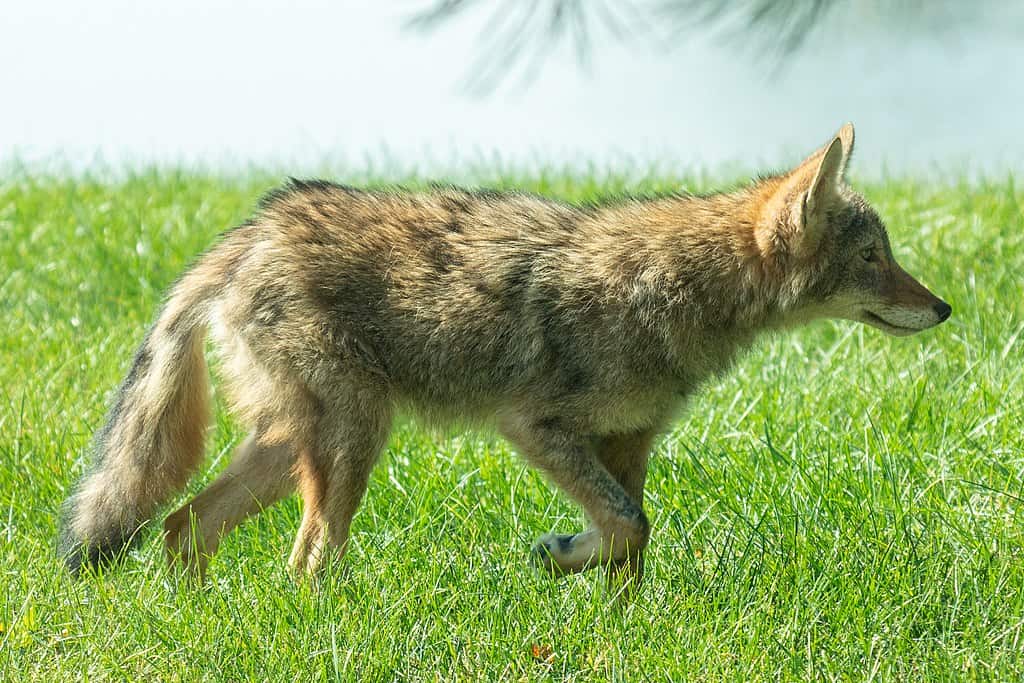
While interesting from an evolutionary standpoint, hybridization between coyotes and wolves can present ecological challenges. Some conservationists express concern over genetic dilution, where the introduction of hybrids may compromise the genetic purity of local wolf populations. Conversely, others argue that hybrids play an essential role in the ecosystem’s natural evolution and adaptation.
The Adaptations and Survival Strategies of Coywolves

Like their parent species, coywolves exhibit remarkable adaptability to diverse habitats, ranging from rural to urban areas. This adaptability allows them to thrive in environments where either parent species might struggle. Coywolves display a combination of hunting strategies derived from both coyotes’ cunning and wolves’ pack cooperation, enhancing their survival prospects.
Influence on Conservation Efforts

Conservation strategies are often impacted by the presence of coywolves. Recognizing the ecological significance of hybrids, some conservation efforts focus on promoting coexistence rather than attempting to eradicate these hybrids. Researchers strive to define appropriate conservation methodologies that consider the dynamic nature of canid populations and their hybrids.
The Future Evolutionary Trajectory of Coywolves
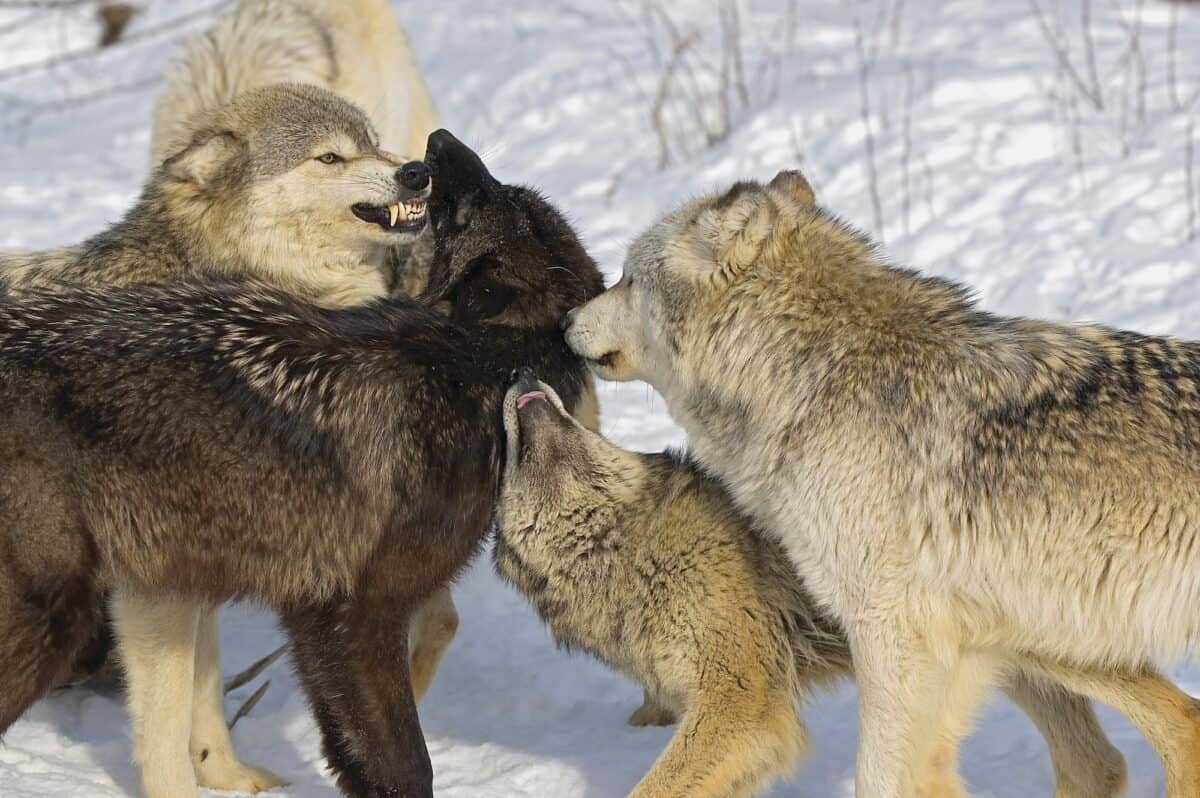
The future evolution of coywolf populations remains a compelling area of study. As environments and ecosystems continue to transform under human influence and climate change, these hybrids may further adapt, prompting scientists to monitor changes in their genetic and phenotypic traits over generations. Understanding their evolutionary trajectory could offer valuable lessons in species adaptation.
The Intersection of Human-Wildlife Dynamics

Human expansion into natural habitats has facilitated increased interactions between coyotes, wolves, and humans themselves. This intersection presents challenges and questions concerning coexistence, wildlife management, and public perception of hybrids like coywolves. Educating communities about these hybrids promotes informed discussions on how humans can coexist peacefully with evolving canid populations.
The Role of Citizen Science in Studying Hybrids

Citizen science initiatives have contributed significantly to understanding the prevalence and distribution of coywolf hybrids. Engaging the public in wildlife observation and data collection amplifies the reach and impact of scientific research. Citizen participation enriches the data pool and enhances overall awareness of the ecological and genetic phenomena influencing hybrid species.
Coywolves as a Case Study in Evolution

The existence of coywolf hybrids offers a real-world case study on the mechanisms of evolution, adaptation, and species survival. These hybrids provide insights into nature’s ability to adapt and thrive amidst changing environments and ecological pressures. By continuing to explore the complexities of these hybrids, scientists and conservationists better understand the broader implications for biodiversity conservation and ecosystem management.
Conclusion: Embracing Nature’s Evolution

Interbreeding between coyotes and wolves serves as a testament to the dynamism of nature’s evolutionary processes. Coywolves, as hybrid offspring, embody the adaptability and resilience inherent in canid species. While posing certain conservation challenges, they also highlight the richness and complexity of ecosystems as they respond to changing environments. Understanding and appreciating these hybrids foster greater ecological awareness and a more holistic approach to wildlife conservation.

From exploring the marine wonders in the Azores and witnessing the vast savannas of Kenya, to delving deep into the rich biodiversity of South Africa and traversing iconic landscapes in Australia and the US like Yellowstone, Chris's experiences are vast.
With a penchant for diving alongside sharks, the ocean holds a special place in his heart.
Through his academic insights, he champions wildlife conservation, striving with 'Animals Around The Globe' to cultivate a profound connection between humans and animals, enhancing our mutual appreciation.
Connect with him at Feedback@animalsaroundtheglobe.com.
- Why the Sahara Desert Is the Best Place to Spot Fennec Foxes - August 2, 2026
- The Most Towering Sand Dune Ever Found in America - August 2, 2026
- Togo vs. Balto: Who Was the Real Hero of the 1925 Serum Run? - August 1, 2026