

From the dusty desert landscapes to the towering red rock formations, Arizona’s terrain is renowned for its dramatic beauty. Yet beneath its arid surface lies an ancient story of water, life, and transformation—a story being uncovered piece by piece by dedicated scientists. Recent discoveries point to an astonishing revelation: Arizona was once the site of a vast prehistoric ocean. This finding adds a fascinating chapter to Earth’s geological history, offering glimpses into the ever-changing nature of our planet.
Tracing Arizona’s Geological Transformation
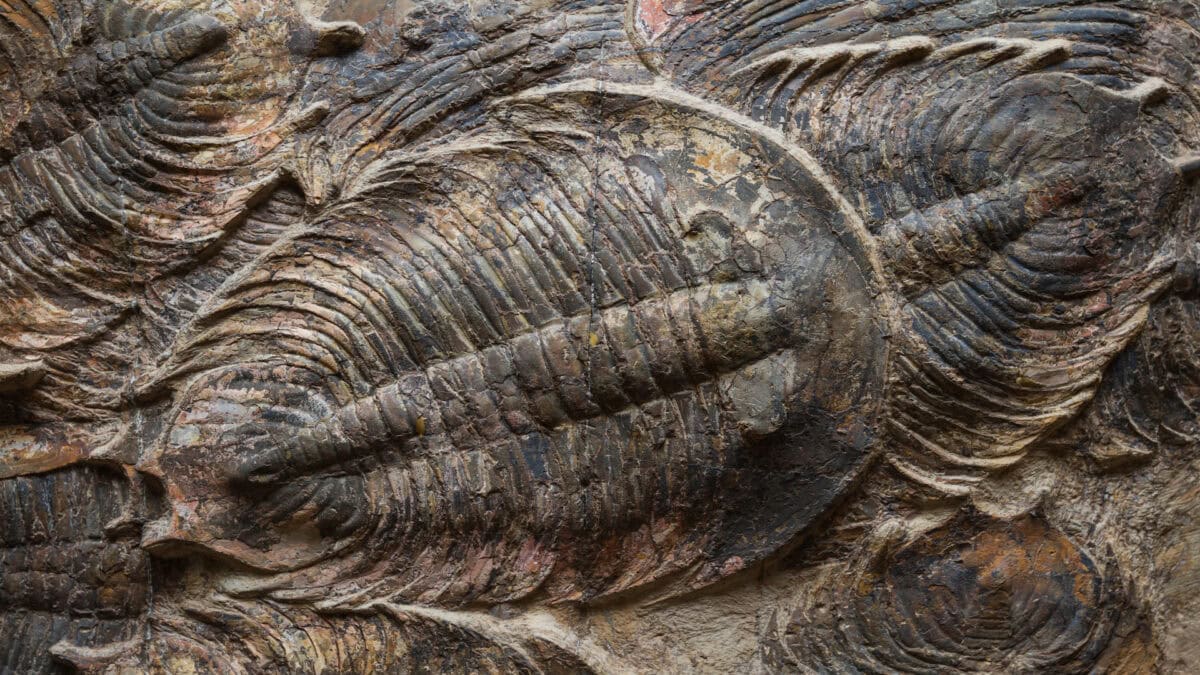
Millions of years ago, during the Paleozoic Era, the area we now know as Arizona was not characterized by today’s dry, desert climate. Instead, it was submerged under a shallow, warm sea. This period, known as the Devonian, was a time of prolific marine life, contributing to vast deposits of limestone and shale that scientists are now beginning to decode.
Evidence Preserved in Rock Layers

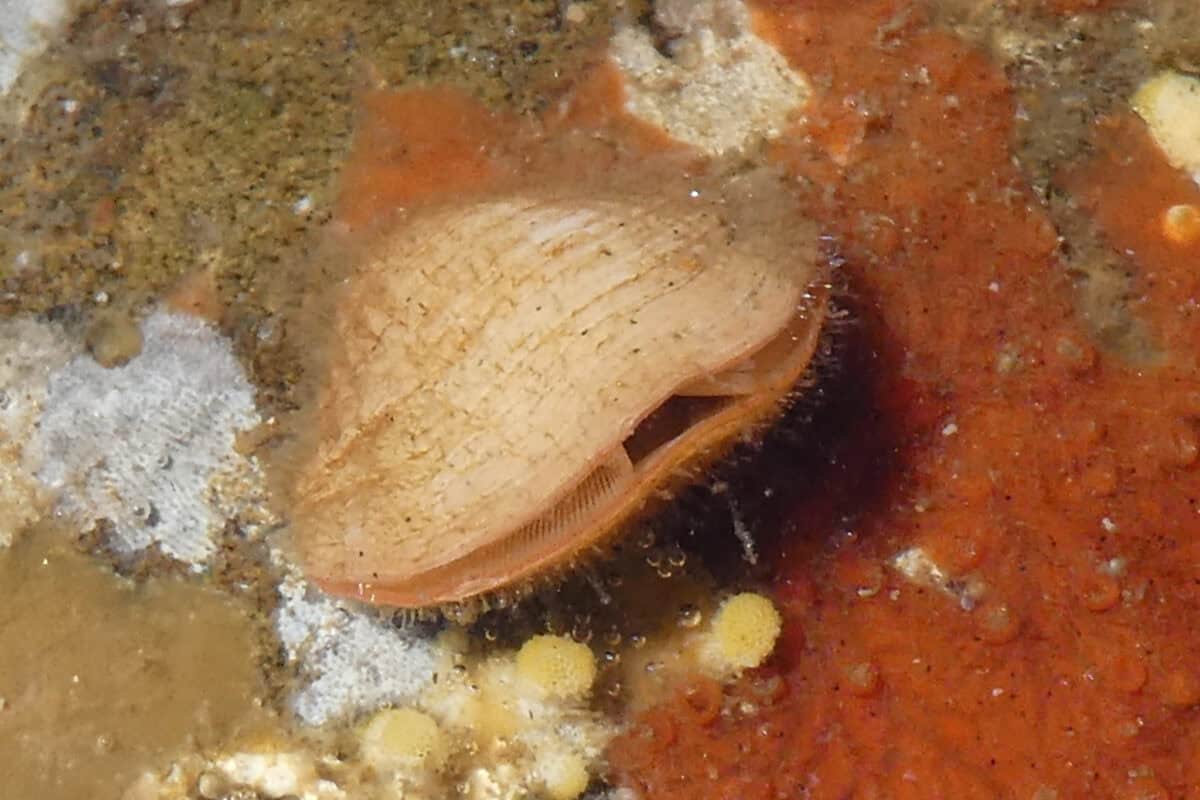
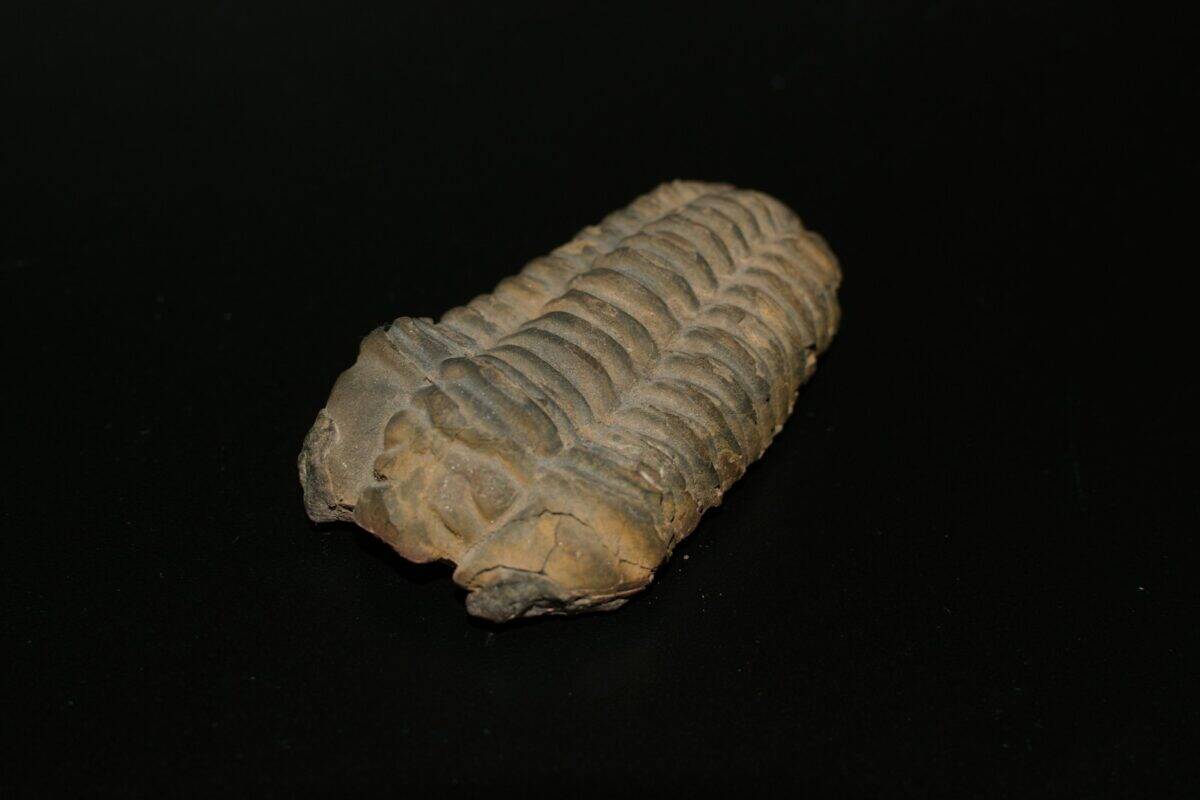
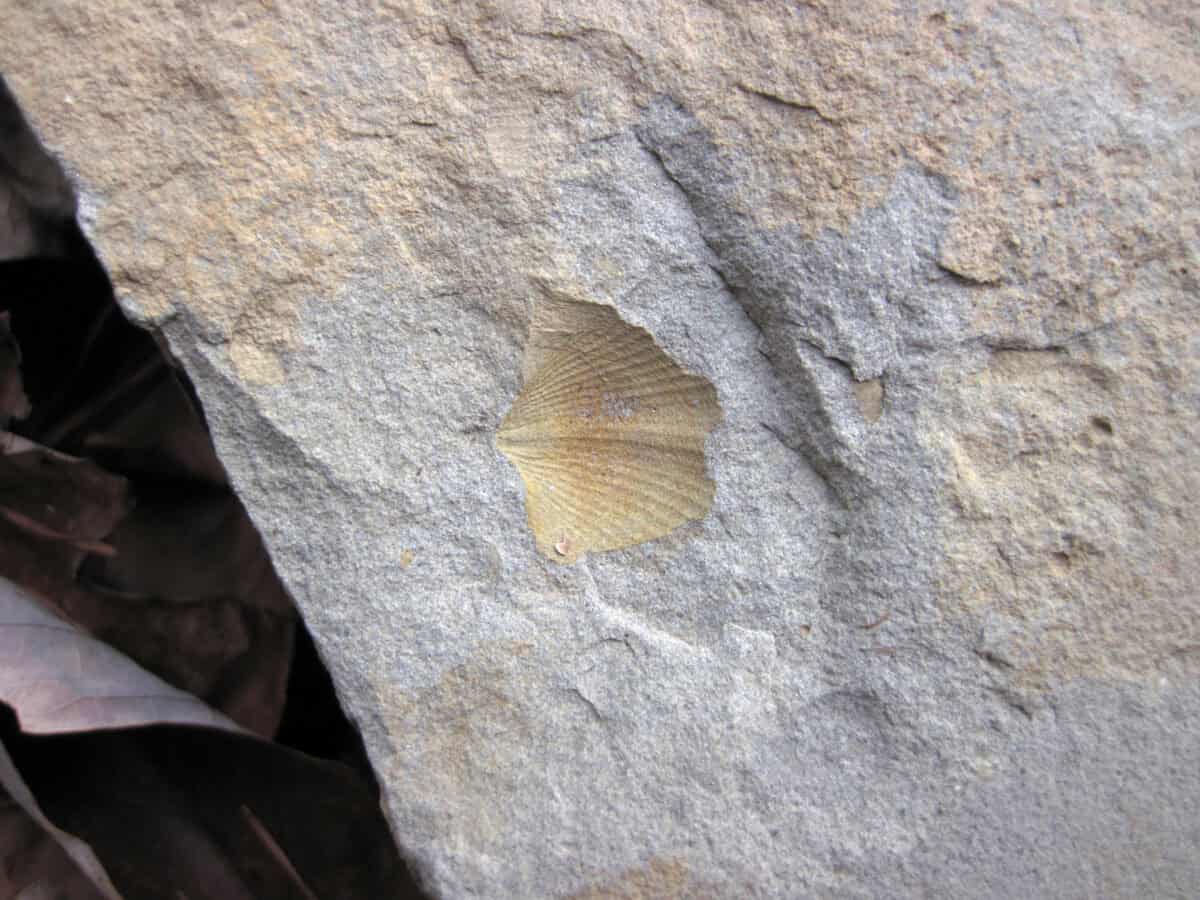
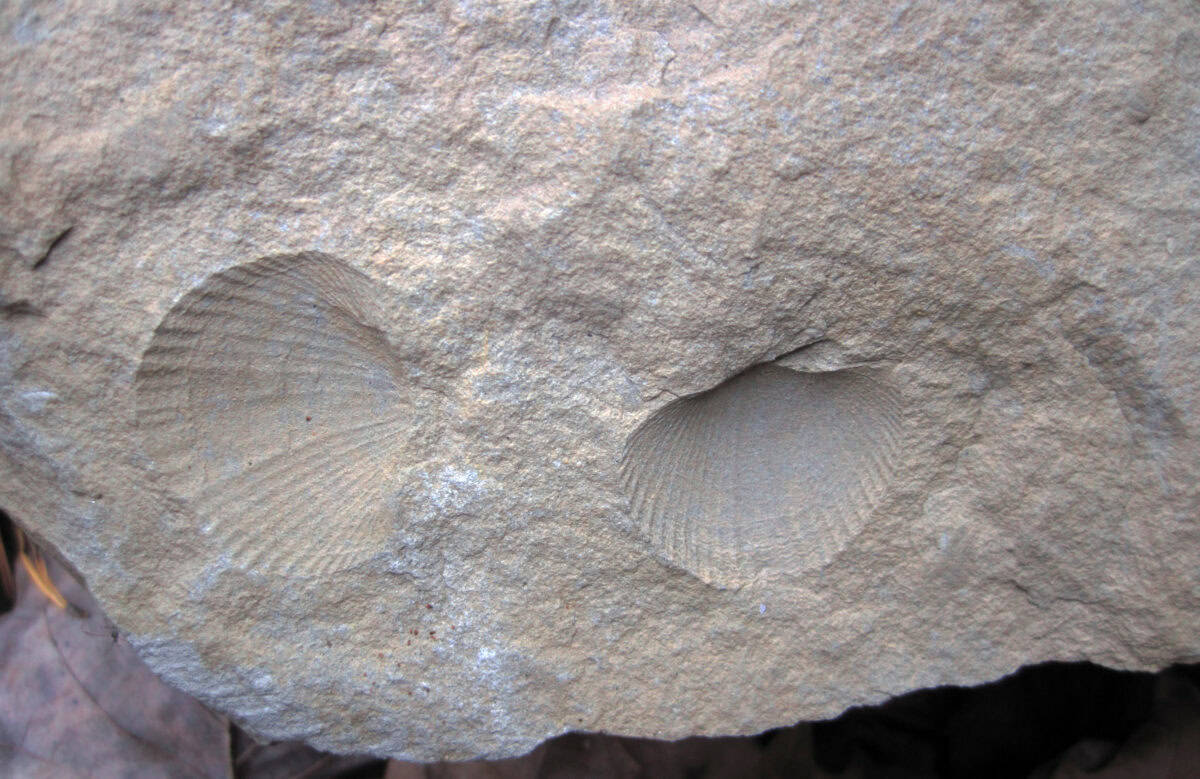
The evidence for this prehistoric ocean is primarily embedded in Arizona’s sedimentary rocks. These layers, laden with marine fossils, serve as a geological record of ancient life forms, including trilobites, brachiopods, and other marine fauna that thrived during this era. Exploring these layers reveals the gradual processes of sedimentation that occurred over millions of years as marine organisms accumulated, died, and left their mark on the region’s evolving landscape.
The Role of Fossils in Understanding Ancient Ecosystems

Fossils preserved in Arizona’s sedimentary deposits provide critical insights into the past ecosystems. These biological remnants allow scientists to reconstruct the biodiversity and climatic conditions of the prehistoric ocean environment. A rich tapestry of life, these fossils help to illustrate the forms, diets, and ecologies of ancient marine organisms.
The Importance of the Grand Canyon in Geological Research

The Grand Canyon plays a pivotal role in unraveling this watery past. Its exposed layers serve as a natural record of Earth’s history, offering a cross-section through time. The cliffs reveal distinct layers of sediment that were deposited when the region was underwater. These features not only confirm the existence of an ancient ocean but also provide invaluable data on the environmental changes that have occurred over eons.
Geological Processes That Shaped Arizona
The transformation from an oceanic environment to the desert landscape we see today is the result of complex geological processes. Tectonic shifts, volcanic activity, and erosion over millions of years have sculpted Arizona from its watery beginnings into its current form. As tectonic plates shifted, landmasses emerged, altering ocean currents and climates, which eventually led to the vibrant desert landscapes rich with biodiversity.
Unraveling the Paleozoic Marine Landscape

Arizona’s prehistoric ocean was not just a body of water teeming with life; it was a dynamic environment influenced by shifting sea levels, salinity gradients, and temperatures. By studying sediment core samples and fossilized remains, scientists are piecing together the characteristics of this ancient marine habitat, which influenced the evolutionary pathways of the organisms within it.
The Role of Plate Tectonics
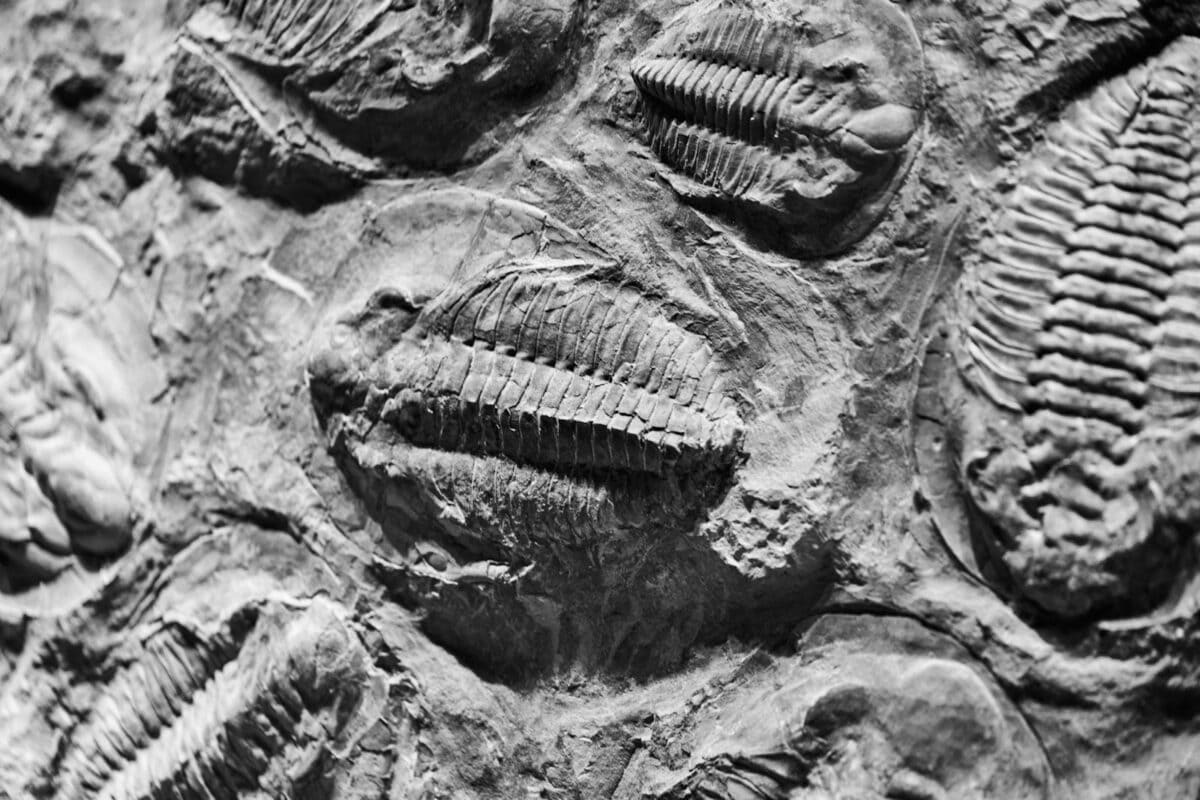
Plate tectonics has been instrumental in shaping Arizona’s geological history. The movement of these massive plates not only facilitated the rise and fall of ancient seas but also contributed to the formation of the mountain ranges and basins seen today. This ongoing geological activity continues to influence Arizona’s landscape, making it a living laboratory for understanding Earth’s dynamic systems.
Microfossils: The Tiny Clues to Oceanic Past

While larger fossils provide significant detail, microfossils—tiny, often overlooked specimens—are equally crucial. These microfossils offer insights into the smaller, but no less important, organisms that populated the ancient ocean. Algae, plankton, and microscopic shells contribute to understanding the food web and environmental conditions of this prehistoric sea.
The Influence of Climate on Marine Ecosystems
Climate played a crucial role in shaping the ecosystems within Arizona’s prehistoric ocean. Fluctuations in temperature and sea level affected habitats, led to adaptational changes among marine species, and drove evolutionary processes. By examining the chemical composition of ancient rocks, scientists can infer climate conditions and their impacts on marine biodiversity.
Modern Technologies Enhancing Geological Discovery

The discovery of Arizona’s prehistoric ocean has been greatly enhanced by modern scientific techniques. Satellite imaging, 3D modeling, and advanced chemical analyses are just a few of the tools that have revolutionized our ability to study geological formations and fossil records. These technologies allow for more precise reconstructions of ancient environments and better predictions about future geological transformations.
How These Discoveries Shape Our Understanding of Earth’s History
Understanding Arizona’s ancient ocean provides critical insights into the broader history of Earth. These discoveries offer lessons about environmental changes, extinction events, and the resilient nature of life. They inform our understanding of how current ecosystems might respond to ongoing climate change and human impacts.
Implications for Future Geological Research
The exploration of Arizona’s prehistoric ocean sets the stage for future geological research. The growing body of knowledge underscores the importance of preserving natural sites for scientific inquiry and points to potential discoveries that could further illuminate Earth’s past. Such research might reveal additional hidden stories about the Earth, contributing to a more complete understanding of our planet’s dynamic history.
Conclusion: The Timeless Dance of Water and Rock

The uncovering of Arizona’s prehistoric ocean stands as a testament to the ever-changing nature of our planet. It reminds us of the dynamic processes that have shaped—and will continue to shape—Earth’s landscapes. As science progresses, our understanding of these processes deepens, connecting us with the vast history that lies beneath our feet. Arizona’s ancient ocean story is not just one of water and rock, but a tale of life, adaptation, and the profound, ongoing dance of geological forces.

- The Story of the Arctic Fox’s Incredible Seasonal Transformation - July 18, 2026
- 10 Most Venomous Snakes in US National Parks - July 18, 2026
- The Moth That Drinks Blood - July 18, 2026