


Along America’s diverse coastlines exists a natural phenomenon that transforms ordinary beaches into luminous wonderlands after sunset. Bioluminescence, the production and emission of light by living organisms, creates an ethereal glow that makes these shores appear magical. From the warm waters of Florida to the cooler Pacific coasts, these glowing beaches offer visitors a rare and unforgettable experience. This article explores 13 beaches across the United States where you can witness this mesmerizing natural light show, explaining the science behind the glow and the best times to visit each location.
The Science Behind Bioluminescent Beaches

The enchanting glow observed at certain beaches is primarily caused by microscopic marine organisms called dinoflagellates, particularly species like Noctiluca scintillans (commonly known as sea sparkle). These single-celled organisms emit light through a chemical reaction involving a substance called luciferin and the enzyme luciferase. When disturbed by movement—such as waves breaking on shore, swimmers splashing, or even footsteps in wet sand—these organisms produce a defensive flash of blue light. This evolutionary adaptation likely developed either to startle predators or to attract larger predators that might eat their attackers. In some locations, other bioluminescent creatures like jellyfish or bacteria may contribute to the glow. The phenomenon is typically more visible during warm months and in areas with minimal light pollution, making remote beaches ideal for viewing.
Mosquito Bay, Puerto Rico – A U.S. Territory Wonder
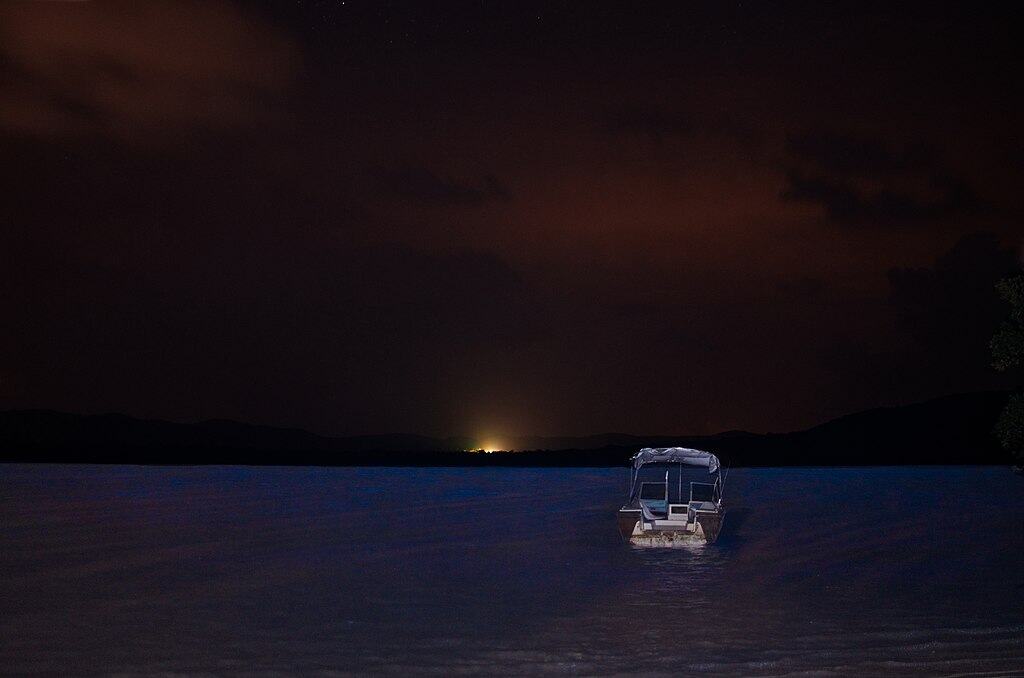
While not in the continental United States, Mosquito Bay in Vieques, Puerto Rico, deserves mention as it’s often recognized as the brightest bioluminescent bay in the world. This protected inlet contains a perfect storm of conditions that allow dinoflagellates to thrive: a narrow entrance that prevents them from washing out to sea, mangrove trees that release vitamin B12 (essential for dinoflagellate growth), and warm, nutrient-rich waters. The concentration of these organisms is so high that kayaking through the bay at night creates brilliant blue trails that follow your movements. Hurricane Maria temporarily diminished the bay’s glow in 2017, but it has since recovered to its former glory. The best viewing experiences typically occur during new moon phases when the sky is darkest.
Torrey Pines State Beach, California
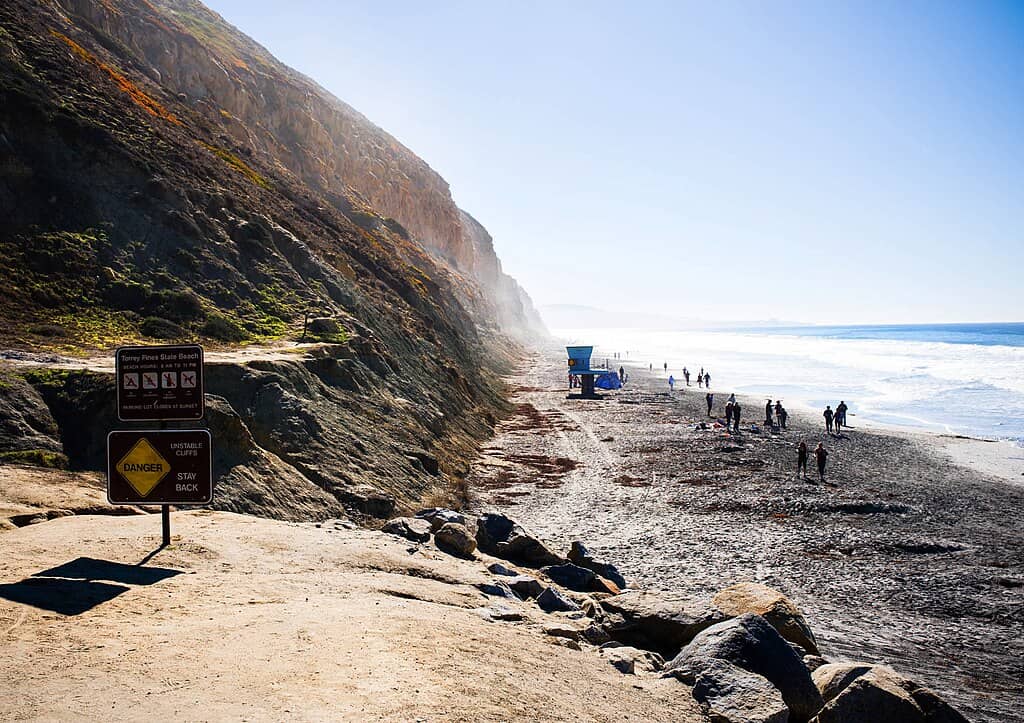
Located in San Diego County, Torrey Pines State Beach occasionally witnesses spectacular red tides during daylight hours that transform into bioluminescent displays at night. These red tides are dense concentrations of dinoflagellates that color the water reddish-brown during the day. Unlike some harmful algal blooms, these particular red tides in Southern California are generally not toxic to humans, though they may cause respiratory irritation in some individuals. The best viewing times typically occur in late spring and early summer, though the phenomenon is unpredictable and doesn’t happen every year. When conditions align, visitors can witness waves glowing electric blue as they crash onto the shore, with each footstep in the wet sand creating small flashes of light. The dramatic cliffs of Torrey Pines provide an excellent backdrop for photographing this phenomenon.
Carlsbad State Beach, California
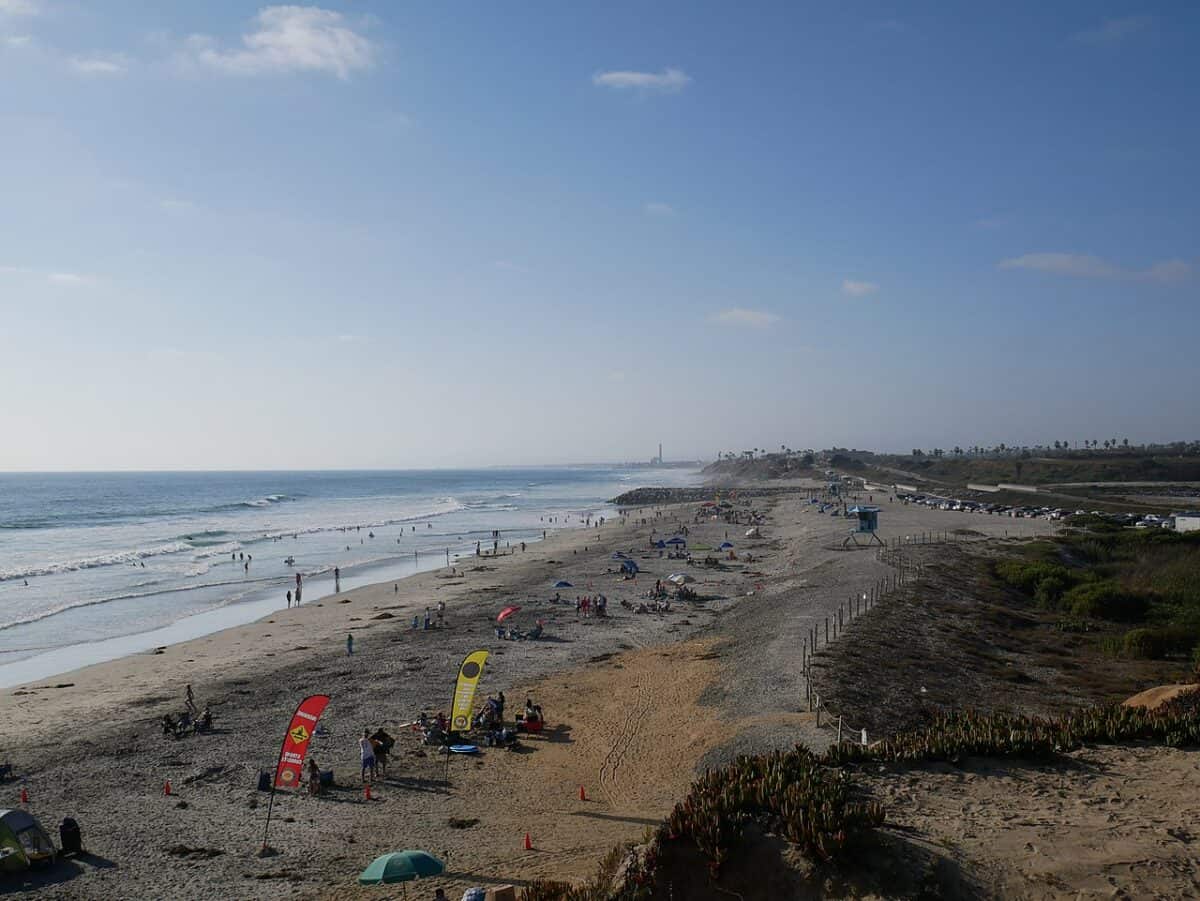
Another gem along Southern California’s coastline, Carlsbad State Beach has become famous for its bioluminescent displays, particularly during red tide events. The seven-mile stretch of coastline offers multiple access points for nighttime visitors hoping to catch the blue glow. In recent years, particularly notable events occurred in 2018 and 2020, when social media was flooded with stunning images of glowing waves. Local photographers have captured time-lapse videos showing rolling waves illuminated from within, creating a surreal scene. Marine biologists studying the phenomenon at Scripps Institution of Oceanography note that these blooms typically last anywhere from a few days to several weeks. For the most impressive displays, visit during a new moon and preferably after midnight when beach crowds have thinned and artificial light is minimized.
La Jolla Shores, California
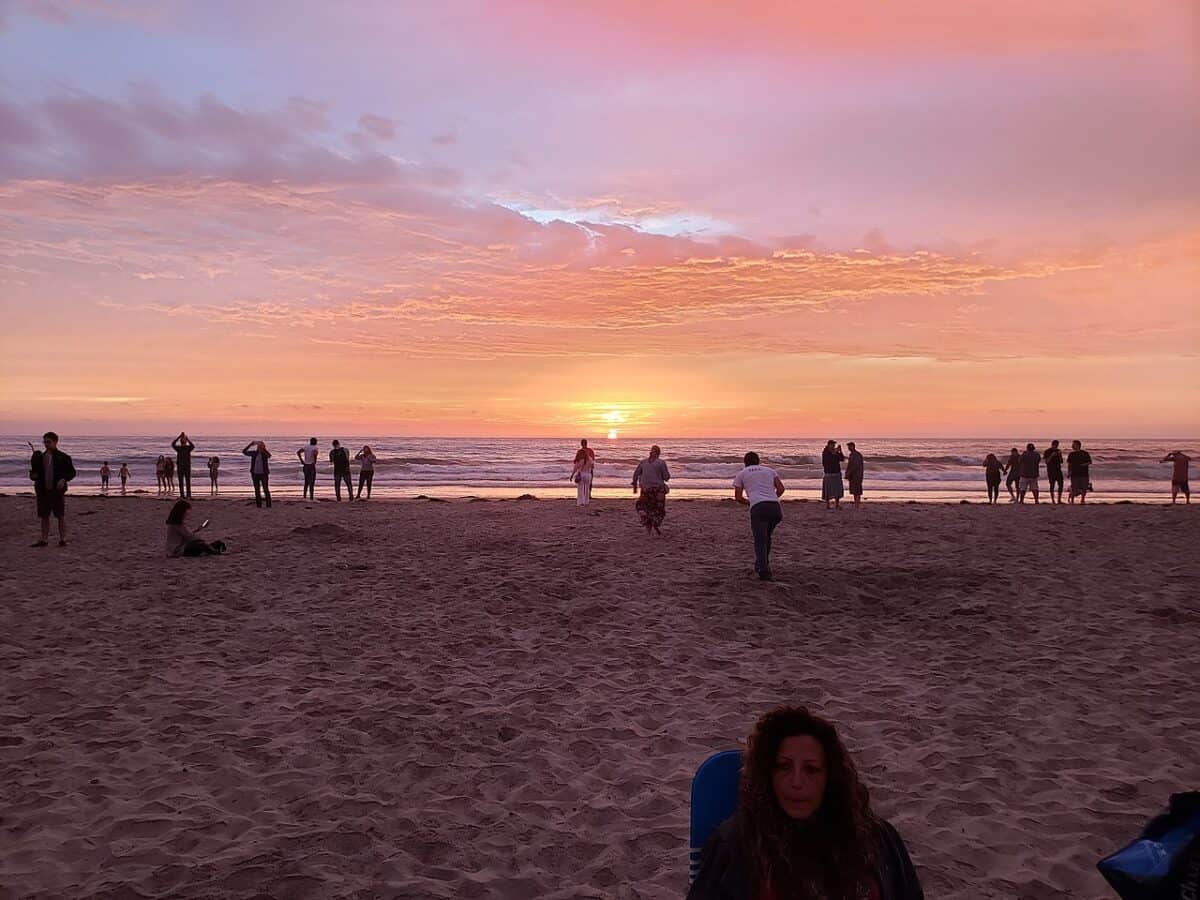
La Jolla Shores, nestled in a picturesque cove in San Diego, provides one of the safest environments to experience bioluminescence in California. The protected bay features gentle waves, making it ideal for nighttime swimming or kayaking among the glowing organisms. What makes La Jolla particularly special is the opportunity to experience bioluminescence while exploring the underwater caves and marine life that populate the area. Several local tour companies offer guided nighttime kayak tours during bioluminescent events, providing safety, knowledge, and the perfect vantage points. Beyond dinoflagellates, the waters here sometimes host bioluminescent jellies, adding another dimension to the light show. The beach’s proximity to urban areas means light pollution can somewhat diminish the effect, so visitors are advised to venture to the northern end of the beach where cliffs provide more darkness.
Indian River Lagoon, Florida
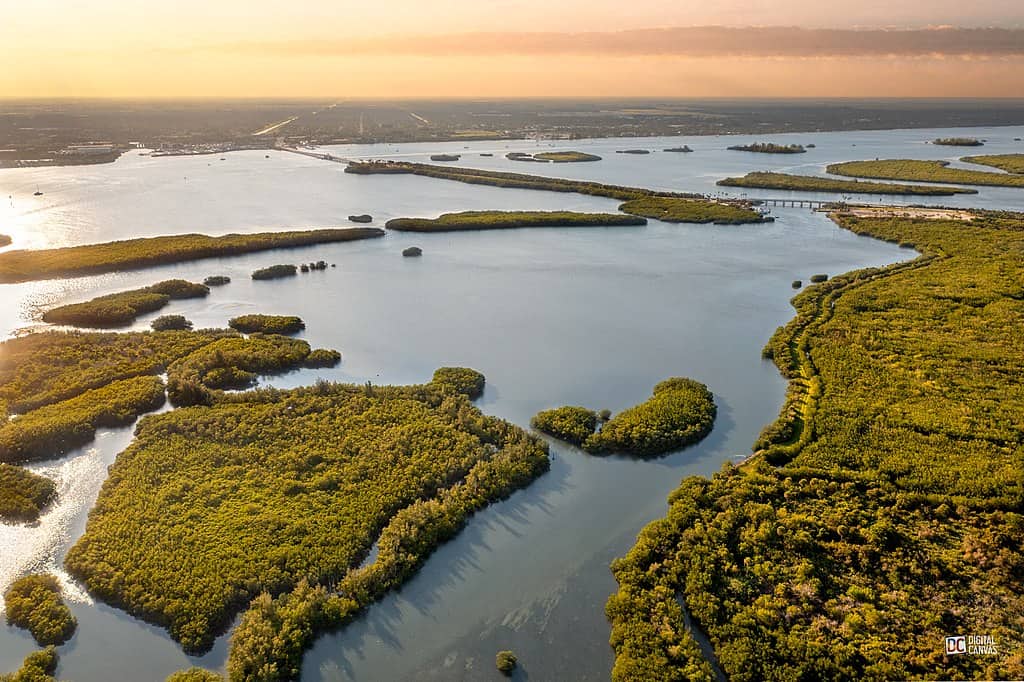
The Indian River Lagoon system on Florida’s east coast spans approximately 156 miles and includes several access points where visitors can witness bioluminescence. This estuary system differs from California’s beaches in that the bioluminescence here tends to be more consistent and predictable, typically peaking from June through October. The primary bioluminescent organism in these waters is Pyrodinium bahamense, a dinoflagellate species that thrives in Florida’s warm, brackish waters. The lagoon’s relatively shallow depth and protection from ocean waves create ideal conditions for these organisms to concentrate. Kayaking tours in the Merritt Island National Wildlife Refuge area are particularly popular, allowing visitors to witness fish creating underwater “light torpedoes” as they swim beneath boats. For an especially magical experience, visit during the summer months when comb jellies also contribute their unique bioluminescent displays to the underwater light show.
Manasota Key, Florida

Located on Florida’s Gulf Coast, Manasota Key offers a different type of bioluminescent experience. While less famous than some other locations, this beach occasionally hosts strong bioluminescent displays, particularly during the summer months. What makes Manasota Key unique is that it’s also known for its prehistoric fossil beds just offshore, which can create an eerie glowing outline when bioluminescent organisms settle over them at night. The best viewing typically occurs between May and September, with August generally offering the most reliable displays. Visitors have reported that the bioluminescence here seems to linger longer in the breaking waves, creating sheets of blue light rather than just brief flashes. Local conservationists recommend visiting on weeknights rather than weekends to avoid crowds and minimize disruption to both the marine ecosystem and nesting sea turtles that use these beaches during summer months.
Cortez Beach, Anna Maria Island, Florida
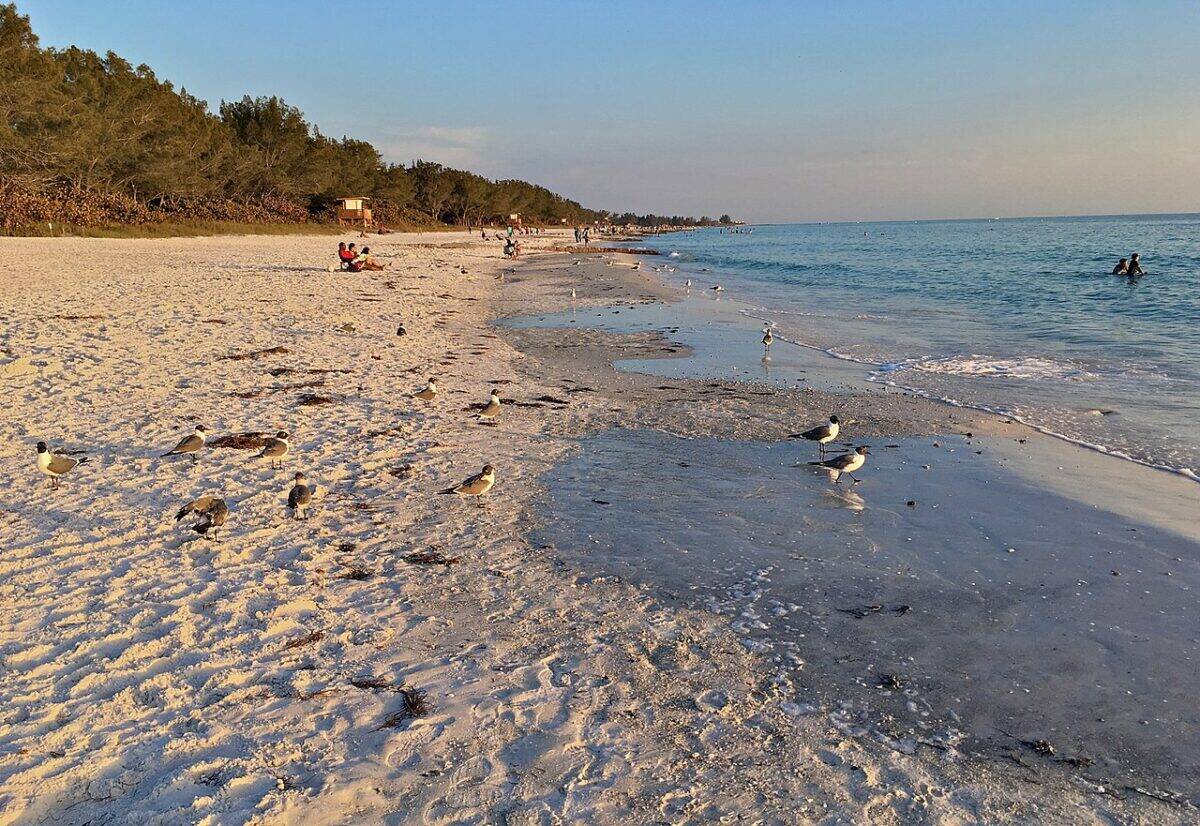
Anna Maria Island’s Cortez Beach has gained a reputation among locals as a reliable spot to witness the “blue glow” during summer months. This lesser-known location offers an advantage for bioluminescence seekers: fewer crowds and less light pollution than more popular tourist beaches. The phenomenon typically occurs here from June through September, with particularly strong displays often following several days of hot, calm weather. The southern end of the beach near Longboat Pass provides the darkest conditions for optimal viewing. Visitors have noted that the bioluminescence at Cortez Beach often extends beyond the breaking waves, with the entire shoreline sometimes appearing to sparkle as wavelets lap at the sand. Marine biologists studying the area have found that the narrow pass between Anna Maria Island and Longboat Key helps concentrate the dinoflagellates, leading to particularly vibrant displays when conditions are right.
Myrtle Beach, South Carolina

While not known for consistent or spectacular bioluminescent displays, Myrtle Beach occasionally surprises visitors with glowing waves during late summer and early fall. The phenomenon here tends to be more subtle than at other locations on this list, but patient observers can sometimes witness gentle blue sparkles in breaking waves, particularly after periods of warm weather and calm seas. The best locations for viewing are typically away from the main commercial stretch of beach, with areas near Huntington Beach State Park offering darker skies. Unlike some other locations where dinoflagellates dominate, the bioluminescence at Myrtle Beach sometimes comes from marine bacteria that can colonize decomposing organic matter. This creates glowing patches rather than the uniform sparkle seen elsewhere. Local marine science centers occasionally offer guided nighttime beach walks during periods when bioluminescence is likely, providing education about these fascinating organisms.
Ocracoke Island, North Carolina
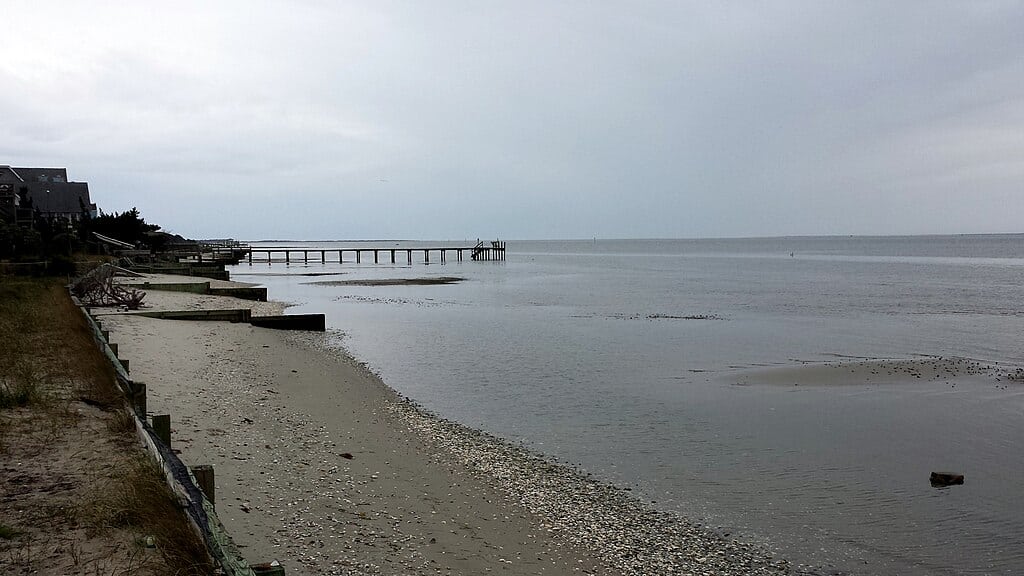
Part of the Cape Hatteras National Seashore, remote Ocracoke Island offers some of the East Coast’s darkest skies, making it an excellent location for observing bioluminescence when it occurs. The island’s limited development and strict lighting ordinances (designed primarily to protect nesting sea turtles) create perfect conditions for night viewing. Bioluminescent displays here are sporadic rather than predictable, typically occurring during late summer warm spells when water temperatures peak. What makes Ocracoke special is the opportunity to combine bioluminescence viewing with world-class stargazing, as the Milky Way is often clearly visible above the glowing waves. The island’s remote location—accessible only by ferry—means fewer visitors and more pristine conditions. Locals recommend checking with the National Park Service rangers upon arrival, as they often track and can provide information about recent bioluminescent activity.
Tomales Bay, California
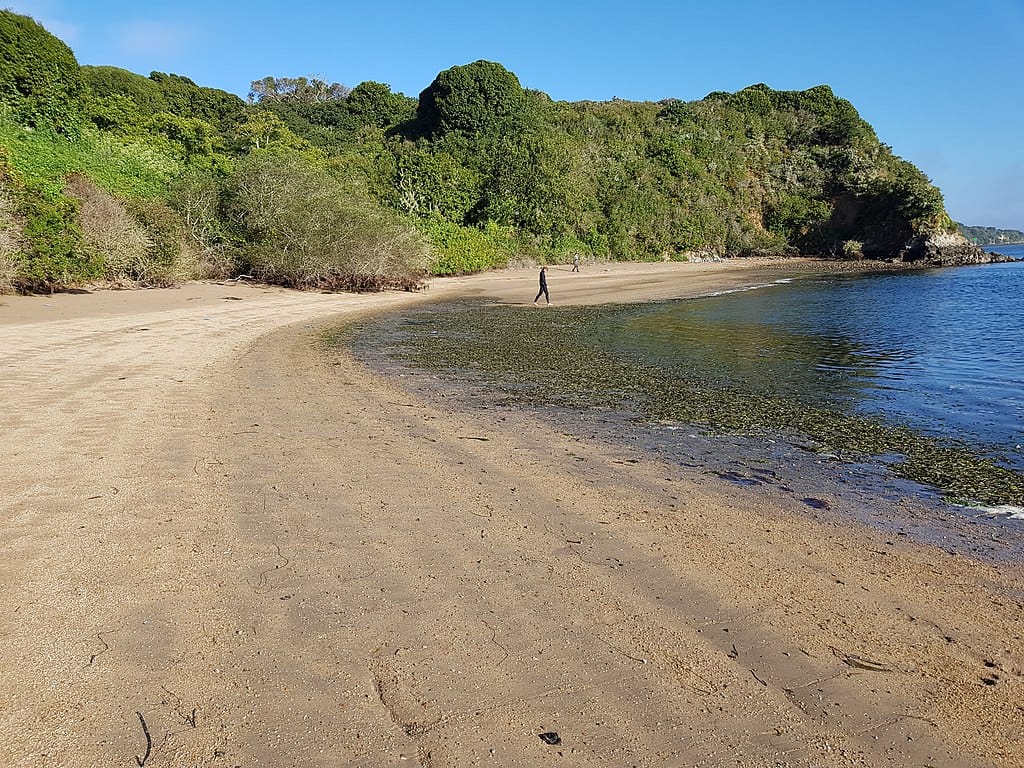
Located about an hour north of San Francisco, Tomales Bay offers one of the most reliable bioluminescent experiences in the United States. Unlike the open beach locations on this list, Tomales Bay is a sheltered, narrow inlet where conditions for dinoflagellates remain favorable for extended periods. The best viewing typically occurs from late summer through fall, with September and October being peak months. What distinguishes Tomales Bay is how accessible the experience is—kayaking tours operate regularly during bioluminescent seasons, and the protected waters make for a safe, family-friendly adventure. The bay’s location within Point Reyes National Seashore means minimal light pollution and maximum natural darkness. Visitors report that the stillness of the bay creates mirror-like conditions where every paddle stroke sends symmetrical bursts of light through the water. Beyond dinoflagellates, the bay is home to bioluminescent jellies and sometimes even glowing fish that have consumed bioluminescent organisms.
Kailua Beach, Hawaii

Oahu’s Kailua Beach occasionally hosts spectacular bioluminescent displays, though they’re less predictable than other locations on this list. The phenomenon is most commonly observed here during summer, particularly after periods of heavy rainfall followed by calm, warm weather. These conditions can trigger blooms of bioluminescent organisms in the nutrient-enriched waters. The setting makes Kailua’s bioluminescence unique—the beach’s famous powdery white sand creates a striking contrast with the electric blue glow, and the offshore Mokulua Islands create distinctive silhouettes against the night sky. Local environmental scientists note that Hawaii’s bioluminescent displays often feature different species of dinoflagellates than those found on mainland beaches, resulting in slightly different characteristics to the light produced. For the best experience, locals recommend visiting during the new moon and waiting until at least an hour after sunset when full darkness has descended.
Sam’s Beach, Barnegat Bay, New Jersey
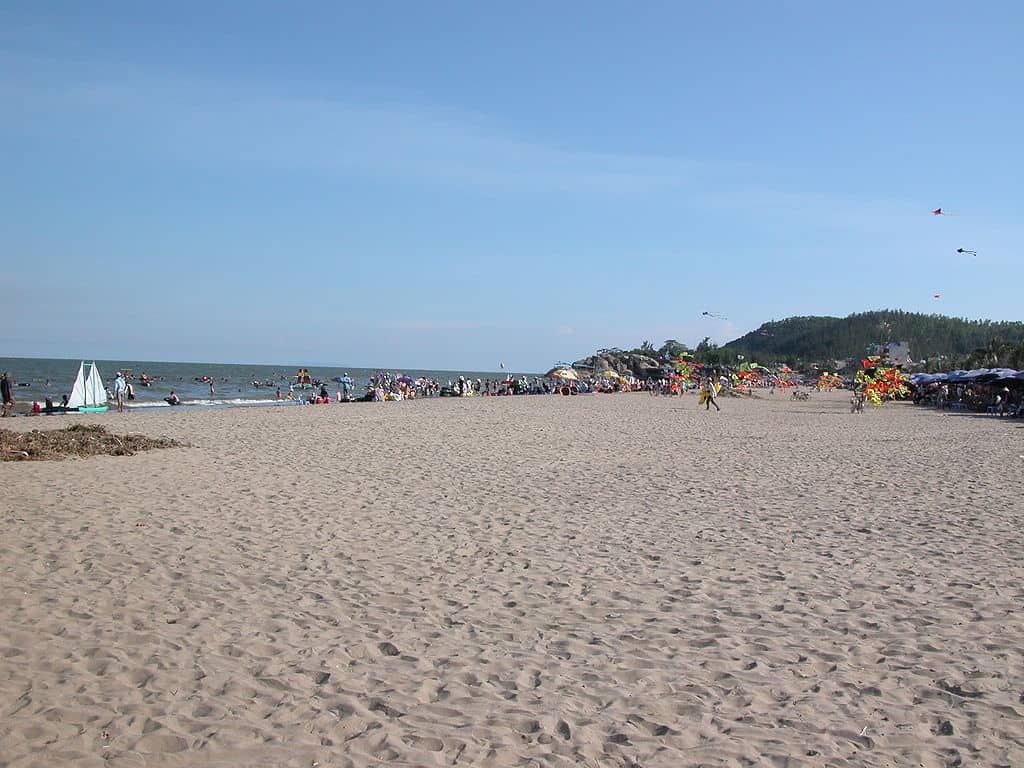
Perhaps one of the most surprising locations on this list, Barnegat Bay in New Jersey occasionally hosts vivid bioluminescent displays, with Sam’s Beach being a favored viewing location. This phenomenon typically occurs in late July through September, when water temperatures in the bay reach their peak. Unlike ocean-facing beaches that might experience bioluminescence for just a few days during red tide events, the sheltered bay can maintain favorable conditions for luminous organisms for weeks at a time. The bay’s unique ecosystem, influenced by both freshwater inputs and ocean tides, creates a distinct environment where bioluminescent plankton can thrive. Local marine biologists from Rutgers University have studied these displays, noting that they seem to be increasing in frequency—potentially due to changing water temperatures and nutrient levels. What makes Sam’s Beach particularly good for viewing is its relatively secluded location and the way the bay’s shallow waters concentrate the glowing organisms near shore.
Experiencing Nature’s Light Show Tips and Conservation
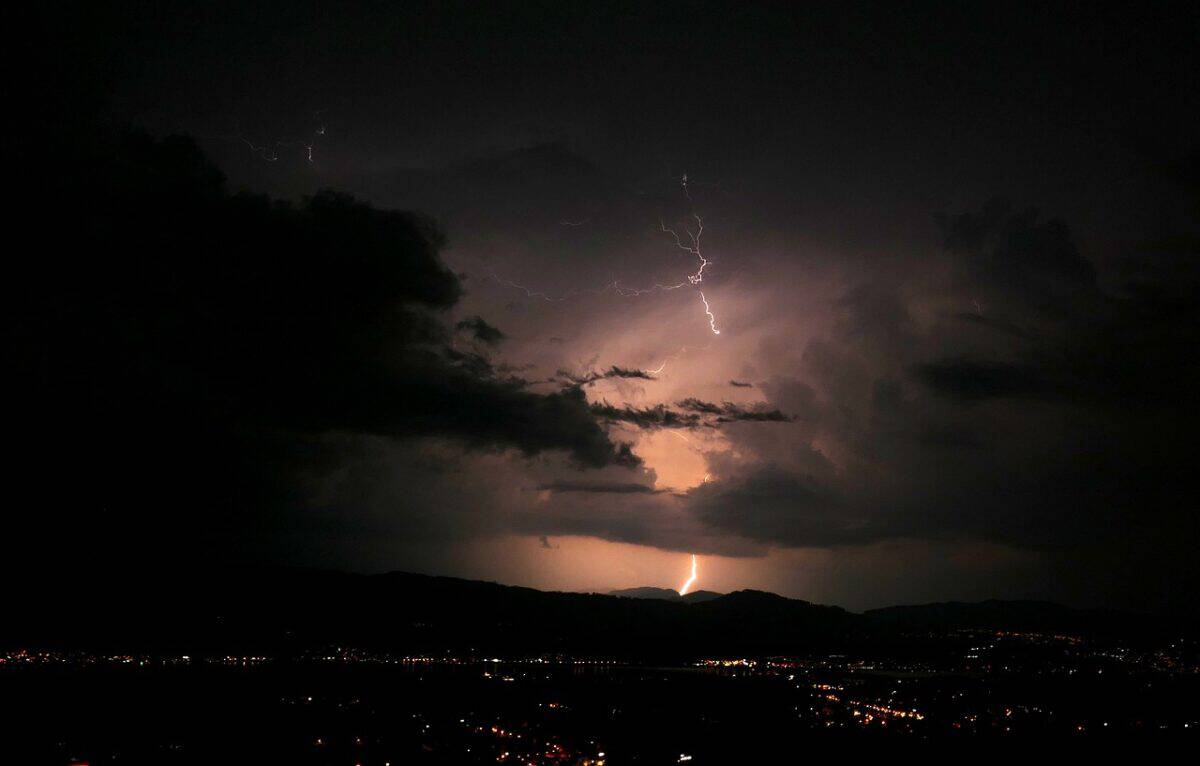
Witnessing bioluminescence is a profound reminder of our planet’s natural wonders, but enjoying this phenomenon responsibly requires preparation and respect for marine environments. Timing is crucial—most displays are brightest during the new moon phase when skies are darkest and typically peak between one and three hours after sunset. Patience is essential, as your eyes need 20-30 minutes to fully adapt to darkness. While photographing bioluminescence has become increasingly popular, it requires specialized equipment and techniques—most smartphone cameras cannot capture the subtle light effectively without proper settings and support. From a conservation perspective, visitors should minimize disruption to these delicate ecosystems by avoiding chemical repellents or sunscreens before entering the water, as these can harm the very organisms creating the display. Climate change and coastal development pose significant threats to bioluminescent ecosystems worldwide, making their protection increasingly important. By understanding and respecting these natural light shows, we can help ensure they continue to enchant future generations of beachgoers across America’s diverse shorelines.
Conclusion:

Bioluminescent beaches offer more than just a dazzling nighttime spectacle—they serve as a powerful reminder of the fragile beauty and complexity of marine ecosystems. From the remote shores of Ocracoke Island to the vibrant bays of Puerto Rico and the bioluminescent lagoons of Florida, these glowing coastlines highlight the magical intersection of science and nature. As climate change and human activity continue to shape our environment, it’s more important than ever to experience these natural wonders with care and respect. Whether you’re paddling through sparkling waters in a kayak or walking along a glowing shoreline under the stars, witnessing bioluminescence is an unforgettable experience—one that invites awe, inspires curiosity, and deepens our connection to the natural world.

As a little kid, I fell in love with nature, wildlife, and animals. Living in the USA, South Africa, Italy, China and Germany gave me the opportunity to discover the world's Wildlife. My favorite animals are Mountain Gorillas, Siberian Tigers, and Great White Sharks.
I'm a certified PADI Open Water Diver, went to Everest Base Camp and Trekked Gorillas in Uganda. I hold a Master of Science in Economics and Finance.
Please send any feedback to feedback@animalsaroundtheglobe.com
- 15 Animals That Can Change Color to Blend In - July 29, 2026
- 12 Most Dangerous Animals on Earth - July 29, 2026
- 10 Surprising Roles Spiders Play in Human Medicine - July 28, 2026