


In the realm of environmental restoration, few stories are as compelling as the remarkable recovery of Onondaga Lake. Once dubbed “the most polluted lake in America,” this body of water in central New York has undergone a transformation that environmental scientists describe as nothing short of miraculous.
After decades of industrial contamination that led to a toxic ecosystem devoid of life, Onondaga Lake has experienced a surprising comeback that offers hope for polluted waterways across the nation. This extraordinary environmental turnaround showcases the power of combined efforts from government agencies, private industry, indigenous communities, and environmental activists to restore a natural resource once considered beyond salvation.
A Legacy of Industrial Pollution

Onondaga Lake’s troubles began in the late 1800s when the discovery of vast salt deposits around Syracuse, New York, led to the development of a booming soda ash industry. By 1884, the Solvay Process Company established operations on the lake’s western shore, using the Solvay process to produce soda ash (sodium carbonate) – a chemical essential for manufacturing glass, soap, paper, and other industrial products.
For nearly a century, the plant discharged an estimated 6 million pounds of industrial waste daily into the lake, including mercury, calcium, chloride, and various heavy metals. Additionally, the City of Syracuse directed its raw sewage into the lake until 1973, creating a perfect storm of pollution that devastated the ecosystem.
The Environmental Toll of Unregulated Dumping

By the mid-20th century, the consequences of this unregulated dumping became impossible to ignore. Mercury levels in the lake reached nearly 7 parts per million in some sediments – 100 times above levels considered hazardous to wildlife. The lake bottom was covered in a layer of chemical waste called “Solvay waste,” a chalky, caustic substance that altered the lake’s chemistry.
Swimming was banned in 1940 due to bacterial contamination, and fishing was prohibited in 1970 when authorities discovered dangerous levels of mercury in the few fish species that could still survive in the toxic waters. The lake had essentially become a dead zone, with oxygen levels so depleted that only the most pollution-tolerant organisms could survive.
Sacred Waters Desecrated

For the Onondaga Nation, the lake’s pollution represented more than environmental damage – it was a desecration of sacred waters. The Onondaga people, part of the Haudenosaunee (Iroquois) Confederacy, consider the lake central to their creation story and spiritual identity. The lake’s shores were the birthplace of the Haudenosaunee Confederacy, one of the oldest continuously operating democracies in the world.
The pollution of these waters represented not just ecological harm but cultural devastation. The Onondaga Nation became powerful advocates for the lake’s restoration, filing legal claims and pushing for more comprehensive cleanup efforts than initially proposed by state and federal authorities.
The Turning Point: Superfund Designation

The path to recovery began in earnest in 1994 when Onondaga Lake was designated as a Superfund site by the Environmental Protection Agency. This classification, under the Comprehensive Environmental Response, Compensation, and Liability Act (CERCLA), identified the lake as one of the nation’s most hazardous waste sites requiring long-term cleanup. The designation triggered a comprehensive remediation plan overseen by the EPA and the New York State Department of Environmental Conservation.
Honeywell International (which had acquired Allied Chemical, the successor to Solvay Process Company) was identified as the primary responsible party and required to fund the bulk of the cleanup efforts. The initial cost estimates for remediation exceeded $1 billion, making it one of the largest environmental restoration projects in American history.
The Ambitious Cleanup Plan

The cleanup strategy involved multiple components addressing different aspects of the lake’s pollution. Between 2012 and 2014, specialized dredging equipment removed approximately 2.2 million cubic yards of contaminated sediment from the lake bottom – enough to fill about 580 Olympic-sized swimming pools. A hydraulic dredge cut into the lake bottom and pumped the contaminated material through a double-walled pipe to a treatment facility, where water was removed and treated before being returned to the lake.
The most contaminated sediments were transported to a secure landfill, while less toxic materials were stored in a specially designed containment area. In areas where dredging wasn’t feasible, a cap of clean sand, gravel, and activated carbon was installed to isolate remaining contaminants from the ecosystem. Additionally, groundwater barriers and collection systems were installed to prevent further contamination from reaching the lake.
Beyond Industrial Cleanup: Addressing Sewage Pollution

While Honeywell addressed the industrial contamination, Onondaga County tackled another significant pollution source: municipal sewage. In 1998, following federal court orders, the county implemented a 15-year, $500 million project to upgrade its wastewater treatment facilities. The centerpiece was transforming the Metropolitan Syracuse Wastewater Treatment Plant into an advanced facility capable of removing ammonia, phosphorus, and other contaminants that had been causing excessive algae blooms and oxygen depletion.
The county also constructed massive underground storage facilities to capture stormwater runoff during heavy rains, preventing untreated sewage from overflowing into the lake – a common occurrence in the past. These combined efforts dramatically improved water quality, reducing phosphorus inputs by over 85% and virtually eliminating ammonia discharge.
The Return of Aquatic Life

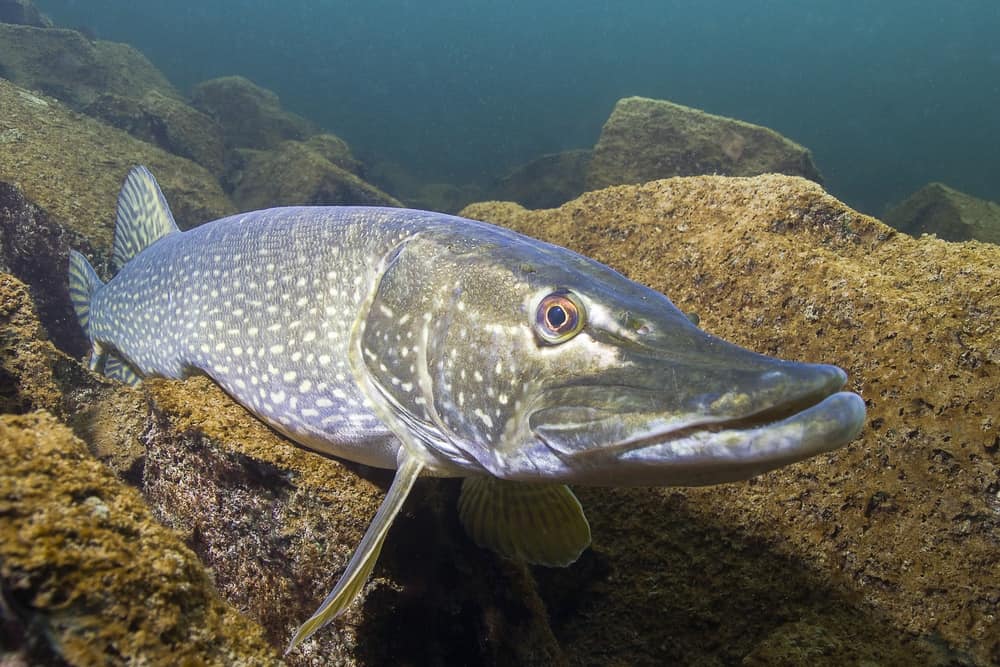
The most compelling evidence of Onondaga Lake’s recovery is the dramatic return of aquatic life. Fish surveys conducted in recent years have identified more than 65 species of fish in the lake, including largemouth and smallmouth bass, northern pike, and Atlantic salmon – species that require relatively clean water to survive.
These results represent a stunning turnaround from the 1970s when only the most pollution-tolerant fish species could survive in the lake’s waters. Bald eagles, osprey, and more than 190 other bird species have returned to the lake’s ecosystem. Particularly significant was the 2019 discovery of native freshwater mussels in the lake – filter-feeding organisms highly sensitive to water quality that had been absent for generations. These natural biomonitors, which cannot survive in contaminated sediments, provide living proof of the lake’s improved conditions.
Water Quality Improvements: By the Numbers

The quantitative improvements in Onondaga Lake’s water quality tell a remarkable story. Mercury concentrations in lake sediments have decreased by over 95% in remediated areas. Water clarity, measured by Secchi disk visibility, has improved from less than 3 feet in the 1990s to over 12 feet in recent years – approaching the clarity of some Finger Lakes. Dissolved oxygen levels, critical for aquatic life, now regularly meet water quality standards throughout the lake.
Phosphorus concentrations have decreased from over 100 parts per billion in the 1980s to below 20 parts per billion today, significantly reducing harmful algae blooms. Fecal coliform bacteria counts have plummeted by 98%, allowing for the reopening of swimming areas for the first time in 80 years. Perhaps most tellingly, a 2020 study found that fish tissue samples now have mercury levels below FDA consumption guidelines for most species – a stark contrast to the situation fifty years ago when fishing was banned entirely due to contamination.
Recreational Renaissance

As water quality improved, humans have returned to Onondaga Lake as well. In 2017, Onondaga County opened its first public swimming beach on the lake since 1940 at Onondaga Lake Park. Fishing, once prohibited due to contamination, has become popular again, with annual fishing tournaments now drawing anglers from across the Northeast. The lake hosts rowing competitions, including collegiate regattas.
An extensive trail system surrounding the lake – the Loop the Lake Trail – attracts over a million visitors annually for walking, running, and cycling. Waterfront development has followed, with new restaurants and shops opening along previously abandoned shorelines. This recreational renaissance has transformed the lake from a community embarrassment to a point of pride and an economic asset for the Syracuse region.
Remaining Challenges and Limitations
Despite the remarkable progress, Onondaga Lake’s recovery remains incomplete. Fish consumption advisories still exist, particularly for bottom-feeding species like carp that may accumulate contaminants from remaining pollution in deep sediments. The lake bottom still contains areas with contamination beneath the installed caps, requiring ongoing monitoring to ensure these barriers remain effective. Some tributaries flowing into the lake continue to introduce pollutants from urban and agricultural runoff.
Climate change presents new challenges, with increasingly frequent intense storms potentially overwhelming stormwater management systems. The Onondaga Nation has also expressed concern that the remediation, while impressive, falls short of their vision for full restoration of this culturally significant body of water. They continue to advocate for more extensive cleanup of remaining contamination.
A Model for Environmental Restoration

Despite these ongoing challenges, Onondaga Lake’s recovery offers valuable lessons for environmental restoration efforts nationwide. The project demonstrates that even severely degraded ecosystems can recover when given sufficient resources and scientific attention. It highlights the importance of addressing multiple pollution sources simultaneously – in this case, both industrial contamination and municipal sewage.
The cleanup illustrates the effectiveness of public-private partnerships, with government agencies providing oversight while industry funded much of the remediation. Perhaps most importantly, it shows the value of persistence in environmental restoration. The lake’s recovery didn’t happen overnight; it required decades of sustained effort across multiple political administrations and changing economic conditions. This long-term commitment to restoring a natural resource offers a blueprint for addressing similarly contaminated sites across America.
Conclusion: From National Disgrace to Symbol of Hope

Onondaga Lake’s transformation from America’s most polluted lake to a recovering ecosystem represents one of the nation’s most remarkable environmental success stories. The lake that once symbolized industrial carelessness and environmental degradation now stands as powerful evidence that even the most severely damaged ecosystems can be revitalized through determined human effort.
While the recovery remains a work in progress, with ongoing monitoring and remediation needs, the dramatic improvements in water quality and biodiversity demonstrate the resilience of natural systems when given the opportunity to heal. As communities across America confront their own polluted waterways, Onondaga Lake offers a compelling message: with scientific knowledge, sufficient resources, regulatory oversight, and public commitment, even our most damaged environments can experience surprising comebacks that benefit both nature and communities.

From exploring the marine wonders in the Azores and witnessing the vast savannas of Kenya, to delving deep into the rich biodiversity of South Africa and traversing iconic landscapes in Australia and the US like Yellowstone, Chris's experiences are vast.
With a penchant for diving alongside sharks, the ocean holds a special place in his heart.
Through his academic insights, he champions wildlife conservation, striving with 'Animals Around The Globe' to cultivate a profound connection between humans and animals, enhancing our mutual appreciation.
Connect with him at Feedback@animalsaroundtheglobe.com.
- What Happens If Fireflies Stop Glowing? - July 21, 2026
- Coyotes Are Thriving in Every U.S. State — Even New York City - July 21, 2026
- The Best Cat Breeds for Highly Empathetic Owners - July 21, 2026