
The bald eagle, America’s national bird, is known for its impressive size, majestic appearance, and remarkable nesting habits. These magnificent raptors create some of the most extraordinary structures in the animal kingdom—massive nests that can indeed weigh well over a ton. These architectural marvels, known as eyries, represent some of nature’s most impressive building projects and demonstrate the bald eagle’s incredible dedication to creating secure breeding sites. Through generations of construction and maintenance, these nests can reach dimensions that seem almost impossible for bird-made structures.
The Nesting Habits of Bald Eagles

Bald eagles (Haliaeetus leucocephalus) typically establish nesting territories near bodies of water that provide access to their preferred food—fish. They select tall, sturdy trees with open structure and good visibility, usually choosing locations that offer clear flight paths and commanding views of the surrounding landscape. Unlike many birds that build new nests each season, bald eagles are remarkably loyal to their nesting sites, often returning to the same nest year after year. This nest reuse and continuous addition of materials creates the foundation for the development of extraordinarily large structures over time.
Record-Breaking Eagle Nests
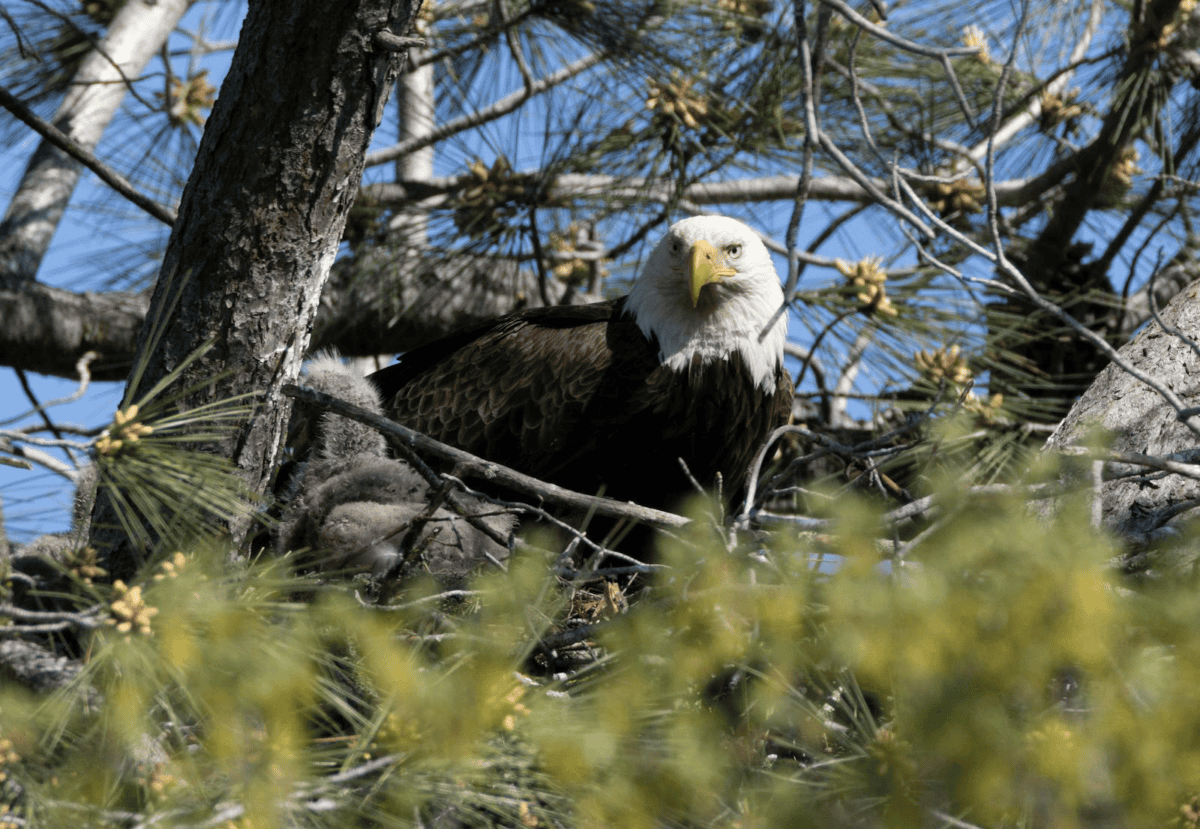
The largest documented bald eagle nest was discovered in St. Petersburg, Florida, and measured 9.5 feet in diameter and 20 feet deep, weighing an estimated 2.9 tons (nearly 6,000 pounds). This extraordinary nest was used continuously for over 30 years. Another famous nest in Ohio measured 12 feet tall and 8.5 feet in diameter, weighing approximately 2 tons. These record-breaking structures demonstrate the impressive upper limits of eagle nest size and weight, confirming that bald eagles can indeed build nests exceeding one ton in weight—sometimes by a considerable margin.
The Construction Process

Building these massive structures requires significant effort from both eagle partners. The nest construction begins with the eagles gathering large sticks, which they break directly from trees or collect from the ground. These sticks, sometimes measuring up to 6 feet in length and 2 inches in diameter, form the foundation and outer structure of the nest. The interior is then lined with softer materials such as grass, moss, feathers, and cornhusks to create a comfortable setting for eggs and hatchlings. Eagle pairs work together during the nest-building process, with both male and female contributing materials and arranging the structure.
Annual Nest Maintenance and Growth

Bald eagles typically return to the same nest each breeding season, making repairs and additions before laying eggs. Each year, the pair adds between 1-2 feet of new material to their existing structure. This annual renovation and expansion explain how nests grow to such enormous proportions over time. A new eagle nest typically measures about 5 feet in diameter and 2-4 feet deep, weighing a few hundred pounds. After several decades of continuous use and annual additions, these nests can expand to over 10 feet in diameter and weigh well over 2,000 pounds, with some exceptional cases exceeding 3 tons.
Structural Engineering of Eagle Nests

The ability of trees to support such massive nests is remarkable in itself. Eagles typically select sturdy, mature trees with robust branching structures that can provide a stable foundation. The preferred nesting trees include white pine, cottonwood, oak, spruce, and other large species with sufficient strength. The eagles begin by placing heavier, stronger sticks in a fork or crotch of the tree, creating a stable base. They then interweave smaller branches to form a basket-like structure, with each layer adding stability. This intuitive engineering approach allows for the gradual distribution of weight as the nest grows larger over successive breeding seasons.
Material Composition and Weight Distribution

The composition of bald eagle nests varies based on available materials, but typically includes a mix of sticks, branches, twigs, grass, moss, feathers, and sometimes human-made materials. A significant portion of the nest’s weight comes from accumulated debris, droppings, and prey remains that build up over years of use. The eagles also incorporate fresh, green vegetation which adds moisture and weight. Studies have found that large, long-established nests can contain over 1,500 sticks and hundreds of pounds of nesting material. The weight is distributed across the supporting branches, with the nest typically taking on a somewhat flat-topped, bulky appearance as it expands.
Nest Size Relative to the Eagles

The scale of these nests is even more impressive when compared to the size of the eagles themselves. Bald eagles typically weigh between 8-14 pounds, with females being larger than males. With nests potentially weighing over 2 tons, these birds create structures that can be more than 400 times their own body weight. The interior nest cup, where eggs are laid and young are raised, measures approximately 2 feet across and 3-4 inches deep—just large enough to accommodate the parents and their offspring. The surrounding structure, which can span 8-10 feet in diameter, serves primarily as a protective barrier and foundation that grows more substantial over time.
Generational Use of Nests

One of the most fascinating aspects of these massive nests is their longevity and multi-generational use. Eagle nests can be used continuously for decades, sometimes being inherited by subsequent generations after the original builders have died. In some well-documented cases, nest sites have been continuously occupied for over 50 years, though not necessarily by the same individuals. This long-term occupation allows for the extraordinary growth in size and weight that leads to ton-plus nests. Some Native American cultures consider these ancient eagle nests sacred sites due to their longevity and the cultural significance of eagles.
Challenges of Maintaining Massive Nests

While these enormous nests provide excellent protection for eagle families, their size can present challenges. As nests grow larger and heavier, they become more vulnerable to structural failure, particularly during severe weather events. Strong winds, ice storms, or decay of the supporting tree can cause even well-established nests to collapse. In some cases, nests become so heavy that they break the supporting branches or topple entire dead trees. Eagles that lose a nest to such failures typically rebuild in the same area, often using materials from the fallen structure to start a new nest in a nearby tree.
Scientific Research on Eagle Nests
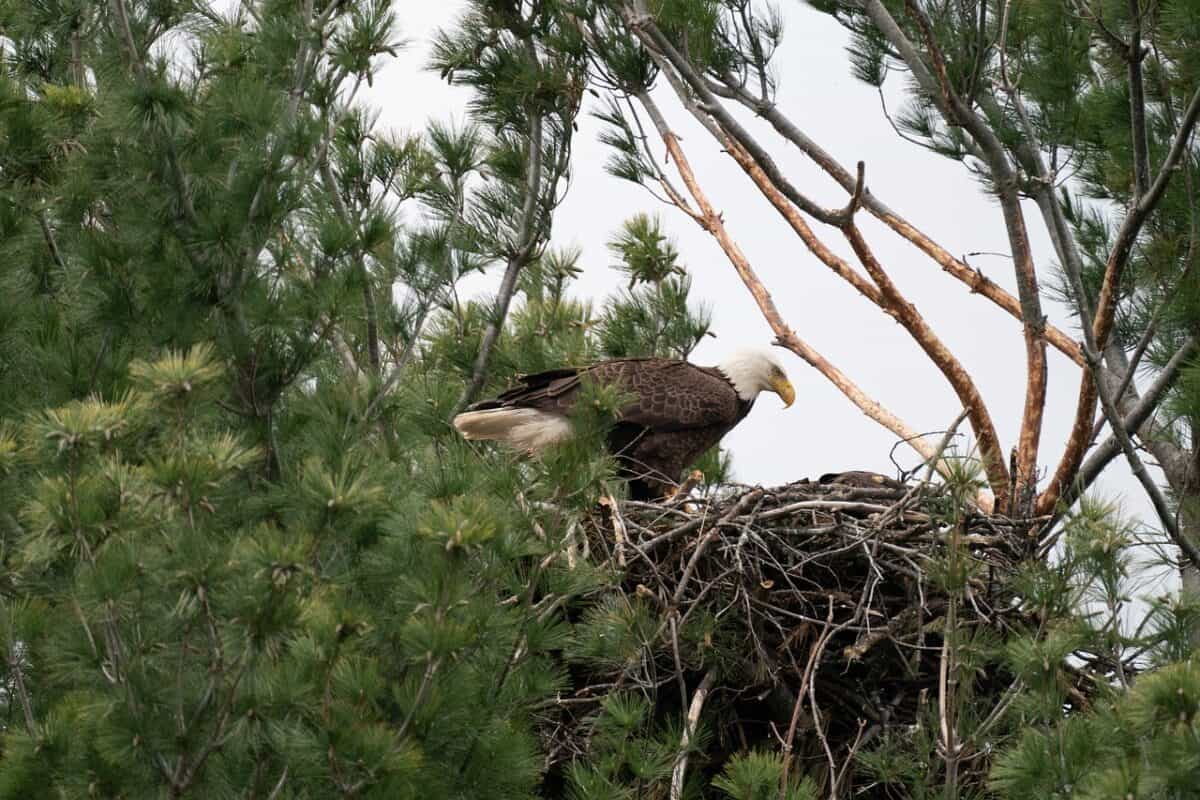
Researchers studying bald eagle nesting behavior have documented the growth patterns and structural integrity of these massive constructions. Using drones, climbing equipment, and remote sensing technology, scientists can now monitor nest development without disturbing the birds. These studies reveal that nest size correlates strongly with breeding success—larger, well-established nests typically produce more successful offspring over time. The thermal properties of these massive structures also help to insulate eggs and young eaglets from temperature extremes. Some researchers have installed cameras near large nests to provide live streaming views, offering valuable insights into eagle behavior while raising public awareness about these magnificent birds.
Human Impacts on Eagle Nesting

Human activities can significantly impact eagle nesting success, especially when it comes to these large, established nests. Deforestation, development near waterways, and removal of mature trees reduce suitable nesting habitat. The bald eagle’s recovery from endangered status in the United States is partly attributed to nest site protection laws, which prohibit disturbance of active eagle nests. Conservation efforts now include the installation of artificial nesting platforms in areas where natural sites are limited. These human-made structures are designed to support the substantial weight of growing eagle nests and have been successfully adopted by nesting pairs in many regions.
Other Bird Species with Large Nests

While bald eagles build remarkably large nests, they’re not the only birds known for impressive architectural achievements. Their close relatives, golden eagles, also build substantial nests that can reach similar dimensions. Osprey nests can grow to considerable sizes when used for multiple years. African social weaver birds create massive communal nests that can house up to 100 breeding pairs and weigh several tons, though these are built by colonies rather than single pairs. Australian brush turkeys construct massive mound nests of vegetation that can weigh several tons, but these serve as incubation chambers rather than living quarters. Even so, the individual pair-built nests of bald eagles rank among the largest structures created by any bird species.
Conclusion: Nature’s Architectural Marvels

The ability of bald eagles to construct nests weighing over a ton represents one of nature’s most impressive architectural achievements. These massive structures, built stick by stick and maintained over decades, stand as testament to the eagles’ dedication to creating secure breeding sites. The continuous occupation and annual additions transform modest initial nests into colossal structures that can indeed exceed several tons in weight. As humans continue to protect eagle habitat and nesting sites, we ensure future generations will witness these magnificent birds and their extraordinary nesting habits. These massive eyries, perched high in the canopy, serve as powerful symbols of persistence, parental dedication, and the remarkable engineering capabilities of our national bird.

- Can Animals Really Sense Our Emotions? - June 18, 2026
- 15 Animals Once Thought Extinct in the US That Have Returned - June 18, 2026
- The Deadliest Animals You’ll Find in American Swamps - June 18, 2026