

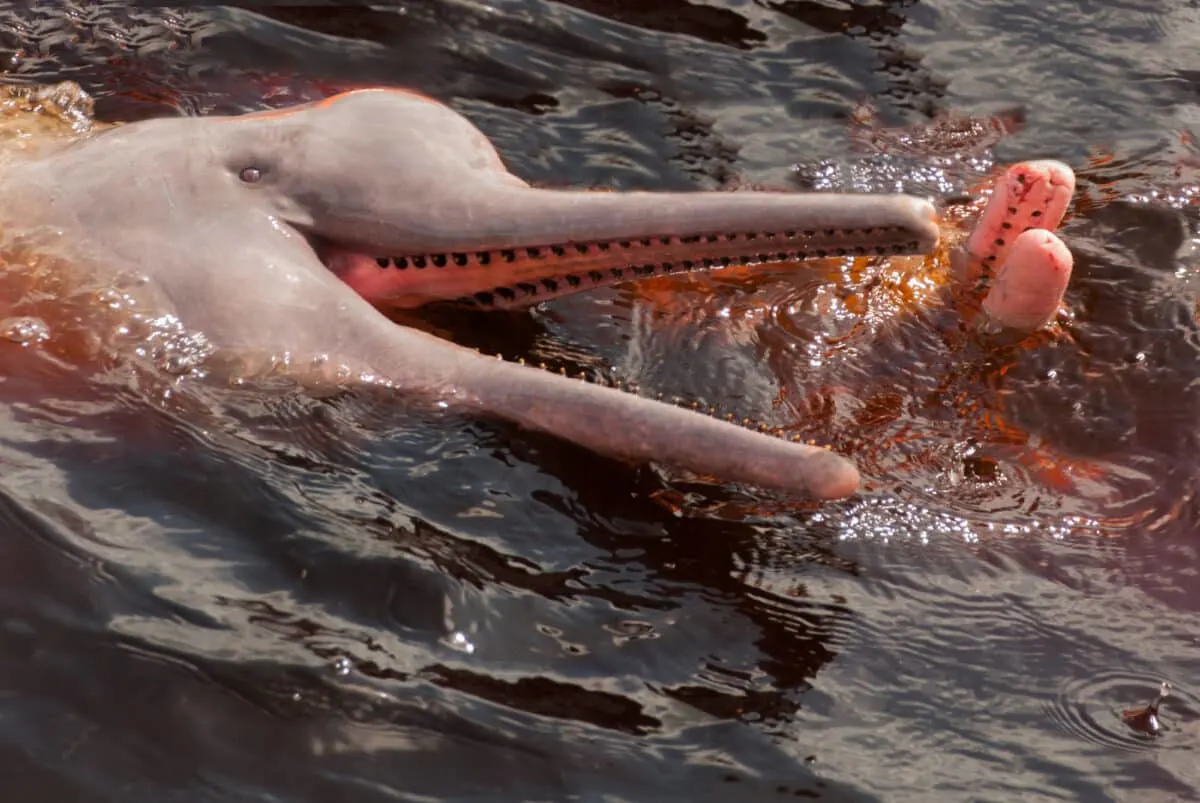
In the early summer of 2023, residents along the Mississippi River reported an astonishing sight: a pink dolphin gliding through the murky waters. The sighting sparked widespread curiosity, media attention, and scientific investigation. How could a creature typically associated with the Amazon River or certain coastal areas appear in the heartland of America?
This unexpected visitor challenged our understanding of dolphin habitats and migration patterns while captivating the imagination of locals and wildlife enthusiasts alike. Let’s dive into the fascinating story of this rare cetacean appearance and explore what science can tell us about this mysterious pink visitor.
The Unexpected Sighting

On June 12, 2023, near Baton Rouge, Louisiana, several fishermen reported seeing an unusual pink-colored dolphin swimming in the Mississippi River. Initially dismissed as a case of mistaken identity or possibly a hoax, the sightings continued over several days, with multiple witnesses providing similar descriptions. Soon, photos and videos began circulating on social media, showing a distinctly pink-hued dolphin surfacing in the river.
Wildlife officials were initially skeptical but soon launched an investigation to verify the reports and identify the mysterious creature. The sighting was particularly puzzling given that dolphins, while occasionally spotted in the lower Mississippi, are rarely seen this far upriver, and pink dolphins are not native to North American waters at all.
Identifying the Pink Visitor

Marine biologists and wildlife experts examined the available footage and concluded that the animal was indeed a dolphin with an unusual pink coloration. Two primary possibilities emerged: either this was an Amazon river dolphin (Inia geoffrensis) that had somehow made its way into the Gulf of Mexico and up the Mississippi, or it was a bottlenose dolphin (Tursiops truncatus) with a genetic condition causing the pink coloration.
After careful analysis of the dorsal fin shape, head structure, and swimming patterns visible in higher-quality videos, experts determined it was most likely a bottlenose dolphin with a rare genetic condition called albinism or, more specifically, a variation sometimes called “pinko” in which the blood vessels show through unpigmented skin, giving the animal a pink appearance. The mystery dolphin was estimated to be an adult, approximately 7-8 feet long.
Understanding Albinism in Dolphins

Albinism is a genetic condition that results in little or no production of melanin, the pigment responsible for normal coloration in animals. In dolphins, true albinism is extremely rare, with only a handful of documented cases worldwide. More common is a condition called hypopigmentation, which results in partial loss of coloration. When dolphins have this condition, their normally gray skin becomes pale or pinkish because the blood vessels beneath the skin become more visible.
Unlike true albinism, which often includes red eyes and can cause vision problems, hypopigmented dolphins typically have normal eye coloration and vision. The condition is genetic and present from birth, though the pink coloration may become more pronounced as the animal ages. Despite their unusual appearance, these dolphins generally lead normal lives, though they may face increased predation risk due to higher visibility.
Amazon River Dolphins vs. Bottlenose Dolphins
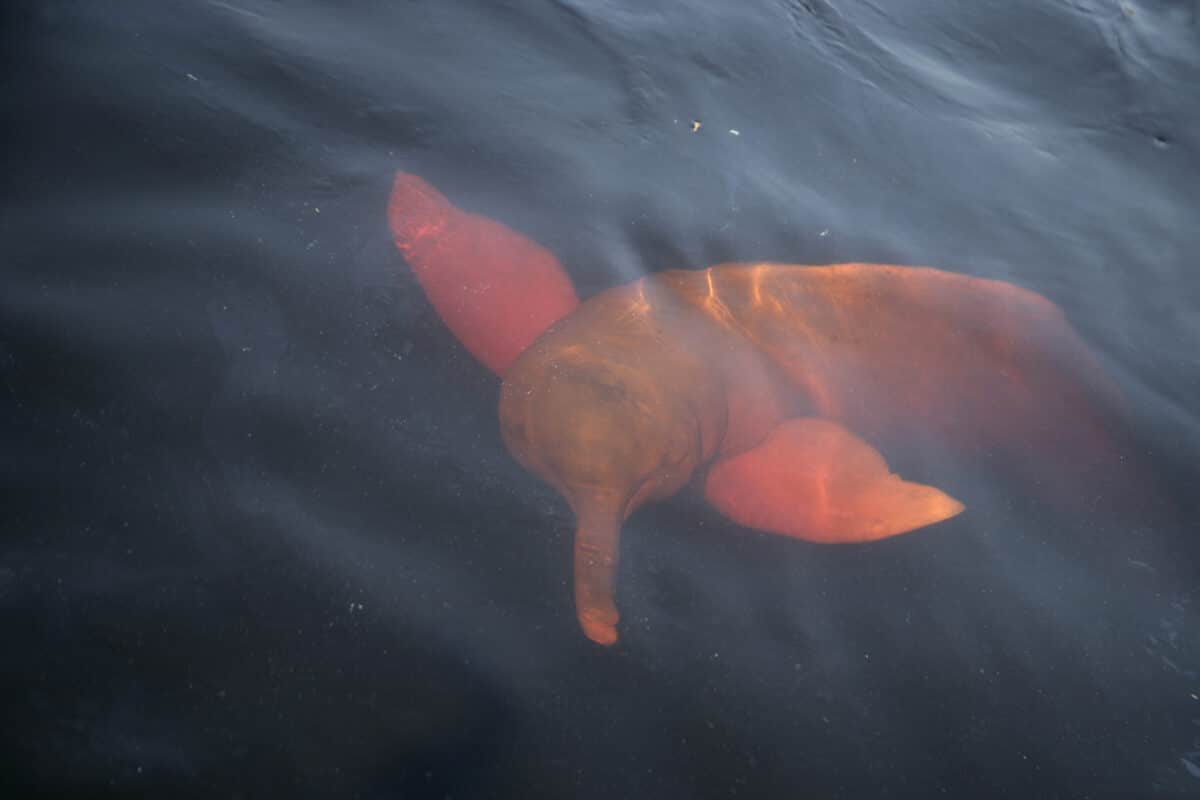
The initial reports of a pink dolphin led many to wonder if an Amazon river dolphin (also known as boto or pink river dolphin) had somehow made its way to the Mississippi. Amazon river dolphins are naturally pink, especially adult males, with coloration ranging from light gray to bright pink. They inhabit freshwater river systems in South America, particularly in the Amazon and Orinoco river basins. In contrast, bottlenose dolphins are typically gray in color and primarily marine, though they can adapt to brackish and even freshwater environments for short periods.
The key differences between the species include the boto’s pronounced long snout, flexible neck, and rounded forehead, compared to the bottlenose dolphin’s shorter beak and more pronounced melon (forehead). After comparing footage of the Mississippi visitor with both species, experts concluded that the body shape and swimming behavior were consistent with a bottlenose dolphin rather than an Amazon river dolphin, ruling out the possibility of a South American visitor.
Dolphins in the Mississippi River System

While rare, bottlenose dolphins do occasionally venture into the Mississippi River system, particularly in the lower reaches where the river meets the Gulf of Mexico. Historically, dolphins have been documented as far north as Memphis, Tennessee, though such sightings are extremely uncommon. These marine mammals can tolerate freshwater for extended periods, though they typically prefer saltwater environments. Factors that might drive dolphins upriver include following prey fish, unusual weather patterns, or displacement due to storms.
The Mississippi River’s powerful current and navigational challenges make it difficult for dolphins to venture very far upstream, which is why the reported sighting near Baton Rouge generated such interest. Environmental factors such as water temperature, salinity, and food availability all play crucial roles in determining how far upstream these animals might travel and how long they might remain in river systems.
The Scientific Investigation

Following the initial reports, marine biologists from Louisiana State University and the National Oceanic and Atmospheric Administration (NOAA) launched a formal investigation. Their approach combined field observation with photographic analysis and historical data review. Researchers set up observation points along the river, interviewed witnesses, and analyzed water quality and fish populations to understand what might have attracted the dolphin.
They also reviewed records of previous unusual dolphin sightings and displacement events following hurricanes or other major weather systems. Genetic analysis would be the gold standard for confirmation, but this would require obtaining a tissue sample—an unlikely prospect given the elusive nature of the visitor. Instead, scientists relied on photogrammetry techniques to analyze body proportions from images and videos, which helped confirm the species identification as a bottlenose dolphin with hypopigmentation rather than an Amazon river dolphin.
Famous Pink Dolphins Around the World

The Mississippi visitor is not the first pink dolphin to achieve celebrity status. Perhaps the most famous is “Pinky,” a pink bottlenose dolphin first spotted in Calcasieu Lake, Louisiana, in 2007. Pinky has been regularly observed for over a decade and even gave birth to a pink calf in 2020, confirming the genetic nature of her coloration. In Hong Kong waters, Indo-Pacific humpback dolphins (Sousa chinensis) are naturally pink as adults and have become iconic symbols for local conservation efforts.
These dolphins, often called Chinese white dolphins despite their pink coloration, face significant threats from pollution and habitat loss. Australia’s Burrunan dolphins occasionally produce pink individuals, including a famous dolphin nicknamed “Pinkie” in Port Phillip Bay. The Amazon river dolphins of South America remain the only consistently pink dolphin species, though their coloration varies significantly between individuals and intensifies with age, particularly in males.
Community Response and Tourism Impact
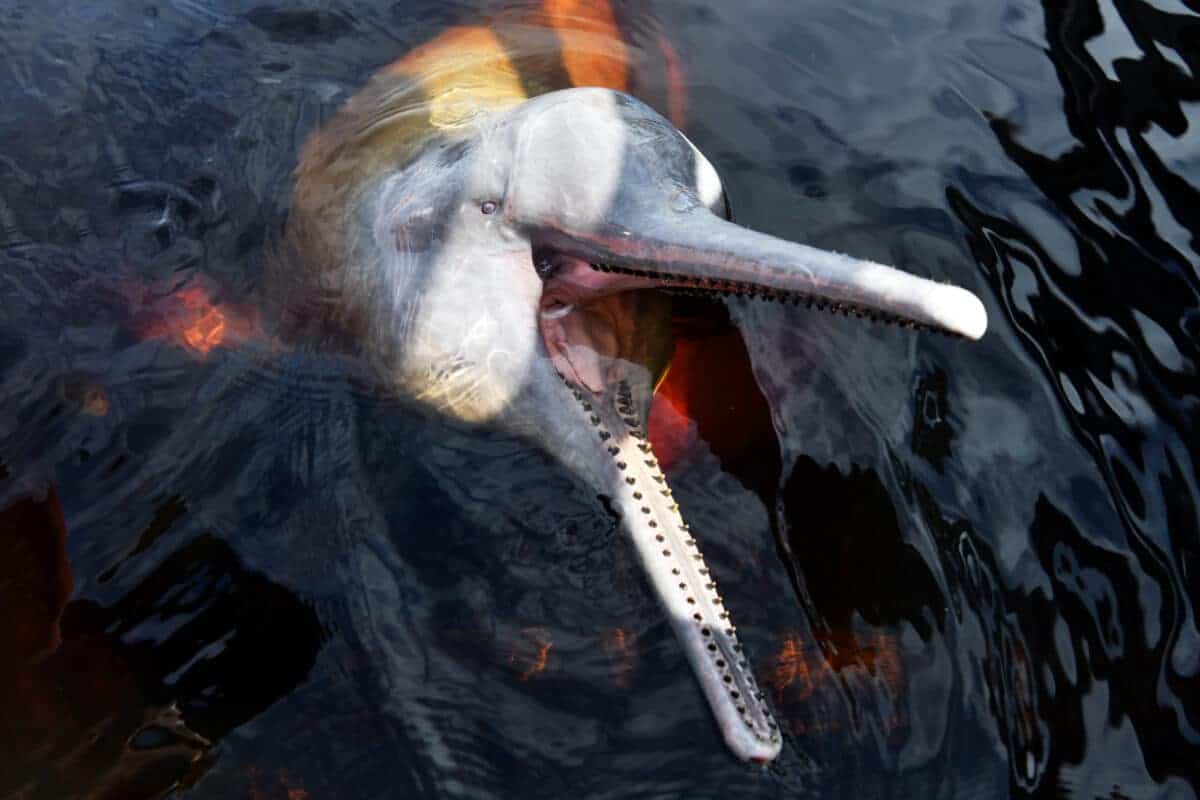
The pink dolphin sighting created a sensation in riverside communities. Local businesses quickly capitalized on the excitement, with “Pink Dolphin” tours, t-shirts, and themed cocktails appearing almost overnight. Tourism experienced a noticeable boost as wildlife enthusiasts and curious visitors flocked to the area hoping to glimpse the unusual cetacean. Social media played a significant role in amplifying the story, with hashtags like #MississippiPinkDolphin trending regionally.
While the economic impact was welcome, wildlife officials expressed concern about the increased boat traffic and potential harassment of the animal. They issued guidelines for responsible wildlife viewing, including maintaining safe distances and reducing noise levels. Community engagement eventually evolved into conservation awareness, with local schools using the dolphin as a teaching opportunity about marine mammals, genetic diversity, and river ecosystem health.
Conservation Implications

The appearance of the pink dolphin highlighted several important conservation issues. First, it drew attention to the interconnectedness of marine and riverine ecosystems and the importance of water quality throughout these systems. Bottlenose dolphins are considered sentinel species—their health reflects the overall health of their environment. The dolphin’s ability to survive in the Mississippi underscored questions about changing salinity levels, water quality, and fish populations in the river.
Conservation groups used the opportunity to advocate for stronger clean water protections and reduced pollution in the Mississippi watershed. The sighting also sparked discussions about climate change impacts on marine mammal distributions and behaviors. Wildlife management agencies emphasized that unusual animal sightings sometimes indicate broader ecological shifts that warrant scientific attention and potential conservation action.
Challenges of Survival

The pink dolphin faced numerous challenges navigating the Mississippi River environment. The busy waterway serves as a major shipping channel, with constant barge and boat traffic creating risks of vessel strikes and noise pollution that can interfere with the dolphin’s echolocation abilities. The river’s strong currents, particularly after heavy rainfall, could potentially prevent the dolphin from returning downstream to more suitable habitat.
Water quality issues, including agricultural runoff, industrial pollution, and variable oxygen levels, might impact both the dolphin and its prey. Additionally, the dolphin’s distinctive coloration could make it more vulnerable to predation or harassment. Without a pod for social interaction and cooperative hunting, a solitary dolphin might struggle to find sufficient food. Wildlife biologists monitoring the situation expressed concern that prolonged residence in the river could lead to health complications, though bottlenose dolphins are known for their adaptability to various environmental conditions.
Similar Historical Cases

The Mississippi pink dolphin is not without precedent. In 1965, a bottlenose dolphin nicknamed “Moby Doll” ventured up the St. Johns River in Florida, remaining there for several months before eventually returning to the ocean. During the aftermath of Hurricane Katrina in 2005, several dolphins were displaced into Lake Pontchartrain and nearby waterways, with some remaining for extended periods before being rescued or finding their way back to the Gulf.
In 2018, a group of four bottlenose dolphins entered the Shrewsbury River in New Jersey, with one individual staying for nearly a year before departing. Internationally, there have been cases of dolphins swimming far up the Thames in London, the Seine in Paris, and the Vltava in Prague. These cases demonstrate that while unusual, dolphins occasionally explore river systems, sometimes due to disorientation, sometimes following prey, and sometimes for reasons scientists cannot fully explain. The Mississippi case is unique primarily due to the dolphin’s rare coloration rather than its location.
Scientific Significance

Beyond the public fascination, the pink dolphin sighting offered valuable scientific opportunities. Researchers used the case to study how cetaceans adapt to freshwater environments, tracking physiological stress indicators visible in photographs, such as skin condition changes. The sighting contributed to ongoing research on genetic diversity in dolphin populations, particularly regarding color variations and their frequency.
Scientists also gathered data on the dolphin’s behavior patterns, feeding strategies, and habitat use in the river system, information that could prove valuable for understanding how these highly adaptable mammals respond to changing environments. The case highlighted the scientific value of citizen observations, as the initial documentation and ongoing monitoring relied heavily on reports from the public. Some researchers suggested that such unusual sightings might become more common as climate change alters traditional marine mammal ranges and behaviors, making the Mississippi pink dolphin a potential indicator of broader ecological shifts worthy of continued scientific attention.
The Mystery Concludes

After approximately three weeks of intermittent sightings, the pink dolphin was last seen heading south toward the Gulf of Mexico in early July 2023. The departure came shortly after heavy rains increased the river’s flow rate, potentially assisting the dolphin’s downstream journey. While no conclusive evidence explains the animal’s unusual appearance in the river or its eventual departure, scientists believe it likely followed prey fish upstream before finding its way back to more familiar marine habitat.
Though brief, the visit left a lasting impression on local communities and contributed valuable data to ongoing research on dolphin behavior and adaptation. The pink dolphin of the Mississippi joined the ranks of other famous individual wild animals whose unusual appearances or behaviors captured public imagination while advancing scientific understanding. While the mystery visitor may never return, it has permanently altered how many view the mighty Mississippi and the remarkable creatures that sometimes call it home.

From exploring the marine wonders in the Azores and witnessing the vast savannas of Kenya, to delving deep into the rich biodiversity of South Africa and traversing iconic landscapes in Australia and the US like Yellowstone, Chris's experiences are vast.
With a penchant for diving alongside sharks, the ocean holds a special place in his heart.
Through his academic insights, he champions wildlife conservation, striving with 'Animals Around The Globe' to cultivate a profound connection between humans and animals, enhancing our mutual appreciation.
Connect with him at Feedback@animalsaroundtheglobe.com.
- The Animal With the Heaviest Horns Uses Them Like Sledgehammers - July 30, 2026
- Why Some Animals Are Getting Smaller—and Others Bigger - July 30, 2026
- The Longest-Tailed Bird Uses It to Win Mates in Dazzling Displays - July 30, 2026