

Have you ever wished you could stay in bed all day long? Well, there’s an animal that actually does this! Sloths are the sleepiest animals in the jungle, spending most of their time dozing off in the treetops. These slow-moving mammals from Central and South America have become famous for their laid-back lifestyle and sleepy habits. But why do sloths sleep so much? Is it because they’re just lazy, or is there something more interesting happening? Let’s embark on a fascinating journey to discover the secrets behind these adorable drowsy creatures and learn why taking it slow is actually their superpower!
Meet the Sleepiest Animals in the Rainforest

Sloths are amazing animals that live in the rainforests of Central and South America. They have round heads, flat noses, and a permanent smile that makes them look very friendly. Their arms are longer than their legs, and they have strong, curved claws that help them hang upside down from tree branches. There are six different species of sloths divided into two families: two-toed sloths and three-toed sloths (though they all actually have three toes on their back feet!). These cuddly-looking creatures are about the size of a small dog, weighing between 8 and 17 pounds, and can live up to 30 years in the wild. Their most famous trait? They sleep for about 15-20 hours every day!
The Sloth’s Super Slow Lifestyle

Sloths are the slowest mammals on Earth! When they do move, they crawl along tree branches at a super slow pace of about 0.15 miles per hour. That’s like taking a whole minute just to move 40 feet! This extremely slow movement is part of their survival strategy. They move so slowly that algae (tiny green plants) actually grows on their fur, helping them blend in with the trees around them. This camouflage helps protect them from predators like jaguars, eagles, and snakes. But their slow lifestyle also means they need to save energy, which is one big reason why they sleep so much.
The Science Behind Sloth Sleep
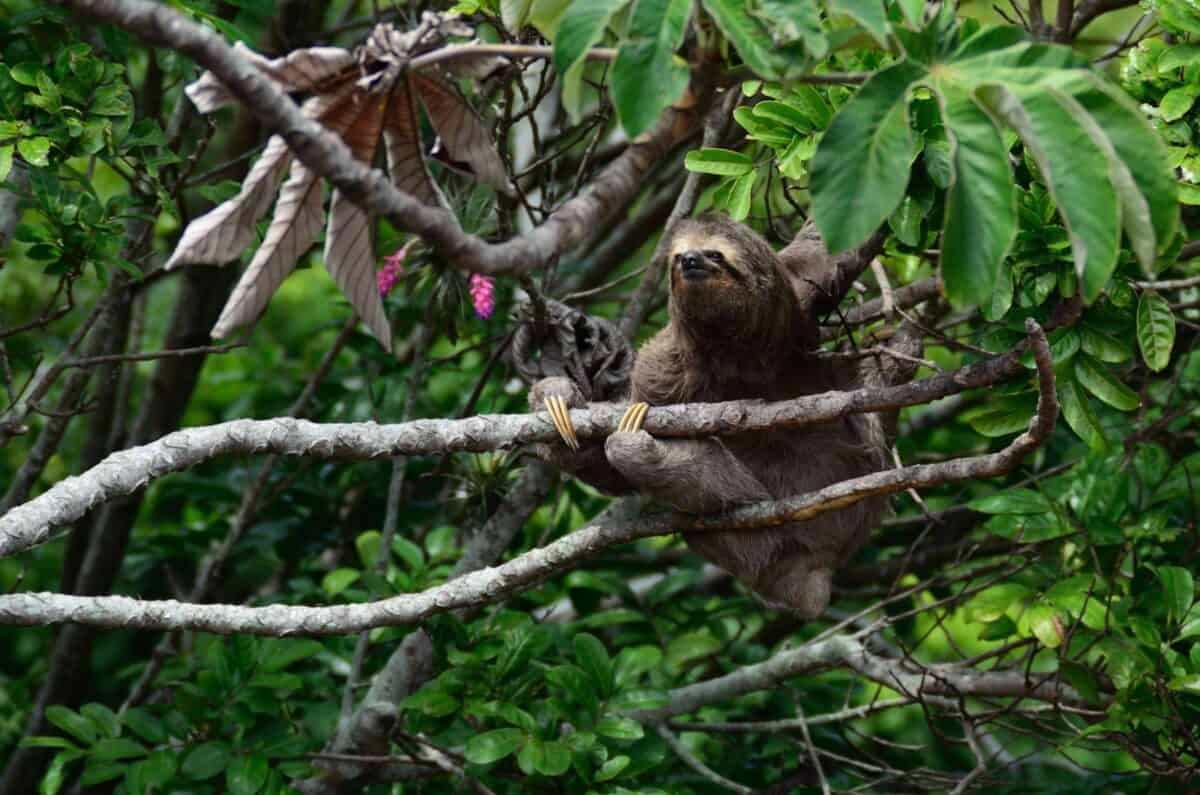
Scientists have studied sloth sleep and discovered some fascinating facts. Unlike humans who need about 8 hours of sleep each night, sloths in the wild sleep for 15-20 hours every day! In captivity, they might sleep even more. During their sleeping hours, sloths hang upside down from tree branches, perfectly secure thanks to their strong claws that lock around the branches. Their slow metabolism (the rate at which their bodies use energy) is directly connected to their sleep patterns. The slower an animal’s metabolism, the more it tends to sleep. Sloths have one of the slowest metabolisms of any mammal, which means they need lots of rest to conserve energy.
Sloths and Their Special Diet

What sloths eat plays a big role in why they sleep so much. Sloths mainly eat leaves – lots and lots of leaves! But leaves don’t have many nutrients or calories, which means sloths don’t get much energy from their food. In fact, it can take a sloth up to a month to digest a single meal! Their stomachs have multiple compartments filled with bacteria that help break down the tough leaves, similar to how cows digest grass. Because their diet gives them so little energy, sloths must be very careful about how they use what little energy they have. Sleeping helps them save energy when they’re not eating.
Staying Safe by Staying Still
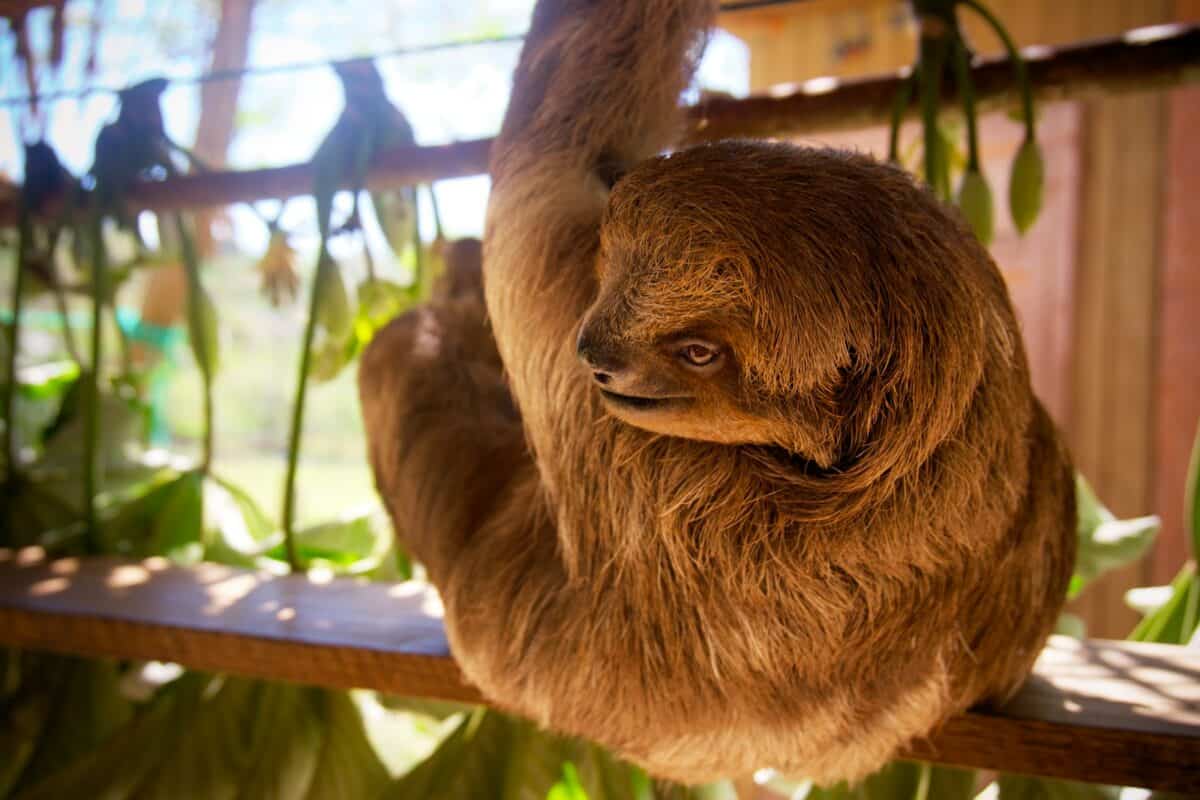
Another reason sloths sleep so much is for protection! When a sloth is sleeping, it’s nearly invisible among the leaves and branches. Their fur often has a greenish tint because of the algae growing on it, making them look just like part of the tree. Predators hunt by looking for movement, so by staying still for most of the day, sloths make themselves very hard to spot. This clever camouflage strategy helps these defenseless animals survive in forests full of hungry predators. So when sloths are sleeping, they’re actually using a brilliant hiding technique!
Temperature Control and Sleep
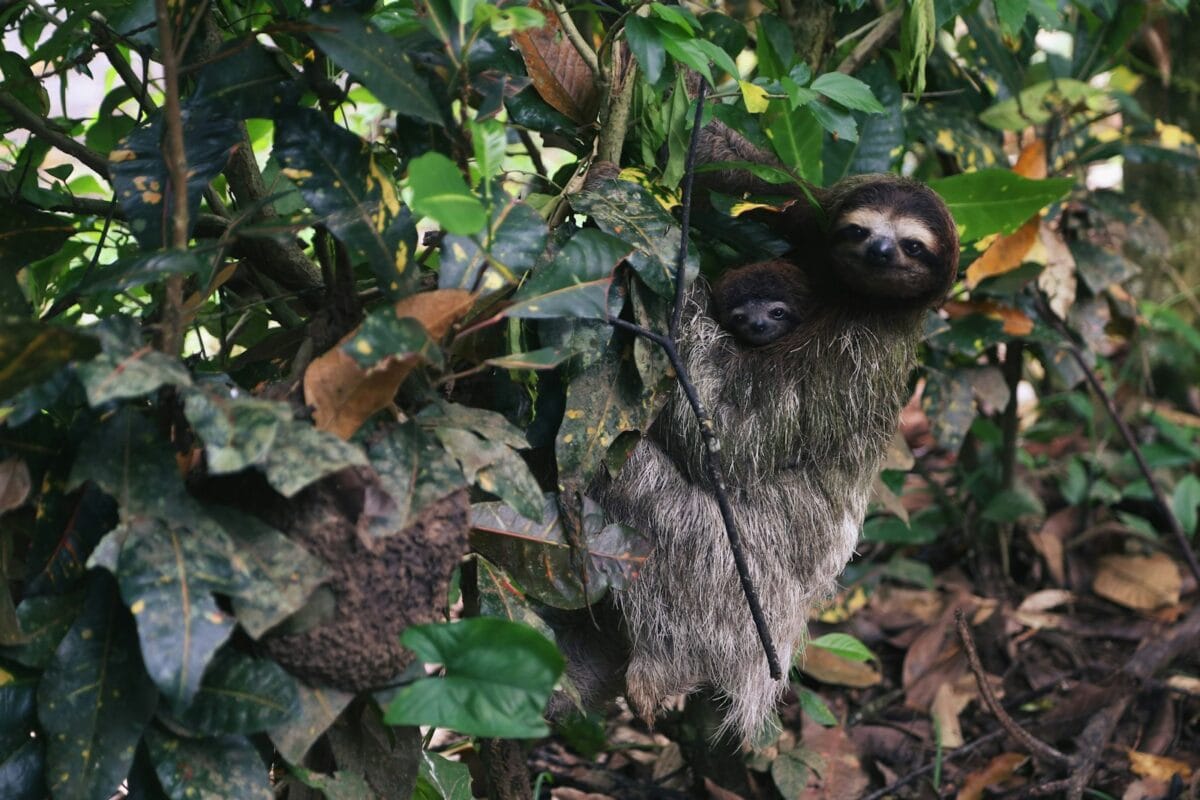
Sloths are what scientists call “cold-blooded” – not exactly like reptiles, but they have trouble controlling their body temperature. Unlike most mammals who keep a steady warm temperature, sloths’ body temperature can change depending on their surroundings, ranging from 74°F to 92°F (24°C to 33°C). When the forest gets cooler, especially at night, sloths slow down even more. Their bodies enter a kind of “power-saving mode” where they move less and sleep more to conserve heat and energy. This is similar to how some animals hibernate, but sloths do this daily rather than seasonally.
The Amazing Sloth Brain

A sloth’s brain works differently from ours, and this affects how much they sleep. Their brains are much smaller compared to their body size than human brains. Scientists have discovered that animals with larger brains compared to their body size (like humans, dolphins, and elephants) tend to sleep less than animals with smaller brains. Sloths have smaller brains that require less energy to function, and they don’t need to process as much information as we do. Their simple lifestyle in the treetops doesn’t require complex thinking or learning new skills, so their brains evolved to need more rest time.
Dreaming Sloths: Do They Dream Like Us?

You might wonder if sloths dream during their long hours of sleep. While we can’t know for sure what goes on in a sloth’s mind, scientists believe that most mammals experience some form of dreaming. Sloths do enter REM sleep (Rapid Eye Movement), which is when most dreaming happens in humans. During this phase, you might notice a sleeping sloth’s eyes moving beneath their closed eyelids or their paws twitching slightly. Perhaps they’re dreaming about finding the perfect juicy leaves or snuggling into a cozy branch! Their dreams likely reflect their simple daily activities, just as our dreams often feature elements from our own lives.
Night Owls or Early Birds?

Interestingly, different types of sloths sleep at different times. Three-toed sloths are diurnal, which means they’re more active during the day and sleep more at night (though they take plenty of naps during daylight hours too!). Two-toed sloths, on the other hand, are nocturnal, preferring to be active at night and sleep during the day. Both types still get their 15-20 hours of sleep, just at different times! This difference might be related to avoiding predators or reducing competition for food. By being active at different times, different sloth species can share the same forests without getting in each other’s way.
When Sloths Wake Up

What do sloths do during the few hours they’re awake? They spend most of their awake time eating leaves, flowers, and small twigs. Eating is a slow process for sloths too! They use their long arms to pull branches closer to their mouth and then nibble on the leaves with their small, peg-like teeth. About once a week, a sloth will climb down from its tree to poop on the ground – this is one of the few times they leave the safety of the treetops. This journey is dangerous as they move even more slowly on the ground, and it can take them an entire day just to go to the bathroom and climb back up! The rest of their awake time might involve changing trees or finding a mate, both of which they do… you guessed it… very slowly!
Sleep Champions of the Animal Kingdom
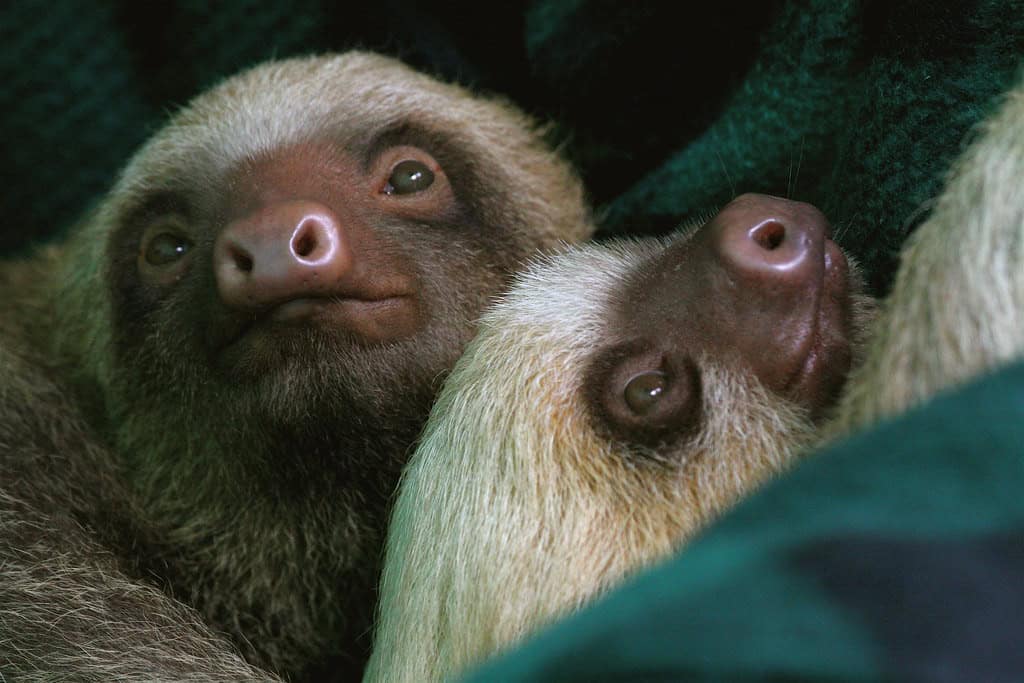
While sloths sleep a lot – 15 to 20 hours a day – they’re actually not the sleepiest animals in the world! That title goes to koalas, who can sleep up to 22 hours daily. Other super sleepers include giant armadillos (about 18-20 hours), opossums (about 18 hours), and bats (up to 20 hours). On the other end of the spectrum, giraffes only sleep about 30 minutes to 2 hours per day, often just a few minutes at a time! Each animal’s sleep requirements have evolved to match their lifestyle, diet, and survival needs. Sloths have simply developed a lifestyle where sleeping a lot makes perfect sense for their survival in the rainforest.
How Baby Sloths Learn to Sleep

Baby sloths (called “cubs”) learn the sleepy lifestyle from their mothers. A baby sloth spends its first few months clinging to its mother’s fur as she moves slowly through the trees. During this time, the baby sleeps when mom sleeps and watches closely as she finds food and navigates the forest canopy. Baby sloths typically stay with their mothers for about six months to a year before becoming independent. Even as babies, they already sleep a lot! This long period with their mothers helps them learn everything they need to know about being a proper sloth – including mastering the art of sleeping while hanging upside down without falling!
Why We Should Appreciate Sloth Sleepiness

Sloths’ sleepy lifestyle isn’t lazy at all – it’s actually a brilliant survival strategy that has helped these amazing animals exist for over 40 million years! By moving slowly and sleeping most of the day, sloths conserve precious energy, stay hidden from predators, and make the most of their limited diet. Their unique approach to life teaches us that sometimes going slow and taking plenty of rest is the smartest way to live. Sloths remind us that every animal has adapted to its environment in special ways. In a world where everything seems to move faster and faster, sloths show us the wisdom of taking things slow. So next time someone calls you a “sloth” for sleeping in, you can tell them you’re just being as clever as one of nature’s most successful survivors!

- Essential Grooming Tips to Keep Your Pup’s Coat Healthy! - July 30, 2026
- 17 “Forever Puppy” Dog Breeds With Baby Personalities - July 29, 2026
- How Each Zodiac Sign Would Fare as an Animal in the Jungle - July 29, 2026