


In early April 2025, Kenyan wildlife authorities made a surprising discovery: over 5,000 ants packed in test tubes and syringes, intended for the exotic pet market. Two 19-year-old Belgian nationals, Lornoy David and Seppe Lodewijckx, were arrested and later pleaded guilty to wildlife piracy. This case has highlighted a growing trend in wildlife trafficking—targeting less conspicuous creatures like insects.
A Shift in Wildlife Trafficking Trends
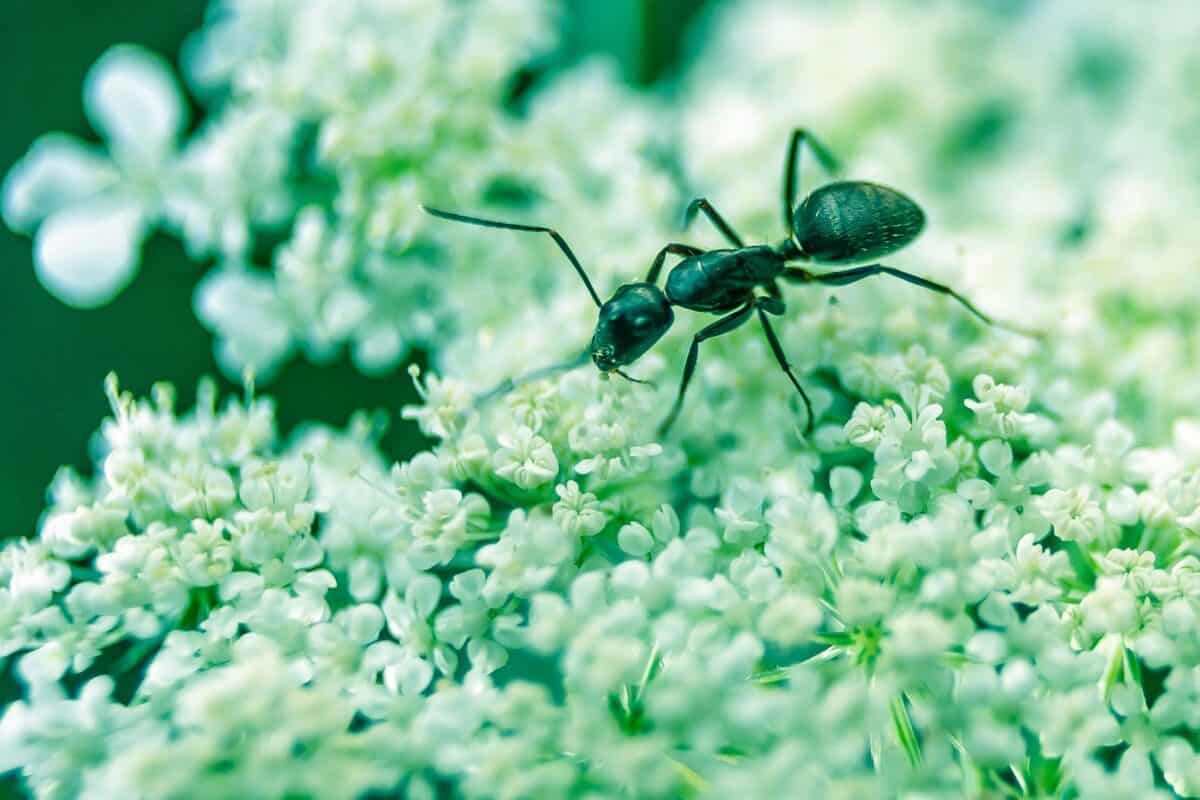
Traditionally, wildlife trafficking has focused on large mammals, but authorities are now observing a shift towards smaller species. The seized ants, including the Messor cephalotes species native to East Africa, are prized in the exotic pet trade for their unique behaviors and colony-building skills. Collectors often keep them in specialized habitats known as formicariums.
Ecological Implications
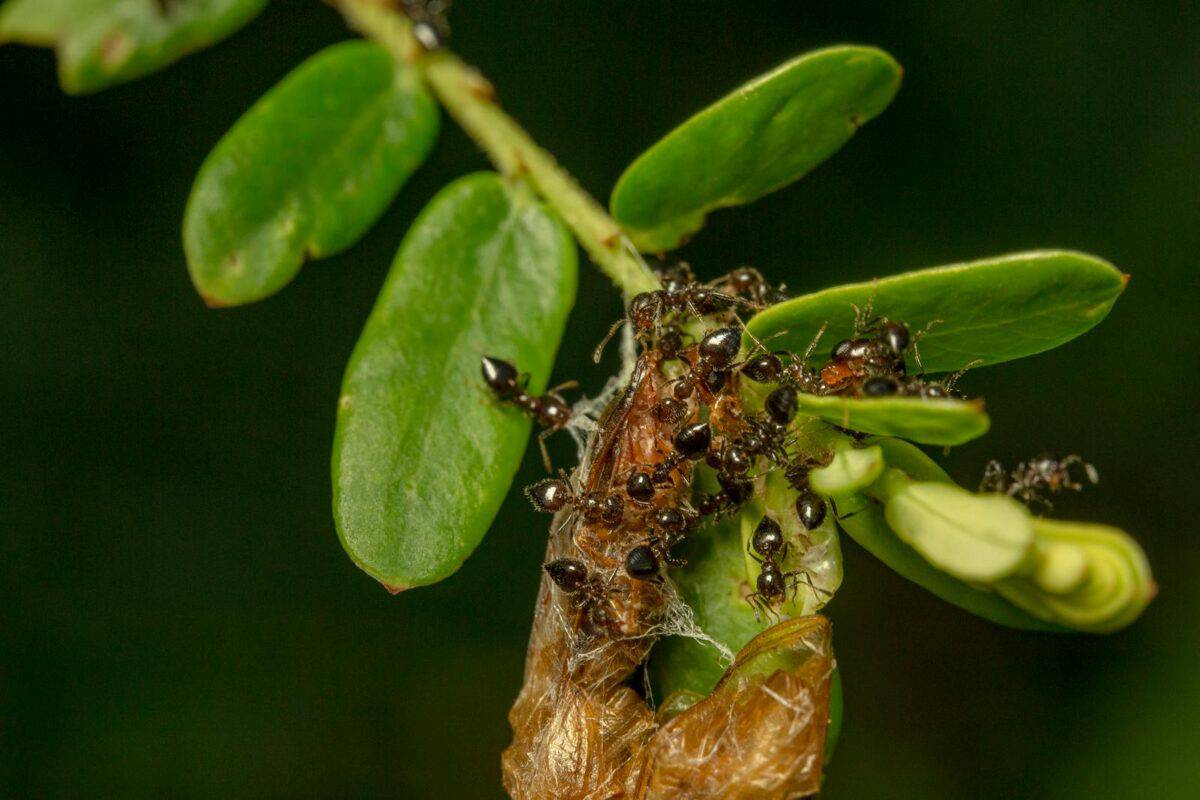
Experts warn that removing ants from their natural habitats can disrupt ecosystems. Harvester ants play a crucial role in seed dispersion and soil enrichment. Their absence could have cascading effects on the environment, affecting other species and plant life.
Legal and Conservation Efforts

The Kenyan Wildlife Service (KWS) has emphasized the importance of protecting all species, not just the iconic ones. They advocate for sustainable practices, such as controlled insect rearing, to support both conservation and local livelihoods. The case of David and Lodewijckx serves as a reminder of the evolving challenges in wildlife protection and the need for comprehensive strategies to address them.

adventuring, photography and videography. I am currently working towards a BSc in Biodiversity and Ecology at Stellenbosch University to go on to specialise in Marine Sciences one day.
Please send any feedback to Feedback@animalsaroundtheglobe.com
- Moo Deng the Pygmy Hippo Turns One - July 22, 2026
- How One Fish is Emptying Senegal’s Waters - July 21, 2026
- Capuchin Monkeys Caught on Camera ‘Kidnapping’ Baby Howlers in Bizarre Primate Behavior - July 21, 2026