


In the diverse world of entomology, discoveries continue to challenge our understanding of insect lifespans and survival capabilities. Recent scientific reports have sparked excitement about potential record-breaking longevity in the insect kingdom. While insects typically live short lives measured in days, weeks, or months, certain species defy these norms with remarkably extended lifespans. A recent scientific expedition has uncovered evidence that may rewrite our understanding of insect longevity—but does this truly represent the discovery of the longest-living insect on Earth? This article explores this fascinating question, examining the recent findings while placing them in the context of what we already know about exceptional insect lifespans.
The Recent Discovery in Question

The scientific community recently turned its attention to a remarkable finding in a remote forest system in Australia, where researchers documented what appears to be an extraordinarily long-lived termite queen. This particular specimen, belonging to the species Mastotermes darwiniensis (commonly known as the Darwin termite), was estimated to be between 50-60 years old based on colony growth patterns and radiocarbon dating of the nest structure. The discovery was made during a comprehensive ecological survey of ancient termite mounds in Northern Australia’s tropical wilderness. While this finding represents an impressive example of insect longevity, scientists remain cautious about declaring it definitively as the longest-living insect ever discovered, as accurate age determination in social insects presents numerous methodological challenges.
Understanding Insect Lifespans
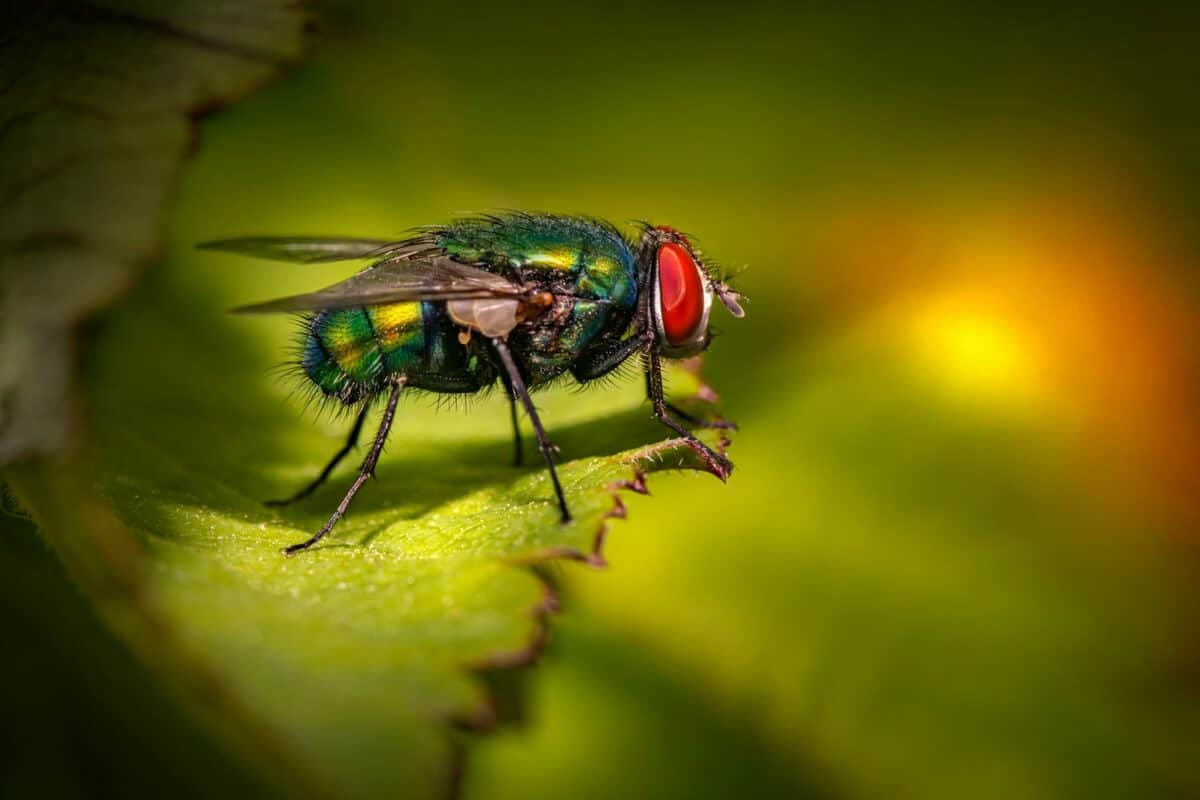
Most insects have remarkably short lives compared to vertebrates. The common housefly lives approximately 28 days, while many mosquito species survive for only a few weeks. These brief lifespans are often adaptations to high predation rates, seasonal changes, and reproductive strategies that favor rapid development and numerous offspring rather than individual longevity. However, there exists significant variation across the roughly one million described insect species. Factors influencing insect lifespan include metabolic rate, reproductive strategy, environmental conditions, social structure, and ecological niche. Some insects enter diapause—a state of suspended development—which can significantly extend their lifespans under certain conditions. Understanding these factors provides essential context for evaluating claims about exceptionally long-lived insects.
The Termite Queen Phenomenon
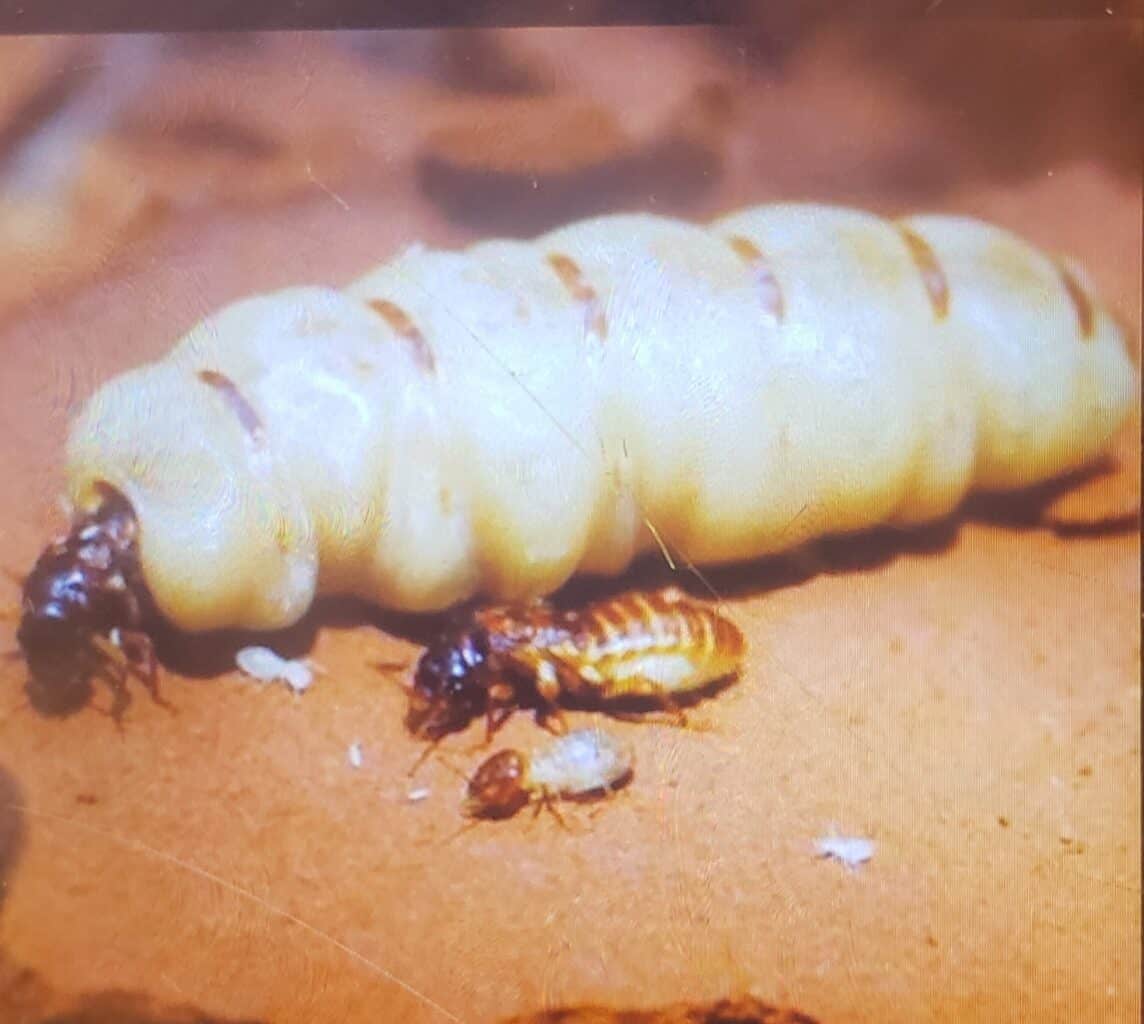
Termite queens represent some of the longest-lived insects known to science. Unlike solitary insects, termite queens have evolved extraordinary longevity to support their colony’s reproductive needs over decades. The queen’s extended lifespan ensures genetic continuity within the colony while maximizing reproductive output. In established colonies, queens can produce thousands of eggs daily, sometimes exceeding one million eggs annually.
The recent discovery in Australia builds upon previous documentation of termite queens living between 30-50 years in protected environments within their colonies. The complex social structure of termite colonies, featuring specialized worker castes that attend to the queen’s needs, creates ideal conditions for extended longevity. This social support system, combined with the protected environment of the royal chamber, shields the queen from predators and environmental stressors that typically limit insect lifespans.
Previous Longevity Record Holders

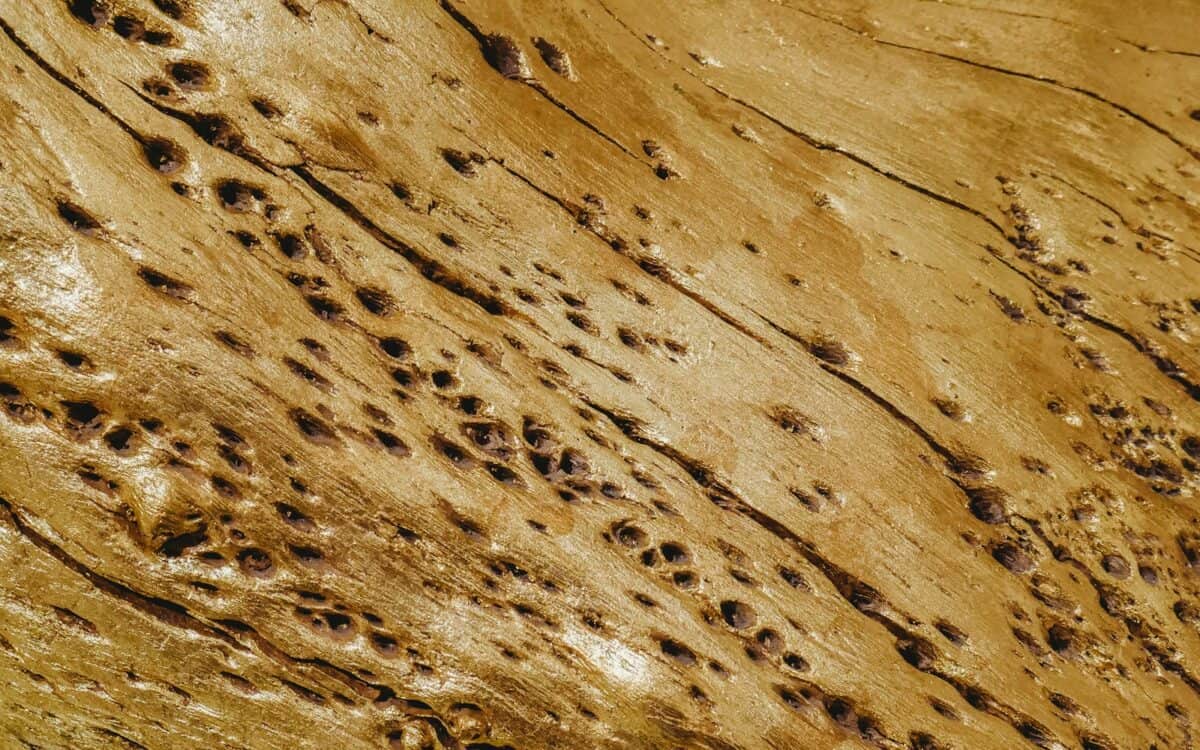
Before this recent discovery, several insect species held impressive longevity records. The queen of the black garden ant (Lasius niger) has been documented living up to 28-30 years in laboratory conditions. Similarly, queens of certain ant species in the genus Formica have survived for 20+ years. Wood-boring beetle species, particularly those in the family Cerambycidae, demonstrate remarkable longevity, with some specimens living for over 30 years in their larval stage before emerging as adults.
The 17-year and 13-year periodical cicadas (Magicicada species) spend most of their lives underground as nymphs before emerging for their brief adult phase. However, these examples typically represent maximum recorded lifespans under ideal conditions rather than typical longevity in wild populations. The field of insect longevity remains active, with new discoveries continually refining our understanding of maximum potential lifespans across different taxonomic groups.
Scientific Methods for Age Determination
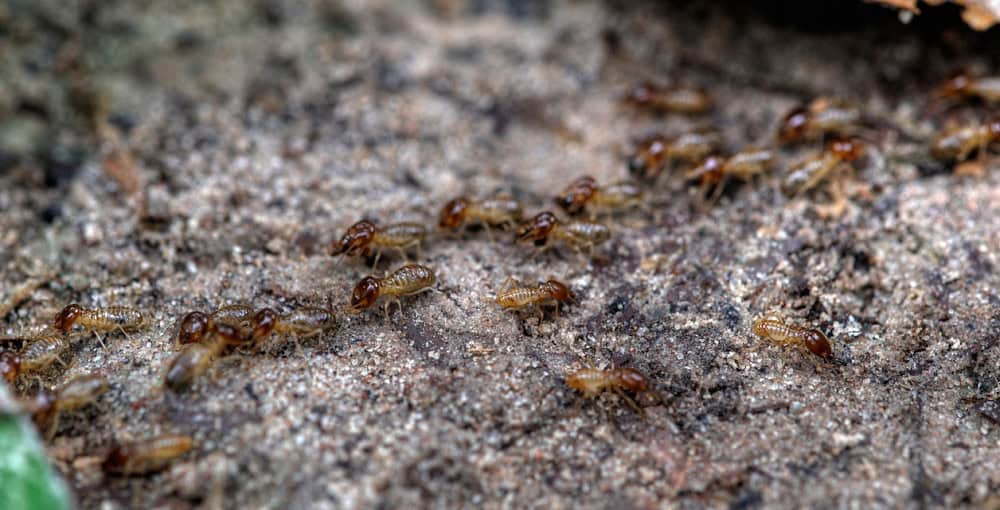
Accurately determining the age of insects presents significant scientific challenges. Unlike vertebrates, insects lack growth rings or other easily identifiable age markers. Instead, researchers employ multiple methods to estimate insect age. For social insects like termites, colony size and structure provide indirect evidence of queen age, as established colonies typically develop predictable growth patterns over time. Radiocarbon dating of nest materials can establish minimum age thresholds for continuously inhabited structures.
Mark-recapture studies, while labor-intensive, allow for direct observation of individuals over time. Biochemical methods, including the measurement of age-related compounds like pentosidine or the accumulation of fluorescent pigments, offer promising approaches for age estimation in insects. For the Australian termite discovery, scientists combined morphological analysis, colony demographics, and dating of nest structures to arrive at their age estimate. Despite these sophisticated approaches, absolute age determination remains challenging, particularly for species with multidecadal lifespans.
The Evolutionary Advantage of Longevity
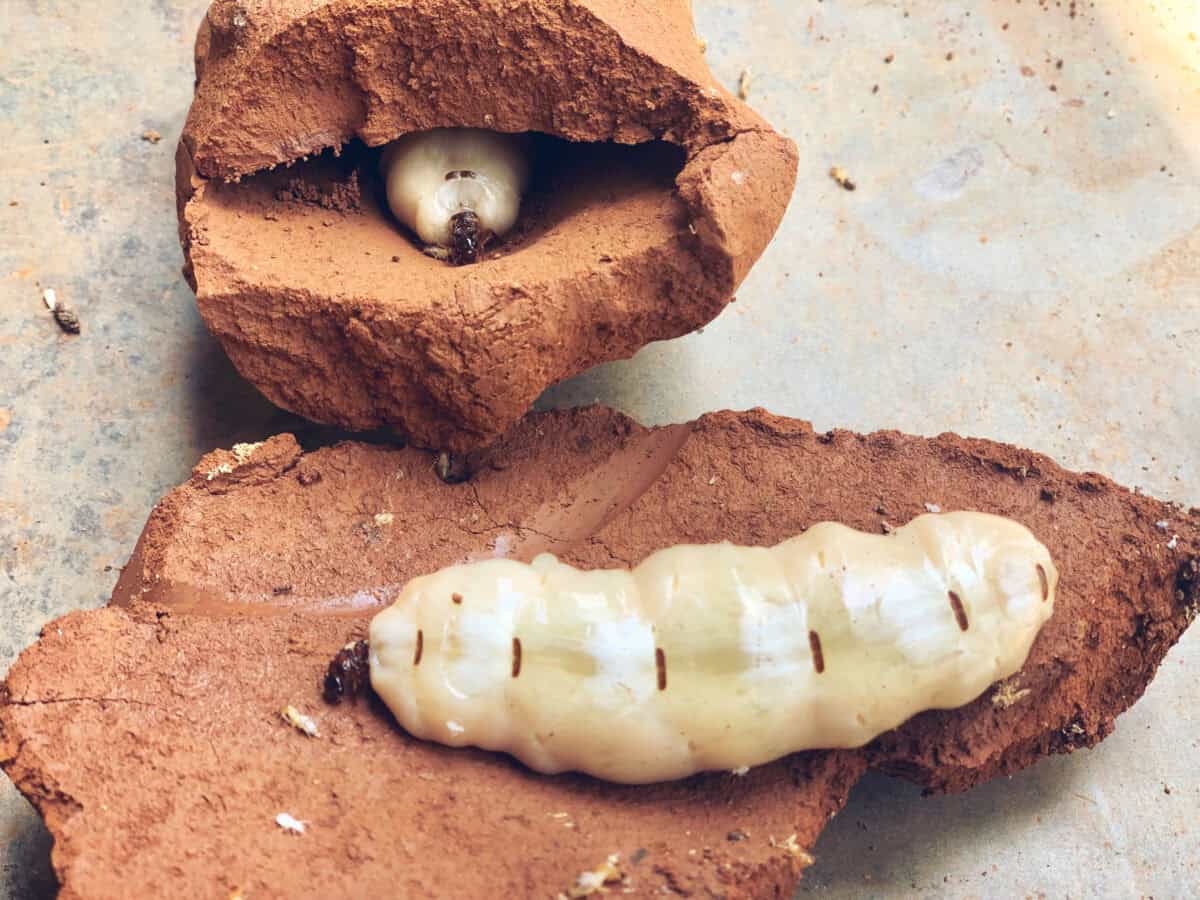
The evolution of extended lifespans in certain insect species represents a fascinating case of adaptation to specific ecological niches. For social insects like termites and ants, queen longevity provides evolutionary advantages by ensuring genetic continuity and maximizing reproductive output over extended periods. This strategy proves particularly beneficial in stable environments where colony establishment requires significant investment. Long-lived queens can produce millions of offspring throughout their lifetime, far exceeding the reproductive potential of short-lived solitary insects.
For wood-boring beetles with lengthy larval stages, extended development allows individuals to exploit nutrient-poor resources like dead wood that would be insufficient for rapid development. The periodical cicadas’ long underground phase represents yet another evolutionary strategy, allowing these insects to overwhelm predators through synchronized emergence after years of development. These varied examples demonstrate how longevity evolves as an adaptive trait shaped by specific ecological pressures rather than as a universal advantage across all insect groups.
Comparing Insect Longevity to Other Animals

When placed in broader context, even the longest-lived insects have relatively brief lifespans compared to many vertebrates. The Greenland shark can live over 400 years, certain tortoise species regularly exceed 150 years, and some bivalve mollusks like the ocean quahog have documented lifespans exceeding 500 years. Among invertebrates, sea anemones and certain sponge species can live for centuries. However, when considering body size and metabolic rate, many long-lived insects actually outlive comparable vertebrates on a proportional basis.
A termite queen living 50+ years represents extraordinary longevity for an organism with such a high metabolic rate and small body size. This exceptional longevity becomes even more remarkable when considering that most insects complete their entire life cycles within a single year. The longevity of certain insect queens suggests the evolution of specialized mechanisms for cellular maintenance and repair that delay senescence—mechanisms that continue to intrigue researchers studying aging across animal groups.
Factors That Contribute to Extended Insect Lifespans
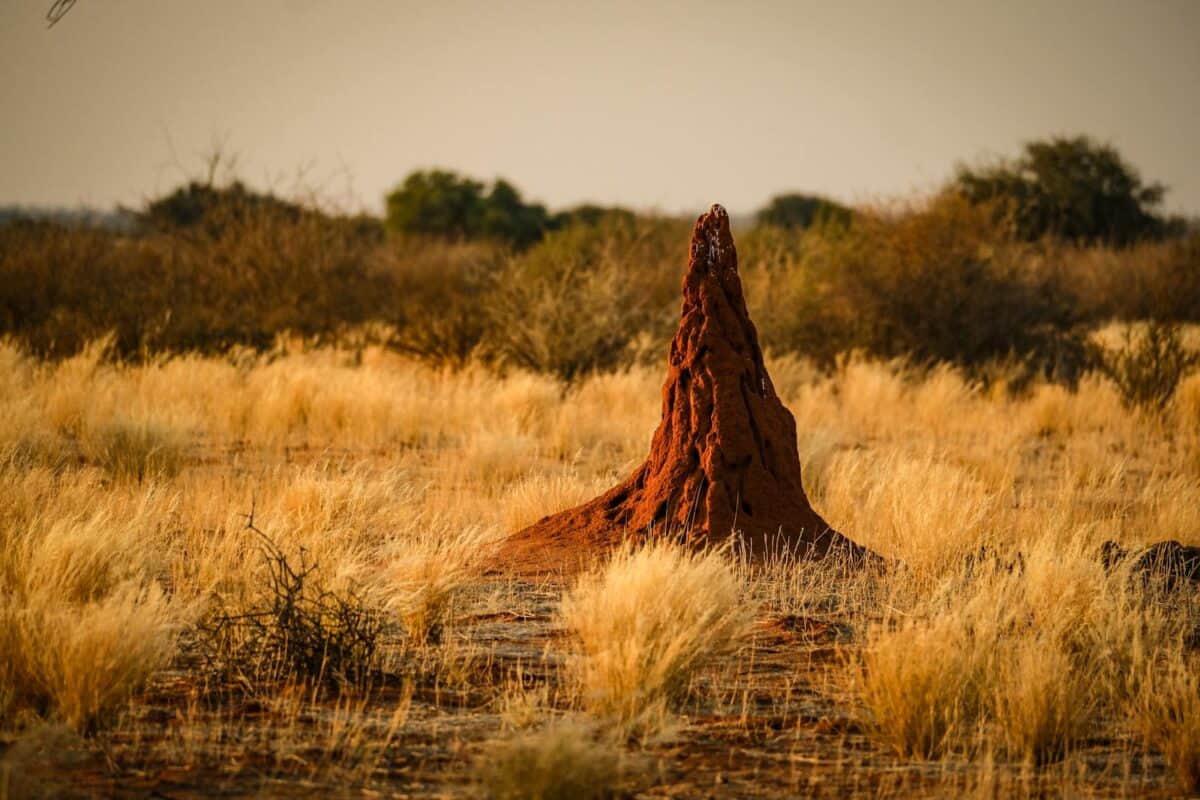
Several biological and environmental factors contribute to extended lifespans in certain insect species. Social structure plays a crucial role for termites and ants, where workers protect the queen and provide nutrition, significantly reducing mortality risks. Reproductive division of labor allows queens to divert resources toward somatic maintenance rather than continuous reproduction, though they still produce eggs at remarkable rates. Metabolic regulation appears in many long-lived insects, with some species capable of entering diapause or other states of reduced metabolic activity during unfavorable conditions.
Efficient DNA repair mechanisms help maintain genetic integrity over extended periods, preventing the accumulation of mutations that could lead to cellular dysfunction. Environmental protection creates physical barriers against predators and pathogens, with termite queens residing deep within fortified mounds that maintain stable temperature and humidity. Specialized nutrition provided by worker castes ensures optimal resource allocation for longevity and reproduction. These factors work in concert to extend lifespans far beyond what would be typical for solitary insects exposed to environmental stressors.
Challenges in Studying Long-Lived Insects

Studying insects with multi-decade lifespans presents significant methodological challenges for researchers. The timeframe required for longitudinal studies often exceeds the professional careers of individual scientists, necessitating institutional commitment to multi-generational research programs. Access to specimens presents another challenge, particularly for social insects living in remote locations or deep within protected structures like termite mounds. Maintaining laboratory colonies for verification studies requires specialized expertise and facilities capable of replicating complex environmental conditions.
The ability to distinguish between maximum potential lifespan and typical longevity in wild populations remains difficult, as laboratory conditions may artificially extend or reduce natural lifespans. Additionally, ethical considerations arise when studying rare or ecologically important species, particularly when research requires destructive sampling of colonies. These practical challenges explain why our knowledge of insect longevity remains incomplete despite centuries of entomological research. The recent Australian termite discovery exemplifies how fieldwork in remote areas continues to yield important insights into extreme biological adaptations.
Implications for Understanding Aging
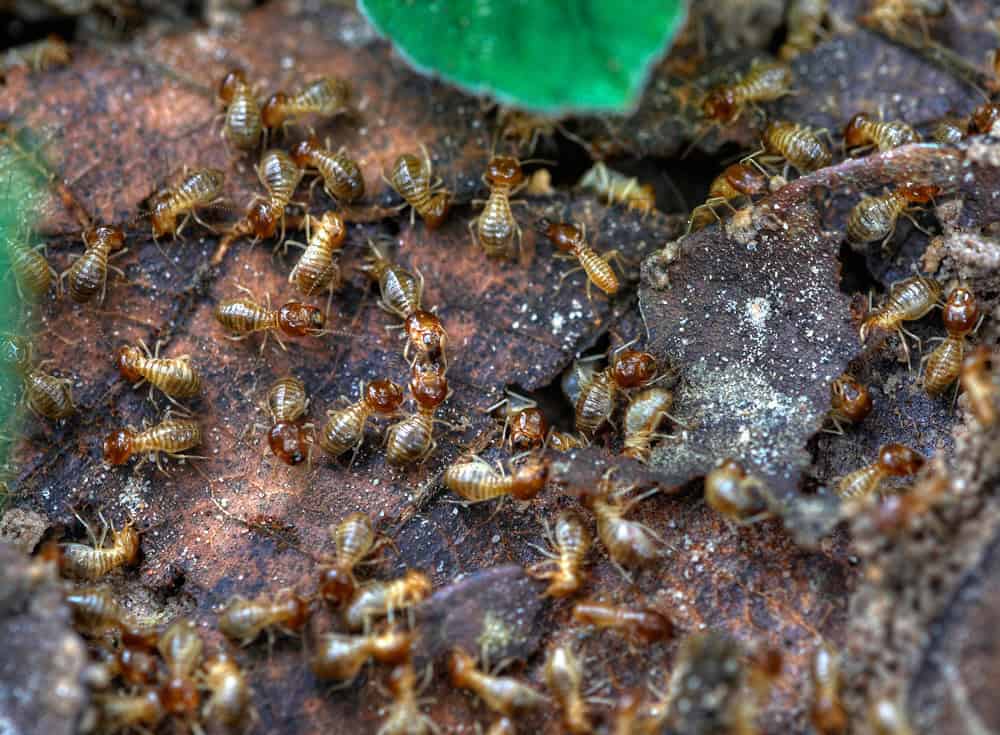
The study of exceptionally long-lived insects offers valuable insights into the biological mechanisms underlying aging and longevity. Social insects like termites and ants demonstrate remarkable plasticity in lifespan between castes despite shared genetic backgrounds, suggesting that environmental factors and gene expression patterns strongly influence aging processes. The contrasting lifespans between workers (typically months to years) and queens (decades) provides a natural experimental system for studying how similar genomes can produce dramatically different longevity outcomes.
Research into these insects has identified specialized molecular pathways that may delay senescence, including enhanced antioxidant systems, efficient DNA repair mechanisms, and regulated inflammatory responses. These insights have potential applications beyond entomology, potentially informing broader research into aging across animal taxa, including humans. The biological mechanisms allowing a termite queen to maintain reproductive capacity and physiological function for decades despite high metabolic demands may reveal novel approaches for addressing age-related diseases and promoting healthy longevity in other species.
Other Notable Insect Longevity Records
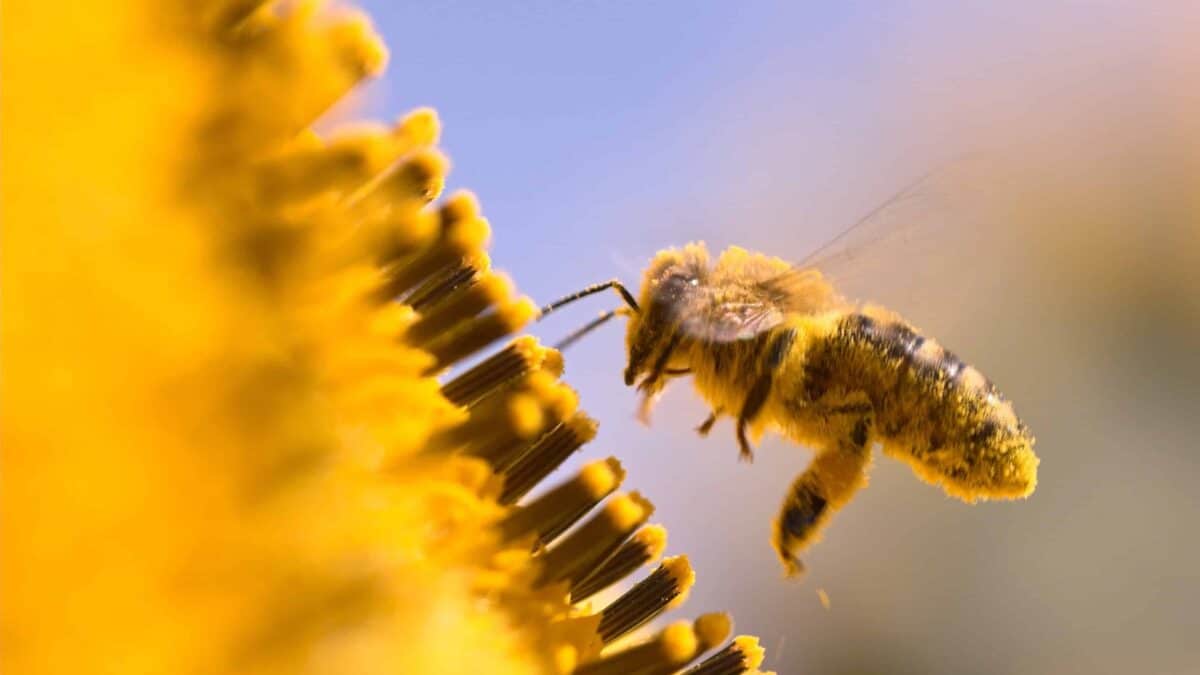
Beyond the headline-generating termite discovery, several other insects deserve recognition for their exceptional lifespans. The queen honey bee (Apis mellifera) typically lives 2-5 years while producing up to 2,000 eggs daily—a lifespan dramatically longer than worker bees, which live only 6-8 weeks during active seasons. Certain wood-boring beetle larvae can remain in their developmental stage for decades before emerging as adults. The eastern subterranean termite (Reticulitermes flavipes) queen has documented lifespans exceeding 30 years.
Among butterflies, the Brimstone butterfly (Gonepteryx rhamni) holds a longevity record of 13 months in the adult stage—exceptional for a lepidopteran. The adult form of the mayfly represents the opposite extreme, living only 24 hours or less—enough time to mate but not to feed. This tremendous diversity in insect lifespans, ranging from hours to decades, illustrates the remarkable evolutionary adaptability of insects to different ecological niches and reproductive strategies. Each extreme case provides valuable insights into the biological determinants of longevity across the animal kingdom.
Future Research Directions

The discovery of potentially record-breaking insect longevity opens several promising avenues for future research. Comparative genomic studies between short-lived and long-lived insect species may identify genetic factors contributing to extended lifespans. Advances in non-invasive monitoring technologies will allow researchers to study queens in their natural environments without disrupting colonies, providing more accurate longevity data. Emerging techniques in age biomarkers offer potential breakthroughs in precise age determination for insects.
Large-scale citizen science projects could expand monitoring of established colonies across different geographic regions, creating valuable longitudinal datasets. The application of machine learning to analyze complex patterns in colony development may improve age estimation methodologies. As climate change alters habitats worldwide, understanding how environmental factors influence insect longevity becomes increasingly important for conservation efforts. Interdisciplinary collaboration between entomologists, gerontologists, and molecular biologists promises to yield deeper insights into the mechanisms underlying extreme longevity in the insect world, potentially informing broader research into aging processes across diverse animal groups.
Conclusion: Redefining Our Understanding of Insect Lifespans
The recent discovery of the potentially record-breaking termite queen represents an important contribution to our evolving understanding of biological longevity. While scientists remain appropriately cautious about definitively declaring this specimen as the longest-living insect ever discovered, the evidence strongly suggests it ranks among the most exceptional cases of insect longevity documented to date.
This finding reminds us that the natural world continues to surprise researchers, even in seemingly well-studied areas like entomology. As research techniques advance and more remote habitats are systematically studied, we may uncover even more remarkable examples of extreme adaptation. The stark contrast between the brief lives of most insects and the decades-long existence of certain social insect queens demonstrates the extraordinary plasticity of lifespan as an evolved trait. By continuing to investigate these biological extremes, scientists gain valuable insights into the fundamental processes that govern aging and longevity across all living organisms, potentially informing future advances in human health and wellbeing.

From exploring the marine wonders in the Azores and witnessing the vast savannas of Kenya, to delving deep into the rich biodiversity of South Africa and traversing iconic landscapes in Australia and the US like Yellowstone, Chris's experiences are vast.
With a penchant for diving alongside sharks, the ocean holds a special place in his heart.
Through his academic insights, he champions wildlife conservation, striving with 'Animals Around The Globe' to cultivate a profound connection between humans and animals, enhancing our mutual appreciation.
Connect with him at Feedback@animalsaroundtheglobe.com.
- How Tigers Mark Their Territory Using Scent and Scratches - July 29, 2026
- The Deadly Volcano That Erased a Town Is Now Active Again - July 29, 2026
- 12 Deep Sea Animals With Terrifying Adaptations - July 29, 2026