


Worried about unexpected vet bills?
Pet insurance can cover thousands in unexpected vet costs. Get a free quote from Lemonade in under 2 minutes.
Get My Free Quote →Sponsored · Opens Lemonade.com
Botanical gardens represent some of the most vibrant ecosystems in urban and suburban environments, creating havens where birds thrive among carefully curated plant collections. These living museums offer more than just beautiful landscapes for human visitors—they provide critical habitat for resident and migratory birds in increasingly developed areas. With their diverse plantings, water features, and protected spaces, botanical gardens have become essential sanctuaries for avian life and premier destinations for birdwatchers of all experience levels. The relationship between birds and botanical gardens highlights the delicate balance of conservation and education, allowing visitors to witness firsthand how thoughtful landscape design can support biodiversity. This article explores why birds are naturally drawn to botanical gardens and offers guidance on how to spot and appreciate the feathered visitors that call these spaces home.
The Perfect Habitat Mosaic

Botanical gardens intentionally create diverse habitat mosaics that attract a wide variety of bird species. Unlike typical urban parks with limited plant diversity, botanical gardens feature carefully planned collections representing different ecosystems—from native woodlands and meadows to tropical conservatories and desert houses. This variety of habitats within a relatively small area creates ecological niches that support birds with different feeding and nesting requirements. A garden might include dense shrubs where thrushes can nest, open lawns where robins hunt for worms, tall trees where woodpeckers forage, and water features attracting ducks and herons. Research shows that botanical gardens with greater plant diversity consistently host more bird species, with some major gardens recording over 150 bird species throughout the year—an impressive number for urban or suburban environments.
Year-Round Food Sources
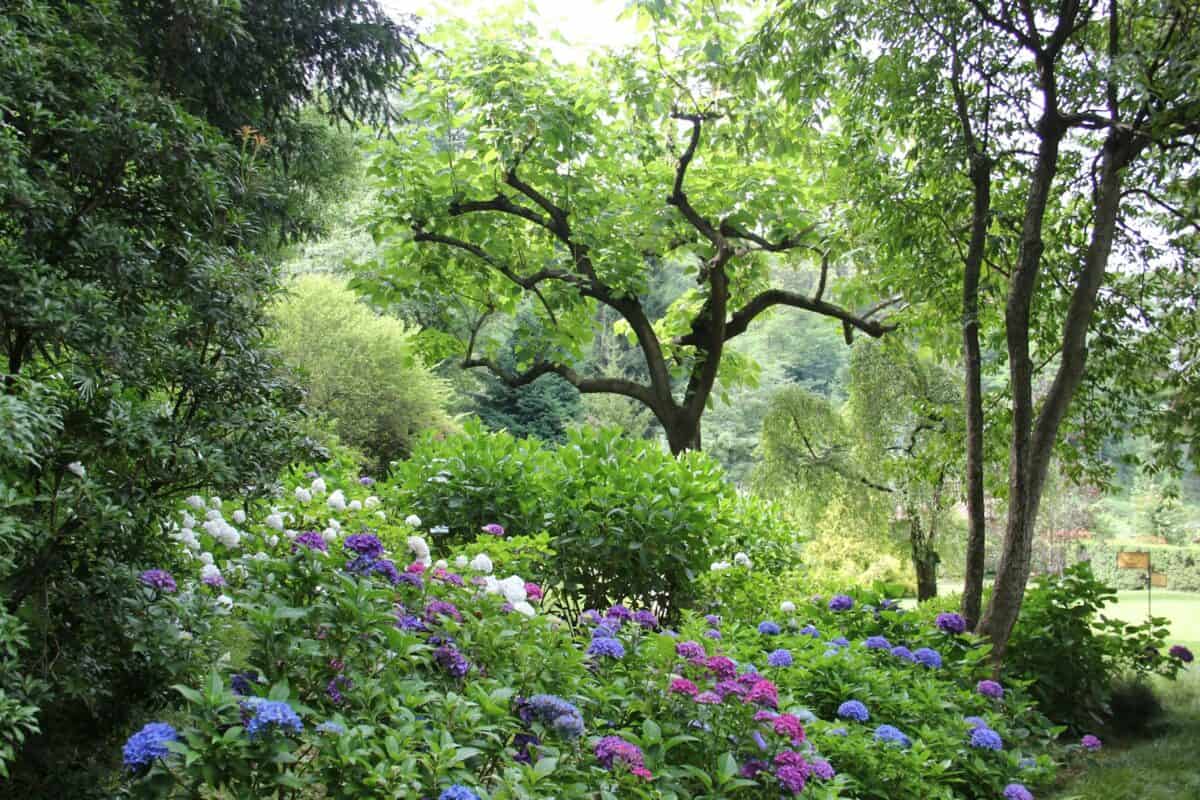
One of the primary attractions for birds in botanical gardens is the reliable, year-round food supply. Gardens typically maintain plants that produce seeds, fruits, and berries maturing at different times throughout the seasons. Native plant collections are particularly valuable, as they provide the exact food sources that local birds have evolved to depend upon. For example, coneflowers (Echinacea) and sunflowers offer seeds for finches and sparrows in late summer and fall, while serviceberry (Amelanchier) and dogwood (Cornus) trees provide berries eagerly consumed by thrushes, waxwings, and robins. Even in winter, botanical gardens maintain plants with persistent fruits and seeds, such as viburnums and grasses, that sustain resident birds during challenging months. Additionally, the diverse plantings support rich insect populations—essential protein sources for many bird species, especially during nesting season when growing chicks require high-protein diets.
Shelter and Nesting Opportunities
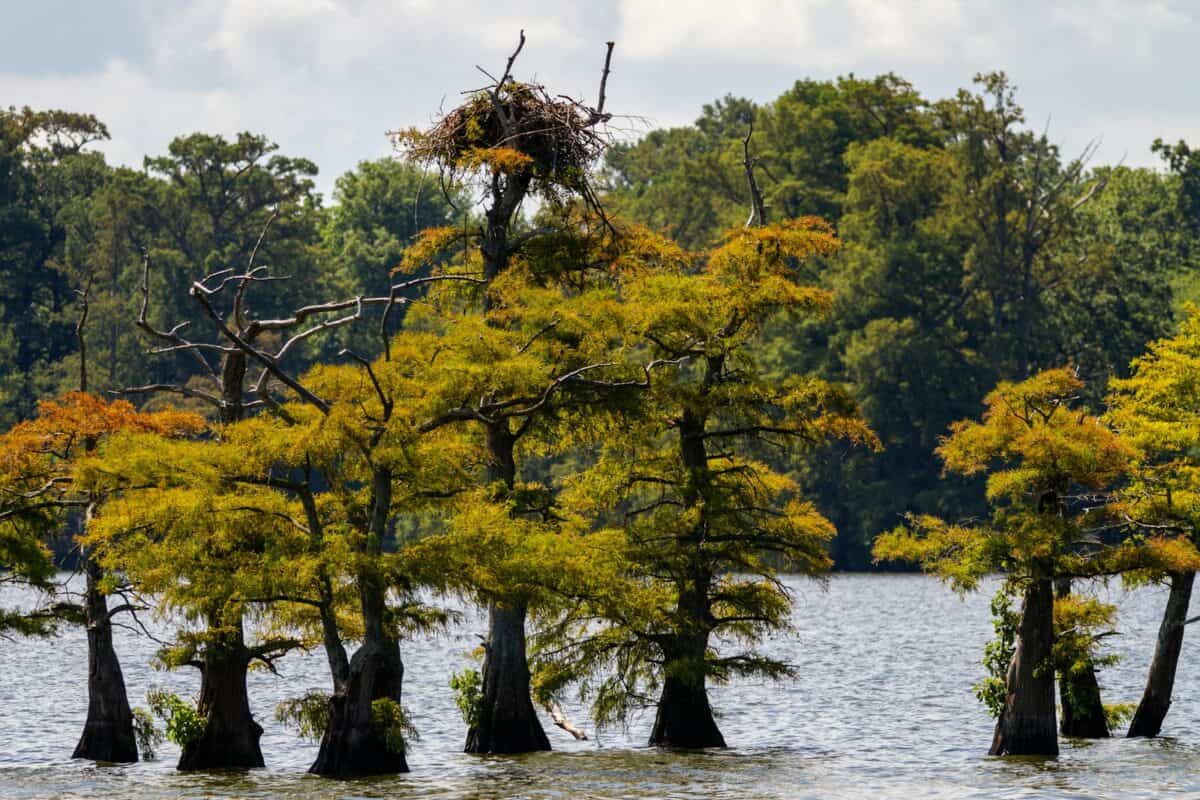
Botanical gardens provide critical shelter and nesting sites through their diverse vegetation structures. The vertical layering of plants—from ground covers and shrubs to understory and canopy trees—creates multiple levels where birds can find protection from predators and weather extremes. Evergreen collections offer year-round shelter, while dense thickets provide secure nesting sites. Many gardens now intentionally leave some dead trees (snags) standing as valuable habitat for cavity-nesting species like woodpeckers, nuthatches, and chickadees. Research conducted at botanical gardens worldwide has documented the importance of structural diversity in supporting bird populations. A study at the Chicago Botanic Garden found that areas with complex vegetation structure hosted twice as many nesting bird species compared to sections with simpler layouts. This shelter diversity makes botanical gardens particularly important stopping points for migratory birds needing safe resting places during their long journeys.
Water Features as Bird Magnets

Water features rank among the most reliable bird attractants in botanical gardens. From formal reflecting pools to naturalistic streams and ponds, water draws birds for drinking, bathing, and—in some cases—feeding. Birds require regular access to water, especially during hot summer months or in arid regions. Waterfowl like ducks, geese, and herons may take up residence around larger ponds, while songbirds are drawn to shallow edges and moving water features. The sound of dripping or flowing water is particularly effective at attracting birds, which explains why gardens with fountains, waterfalls, or streams often host greater bird activity. Many botanical gardens have designed specialized water features with bird-friendly elements like gently sloped edges, varying depths, and nearby protective cover—features that encourage extended bird visits and provide excellent observation opportunities for visitors. During migration seasons, water features become especially important rest stops for traveling birds, making these areas prime spotting locations for unusual visitors.
Reduced Human Disturbance

While botanical gardens welcome human visitors, they typically provide more protection from disturbance than standard public parks. Many gardens include restricted areas, research sections, or naturally secluded spaces where birds can find refuge from human activity. Visitors tend to stay on designated paths, creating predictable patterns of human movement that allow birds to adapt and become relatively habituated to people. This controlled environment helps explain why some normally shy species become more observable in botanical garden settings. Gardens frequently enforce regulations against off-leash dogs, loud music, and other disruptive activities that would otherwise drive away sensitive bird species. The combination of human presence (which deters some natural predators) and controlled visitation creates a semi-protected environment where birds can thrive while remaining accessible to observers. Many botanical gardens also maintain early morning hours specifically for birdwatchers and photographers, providing opportunities to view birds during their most active periods before larger crowds arrive.
Native Plant Collections and Bird Relationships
The native plant collections in botanical gardens play a crucial role in supporting local bird populations. Native plants and native birds have co-evolved over thousands of years, developing intricate relationships that non-native ornamentals often cannot replicate. For example, North American oak trees support over 500 species of caterpillars—essential food for nesting chickadees, warblers, and other insectivorous birds. A single pair of chickadees needs 6,000-9,000 caterpillars to raise one brood of young. Botanical gardens increasingly emphasize these ecological connections through dedicated native plant sections that demonstrate bird-friendly landscaping. These areas become living laboratories for studying plant-bird interactions and often host the highest concentration of bird activity within a garden. The National Audubon Society’s research indicates that botanical gardens with substantial native plant collections typically support 60% more bird species than those dominated by exotic plantings alone. This scientific understanding has led many botanical gardens to incorporate more native species into their collections, creating better bird habitat while educating visitors about sustainable landscaping practices.
Essential Birdwatching Equipment
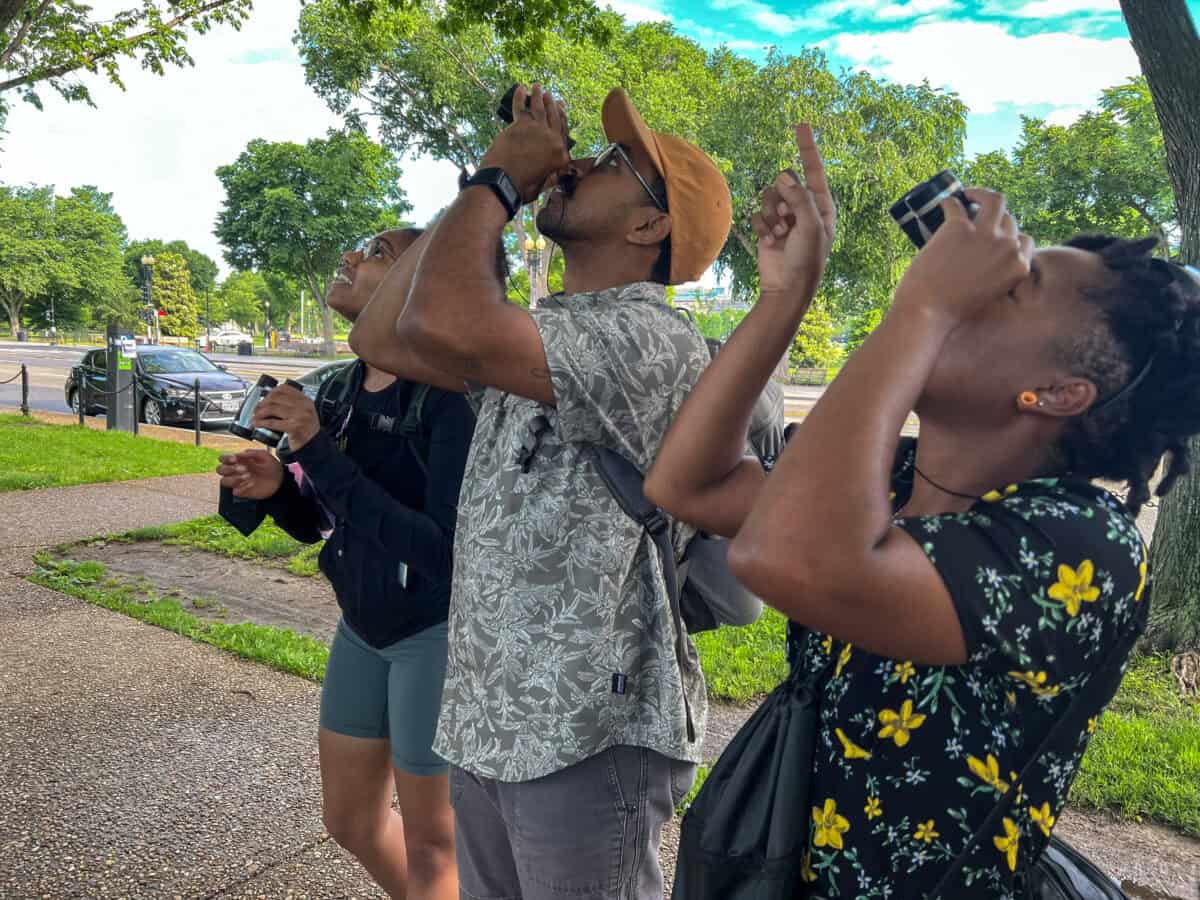
Successful bird spotting in botanical gardens begins with the right equipment. Binoculars are essential—look for models with 8x or 10x magnification that provide a good balance between image detail and field stability. Compact binoculars are convenient for garden walks, though full-sized models often deliver superior optical quality. A field guide specific to your region helps with identification; modern apps like Merlin Bird ID, eBird, or Audubon offer advantages with their search functions, recorded bird calls, and real-time reporting of recent sightings. Serious birders often carry a small notebook to record observations and a camera with zoom capability to document unusual sightings. Comfortable walking shoes, weather-appropriate clothing, and sun protection make extended birding sessions more enjoyable. Consider bringing a folding stool for comfortable observation at promising spots, and a small thermos of water or tea for longer outings. More specialized equipment like spotting scopes is rarely necessary in botanical garden settings, where birds are typically viewed at closer ranges than in open natural areas.
Best Times for Bird Observation

Timing significantly influences bird observation success in botanical gardens. Early morning, particularly the first few hours after sunrise, typically offers peak bird activity as most species actively feed to replenish energy after the night. Many gardens open early specifically for birdwatchers during prime seasons. A secondary activity peak often occurs in late afternoon before sunset. Seasonally, spring migration (March through May in the Northern Hemisphere) brings a parade of migratory species passing through gardens, with many displaying breeding plumage and courtship behaviors. Early summer showcases nesting activities and fledglings. Fall migration (August through October) brings another wave of travelers, though many wear less distinctive non-breeding plumage. Even winter offers special opportunities to observe year-round residents and seasonal visitors like juncos and certain sparrows that migrate from northern regions. Weather patterns also influence bird activity—days following storms during migration seasons can produce “fallouts” where tired migrants concentrate in garden habitats to rest and refuel. Overcast days often extend morning activity periods, while rainy conditions may reveal different feeding behaviors as birds seek insects driven out by moisture.
Birdwatching Techniques for Botanical Gardens

Effective birdwatching in botanical gardens requires specific techniques that differ from those used in wilderness areas. First, move slowly and pause frequently—birds often reveal themselves when you remain still. Develop a scanning pattern: check the ground, shrub layer, mid-story, and canopy systematically at each observation point. Learn to recognize bird movements among foliage—a flick of a tail or slight branch movement often betrays a bird’s location before you can identify the species. Train your ears to detect bird calls, which often alert you to species hidden from view. Many botanical gardens offer guided bird walks where experienced leaders can demonstrate these techniques. When you spot a bird, note its size, shape, behavior, and habitat before focusing on specific field marks like wing bars or eye rings. Digital photography, even with a smartphone through binoculars (a technique called “digiscoping”), can capture images for later identification of challenging species. Respect garden regulations regarding staying on paths, which protects plantings while actually improving your chances of seeing birds that have become habituated to human movement along predictable routes.
Botanical Garden Bird Hotspots

Within botanical gardens, certain habitat features consistently attract more birds, creating reliable “hotspots” for observation. Water features, particularly those with shallow edges and nearby protective cover, rank among the most productive locations. Transitional zones where different habitats meet—like the edge between woodland and meadow collections—often support greater bird diversity as species from both habitat types converge. Berry-producing shrub collections become seasonal hotspots when fruits ripen, attracting fruit-eating species like thrushes, waxwings, and tanagers. Native plant sections typically host high bird activity throughout the seasons. Areas with mature trees, especially those producing nuts (oaks, hickories) or hosting cavities, attract woodpeckers, nuthatches, and other bark-foraging species. Meadow and prairie collections draw sparrows, finches, and insect-eating birds like flycatchers. Areas with dense understory plantings often harbor secretive species like thrushes and towhees. Feeders, maintained in some botanical gardens as part of educational displays, create predictable observation points for common garden birds. Regular visitors should map these hotspots and track how their productivity changes with seasons—a pattern regular birders come to recognize and anticipate.
Citizen Science Opportunities

Botanical gardens increasingly serve as important sites for citizen science projects that track bird populations and behaviors. Participating in these programs enhances the birdwatching experience while contributing valuable data to scientific research. The Cornell Lab of Ornithology’s eBird platform allows visitors to record observations that become part of a global database used by researchers studying bird distribution and migration patterns. Many gardens participate in annual events like the Great Backyard Bird Count, Christmas Bird Count, or Global Big Day, when coordinated observation efforts create snapshots of bird populations. Some botanical gardens host more specific monitoring programs tracking nesting success of particular species or documenting the timing of seasonal events like migration arrivals (phenology studies). The National Phenology Network’s “Nature’s Notebook” program, active in many botanical gardens, connects plant life cycles with bird behaviors. These citizen science opportunities provide structure for regular observations while connecting individual birdwatchers to larger scientific endeavors. For beginning birdwatchers, participating in such programs alongside experienced volunteers offers excellent mentoring opportunities while making recreational birdwatching more meaningful through its scientific contributions.
Conservation Implications of Botanical Garden Birdwatching

Birdwatching in botanical gardens carries important conservation implications beyond recreation. Bird observations provide crucial data on how urban and suburban landscapes support biodiversity. Many gardens track their bird populations systematically, documenting how landscape management practices affect bird communities. This information guides planting decisions and habitat improvements both within gardens and in surrounding communities. The visible connection between native plants and bird abundance serves as a powerful educational tool, inspiring visitors to incorporate bird-friendly elements in their own landscapes. A 2018 survey found that regular botanical garden visitors were three times more likely to plant native species specifically to support birds compared to the general public. When garden visitors witness the dramatic attraction of migrating warblers to oak trees or hummingbirds to native salvias, these experiences translate into conservation action. Many botanical gardens have leveraged their bird-friendly reputations to advocate for broader municipal policies supporting urban wildlife corridors, reduced pesticide use, and bird-safe building standards. For threatened species, botanical gardens sometimes participate in specific conservation initiatives, such as the planting of particular food sources for declining migratory birds or participation in captive breeding programs for endangered species.
Botanical gardens stand at the intersection of conservation, education, and public engagement, making them uniquely positioned to advance bird protection while creating accessible birdwatching opportunities. As urbanization continues to replace natural habitats, these living museums become increasingly important refuges for both common and declining bird species. The growing emphasis on ecological gardening, climate adaptation, and native plant conservation within botanical gardens promises to enhance their value as bird sanctuaries in coming decades. For birdwatchers, botanical gardens offer accessible, enriching opportunities to observe birds in aesthetically beautiful settings while developing identification skills and deeper ecological understanding. Whether you’re a beginning birdwatcher making your first observations or an experienced birder documenting rare migrants, botanical gardens welcome your participation in the ongoing story of birds and their relationship with cultivated landscapes.
Worried about unexpected vet bills?
Pet insurance can cover thousands in unexpected vet costs. Get a free quote from Lemonade in under 2 minutes.
Get My Free Quote →Sponsored · Opens Lemonade.com

- 21 Venomous Animals That Frightens Arizona - June 4, 2026
- 21 Scary Creatures You Might Run Into While Hiking In The U.S - June 3, 2026
- The Difference Between Turtles and Tortoises—Explained - June 3, 2026