
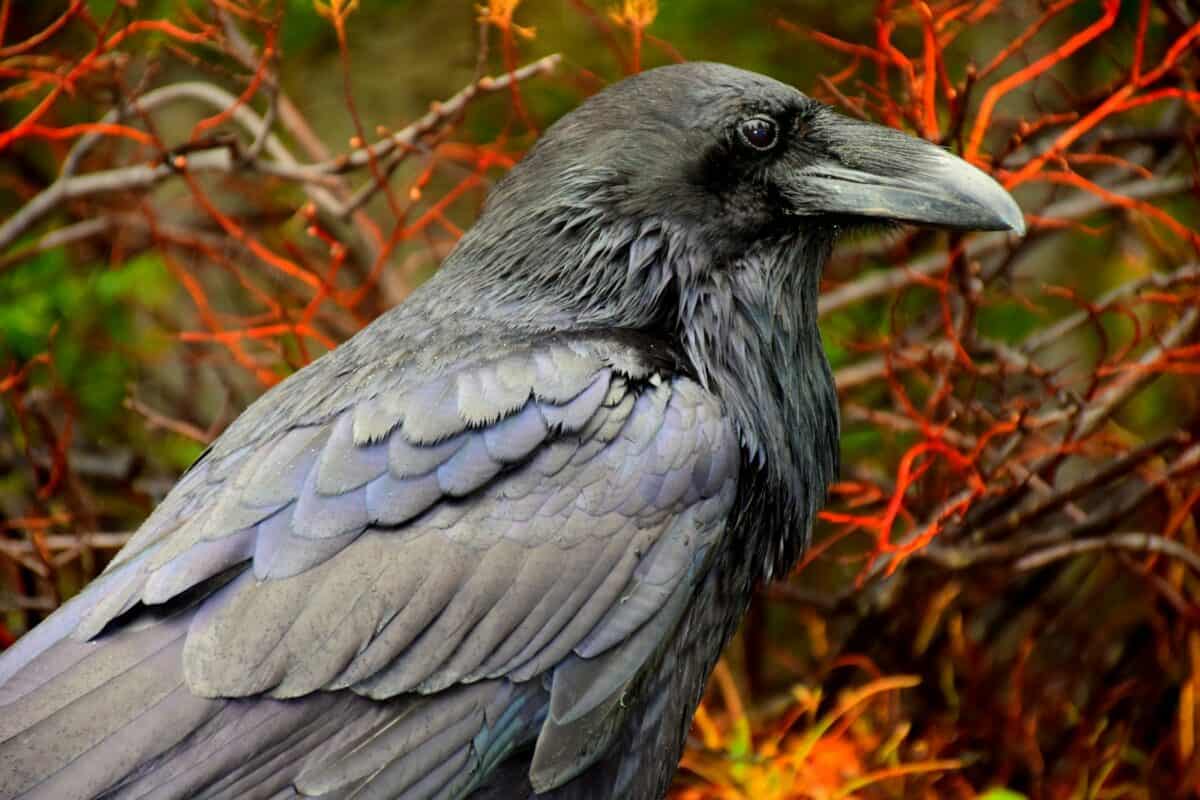
In the vast tapestry of animal intelligence, one black-feathered maestro stands out for its exceptional cognitive abilities. The raven, with its glossy plumage and penetrating gaze, has earned its reputation as nature’s premier problem-solver through countless demonstrations of reasoning that border on the extraordinary. Far from being simple birds, ravens possess intellectual capabilities that rival those of great apes and, in some specialized tasks, even human children. Their problem-solving prowess isn’t merely anecdotal—it’s backed by decades of scientific research that continues to unveil new dimensions of their remarkable minds. As we journey through the cognitive landscape of these corvids, we’ll discover why ravens truly deserve the title of ultimate problem-solvers in the animal kingdom, and how their intelligence has evolved to tackle the unique challenges of their environment.
The Cognitive Elite: Ravens in the Scientific Spotlight

Ravens (Corvus corax) belong to the corvid family, which includes crows, jays, and magpies—all recognized for their exceptional intelligence. However, ravens consistently demonstrate problem-solving abilities that surpass most other birds and many mammals. Studies conducted at prestigious research centers like the Max Planck Institute for Ornithology and the University of Cambridge have documented ravens using tools, understanding cause and effect, planning for the future, and even exhibiting a form of abstract reasoning previously thought to be exclusively human. These findings have revolutionized our understanding of avian cognition and placed ravens at the forefront of animal intelligence research. Their brain-to-body-size ratio is comparable to that of dolphins and great apes, providing the neural foundation for their impressive cognitive feats. This convergent evolution of intelligence in birds and mammals suggests that complex problem-solving is a valuable adaptation that has emerged independently in different evolutionary lineages.
Masters of Tool Creation and Manipulation
Perhaps the most striking evidence of raven intelligence is their sophisticated tool use—a behavior once thought to be the exclusive domain of primates. Ravens not only use tools but create them for specific purposes, demonstrating a level of forethought that is rare in the animal kingdom. In laboratory settings, ravens have been observed crafting hooks from wire to retrieve food from containers, solving multi-step puzzles that require using one tool to obtain another, and even modifying tools when they prove ineffective. In the wild, they’ve been documented using sticks to extract insects from tree bark, dropping nuts onto roads to crack them open under car tires, and even using bread as bait to catch fish. What makes their tool use particularly impressive is that, unlike primates who have manipulative hands, ravens must accomplish these feats with their beaks and feet—a limitation they overcome with remarkable dexterity and ingenuity.
Strategic Planning: Thinking Several Steps Ahead
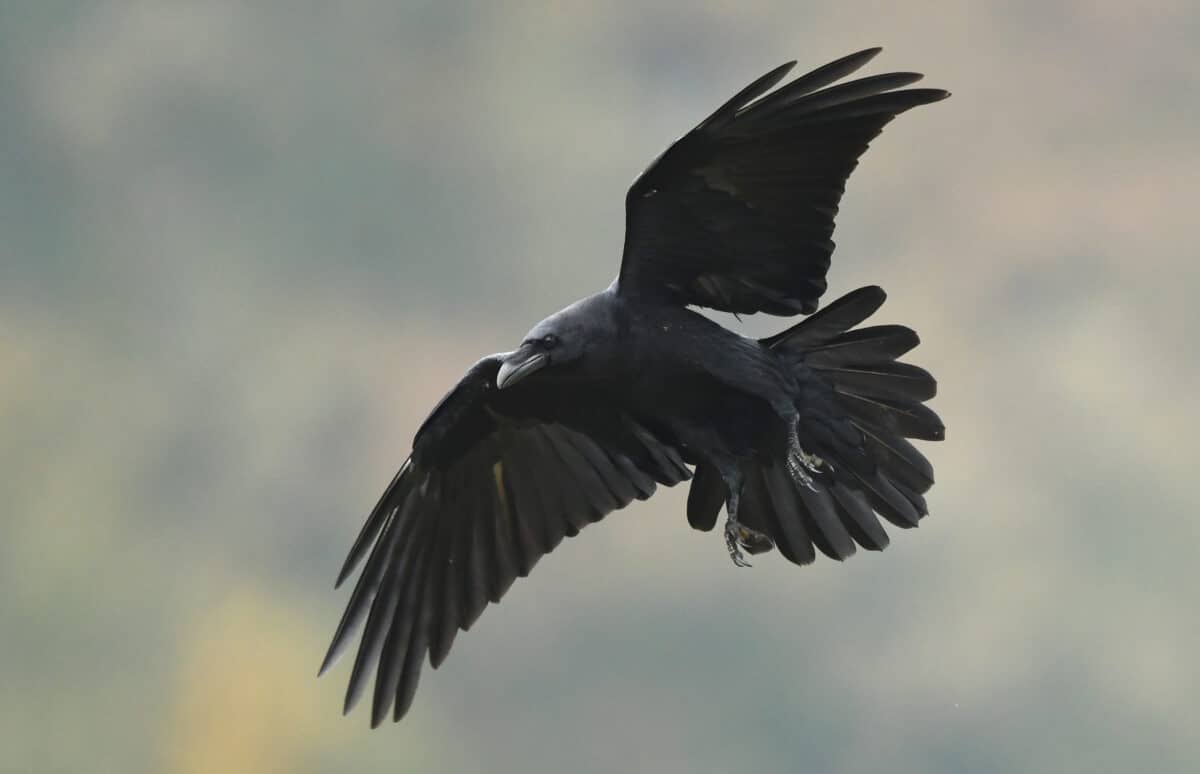
Ravens display an extraordinary capacity for strategic planning that rivals that of chimpanzees and orangutans. Research published in the journal Science revealed that ravens can plan for future events—a cognitive ability previously thought to be unique to humans and great apes. In one groundbreaking study, ravens were trained to use a stone as a tool to access a food reward. When later given the opportunity to select objects, including the appropriate stone, they chose the functional tool with remarkable accuracy, even when the reward mechanism was absent and would only be available 17 hours later. This demonstrates not only an understanding of cause and effect but also the ability to anticipate future needs and act accordingly. In the wild, this translates to complex behaviors like caching food in dozens of different locations, remembering these sites for months, and strategically retrieving items based on perishability and nutritional needs—an impressive display of both memory and forward thinking.
Social Intelligence: The Power of Raven Politics
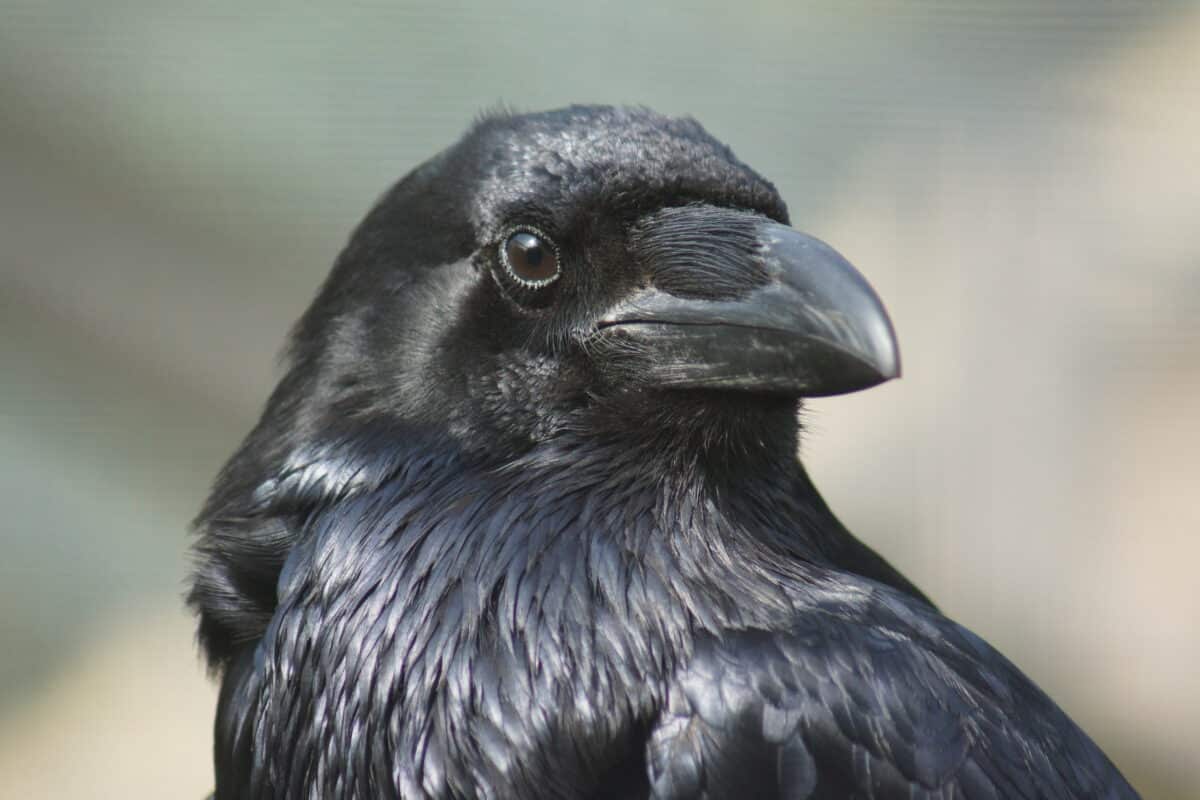
Ravens possess a sophisticated social intelligence that helps them navigate complex group dynamics and solve problems collectively. They form alliances, recognize individual relationships among other ravens, and even understand the concept of fairness. Studies have shown that ravens remember individuals who have treated them well or poorly for years, adjusting their behavior accordingly. This “relationship intelligence” extends to their problem-solving strategies—ravens will recruit allies when facing challenges that require cooperation, and they maintain these partnerships through reciprocal actions. They’ve been observed engaging in tactical deception, deliberately misleading competitors about food locations to protect their caches. Young ravens form temporary “teen gangs” where they practice social skills and collaborative problem-solving techniques that will serve them when they eventually pair off into monogamous partnerships. Their social complexity is so advanced that some researchers suggest ravens have a primitive form of “theory of mind”—the ability to attribute mental states to others—previously thought to be exclusive to humans and a few primate species.
Adaptive Intelligence: Novel Solutions to New Problems
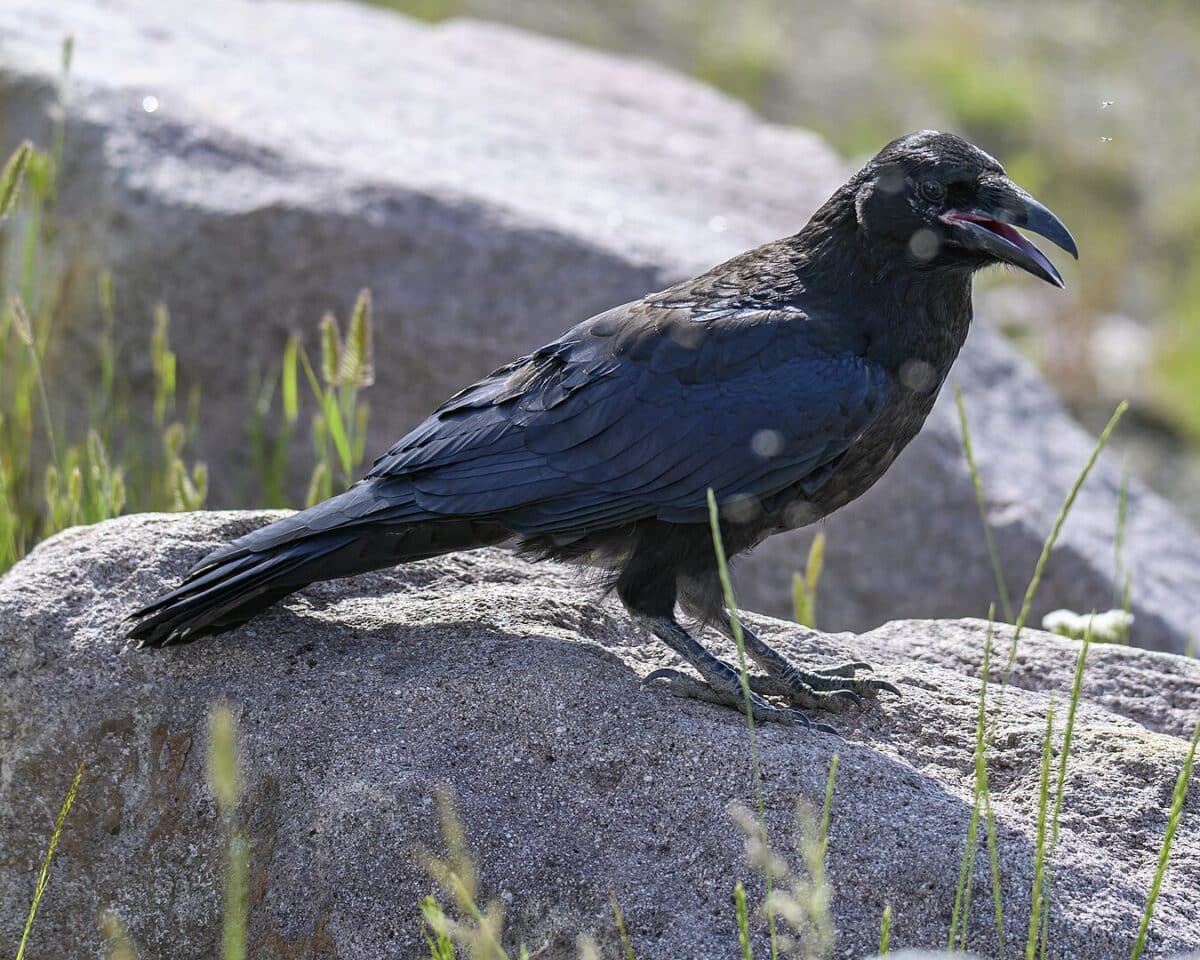
One of the most remarkable aspects of raven intelligence is their adaptability when confronted with novel challenges. Unlike animals with more rigid behavioral patterns, ravens display innovative problem-solving approaches when faced with situations they’ve never encountered before. This flexibility is particularly evident in urban environments, where ravens have quickly learned to exploit human infrastructure and activities. They’ve been documented figuring out how to open complex food containers, manipulate traffic lights to crack nuts at pedestrian crossings, and even use the updrafts from building heating vents to play aerial games. In laboratory settings, ravens have solved puzzles requiring up to eight steps without prior training—a level of spontaneous problem-solving rarely seen outside of primates. This capacity for innovation stems from their exploratory nature and exceptional observational learning abilities, allowing them to adapt swiftly to changing environments and resource availability—a critical advantage in their widespread global distribution across diverse habitats.
Causal Understanding: Grasping the Physical World
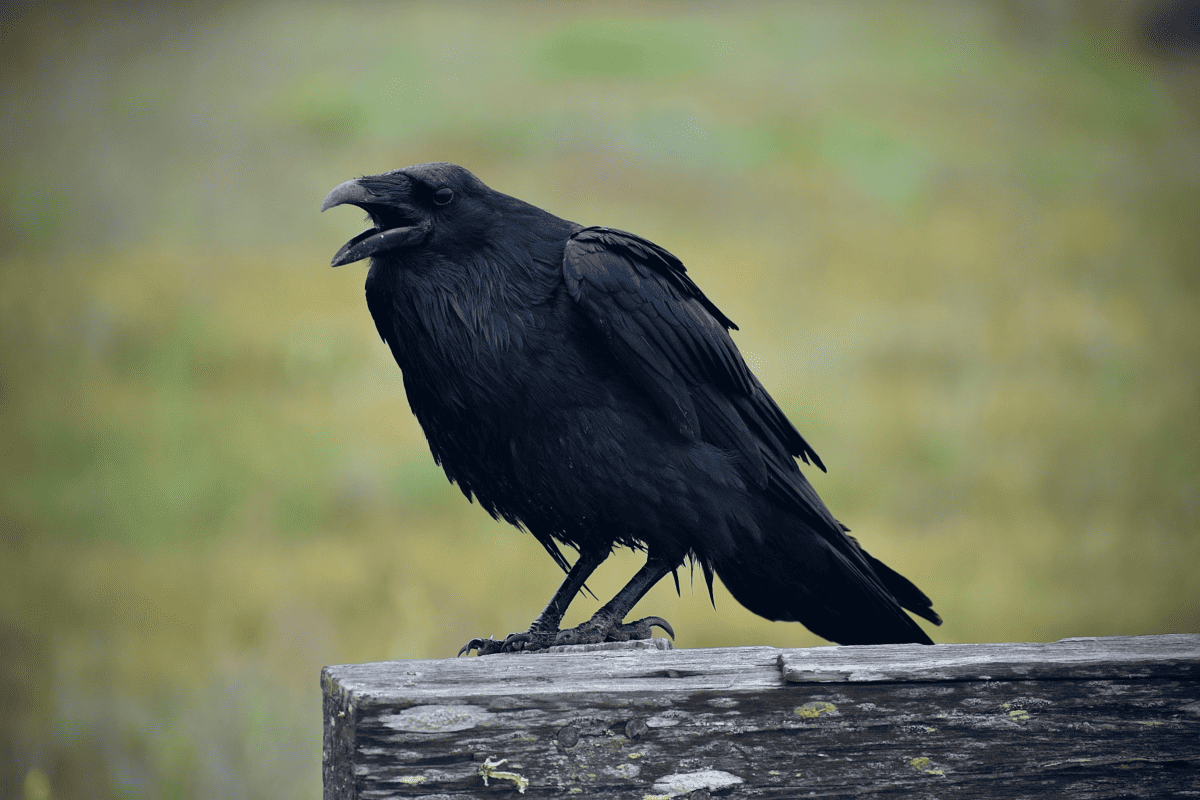
Ravens demonstrate a sophisticated understanding of physical causality that underlies many of their problem-solving achievements. They grasp fundamental principles like gravity, support, and containment—concepts that even human children only develop gradually. In experimental settings, ravens have shown they understand that objects continue to exist even when hidden (object permanence), a cognitive milestone that human infants only achieve around 8 months of age. They can track the movement of objects through multiple containers and locations, solving what scientists call “invisible displacement tasks.” This causal reasoning extends to understanding the properties of different materials—ravens can distinguish between rigid and pliable objects, between water-displacing and floating items, and even between items of different weights. This physical intelligence allows them to predict outcomes of actions before attempting them, significantly increasing their problem-solving efficiency. When confronted with a new puzzle, ravens often appear to mentally simulate potential solutions before acting, suggesting a form of causal reasoning that was once thought to be uniquely human.
Inferential Reasoning: Drawing Conclusions from Limited Information

Ravens excel at inferential reasoning—the ability to draw logical conclusions from partial information. In one revealing experiment, ravens watched as food was hidden in one of several containers. When they heard the container being shaken and no sound resulted (indicating the food wasn’t there), they immediately checked other containers, demonstrating their ability to use the absence of evidence as meaningful information. This capacity for inference extends to social situations as well. Ravens can deduce the relative dominance of individuals they’ve never directly seen interact by observing separate interactions with a third party—a form of transitive inference that requires sophisticated logical processing. They also show evidence of exclusion reasoning, eliminating unlikely possibilities to arrive at correct solutions. When faced with a row of containers and information about which ones don’t contain food, ravens can deduce which one must contain the reward without having seen it directly. This ability to reason beyond immediate perceptions places ravens in an elite cognitive category shared by only a few other species, including great apes and dolphins.
Impressive Memory: The Cognitive Foundation of Problem-Solving

The raven’s exceptional memory provides the foundation for many of its problem-solving capabilities. These birds can remember the locations of thousands of food caches over periods exceeding six months—a feat requiring both spatial and temporal memory integration. Their memory isn’t limited to locations; ravens recognize and remember individual human faces for years, distinguishing between people who have helped or threatened them in the past. In experimental settings, ravens have demonstrated working memory capabilities comparable to those of chimpanzees, successfully tracking the locations of up to five hidden food items simultaneously. Perhaps most impressively, ravens show evidence of episodic-like memory—the ability to recall specific events, including what happened, where it occurred, and when it took place. This sophisticated memory system allows ravens to learn from single experiences, retain solutions to complex problems they’ve solved previously, and continuously build upon their knowledge base. Their exceptional memory also supports their social intelligence, enabling them to remember the status and relationships of dozens of individuals within their social networks—a cognitive feat that rivals the social bookkeeping of many primates.
Delayed Gratification: The Marshmallow Test for Ravens

One of the most telling indicators of advanced cognition is the ability to delay gratification—to forgo an immediate reward for a better one later. In humans, this capacity has been famously tested with the “marshmallow test,” where children who can resist eating one marshmallow to receive two later show better life outcomes. Remarkably, ravens have passed similar tests with flying colors. In a study at Lund University, ravens were offered a piece of food, with the option to trade it for a more preferred food item if they could wait—up to 15 minutes in some trials. Not only did the ravens consistently wait for the better reward, but they performed better than most primates and comparable to human children on this task. This ability to delay gratification requires several sophisticated cognitive components: understanding that waiting leads to a better outcome, mentally representing that future reward, suppressing immediate impulses, and sustaining attention over time. The raven’s exceptional performance on delayed gratification tasks reveals their capacity for self-control and future-oriented thinking—crucial components of their problem-solving repertoire that allow them to invest effort in solutions with long-term rather than immediate payoffs.
Cultural Learning and Innovation Transmission

Ravens not only solve problems individually but participate in a form of cultural transmission of knowledge that accelerates their problem-solving capabilities as a species. Young ravens observe and learn from their parents and other adults, rapidly acquiring techniques that might otherwise take generations to develop through trial and error. Research has documented distinct “cultural traditions” in different raven populations—specific techniques for accessing particular food sources or responding to predators that are passed down through social learning. In one study, when a single raven figured out how to access a complex food puzzle, the solution spread rapidly through the population through observation. This capacity for cultural learning extends their problem-solving abilities beyond individual lifespans, creating a cumulative knowledge base similar to human cultural evolution, albeit on a smaller scale. Ravens also show selective attention during observational learning—they pay closer attention to innovative solutions and individuals who have previously demonstrated successful problem-solving, suggesting a sophisticated evaluation of information sources. This cultural dimension of raven intelligence allows successful innovations to spread and persist, creating a collective intelligence that exceeds individual capabilities.
Perspective Taking: Seeing Through Another’s Eyes

Perhaps the most sophisticated aspect of raven cognition is their apparent ability to take perspectives different from their own—a skill closely related to theory of mind. Ravens modify their food-caching behavior when they know they’re being watched by potential thieves, suggesting they can attribute perceptual states to others. In clever experiments, ravens that had previously stolen food from others became more protective of their own caches, even when they had never been stolen from themselves—indicating they may be projecting their own experience to predict others’ behavior. When confronted with competitors, ravens will create “fake” caches to mislead observers, only storing their real treasures when they believe they’re unobserved. This tactical deception requires understanding what another individual can and cannot see or know—a remarkably sophisticated cognitive feat. Some studies suggest ravens may even understand that others can hold false beliefs—a hallmark of advanced theory of mind that human children typically develop around age four. While scientists debate the exact nature of these abilities, the evidence strongly suggests that ravens possess some form of perspective-taking that allows them to predict and manipulate the behavior of others—a powerful cognitive tool for social problem-solving.
Evolutionary Drivers: Why Ravens Became Problem-Solving Prodigies

The extraordinary problem-solving abilities of ravens didn’t evolve by chance—they emerged in response to specific evolutionary pressures that made intelligence a valuable survival strategy. Ravens are opportunistic omnivores living in challenging environments, including the harsh Arctic, where resources are scarce and unpredictable. This lifestyle demands cognitive flexibility and innovation. Unlike specialized feeders, ravens must constantly solve novel problems to access diverse food sources. Their relatively long lifespan (up to 20 years in the wild) provides the time needed for extensive learning and skill development, making investments in brain development evolutionarily worthwhile. The complexity of raven social structures also drove cognitive evolution—navigating alliances, partnerships, and hierarchies requires sophisticated social intelligence. Interestingly, ravens face an evolutionary trade-off similar to humans: their offspring have extended developmental periods and require substantial parental investment, but this extended childhood allows for crucial learning and brain development. The result is a bird with problem-solving abilities far beyond what its ecological niche might initially suggest—an evolutionary success story demonstrating that brainpower can be as effective a survival strategy as physical adaptations like sharp claws or camouflage.
Conclusion: Ravens as Nature’s Feathered Geniuses

Ravens stand as compelling evidence that advanced intelligence has multiple evolutionary paths, emerging not just in primates with their grasping hands, but also in birds with their entirely different brain architecture. Their problem-solving abilities—from sophisticated tool use and causal reasoning to strategic planning and perspective-taking—represent one of nature’s most impressive cognitive portfolios outside of humans. What makes ravens particularly remarkable is how they achieve these feats with brains structured differently from mammalian brains, suggesting that intelligence is not dependent on specific neural arrangements but can emerge from different neurological systems optimized for similar functions. As we continue to study these feathered geniuses, they challenge our understanding of animal cognition and remind us that intelligence in nature takes many forms across evolutionary lineages. The raven’s cognitive abilities not only help them thrive across diverse habitats but offer us profound insights into the evolution of intelligence itself—a testament to nature’s ingenuity in crafting problem-solvers par excellence.

- The Bird That Can Recognize More Faces Than a Human - July 29, 2026
- How Army Ants Coordinate Massive Raids Without a Leader - July 29, 2026
- 13 Largest Horses in the World - July 29, 2026