
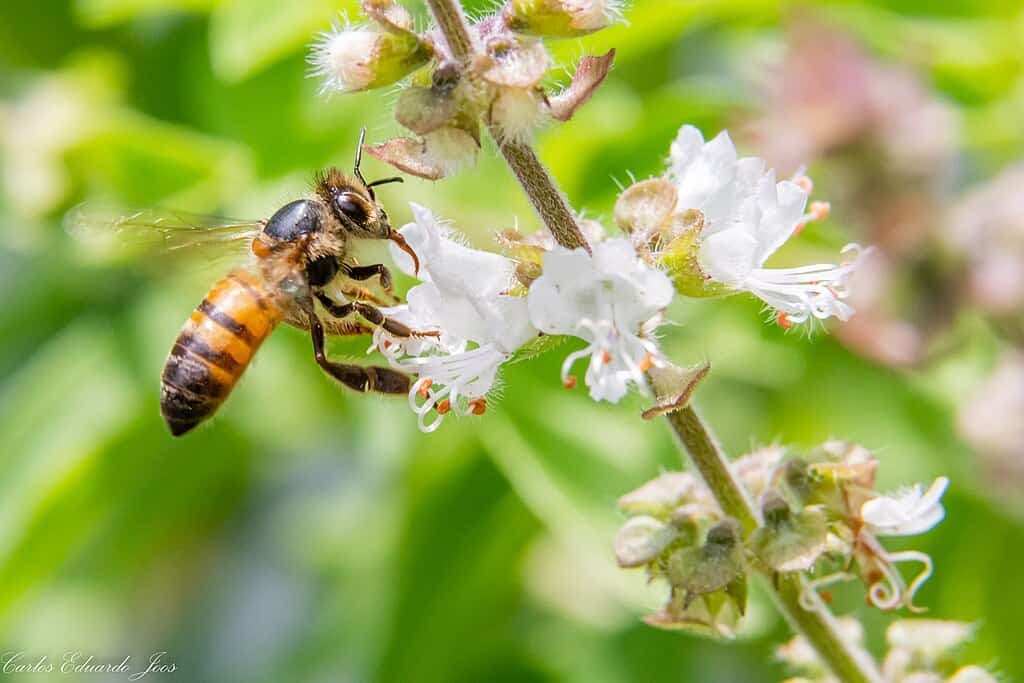
Bees are among the most fascinating creatures on our planet. These tiny insects not only produce honey but also play a crucial role in maintaining our ecosystem through pollination. While most of us recognize bees for their distinctive buzzing and occasional stings, there’s much more to these industrious insects than meets the eye. From their complex communication systems to their incredible work ethic, bees continue to amaze scientists and nature enthusiasts alike. Let’s explore ten extraordinary facts about bees that might just change the way you look at these remarkable creatures.
10. Bees Have Five Eyes
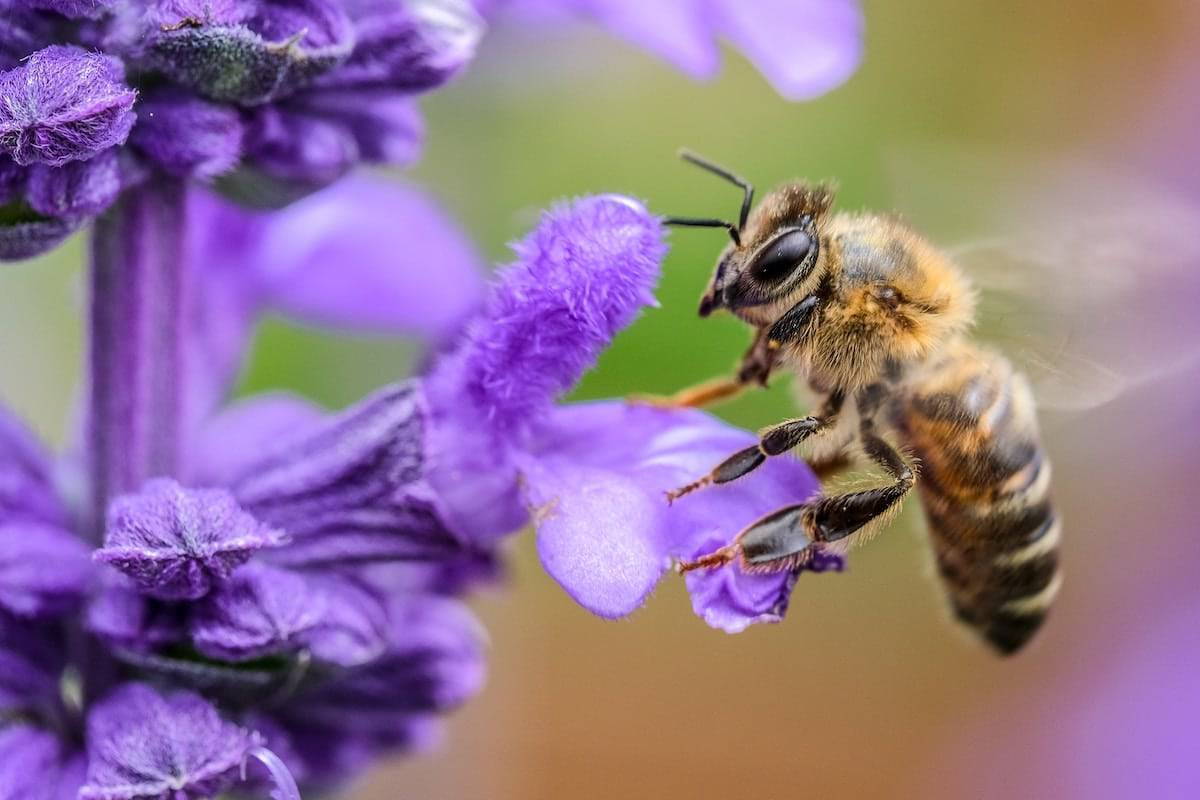
Most people don’t realize that bees possess a total of five eyes. Three small ocelli (simple eyes) sit atop their head in a triangular pattern, while two larger compound eyes are positioned on either side of their head. The ocelli primarily detect light intensity, helping bees navigate using the sun’s position. Meanwhile, the compound eyes, composed of thousands of tiny lenses called ommatidia, provide bees with a wide-angle, mosaic view of their surroundings. These compound eyes are particularly sensitive to blue, green, and ultraviolet light, allowing bees to see patterns on flowers that are invisible to the human eye. This specialized vision helps them locate pollen-rich blooms with remarkable precision.
9. Bees Can Recognize Human Faces
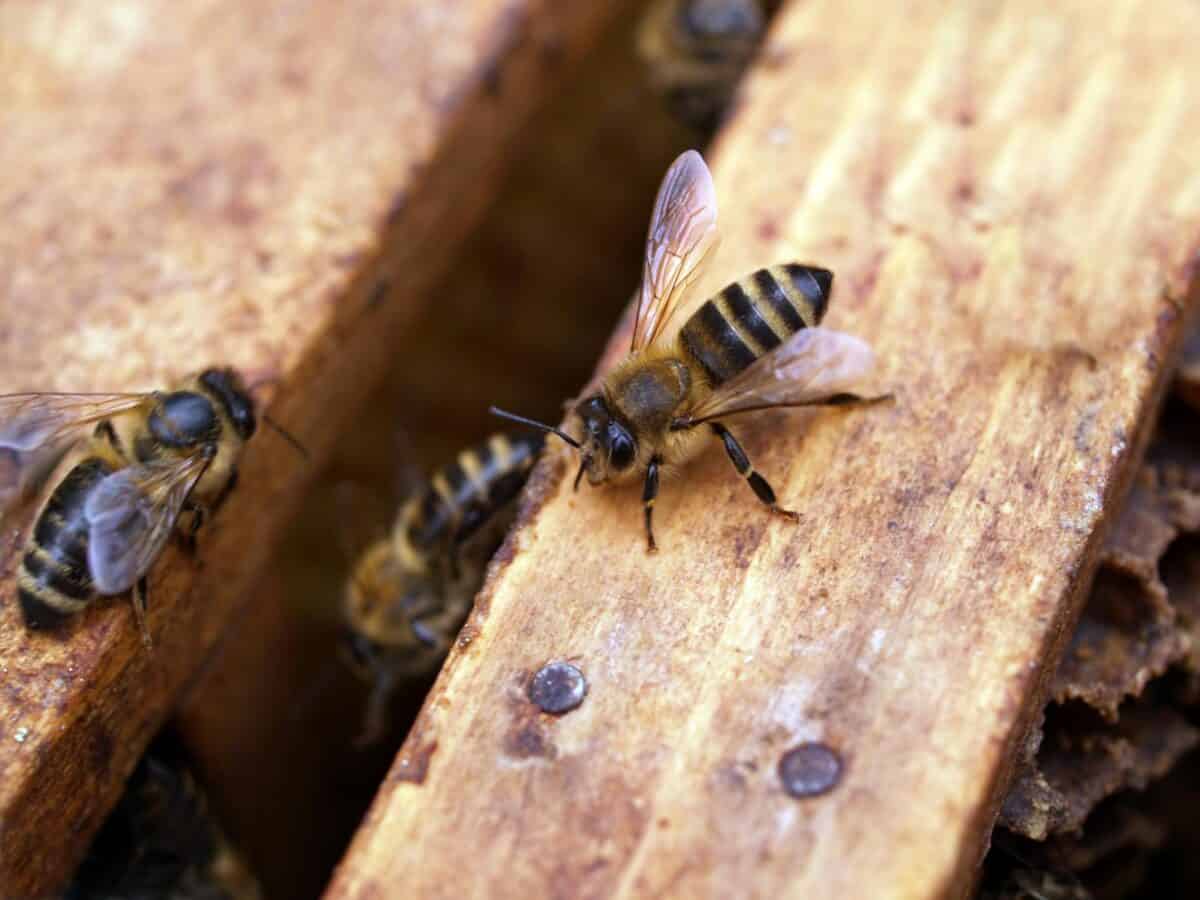
Despite having a brain the size of a sesame seed, bees possess remarkable cognitive abilities, including facial recognition. Research has shown that honeybees can be trained to recognize human faces, distinguishing between different individuals with surprising accuracy. Scientists at the University of Cambridge discovered that bees use a technique called “configural processing” – the same method humans use to recognize faces – where they piece together the arrangement of features rather than analyzing each feature individually. This sophisticated ability helps bees identify which flowers they’ve already visited and recognize potential threats or friendly beekeepers in their environment.
8. A Bee’s Wings Beat 200 Times Per Second

The distinctive buzzing sound we associate with bees comes from their incredibly rapid wing movements. A honeybee’s wings beat approximately 200 times per second, or 12,000 beats per minute. This remarkable speed creates the familiar buzzing sound and enables bees to fly at speeds of up to 15-20 miles per hour. Their wings don’t simply flap up and down but move in a complex figure-eight pattern that generates sufficient lift for their bodies. This flying mechanism is so efficient that it has inspired designs in modern engineering and robotics. The impressive wing speed also allows bees to hover precisely over flowers while collecting nectar and pollen.
7. Bees Have Been Producing Honey for 150 Million Years
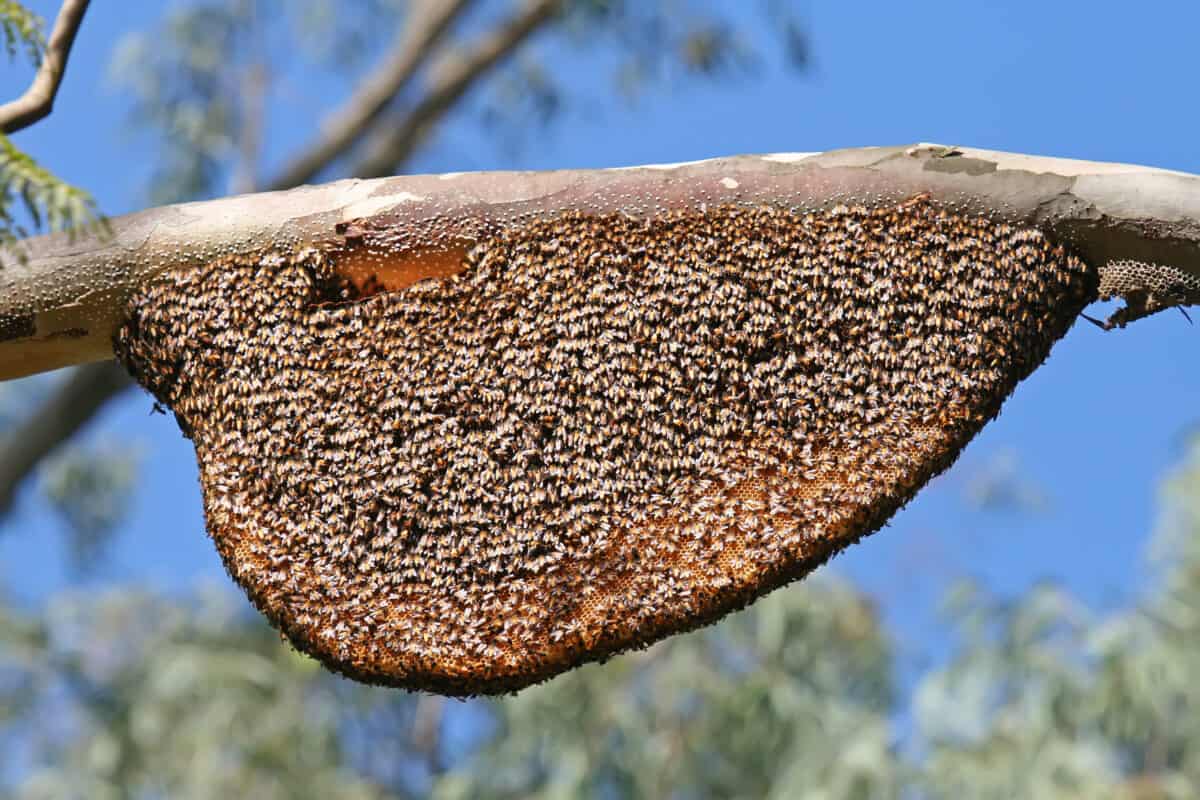
Long before humans walked the Earth, bees were already perfecting their honey-making craft. Fossil evidence suggests that bees have been producing honey for at least 150 million years, evolving alongside flowering plants during the Cretaceous period. The oldest known bee fossil, preserved in amber, dates back approximately 100 million years. When humans eventually discovered honey, it became one of the world’s first sweeteners and was highly prized by ancient civilizations, including the Egyptians who used it not only as food but also for medicinal purposes and in religious ceremonies. The ancient process of honey production remains largely unchanged, demonstrating the remarkable evolutionary success of the honeybee.
6. A Single Bee Will Make Only 1/12 Teaspoon of Honey in Its Lifetime

The labor involved in honey production is truly staggering when considered at the individual level. During its lifetime, which typically spans just 4-6 weeks in the summer, a single worker honeybee will produce only about 1/12 of a teaspoon of honey. To put this in perspective, to create one pound of honey, honeybees must collectively visit approximately 2 million flowers and fly over 55,000 miles – equivalent to circling the Earth twice. This extraordinary effort highlights the remarkable cooperation within bee colonies, where thousands of workers contribute their minuscule share to create substantial honey reserves that sustain the hive through winter months. The next time you enjoy a spoonful of honey, consider that you’re consuming the life’s work of dozens of bees.
5. Bees Can Solve Complex Mathematical Problems

Bees possess surprising mathematical abilities that rival those of many larger animals. Researchers have discovered that honeybees can solve the “traveling salesman problem” – a complex mathematical challenge that involves finding the shortest possible route between multiple locations before returning to the starting point. When foraging among flowers, bees quickly determine the most efficient path to minimize flight distance and maximize nectar collection. They accomplish this without formal training or the large brains typically associated with problem-solving abilities. Scientists at Queen Mary University of London found that bees can also understand the concept of zero and perform simple addition and subtraction, demonstrating cognitive abilities previously thought to be exclusive to vertebrates with much larger brains.
4. Queen Bees Can Lay Up to 2,000 Eggs Per Day

The queen bee is truly a remarkable reproductive powerhouse. At the height of the summer season, she can lay up to 2,000 eggs daily – more than her own body weight in eggs every day. Each egg is meticulously placed in an individual hexagonal cell after the queen inspects it for cleanliness. The queen determines whether to lay fertilized eggs (which develop into female worker bees) or unfertilized eggs (which become male drones) based on the colony’s needs. A healthy queen can continue this prolific egg-laying for several years, potentially producing up to 1 million eggs in her lifetime. To maintain this extraordinary reproductive output, worker bees constantly attend to the queen, feeding her royal jelly and removing her waste so she can focus exclusively on egg production.
3. Bees Communicate Through Dancing

One of the most fascinating aspects of bee behavior is their sophisticated communication system known as the “waggle dance.” When a foraging bee discovers a rich source of nectar or pollen, it returns to the hive and performs a precise dance on the vertical surface of the honeycomb. The dance communicates three critical pieces of information: the distance to the food source, its direction relative to the sun, and the quality of the food. A straight run in the dance indicates direction, with the angle of the run corresponding to the angle between the sun and the food source. The duration of the waggle portion indicates distance, while the vigor of the dance signals the quality of the find. This remarkable form of symbolic communication allows the colony to efficiently allocate foragers to the most productive locations.
2. Male Bees (Drones) Die After Mating

The life of a male honeybee, or drone, follows a dramatic trajectory rarely seen in the animal kingdom. Drones develop from unfertilized eggs and exist primarily for one purpose: to mate with a virgin queen. During the mating flight, which occurs high in the air, a successful drone transfers his sperm to the queen in a process so explosive that his genitalia are ripped from his body, causing immediate death. Those drones that don’t get the opportunity to mate face a different but equally grim fate – when resources become scarce in autumn, worker bees forcibly remove drones from the hive, leaving them to starve. This seemingly harsh arrangement ensures the colony’s survival through winter when food stores are limited and reproduction is unnecessary.
1. Bees Are Responsible for One-Third of Our Food Supply

The ecological and economic importance of bees cannot be overstated. Approximately one-third of the global food supply depends on pollination, with honeybees responsible for 80% of that pollination. Crops such as apples, almonds, blueberries, cucumbers, and avocados rely heavily on bee pollination to produce fruit. In the United States alone, bee pollination adds an estimated $15 billion in crop value annually. Beyond agricultural crops, bees pollinate approximately 90% of wild plants, maintaining biodiversity and providing food for countless wildlife species. This crucial ecological service makes bees one of the most important insect groups on the planet, and their ongoing population decline represents a serious threat to global food security and ecosystem health.
Some Bee Species Don’t Sting
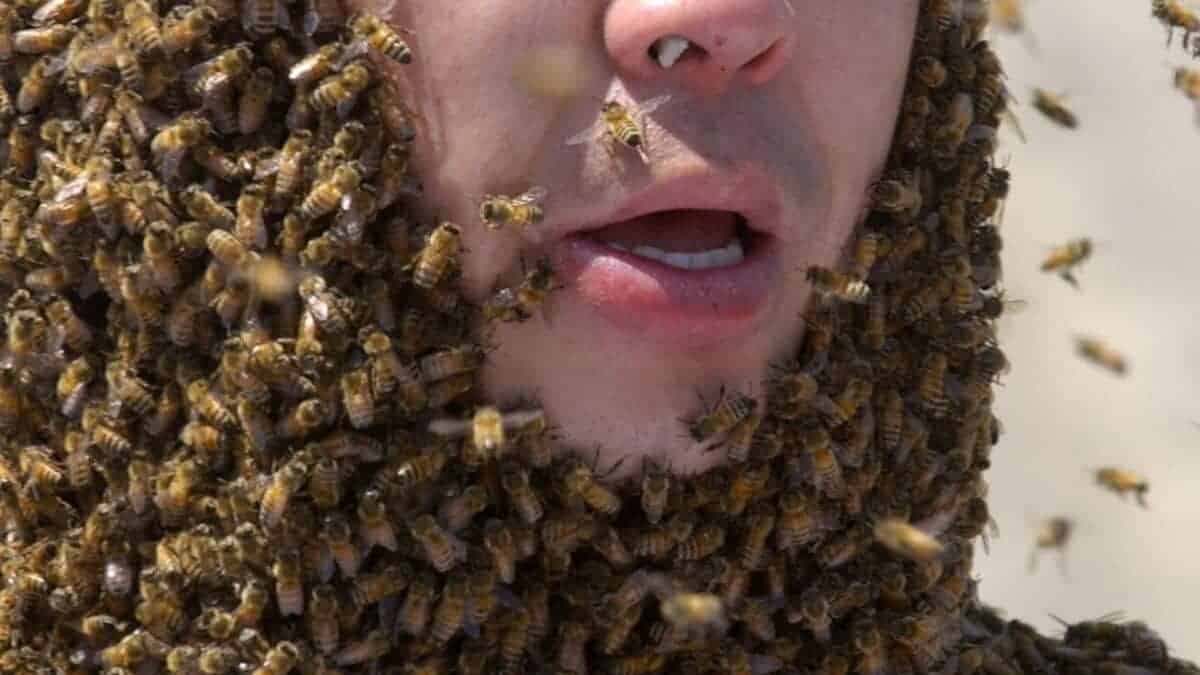
Contrary to popular belief, not all bee species possess the ability to sting. Stingless bees (Meliponini) comprise over 500 species that naturally lack stingers, primarily found in tropical and subtropical regions of the world. While they cannot sting for defense, these bees have developed alternative protection methods, including biting with their mandibles or using chemical deterrents. Stingless bees still produce honey, though in smaller quantities than their stinging counterparts, and this honey is highly prized in traditional medicine systems across Central and South America, Australia, and Southeast Asia. Male bees (drones) of all species also lack stingers, as the stinger is actually a modified egg-laying organ present only in females. This fact highlights the defensive rather than aggressive nature of bee stings – they’re a last-resort protective mechanism for the colony.
From their intricate communication methods to their mathematical problem-solving abilities, bees have proven themselves to be far more complex and fascinating than most people realize. Their contributions to our food supply and global ecosystems make them indispensable partners in sustaining life on Earth. As bee populations face unprecedented challenges from habitat loss, pesticide use, climate change, and disease, understanding these remarkable insects becomes increasingly important. The more we learn about bees’ extraordinary abilities and ecological significance, the better equipped we’ll be to protect them for future generations. Whether they’re calculating the most efficient foraging route, recognizing human faces, or performing their mesmerizing waggle dance, bees continue to demonstrate that sometimes the smallest creatures can make the biggest impact on our world.

- 10 Amazing Facts About Bees You Didn’t Know - August 24, 2026
- 17 Wild Animals You Can Still Spot in the U.S. Today - August 24, 2026
- 12 Things Ravens Do That Make Scientists Compare Them to Primates - August 24, 2026
Leave a comment
You must be logged in to post a comment.