


In the intricate tapestry of nature, few creatures play as vital a role as the humble bee. Despite their small size, bees are environmental powerhouses, sustaining ecosystems and food systems across the planet. More than mere honey producers, these buzzing insects are keystone species whose influence extends far beyond their hives. Their tireless work as pollinators supports biodiversity, ensures food security, and maintains ecological balance in ways that often go unnoticed until their absence is felt. As bee populations face unprecedented threats worldwide, understanding their ecological significance has never been more urgent. This article explores the critical role bees play in keeping ecosystems alive and examines the potentially devastating consequences should these remarkable insects continue to disappear from our planet.
The Remarkable World of Bees: More Than Just Honey Makers

Bees represent one of the most diverse insect groups on Earth, with over 20,000 known species spanning every continent except Antarctica. From the familiar honeybee to countless solitary wild bee species, these insects have evolved alongside flowering plants for millions of years, developing specialized adaptations for collecting and transferring pollen. Their bodies feature branched hairs that electrostatically attract pollen grains, specialized pollen baskets on their legs, and complex communication systems that allow for coordinated foraging. While honeybees live in large colonies with complex social structures, approximately 90% of bee species are actually solitary, nesting in the ground or in wood cavities. This diversity of bee species ensures pollination across varied ecosystems and plant communities, making them irreplaceable components of natural systems worldwide.
Pollination: The Ecological Cornerstone
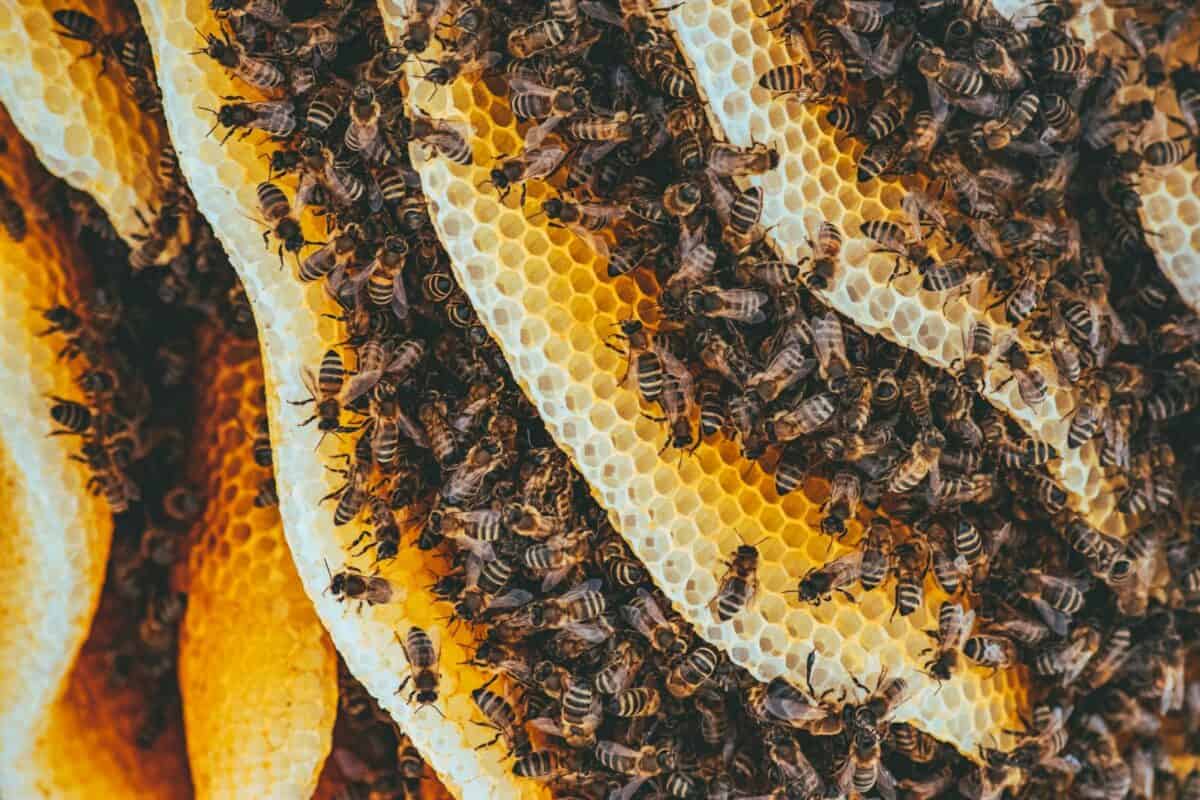
The primary ecological service bees provide—pollination—is fundamental to plant reproduction and ecosystem health. When bees visit flowers to collect nectar and pollen for food, they inadvertently transfer pollen grains between flowers, facilitating fertilization and seed production. This process is essential for approximately 90% of wild flowering plants and 75% of global food crops. Unlike other pollinators, bees often practice “flower fidelity,” visiting the same plant species repeatedly during foraging trips, which makes them particularly efficient pollinators. Each bee species has evolved to pollinate specific types of flowers, with variations in tongue length, body size, and behavior determining which plants they can effectively pollinate. This specialized relationship means that the loss of even one bee species can leave certain plants without their adapted pollinators, potentially leading to reproductive failure and eventual decline of those plant species.
Agricultural Heroes: Food Security and Bee Pollination

The relationship between bees and human food security cannot be overstated. Bees pollinate approximately one-third of the food consumed by humans globally, contributing to the production of fruits, vegetables, nuts, seeds, and oils. The economic value of bee pollination to agriculture worldwide is estimated at $235-577 billion annually, according to the Food and Agriculture Organization (FAO). Crops like almonds, apples, blueberries, cucumbers, and squash are highly dependent on bee pollination, with yield reductions of 90% or more occurring without adequate bee visitation. Beyond quantity, bee pollination often improves the quality, shelf life, and nutritional value of produce. Studies have shown that strawberries pollinated by bees are larger, have fewer malformations, and maintain better color and firmness than those pollinated by other means. As global food demand increases with population growth, the role of bees in agricultural productivity becomes increasingly crucial for sustainable food systems.
Biodiversity Guardians: How Bees Support Ecosystem Health

Bees serve as critical guardians of biodiversity through their pollination services. By facilitating plant reproduction, they support the foundation of terrestrial food webs and habitat structures. A single bee colony can pollinate millions of flowers daily, enabling the production of seeds and fruits that feed countless other species, from insects and birds to mammals. This ripple effect extends throughout ecosystems—plants pollinated by bees provide oxygen, prevent soil erosion, sequester carbon, and create habitats for wildlife. Research demonstrates that areas with robust bee populations typically display greater plant diversity and abundance. In turn, this plant diversity supports more varied animal communities. When bee populations decline in an area, studies have documented corresponding reductions in wildflower reproduction, seed production, and eventually, plant diversity. This cascading effect demonstrates how bees function as keystone species whose influence extends far beyond their immediate interactions.
The Global Pollinator Crisis: Understanding Bee Decline

Since the early 2000s, scientists have documented alarming declines in bee populations worldwide, with some regions experiencing 30-50% reductions in managed honeybee colonies and even steeper drops in wild bee populations. This phenomenon, initially termed Colony Collapse Disorder (CCD) when observed in honeybees, is now recognized as part of a broader pollinator crisis affecting numerous bee species. Multiple interacting factors contribute to this decline. Habitat loss and fragmentation from urbanization and industrial agriculture have eliminated nesting sites and natural forage areas. Pesticide exposure, particularly to neonicotinoids and other systemic insecticides, can cause direct mortality or sublethal effects that impair navigation, learning, and reproduction. Parasites and pathogens, like the Varroa destructor mite and Nosema fungi, weaken colonies and spread diseases. Climate change disrupts the synchronized timing between bee emergence and flower blooming, while reducing the nutritional quality of pollen. Collectively, these stressors create a “perfect storm” that threatens bee populations globally.
Ecological Domino Effect: What Happens When Bees Disappear

The disappearance of bees triggers a cascade of ecological consequences that ripple throughout ecosystems. When plants lose their pollinators, reproduction rates decline, leading to reduced seed production and eventually diminished plant populations. Research in areas experiencing bee declines shows that insect-pollinated wildflowers produce fewer seeds and show reduced genetic diversity, making them more vulnerable to environmental changes. As plant communities shift, animals that depend on those plants for food and shelter face resource scarcity. For instance, songbirds that rely on fruits and seeds from bee-pollinated plants decline when those food sources become limited. The structural complexity of ecosystems can simplify as certain plant species disappear, reducing habitat niches for numerous organisms. Ultimately, this disruption can alter fundamental ecosystem functions like nutrient cycling, water filtration, and carbon sequestration. The interconnected nature of ecosystems means that bee loss can eventually impact seemingly unrelated species and processes, demonstrating the concept of ecological connectivity.
Economic Implications: The True Cost of Pollinator Loss

The economic consequences of bee decline extend far beyond the beekeeping industry. Without natural pollination services, many crops would require costly manual or mechanical pollination methods. In China’s Sichuan province, where wild bee populations collapsed due to excessive pesticide use, farmers now hand-pollinate apple and pear orchards—a labor-intensive process costing far more than the ecosystem service bees once provided freely. Global economic analyses estimate that replacing bee pollination with human intervention would cost approximately $5.7 billion annually in the United States alone. Beyond direct replacement costs, reduced crop yields from inadequate pollination would raise food prices and potentially create shortages of nutritionally important foods like fruits and nuts. Economic models predict that continued bee decline could reduce global agricultural output by $217 billion annually. The impact would disproportionately affect small-scale farmers who cannot afford artificial pollination methods, potentially exacerbating food insecurity in vulnerable regions and widening economic disparities in agricultural communities worldwide.
Human Food Systems at Risk: Nutritional Consequences

Bee disappearance would profoundly impact human nutrition and dietary diversity. Crops dependent on bee pollination include many of the most nutrient-dense foods in our diet—fruits, vegetables, nuts, and seeds that provide essential vitamins, minerals, antioxidants, and healthy fats. Research published in PLOS ONE found that pollinator-dependent crops contribute approximately 40% of global nutrient supply for vitamin A, 14% for iron, and 26% for folate. Without adequate bee pollination, production of these nutrient-rich foods would decline, potentially worsening existing nutritional deficiencies that already affect billions of people globally. Dietary diversity would diminish as pollinator-dependent crops become scarcer and more expensive, leading to greater reliance on wind-pollinated staple crops like wheat, rice, and corn, which provide calories but fewer micronutrients. Public health researchers predict this nutritional shift could increase rates of preventable conditions linked to micronutrient deficiencies, including compromised immune function, impaired cognitive development in children, and increased susceptibility to infectious diseases.
Wild Plant Communities: The Overlooked Victims

While agricultural impacts often dominate discussions about bee decline, wild plant communities face equally serious threats from pollinator loss. Approximately 80-95% of wild flowering plant species depend partially or completely on animal pollination, with bees being primary pollinators for many. These plant communities form the foundation of terrestrial ecosystems, providing habitat structure, food resources, and ecological services like erosion control and water purification. Studies in multiple biomes demonstrate that plants with specialized pollination requirements show reduced reproduction when their bee pollinators decline. Long-term research plots in Europe and North America have documented shifts in plant community composition favoring wind-pollinated species when bee populations diminish. Rare or endangered plants with specific bee pollinators face particularly high extinction risks, with cascading effects on specialist herbivores and other organisms tied to those plants. The integrity of natural habitats, from forests and meadows to coastal dunes and mountain ecosystems, depends significantly on maintaining healthy bee populations that ensure continued plant reproduction and recruitment.
Conservation Efforts: Saving Bees, Saving Ecosystems

Recognizing the critical importance of bees, conservation initiatives are emerging worldwide to protect and restore pollinator populations. Habitat conservation and restoration projects focus on establishing pollinator corridors and bee-friendly landscapes that provide nesting sites and year-round forage. These efforts often involve planting diverse native wildflowers, preserving natural areas within agricultural landscapes, and creating urban pollinator gardens. Policy changes include restrictions on particularly harmful pesticides, like the European Union’s ban on certain neonicotinoids, and incentive programs for farmers who adopt bee-friendly practices. Research institutions are developing improved parasite and disease management techniques for honeybees while documenting and protecting wild bee populations. Citizen science programs engage the public in monitoring bee populations and creating habitat, raising awareness while collecting valuable data. Technological innovations include non-chemical pest management systems, precision agriculture techniques that reduce pesticide use, and improved hive designs that help bees withstand environmental stressors. While challenges remain significant, these multifaceted conservation approaches offer hope for reversing pollinator declines.
Backyard Heroes: How Individuals Can Help Bee Populations
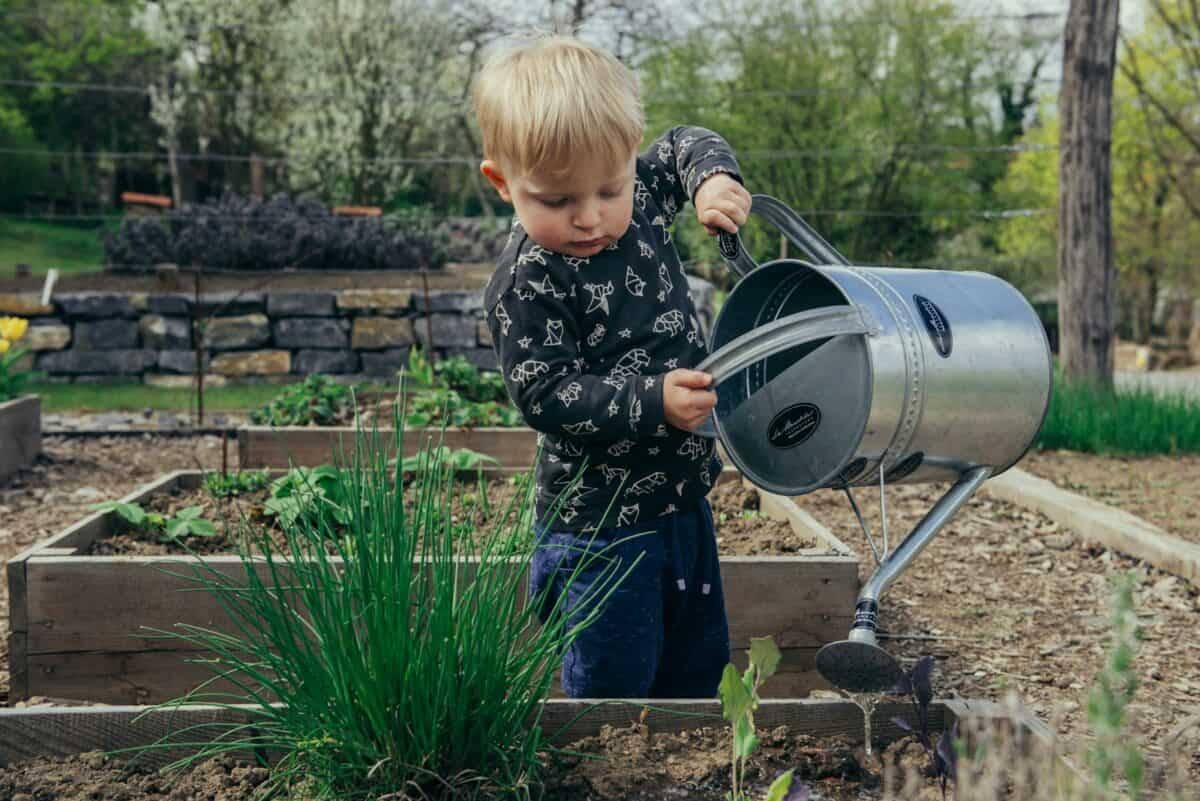
Individual actions collectively create significant impact for bee conservation. Planting diverse, native flowering plants that bloom in succession throughout the growing season provides essential forage for bees when they need it most. Even small gardens or container plantings can serve as valuable nectar and pollen sources in urban environments. Avoiding pesticides in home gardens—particularly insecticides and fungicides—protects visiting bees from harmful chemical exposure. Providing nesting habitat by preserving unmulched, undisturbed soil areas for ground-nesting species and installing bee houses for cavity-nesting bees supports reproduction and population growth. Maintaining clean water sources with landing spots helps bees hydrate safely during foraging trips. Supporting local, sustainable agriculture through purchasing organic products or joining community-supported agriculture programs encourages bee-friendly farming practices. Participating in citizen science projects like bee monitoring programs contributes valuable data while fostering personal connection with these essential insects. Educational outreach—talking with neighbors, sharing social media information, or organizing community events—helps spread awareness about bee conservation needs and solutions.
The Future of Bees: Adaptation and Coexistence

The path forward for bee conservation requires rethinking human-pollinator relationships and adapting agricultural and land management practices accordingly. Promising developments include agroecological farming systems that integrate crop production with natural ecosystem processes, reducing chemical inputs while providing habitat and forage for bees. Urban planning increasingly incorporates “pollinator pathways” and bee-friendly green spaces, transforming cities into potential refuges rather than barriers for bees. Advanced monitoring technologies using DNA analysis, automated identification systems, and networked sensors allow for more precise tracking of bee population health and early intervention when declines occur. Breeding programs focus on developing honeybee strains with improved disease resistance and climate adaptability, while conservation breeding efforts preserve genetic diversity in threatened wild bee species. Policy frameworks are evolving to consider ecosystem services in economic decision-making, potentially creating financial incentives for pollinator protection. The growing recognition of bees’ intrinsic value beyond their utility to humans reflects an ethical shift toward respecting these creatures as essential members of our shared biosphere—a perspective that may ultimately prove crucial to their survival.
The relationship between bees and ecosystem health represents one of nature’s most profound interconnections—a delicate balance upon which much of terrestrial life depends. As we’ve explored throughout this article, these industrious insects maintain biodiversity, ensure food security, support wildlife populations, and provide economic benefits that extend far beyond honey production. The disappearance of bees would trigger ecological disruptions with far-reaching consequences for plant communities, animal populations, agricultural systems, and human nutrition. The current pollinator crisis serves as a powerful reminder of our dependence on natural systems and the unseen ecological services that sustain our world. Yet the story of bees and their future remains unfinished, with conservation efforts, policy changes, technological innovations, and individual actions all contributing to potential recovery. By protecting bees, we protect not just a fascinating insect but the very foundations of life-supporting ecosystems across our planet—an investment in our shared ecological future that we cannot afford to overlook.

- How Animals Brave the Midwest’s Harsh Winters - July 22, 2026
- Why Saving the Saiga Antelope Matters for All of Asia - July 22, 2026
- Where to See Wolves in the Wild Without Leaving the States - July 22, 2026