


Wildlife tagging has been a cornerstone of conservation biology and ecological research for decades. From tiny microchips implanted in salamanders to satellite collars on elephants, these tracking devices have revolutionized our understanding of animal behavior, migration patterns, and population dynamics. But as technology advances and ethical questions arise, some scientists and animal welfare advocates are questioning whether we should continue this practice. What would happen if we simply stopped tagging wild animals? The consequences would ripple through conservation efforts, scientific research, and our broader understanding of the natural world in complex and sometimes unexpected ways.
The Current Landscape of Wildlife Tagging

Wildlife tagging encompasses a wide range of techniques and technologies, from simple numbered bands on birds to sophisticated GPS collars on large mammals and acoustic transmitters on marine species. Currently, thousands of research projects worldwide rely on these methods to track animal movements, monitor health conditions, study behavior, and gather critical data for conservation efforts.
Technologies have evolved dramatically in recent decades, with devices becoming smaller, lighter, longer-lasting, and capable of collecting increasingly detailed information. Modern tags can record not just location but also physiological data, environmental conditions, and even social interactions, creating unprecedented insights into animal lives that would otherwise remain hidden from human observation.
The Scientific Knowledge Gap That Would Emerge

Abandoning wildlife tagging would immediately create significant knowledge gaps in ecological research. Our understanding of migration routes, habitat use, and population dynamics would become increasingly outdated as tagged animals die and no new data emerges. Long-term studies, some running for decades and providing invaluable insights into how animals respond to climate change and habitat loss, would be disrupted or terminated.
Without tagging, scientists would lose the ability to follow individual animals throughout their lives, making it nearly impossible to gather data on lifespan, reproductive success, and generational changes in behavior. This knowledge vacuum would severely hamper evidence-based conservation strategies and could lead to uninformed policy decisions affecting vulnerable species.
Impact on Endangered Species Conservation

For critically endangered species, the consequences of ending tagging programs could be particularly severe. Many conservation success stories, from California condors to black rhinos, rely heavily on data from tagged individuals to guide protection efforts. Without tagging, conservationists would lose their ability to monitor the last remaining individuals of some species, track breeding success, and detect threats in real-time.
The effectiveness of protected areas would become harder to evaluate without knowing how animals use these spaces. Reintroduction programs, which often tag animals before release to monitor their adaptation to the wild, would become riskier endeavors with less feedback on outcomes. For species on the brink of extinction, this loss of monitoring capability could literally mean the difference between recovery and disappearance.
Changes to Wildlife Management Practices

Wildlife management agencies worldwide would need to dramatically revise their approaches without tagging data. Population estimates, which often incorporate information from tagged animals, would become less accurate and more difficult to obtain. Setting hunting quotas and fishing limits would be based on more general observations rather than specific data on population health and reproduction rates.
Human-wildlife conflict mitigation efforts would lose a vital tool, as managers would no longer be able to track problem animals or understand their movement patterns. Disease surveillance in wildlife populations would be severely hampered, potentially allowing emerging zoonotic diseases to spread undetected until they reach human populations. Management would necessarily become more reactive rather than proactive, responding to problems after they occur rather than preventing them.
Alternative Monitoring Methods

If tagging ceased, researchers would need to rely more heavily on alternative monitoring methods, each with significant limitations. Camera traps can provide valuable data but cannot follow individual animals across landscapes. Environmental DNA sampling can detect species presence but offers limited behavioral insights. Drone surveys provide excellent aerial views but are limited by flight time and weather conditions.
Citizen science initiatives could expand to fill some gaps, but data quality and consistency would vary. Remote sensing technologies like satellite imagery might track broad habitat use but miss fine-scale animal movements. While these methods are valuable complements to tagging, none currently offers the same combination of individual-level detail, temporal continuity, and spatial precision that tagging provides, meaning our understanding of wildlife would become broader but shallower.
Potential Benefits to Animal Welfare
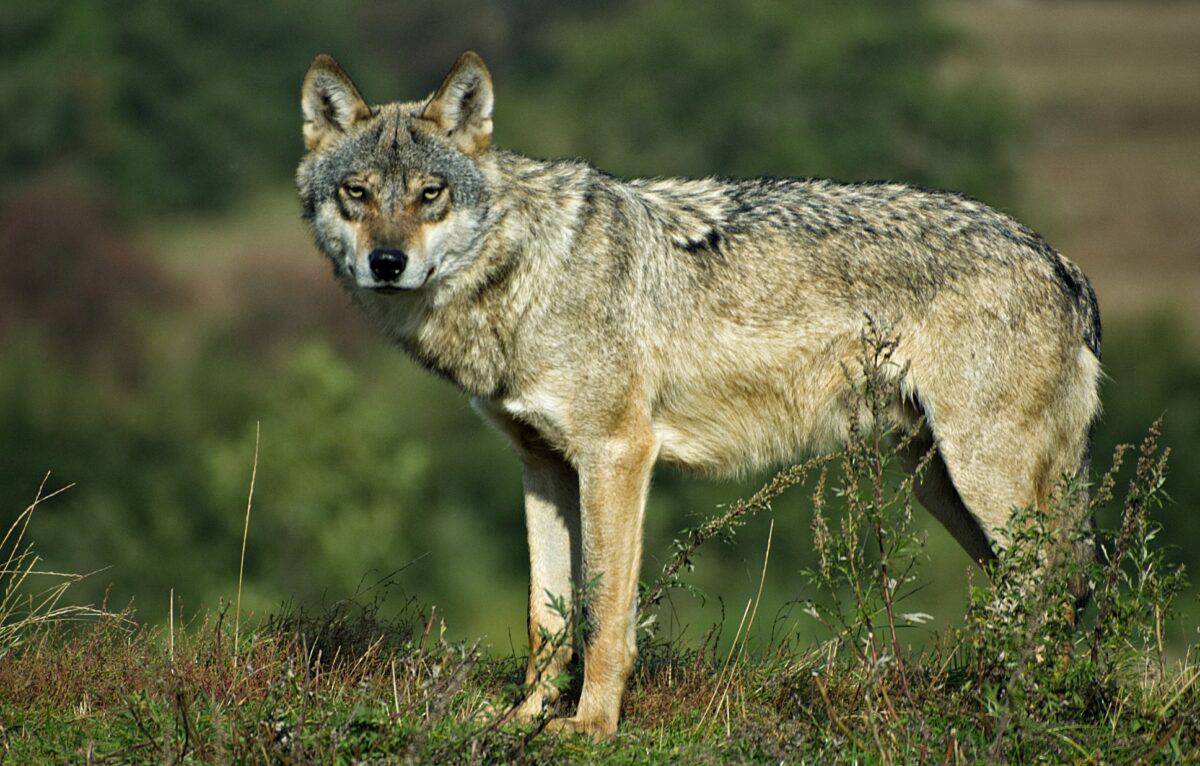
Ending wildlife tagging would eliminate the stress, injury risk, and potential behavioral changes associated with capture, handling, and wearing tags. Some animals experience significant distress during capture procedures, and even the most carefully designed tags can sometimes cause physical complications like abrasions, infections, or impaired movement. Certain species may alter their behavior when tagged, potentially affecting their hunting success, predator avoidance, or social interactions.
Without tagging, these welfare concerns would disappear. Additionally, the resources currently dedicated to tagging programs could be redirected toward habitat protection or other conservation measures that benefit entire ecosystems rather than focusing on individual animals. For some welfare advocates, this shift would represent a more holistic and less invasive approach to wildlife conservation.
Economic Implications for Conservation Funding

The financial aspects of ending wildlife tagging would be complex and far-reaching. Tagging programs often attract substantial research grants, donor funding, and public interest. Charismatic tagged animals like wolves or sharks frequently become ambassadors for their species, generating public engagement and financial support for broader conservation efforts. Without these individual animal stories to share, conservation organizations might struggle to maintain donor interest and educational impact.
Conversely, funds currently spent on expensive tagging equipment and monitoring could be redirected to other conservation priorities. Wildlife tourism operations that highlight tracked animals would need to adapt their educational messaging. Overall, the conservation funding landscape would likely undergo significant restructuring, potentially creating both financial challenges and opportunities for new approaches.
Effects on Climate Change Research

Climate change researchers would lose crucial data if wildlife tagging ended. Tagged animals serve as sentinels for climate impacts, with their movements and behaviors often reflecting environmental changes before humans detect them. Migratory species’ changing routes provide early indicators of shifting climate patterns, while marine animals’ diving behaviors can reveal ocean temperature anomalies.
Long-term tagging data sets are particularly valuable for understanding climate trends, as they show how animal responses evolve over decades. Without these biological indicators, our climate monitoring network would lose an important dimension. Additionally, understanding how different species adapt to climate change helps scientists predict which animals might persist and which might decline in warming scenarios—knowledge that would become much harder to obtain without individual tracking data.
Impact on Public Engagement with Wildlife

The public connection to wildlife conservation would likely diminish without the compelling stories that tagged animals provide. Programs that allow people to follow specific animals online—like tracking a sea turtle’s ocean journey or a wolf pack’s movements—create powerful emotional connections that general species information cannot match. These individual animal narratives often serve as gateways to broader conservation awareness and support.
Educational programs would lose valuable teaching tools that make abstract ecological concepts concrete and relatable. Media coverage of wildlife would likely focus less on science-based insights and more on dramatic or sensational encounters. While public interest in wildlife would certainly continue, it might become less informed by scientific understanding and less conducive to supporting evidence-based conservation.
Legal and Policy Considerations

A cessation of wildlife tagging would necessitate legal and policy adjustments across multiple jurisdictions. Many environmental protection laws and international conservation agreements incorporate monitoring requirements that currently rely on tagging data. Without this information, compliance verification would become more challenging, potentially weakening enforcement.
Environmental impact assessments for development projects would have less precise data on how local wildlife uses affected areas. International agreements on migratory species management would become harder to implement without tracking data showing cross-border movements. Protected area boundaries, often designed using animal movement data, might become less biologically relevant over time as animal behaviors change but remain untracked. New legal frameworks would need to be developed to accommodate alternative monitoring approaches while still meeting conservation objectives.
The Future of Non-Invasive Wildlife Monitoring

If tagging ended, investment and innovation in non-invasive monitoring technologies would likely accelerate dramatically. Advances in environmental DNA techniques might allow researchers to extract more detailed information from animal traces left in the environment. Facial and pattern recognition software could enable camera trap systems to identify and “follow” individual animals without physical tags. Passive acoustic monitoring networks might expand to track vocalizing species across landscapes.
Thermal imaging, satellite tracking of herds rather than individuals, and remote physiological monitoring technologies would all likely see increased development. While these approaches currently complement rather than replace tagging, a concerted effort driven by necessity could potentially close some of the capability gaps over time. The transition period would be challenging for research continuity, but could eventually lead to new methodological paradigms with their own unique advantages.
Ethical Dimensions of Wildlife Research

Ending wildlife tagging would reflect a significant shift in the ethical framework guiding animal research. The current approach generally balances potential stress to individual animals against the conservation benefit to the species or ecosystem. Without tagging, this balance would tip toward minimal intervention, prioritizing the autonomy and natural behavior of individual wild animals over knowledge gathering.
Researchers would need to develop new ethical guidelines for observational and non-invasive studies that still respect animal welfare while meeting scientific needs. Indigenous and traditional ecological knowledge approaches, which often rely on observational rather than interventionist techniques, might gain greater prominence in wildlife research. The fundamental question of humans’ right to monitor and manage other species would be reopened, potentially leading to more diverse approaches that reflect different cultural and ethical perspectives on the human-wildlife relationship.
Conclusion: Navigating a Complex Transition
Stopping wildlife tagging would trigger profound changes across conservation science, practice, and policy. While animal welfare would benefit from reduced handling and intervention, our ability to protect endangered species, manage wildlife populations, and understand ecological relationships would face significant challenges.
The transition would necessitate accelerated development of alternative monitoring technologies and methodologies, along with new funding models and public engagement approaches. Rather than an all-or-nothing proposition, the future might best be served by a more nuanced approach that reduces tagging where alternatives exist, continues it where critically necessary, and constantly works to develop less invasive techniques that maintain or enhance our knowledge of the natural world. As technology advances and ethical perspectives evolve, finding this balance will remain an ongoing challenge for the conservation community.

From exploring the marine wonders in the Azores and witnessing the vast savannas of Kenya, to delving deep into the rich biodiversity of South Africa and traversing iconic landscapes in Australia and the US like Yellowstone, Chris's experiences are vast.
With a penchant for diving alongside sharks, the ocean holds a special place in his heart.
Through his academic insights, he champions wildlife conservation, striving with 'Animals Around The Globe' to cultivate a profound connection between humans and animals, enhancing our mutual appreciation.
Connect with him at Feedback@animalsaroundtheglobe.com.
- The Bull as a Symbol of Power in Minoan and Hindu Stories - July 22, 2026
- This Monkey Has a Mustache - July 21, 2026
- How Steve Irwin Changed the World’s View of Wildlife - July 21, 2026